Pick a fight in any AI art community and someone will eventually ask: Midjourney or DALL-E? I’ve used both heavily — Midjourney for illustration work, DALL-E inside ChatGPT for quick concepts and edits — and the honest answer is that they’re built for different brains. This isn’t a specs-sheet comparison; it’s a practitioner’s take on where each one actually wins.
The short version: Midjourney produces more beautiful images with more effort. DALL-E produces more obedient images with less effort. Which of those you want depends entirely on what you’re making and how you like to work. For background on the tech, see how Midjourney works; setup is covered in how to use Midjourney.
Table of Contents
- The Core Difference: Beauty vs Obedience
- Image Quality Head to Head
- Prompt Control and Precision
- Editing and Iteration
- Text in Images
- Ease of Use
- Pricing Compared
- Which Should You Choose?
- Speed, Limits, and Workflow Fit
- Learning Resources and Community
- My Personal Workflow Using Both
- Frequently Asked Questions
The Core Difference: Beauty vs Obedience
Everything in this comparison flows from one design choice. Midjourney is optimized for aesthetic quality — its default output has a distinctive polished, often cinematic look that needs little coaxing. DALL-E is optimized for following instructions — it tries harder to render exactly what you described, even if the result is less striking.
In practice: ask both for “a cozy reading nook.” Midjourney gives you a magazine-worthy scene that might ignore half your details. DALL-E gives you something plainer that includes the window seat, the cat, and the rain you asked for. Neither is wrong; they’re answering different questions. Midjourney asks “what would be beautiful?” DALL-E asks “what did you actually say?” Your preference between those questions is your answer to which tool to pick.
Image Quality Head to Head
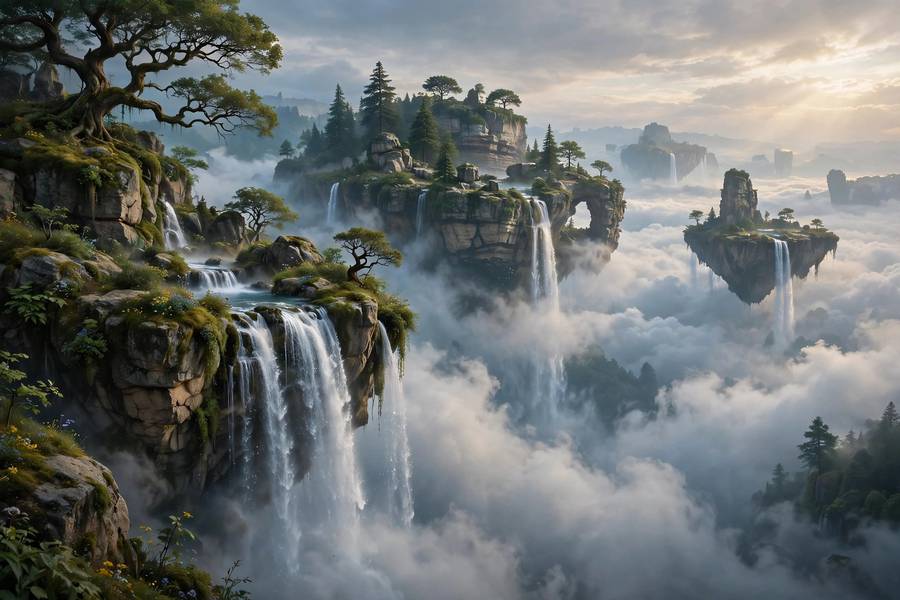
For pure visual impact — the kind of image that makes someone stop scrolling — Midjourney wins, and it isn’t close. Its handling of lighting, texture, composition, and atmosphere is in a different league. Portraits look photographic, fantasy scenes look like film concept art, and even simple subjects get the cinematic treatment.
DALL-E’s images are competent and clean but flatter — less dramatic lighting, simpler compositions, a certain digital smoothness. Where DALL-E closes the gap: photorealistic everyday scenes and images where accuracy matters more than atmosphere. But if your metric is “which image would I frame,” Midjourney takes it roughly nine times out of ten. The broader question of whether either counts as real art is explored in can AI make art.
Prompt Control and Precision
Here’s where DALL-E fights back. Midjourney is famously opinionated — it injects its own aesthetic preferences, and getting it to follow a complex, specific brief requires prompt-craft skill. Tell it “a red cube on the left and a blue sphere on the right” and it may give you something gorgeous with the objects in the wrong places.
DALL-E follows spatial instructions, counts, and compositions far more reliably. “Three apples in a row, the middle one green” — DALL-E nails it; Midjourney gives you a still life that feels right but counts wrong. For technical illustration, storyboards, product mockups, or anything where the brief is specific, DALL-E’s obedience beats Midjourney’s beauty. If you need open-source control instead, what is Stable Diffusion covers the third major option.
Editing and Iteration
DALL-E’s killer feature is conversational editing: “make the sky darker,” “remove the person on the left,” “now in watercolor style” — iterative refinement in plain language, with the image updating in place. It feels like art-directing an assistant.
Midjourney’s iteration is more powerful but less intuitive: variations, region editing, remix mode, and parameter tweaks, mostly through Discord commands or the web interface. You get finer control over the generation process but coarser control over specific edits — there’s no “just change the sky” button that works as reliably as DALL-E’s. For quick revisions, DALL-E. For deep exploration of a concept, Midjourney.
Text in Images
Both tools historically mangled text, but DALL-E pulled ahead decisively here — it renders short words, signs, and labels with impressive accuracy. Posters, memes, logos with text, book covers: DALL-E is the practical choice. Midjourney has improved but still garbles longer text more often. If your image needs readable words, this single factor may decide for you.
Ease of Use
DALL-E wins on accessibility: it’s inside ChatGPT, which hundreds of millions already use. No Discord server, no command syntax, no parameter flags — just describe what you want in a chat box. The learning curve is essentially zero.
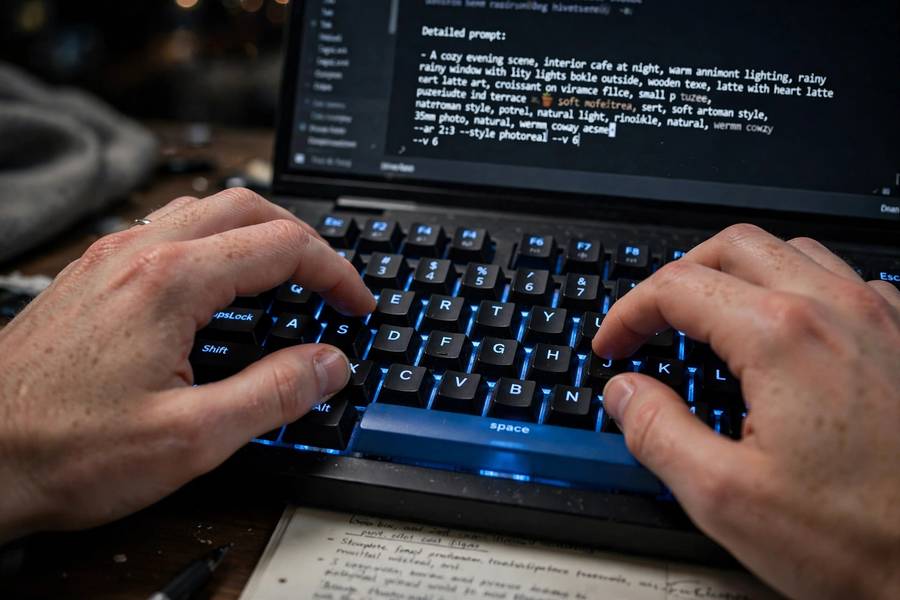
Midjourney demands more: the Discord interface (or web app), /imagine commands, parameters like --ar and --stylize. It’s not hard — an afternoon gets you functional — but it’s a real learning investment. The payoff is finer control; the cost is friction. Casual users bounce off this; committed creators consider it worth it.
Pricing Compared
Both are paid products with no meaningful free tier anymore. DALL-E access comes bundled with ChatGPT’s subscription, which also buys you the chatbot, making it good value if you want both. Midjourney has standalone tiers based on generation time, with cheaper plans for light users and pricier ones for heavy creators.
The value math: if you generate occasionally and want ChatGPT anyway, DALL-E is effectively free on top. If you generate hundreds of images monthly for creative work, Midjourney’s dedicated plans make more sense. Neither is expensive relative to stock photography or commissioned illustration — both are absurdly cheap compared to hiring an artist, which is its own conversation.
Which Should You Choose?
Choose Midjourney if: you want the most beautiful output, you’re doing illustration or concept art, you enjoy the craft of prompting, and you’re willing to learn an interface.
Choose DALL-E if: you want quick results with zero learning curve, you need precise control over composition and text, you already pay for ChatGPT, or you’re iterating conversationally.
Choose both if: you’re serious about AI imagery. Many professionals do — Midjourney for hero images, DALL-E for quick mockups and text-heavy graphics. They’re complements more than competitors, and the subscription costs are trivial compared to the time either saves.
Speed, Limits, and Workflow Fit
Beyond quality and control, the day-to-day workflow differences matter. Midjourney generations typically complete in under a minute on fast mode, and you can queue multiple jobs — good for batch exploration sessions. DALL-E inside ChatGPT generates one image per turn in the conversation flow, which suits iterative back-and-forth but feels slower for bulk work.
Usage limits differ too: Midjourney’s GPU-hour model rewards efficient prompting and punishes compulsive re-rolling, while ChatGPT’s rate limits cap how many images you can generate per hour regardless of efficiency. For a designer generating fifty variations in a session, Midjourney’s model fits better. For someone who wants three good options with minimal fuss, DALL-E’s conversational pace is calmer. Match the tool’s rhythm to your working style — friction you notice daily compounds into real preference.
Learning Resources and Community
The communities around these tools are genuinely different, and they shape what you’ll learn. Midjourney’s Discord is a firehose of public generations — thousands of prompts and results scrolling past, the world’s largest live prompting classroom. Lurking there for a week teaches vocabulary, trends, and techniques no tutorial covers. Third-party prompt libraries and style guides orbit the ecosystem.
DALL-E’s community is more diffuse — scattered across ChatGPT users, social media, and general AI forums rather than one hub. The advantage is breadth: you’ll find DALL-E discussed alongside writing, coding, and analysis workflows, which sparks cross-disciplinary ideas. The disadvantage is depth: fewer dedicated prompting craftsmen sharing advanced technique. If you learn by immersion, Midjourney’s concentrated community is unmatched. If you learn by documentation, both have solid official guides.
My Personal Workflow Using Both
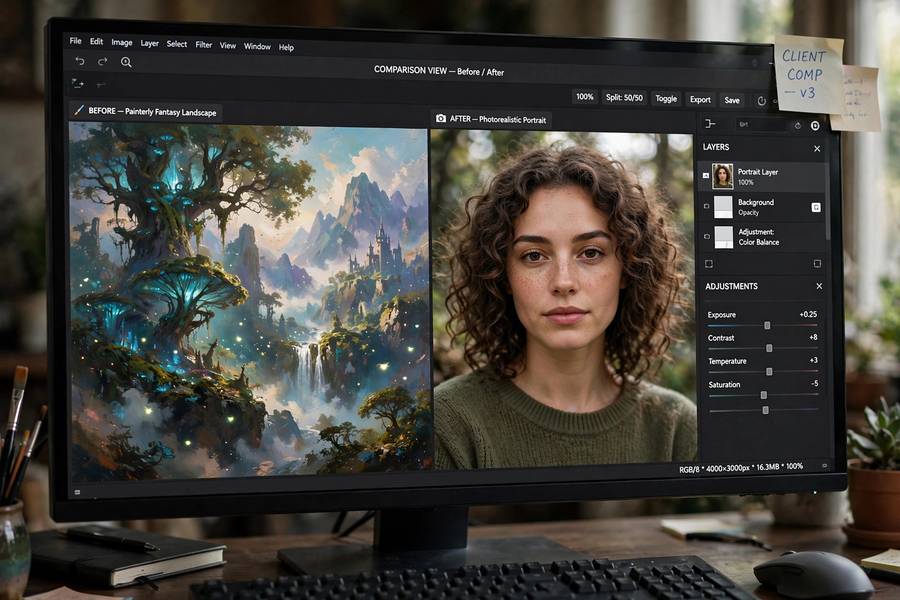
Full disclosure of how I actually work: I use Midjourney for exploration and hero images — the first hour of any visual project lives there, generating broadly, chasing the striking option. Then I switch to DALL-E for the practical pieces: the social graphic that needs exact text, the mockup with specific layout requirements, the quick revision a client requested.
The handoff between them is seamless because they serve different stages: Midjourney for divergence (many beautiful possibilities), DALL-E for convergence (the specific thing I need). Total cost is two subscriptions I was paying for anyway. If you forced me to keep only one, I’d keep Midjourney — its ceiling is higher for creative work — but I’d miss DALL-E weekly. The honest answer to “which one” for a working creator really is both, each doing what it’s built for.
Frequently Asked Questions
Midjourney produces more beautiful, cinematic images; DALL-E follows instructions more precisely and handles text better. Choose Midjourney for art and illustration, DALL-E for accuracy, quick edits, and ease of use.
Yes, somewhat. DALL-E works inside ChatGPT with plain-language conversation. Midjourney uses Discord commands and parameters, requiring an afternoon of learning — but rewards it with finer creative control.
DALL-E renders short text, signs, and labels far more accurately than Midjourney. For posters, memes, or graphics with readable words, DALL-E is the clear choice.
Yes, and many professionals do. Midjourney excels at hero images and illustration; DALL-E handles quick mockups, precise compositions, and text-heavy graphics. They complement rather than replace each other.
DALL-E image generation is included with paid ChatGPT subscriptions. Midjourney requires its own separate subscription with tiers based on generation time.
Keep reading: