What to Wear to a Funeral: A Respectful Dress Code Guide


Figuring out what to wear to a funeral is one of those questions nobody wants to ask and everyone quietly Googles the night before. I have been there: standing in front of an open closet at 9 p.m., running through every dark thing I own and wondering whether any of it is actually appropriate. Here is the truth I have learned from years of covering fashion and, more importantly, from attending funerals myself: the dress code is simpler and kinder than you think. Dress to disappear, dress with respect, and let the family have the attention.
The guiding principle of funeral attire is modesty and restraint. A funeral is not the place for your personal style to shine. It is a place to show up, quietly, for people who are grieving. Everything that follows comes back to that single idea: look neat, look somber, and take up as little visual space as possible.
The Classic Rule: Dark, Simple, Covered
Black is the traditional choice and still the safest one, but it is not a strict requirement everywhere. Dark navy, charcoal gray, and deep brown are all perfectly acceptable. The key is that the overall effect reads as somber. A charcoal suit with a white shirt, a navy midi dress with a dark cardigan, a black blazer over dark trousers — all of these work.
Coverage matters more than color. Necklines should be high or modest, hemlines should fall at or below the knee, sleeves should cover the shoulders at minimum, and nothing should be tight, sheer, or revealing. This is not about prudishness; it is about the fact that the family’s grief is the subject of the day, not your silhouette.
What to Wear to a Funeral: Women
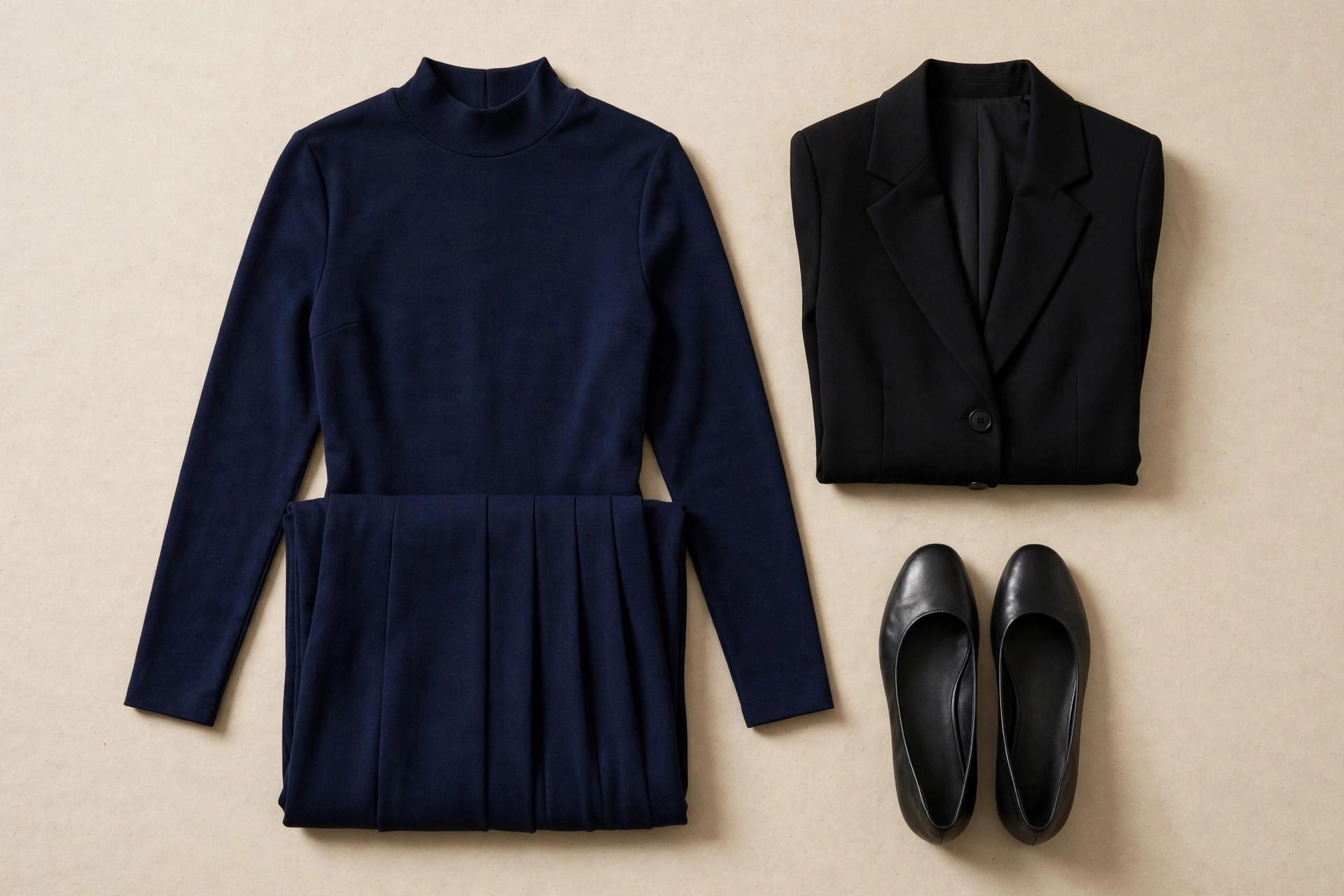
For women, the most reliable formula is a dark dress or a dark skirt-and-top combination, with a blazer or cardigan on top. A simple black or navy midi dress with opaque tights and closed-toe flats or low heels is essentially foolproof. If you prefer trousers, dark tailored trousers with a dark blouse and a blazer reads just as appropriately.
Avoid white dresses entirely — at a funeral, white draws the eye and can read as festive in some cultures. Skip anything with a plunging neckline, anything backless, anything above the knee, and anything that would be better suited to a night out. Save the statement jewelry for another day; one simple piece is plenty.
What to Wear to a Funeral: Men
For men, a dark suit is the gold standard. Black, charcoal, or dark navy, with a white or light-colored dress shirt and a dark, understated tie. If you do not own a suit, dark dress trousers with a button-down shirt and a dark blazer or sports coat is a fine alternative.
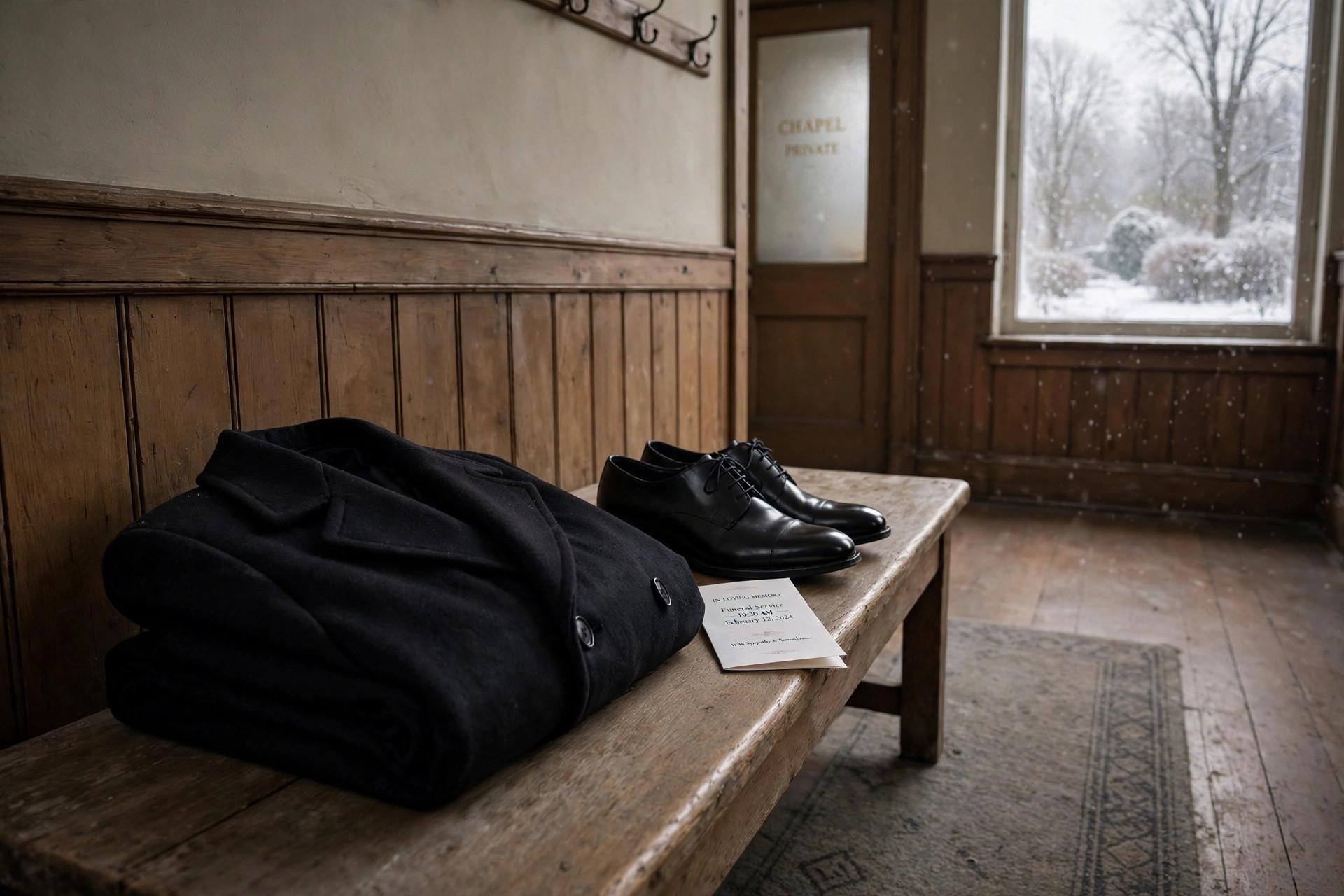
Keep the details quiet: a simple tie rather than a novelty one, polished dark shoes, minimal accessories. Skip the sneakers, the jeans, the polo shirts, and anything athletic. If the weather is cold, a dark overcoat finishes the look properly.
Seasonal Adjustments
Funerals happen in every season, and the weather does not excuse breaking the dress code — it just asks you to adapt it. In summer, lightweight dark fabrics like linen or cotton blends keep you comfortable while staying appropriate. Women can wear sleeveless dark dresses, but bring a cardigan or pashmina for the service itself, especially in a house of worship. In winter, a dark wool coat over your outfit is standard, and dark boots are fine as long as they are clean and polished.
Rain is worth planning for. An umbrella in dark colors and waterproof dark shoes will keep you looking put-together rather than bedraggled. The family will remember that you came; they will not remember that your shoes were practical.
Religious and Cultural Considerations
Different faiths and cultures have different expectations, and it is worth a quick check if you are unsure. In many Christian services, the standard dark Western attire described above is right. At Jewish funerals, men are typically expected to cover their heads — kippahs are usually provided at the entrance. At Muslim funerals, women should wear a headscarf and ensure full coverage of arms and legs; the body is often buried quickly, and the dress code is strictly modest.
For Hindu funerals, white is actually the traditional color of mourning, and bright or festive colors are avoided. Buddhist services vary by tradition but generally favor subdued, modest clothing. When in doubt, ask someone close to the family, or simply choose the most modest, darkest outfit you own. Overdressing in modesty is never a mistake here.
What Children Should Wear
Children are not expected to follow adult dress codes precisely, but neat and subdued is the goal. Dark or neutral-colored clothing — a simple dark dress or dark trousers with a collared shirt — works well. Avoid bright colors, graphic tees, and anything with slogans or characters. Comfort matters too, since services can be long; choose something they can sit quietly in.
Common Mistakes to Avoid
The most common mistake I see is treating a funeral like any other formal event. A cocktail dress is formal, but it is wrong for a funeral. So is the suit you would wear to close a business deal if it is paired with a flashy tie and pocket square. The second most common mistake is underdressing — jeans, even dark ones, even with a nice shirt, read as disrespectful to many families.
Other things to skip: strong perfume or cologne, which can be overwhelming in a closed chapel; sunglasses worn indoors; hats indoors for men; and anything white or brightly patterned. Your phone should be silenced and out of sight — that, too, is part of dressing appropriately.
A Note on Footwear
Shoes deserve their own mention because they are where people most often slip up. Closed-toe shoes are the standard for women — no strappy sandals, no open backs at a traditional service. Heels should be modest in height; you may be walking on grass at the graveside, and sinking into the lawn is both undignified and impractical. A low block heel or elegant flat is the smart choice.
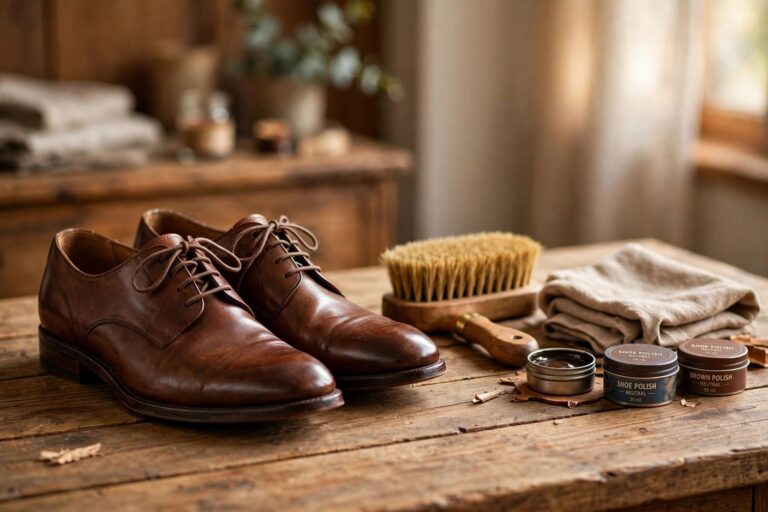
For men, polished leather dress shoes in black or dark brown. Clean them the night before. Scuffed shoes are one of those small details that people notice without realizing they notice.
When the Family Says “Celebration of Life”
Some families specifically request a celebration of life rather than a traditional funeral, and may even say “wear bright colors” or “come as you are.” In that case, follow their lead — it is their event and their wishes matter most. But if no guidance is given, default to the traditional dress code. It is always better to be the most formally dressed person in the room than the most casual.
If the invitation mentions a specific request — a color the deceased loved, casual attire, themed dress — honor it. That request is a gift; it removes the guesswork entirely.
Dressing for the Graveside Service
Many funerals include a graveside committal after the main service, and this part of the day has its own practical demands. You will be standing on grass, possibly in wind or drizzle, and the ground may be soft. This is where footwear choices get tested: stilettos sink, suede suffers, and light-colored shoes show every mark. A low, sturdy heel or a polished flat is the graveside-smart choice for women; for men, rubber-soled dress shoes handle damp grass far better than leather soles.
Bring a dark umbrella even if the forecast looks kind — weather turns, and being prepared is part of looking composed. A longer coat earns its keep here too, since graveside services can run twenty minutes in open weather. And if you wear a hat to the service, keep it on at the graveside; it is both practical and traditional.
What to Wear as a Pallbearer
If you have been asked to be a pallbearer, the dress code tightens slightly. A dark suit is essentially expected — black or charcoal, white shirt, dark tie, dark polished shoes. You will be photographed, you will be visible throughout the service, and you will be performing a physical task, so make sure the suit fits well enough to move in. Skip the boutonniere unless the family provides one; pallbearers sometimes receive them, and wearing your own looks like you are upstaging the arrangement.
Gloves are sometimes provided by the funeral home, sometimes not. If you are unsure, dark dress gloves are a safe addition. Above all, arrive early — pallbearers are usually briefed before the service, and punctuality is part of the honor.
Accessories: The Quiet Details
Accessories at a funeral should be chosen the way you would choose words in a condolence card: carefully, and with restraint. A simple watch, a wedding band, one understated necklace or pair of earrings — that is the full inventory. Avoid anything that jingles, sparkles aggressively, or draws the eye across the room.
Bags should be small and dark: a simple clutch or a modest handbag for women, nothing bulky. Sunglasses are fine outdoors on a bright day but come off the moment you step inside. And tissues — bring your own, in a dark handkerchief or a discreet packet. It is a small kindness to yourself that costs nothing.
If you are wondering about subtle, respectful makeup for the service, the same principle applies: natural, understated, nothing dramatic. A guide to soft, natural makeup looks translates well here — the techniques for a polished-but-quiet face are the same, just dial back any shimmer or bold lip to something near your natural tone.
The Wake and the Reception
Wakes, viewings, and post-funeral receptions follow the same dress code as the service itself, perhaps relaxed by half a degree. If the service was in the morning and the reception is in the afternoon, you do not need to change — the same outfit carries through the whole day. The atmosphere at a reception may be warmer and even include laughter as people share memories, but your attire should remain respectful throughout.
For evening visitations, the standard guidance holds. Dark, modest, neat. The family’s home or the funeral parlor in the evening is still a place of mourning, and the dress code does not expire when the sun goes down.
Frequently Asked Questions
Are open-toe shoes acceptable at a funeral?
Generally, no. Funerals call for closed, understated footwear — simple flats, low heels, or dress shoes in dark colors. Open-toe shoes read as summery and casual, which clashes with the solemnity of the occasion even in warm weather.
Can I wear a patterned outfit to a funeral?
A subtle, dark pattern like a pinstripe suit or a small check is fine. What you want to avoid is anything bold — large florals, bright colors, or eye-catching prints. If someone would remember your outfit rather than the service, it is too much.
Should children wear black to a funeral?
Black is not required for children. Dark, neat, comfortable clothes are perfect — navy trousers, a dark dress, a clean button-down. The goal for children is tidy and respectful, not a miniature mourning wardrobe.
Can I wear my religious head covering to a funeral?
Yes, wear it as you normally would. If you have a choice of colors, darker or neutral tones are most in keeping with the occasion, but your usual covering is always appropriate.
Is white ever acceptable at a funeral?
In many East Asian, South Asian, and some African traditions, white — not black — is the mourning color. If the family follows one of these traditions, white or light clothing is correct. When in doubt, follow the family’s lead and ask if you are unsure.
Your Questions, Answered
Can I wear black to a funeral if I am not family?
Yes. Black is appropriate for everyone attending a funeral, family or not. It is the most traditional and safest choice regardless of your relationship to the deceased.
Is it okay to wear navy or gray instead of black?
Absolutely. Dark navy, charcoal gray, and deep brown are all widely accepted. The goal is a somber, understated appearance, and any dark neutral achieves that.
What should I wear to a funeral in the summer heat?
Choose lightweight dark fabrics like cotton or linen. Women can wear a modest sleeveless dark dress with a cardigan for the service; men can skip the jacket in extreme heat but should keep the collared shirt and dark trousers. Comfort and modesty can coexist.
Can women wear trousers to a funeral?
Yes. Dark tailored trousers with a dark blouse or sweater and a blazer are completely appropriate. The trouser suit is as correct as a dress.
Should I wear a tie to a funeral?
A dark, simple tie is the standard choice with a suit. It is not mandatory if you are wearing a blazer without a full suit, but a tie always reads as more respectful, so wear one if you have it.
What if I only own casual clothes?
Wear the darkest, plainest, most modest things you own: dark trousers or a dark skirt, a plain dark or white top, and clean, simple shoes. Neatness and effort matter more than expense. Nobody at a funeral is judging labels — they are noticing whether you tried.