How to Winterize Your Car: 12-Point Checklist That Works

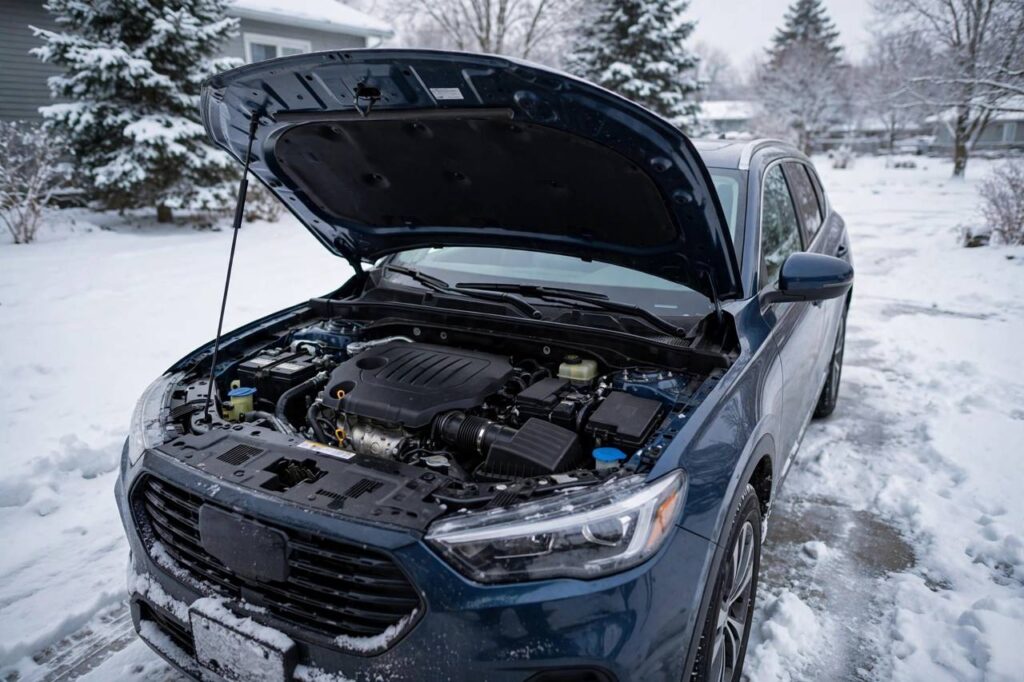
If you take nothing else from this guide, take this: how to winterize your car comes down to one cold morning you do not want to live through. The one where the battery gives up, the tires slide through a stop sign, and the washer fluid you have been meaning to replace freezes into a useless blue popsicle. I have worked on cars for two decades, and every November I watch the same parade of preventable breakdowns roll into the shop. Nearly all of them trace back to things that take an afternoon — and in most cases a single trip to the parts store — to fix.
Winterizing is not a mystery and it is not a luxury. It is a simple set of checks and swaps that prepare your car for cold starts, slick roads, and short daylight. Below is my 12-point checklist, ordered by impact: the things that will actually strand you or keep you safe come first, the nice-to-haves last. Work through it before the first real freeze, and you will spend winter driving instead of waiting for a tow truck.
How to Winterize Your Car: The 12-Point Checklist
Before we get into the individual items, a word about order. Most winter-prep lists read like a random grab bag — they bury the battery between “check your floor mats” and “top up the air freshener.” I have ordered these by impact: the first five can leave you stranded or put you in a ditch, the middle four save you money and hassle, and the last three are the finishing touches. If you are short on time, do points one through five and you have covered the big risks.
1. Test Your Battery Before the Cold Finds It Weak
Cold weather is brutal on batteries. Chemical reactions slow down as temperatures drop, which means a battery that limps through October can flat-out quit on a freezing January morning. Most batteries last three to five years, so if yours is in that window, do not guess — test it. Nearly every auto parts store will load-test your battery for free, and the test takes about five minutes.
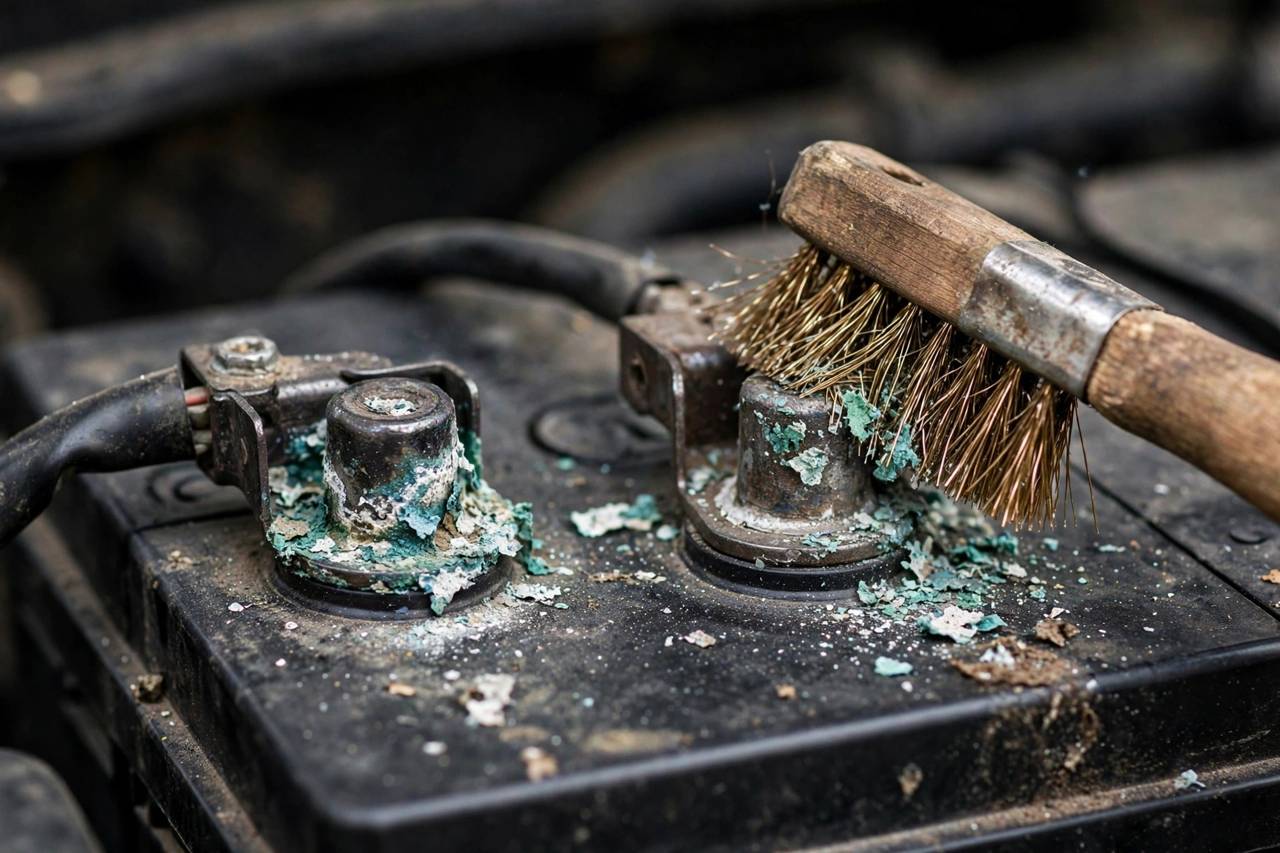
While the battery is in front of you, pop the hood and look at the terminals. White or greenish crust on the terminals is corrosion, and it adds resistance that gets worse in cold weather. A wire brush and a few minutes of scrubbing fixes it — and if you want the full walkthrough, our guide on how to clean car battery terminals covers it step by step. Dab a thin coat of dielectric grease or petroleum jelly on the terminals afterward to slow corrosion from returning.
2. Get Your Tires Right — Pressure, Tread, and the Winter-Tire Question
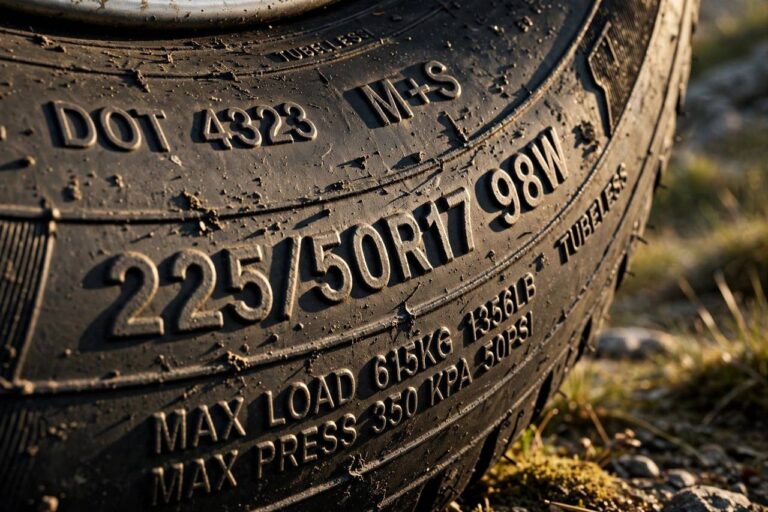
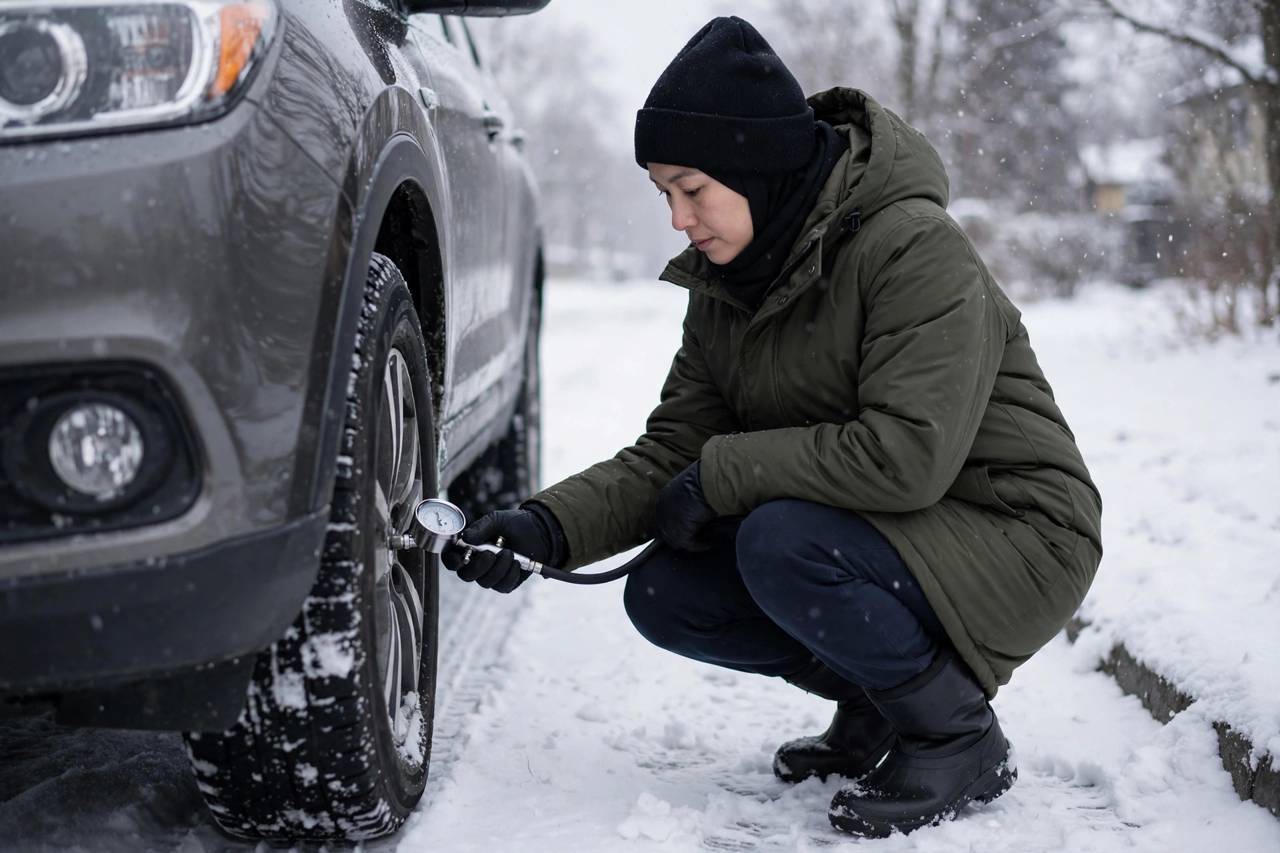
Tires are the only thing connecting your car to an icy road, so this is where winterizing pays the biggest safety dividend. Start with pressure. Cold air contracts, so tire pressure drops roughly one PSI for every ten degrees the temperature falls. Check pressure when the tires are cold — before driving or at least a few hours after — and inflate to the number on the driver’s door jamb sticker, not the maximum printed on the tire sidewall. If you have never done it with a gauge before, our step-by-step on how to check tire pressure with a gauge walks through the whole process.
Next, check tread depth with the coin test: stick a coin upside down into the tread groove, and if you can see the top of the head, the tread is too worn for winter. In milder climates, healthy all-seasons handle light winter duty; where snow and sustained sub-freezing temperatures are normal, dedicated winter tires — whose rubber stays soft in the cold — are the single biggest safety upgrade you can make.
Check the spare too — a winterized car with a flat spare is an incomplete job. Confirm its pressure and that the jack and lug wrench are actually in the car.
3. Swap Fluids: Coolant, Washer Fluid, and Oil
Fluids are the car’s lifeblood, and winter changes the rules for all of them. First, coolant — or antifreeze, same thing. Your cooling system needs the right mix of antifreeze and water (usually about 50/50) to resist freezing. A simple antifreeze tester, the squeeze-bulb kind with floating balls or a dial, tells you the freeze protection level in seconds. If the mixture is weak or the coolant looks rusty and brown, it is time for a flush.
Second, washer fluid. Standard summer washer fluid can freeze in the reservoir and lines, which not only leaves you blind behind a salt-streaked windshield but can crack the plastic reservoir. Switch to a winter formula rated well below your area’s coldest nights, and run the washers for a few seconds after filling to push the new fluid through the lines.
Third, oil: check your manual for the recommended winter viscosity (the “W” number is literally the winter rating) and change it before the deep cold if you are due — old, thick oil makes cold cranking noticeably harder.
4. Inspect Your Brakes — Winter Exposes Weaknesses
Your brakes get a pass in dry weather that they will not get on ice. Worn pads, glazed rotors, or a brake system that pulls to one side becomes a real hazard when traction is scarce. You do not need to be a mechanic to do the basic check: listen for grinding or squealing, notice if the pedal feels soft or the car pulls under braking, and have the pads inspected if you cannot remember the last time anyone looked at them.
If your car has ABS, remember that a pulsing pedal during hard braking on ice is normal, not a malfunction. And in freezing rain, skip the parking brake overnight — cables can freeze engaged; leaving the car in gear or Park is safer.
5. Check Wipers and All Your Lights
Winter driving happens mostly in the dark, often in precipitation. Replace wiper blades that streak or chatter — winter-rated beam blades resist ice buildup better than old-fashioned framed blades. Top up the winter washer fluid you just bought, and check that both front and rear washers (if equipped) actually spray.
Then walk around the car with a helper and check every light: headlights, high beams, brake lights, turn signals, reverse lights, hazards. Cloudy headlight lenses cut light output dramatically; a headlight restoration kit or even a careful polish with toothpaste can make a real difference on older cars. Carry spare bulbs for the headlights if your car uses common types — it is a two-minute roadside fix that beats driving half-lit.
6. Know Your Drivetrain: AWD Helps, but Tires Matter More
A lot of winter confidence comes down to understanding what your drivetrain can and cannot do. All-wheel drive helps you get moving on slick surfaces, but it does nothing to help you stop or turn — that is all tires. If you own an AWD or 4WD vehicle and have never been clear on the difference between the systems, our explainer on AWD vs 4WD breaks it down in plain language.
Practical advice regardless of drivetrain: engage 4WD or snow mode before you need it, not after you are stuck. Practice in an empty parking lot the first time snow falls so you learn how the car behaves at the limit when nothing is at stake. And if you drive a 4WD truck, remember that part-time 4WD should not be used on dry pavement — save it for the slippery stuff.
7. Pack a Winter Emergency Kit
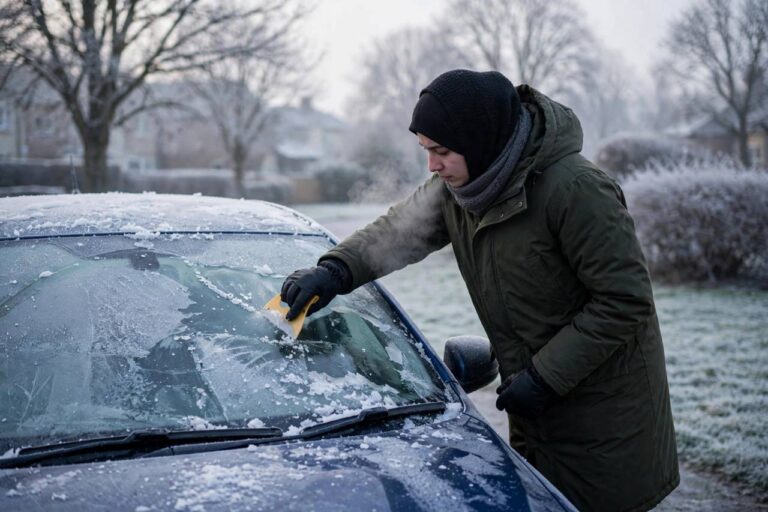
Even a perfectly winterized car can get stuck behind someone else’s accident or slide off a rural road. A winter emergency kit turns a miserable wait into a survivable one. The essentials: a blanket or sleeping bag, warm hat and gloves, a flashlight with fresh batteries, jumper cables or a portable jump pack, a small shovel, a bag of kitty litter or sand for traction, an ice scraper and snow brush, snacks, and water (kept in the cabin, not the trunk, so it does not freeze solid).
Keep a car charger in the car permanently, add a basic first-aid kit, and review the kit each November — it only works if it is complete when you need it.
8. Protect the Exterior: Wash, Wax, and Underbody
Road salt is the enemy of every car body. A thorough wash and a coat of wax before winter gives paint a fighting chance, and the underbody matters even more — salt spray attacks frame rails, brake lines, and fuel lines where you cannot see it. Many car washes offer underbody sprays; use one regularly through the winter, especially after storms.
Wipe silicone lubricant on the rubber door seals so they do not freeze shut, and treat the locks with graphite or lock de-icer before the first freeze.
9. Top Up the Fuel and Check the Exhaust
Keep your tank at least half full through the winter. There are two reasons: condensation forms in empty space inside the tank and can end up in the fuel, and if you get stranded, a full tank means hours of heat. On fuel-injected cars, running near empty also risks starving the fuel pump, which relies on gasoline for cooling.
Glance at the exhaust system too — winter idling plus a leak can push carbon monoxide toward the cabin, especially if snow blocks the tailpipe. If you ever smell exhaust inside, get it checked immediately, and never warm up a car in a closed garage.
10. Test the Heater, Defroster, and Seat Warmers
Test the full HVAC system now: heat on full, defrost, rear defroster, heated mirrors, and seat warmers if equipped. A weak heater often traces back to low coolant or a thermostat stuck open — both easy fixes while the weather is still mild.
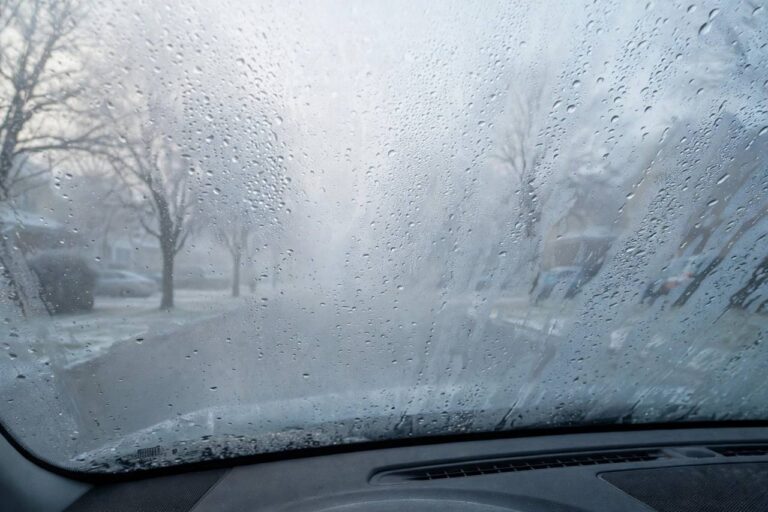
The defroster deserves special attention because it is also your fog fighter. Run the AC with the heat on defrost mode — the air conditioner dehumidifies the air even in winter, which clears interior fog far faster than heat alone. If your windshield fogs constantly, the cabin air filter may be clogged; replacing it is usually a ten-minute job behind the glove box.
11. Mind the Little Things: Floor Mats, Locks, and Fuel Door
Swap carpet floor mats for rubber all-weather mats before the slush season. Salt and melted snow destroy carpet and the floor pan underneath, and rubber mats contain the mess where you can dump it out. This is a five-minute swap that saves real money in interior damage.
12. Plan for the Season: Service Records and a Pre-Winter Inspection
The final step: get a pre-winter inspection if you have any doubts. Many shops offer a seasonal check covering this list for a modest flat fee. Have belts and hoses looked at too — a cracked serpentine belt that survives summer can snap in a cold snap.
Write down what you did — a simple phone note turns next year’s winterizing from a research project into a quick review.
Frequently Asked Questions (FAQ)
When should I winterize my car?
Do it before the first sustained freeze, which for most of the northern US and Canada means sometime in October or November. The battery test, tire check, and fluid swaps are best done in mild weather — nobody wants to change wiper blades with numb fingers in a sleet storm.
How much does it cost to winterize a car?
A DIY winterizing session typically costs the price of a few supplies: winter washer fluid, maybe new wiper blades, and possibly a battery test (usually free at parts stores). A professional pre-winter inspection adds a modest flat fee on top. Either way, it costs far less than one tow and one missed day of work.
Do I really need winter tires, or are all-seasons enough?
It depends on your climate. If your winters are mostly cold and wet with occasional light snow, good all-seasons with full tread are acceptable. If you see regular snow, ice, or weeks of sub-freezing temperatures, dedicated winter tires make a bigger difference than any other single change — more than AWD, more than anything else on this list.
Should I let my car warm up before driving in winter?
Modern cars need only about 30 seconds to a minute of idle warm-up — long enough for oil to circulate. After that, gentle driving warms the engine, transmission, and tires faster than idling ever will. Extended idling wastes fuel and wears the engine.
What should I do if my car will not start on a freezing morning?
First, check the obvious: headlights or interior lights left on, loose battery cables, corroded terminals. Try turning the key with headlights off to reduce load. If it cranks slowly or just clicks, the battery is the prime suspect — a jump start or portable jump pack gets you going, but get the battery tested the same day because it will likely fail again.
Is it bad to wash my car in freezing weather?
Washing is good — salt removal matters all winter — but do it when temperatures are above freezing if possible, dry the door seals and locks afterward, and avoid washing right before an overnight freeze so water does not lock your doors and fuel flap shut.
The Bottom Line
Learning how to winterize your car is really about respecting the season instead of hoping for the best. Battery, tires, and fluids are the big three — get those right and you have eliminated the vast majority of winter breakdowns and close calls. The rest of the checklist turns a car that survives winter into one that handles it comfortably. Spend one Saturday on it now, and February-you will be grateful.