How to Remove Old Wallpaper Easily: 3 Methods

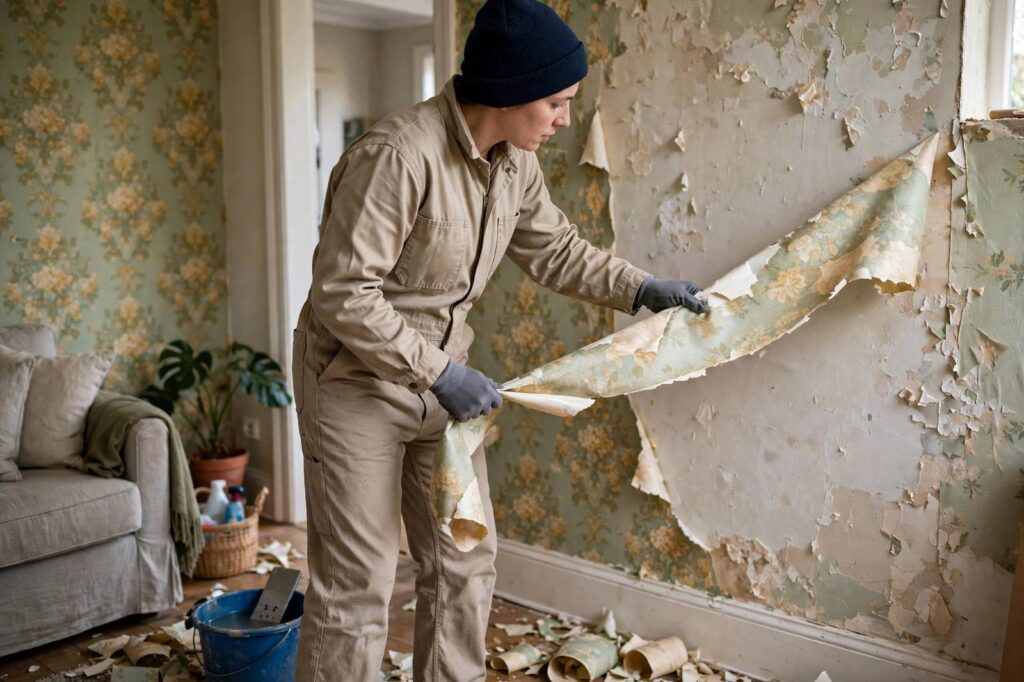
Old wallpaper is one of those projects that looks terrifying and turns out to be mostly patience. I have stripped rooms where the paper practically fell off and rooms where it fought me for every inch, and the difference was always the same: knowing how to remove old wallpaper easily for the type you are dealing with. Use the wrong method and you will gouge your drywall; use the right one and whole sheets peel away like magic.
This guide covers how to identify your wallpaper type, the removal method for each, glue cleanup, and repairing the wall afterward so your paint job looks professional. Set aside a weekend, put on some music, and let us get that wall bare.
Step 1: Identify Your Wallpaper Type
Everything depends on this. Find an inconspicuous corner — behind a door is perfect — and try peeling from the bottom edge.
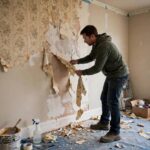
Peelable / strippable wallpaper comes away in full sheets with gentle pulling, leaving little or no backing. Modern wallpapers are often designed this way. If yours does this, congratulations — you have the easy version.
Traditional pasted wallpaper tears into small pieces and leaves a papery backing or paste layer on the wall. This is the most common type in older homes and needs water or steam.
Vinyl-coated wallpaper has a plastic-like surface that repels water. The vinyl face usually peels off in sheets, leaving a paper backing glued to the wall that needs separate treatment.
Also check what is underneath: drywall with paint is forgiving; bare drywall or plaster needs a gentler touch, because aggressive scraping will tear the paper facing right off the drywall.
Prep the Room (Don’t Skip This)
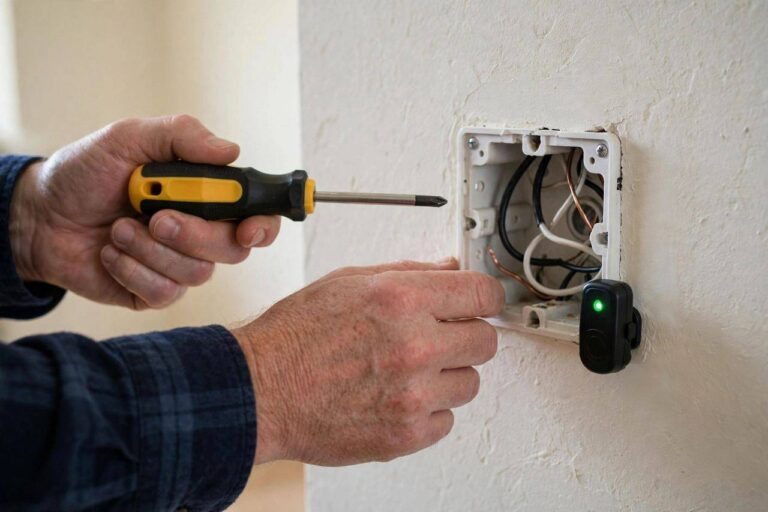
Wallpaper removal is wet, messy work. Move furniture to the center and cover it with drop cloths. Tape plastic sheeting along the baseboards to catch the soggy paper avalanche — and there will be an avalanche. Remove outlet and switch covers (flip the breaker for those circuits first), and keep a trash bag within arm’s reach for the strips.
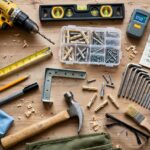
Gather your tools before you start: a spray bottle or pump sprayer, a wallpaper scoring tool, a 3-inch putty knife or wallpaper scraper, sponges, a bucket, and drop cloths. For big jobs, consider renting a wallpaper steamer — it pays for itself in saved hours.
Method 1: Dry Stripping (Peelable Wallpaper)
Start at a bottom corner and pull slowly upward at a low angle, keeping the sheet as wide as possible. Slow and steady wins — yanking tears the sheet into frustrating little pieces. If a section resists, do not force it; switch to the wet method for that area rather than gouging the wall.
Peelable wallpaper sometimes leaves a thin backing layer. That backing usually comes off with the wet method below, so treat it as a second pass rather than a failure.
Method 2: Water and Scoring (Pasted Wallpaper)
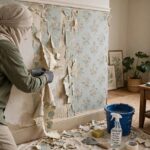
This is the workhorse method. First, score the wallpaper with a scoring tool — light, overlapping circles that perforate the surface without cutting into the wall. The scoring lets water penetrate; without it, water just beads on the surface.
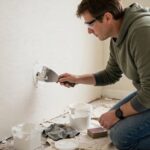
Mix hot water with a squirt of dish soap (or a dedicated wallpaper remover solution) in your sprayer. Soak one manageable section — about a 4-foot-wide area — and wait 10 to 15 minutes. You want the paper saturated and the paste softened, not just damp. Then slide your scraper under an edge and push upward gently. The paper should come off in satisfying sheets. Re-wet stubborn spots rather than scraping harder.
Work in sections around the room. The rhythm is: spray, wait, scrape, move on. Trying to rush the waiting is the number one mistake — the water needs time to dissolve the paste.
Method 3: Steaming (Stubborn or Layered Wallpaper)
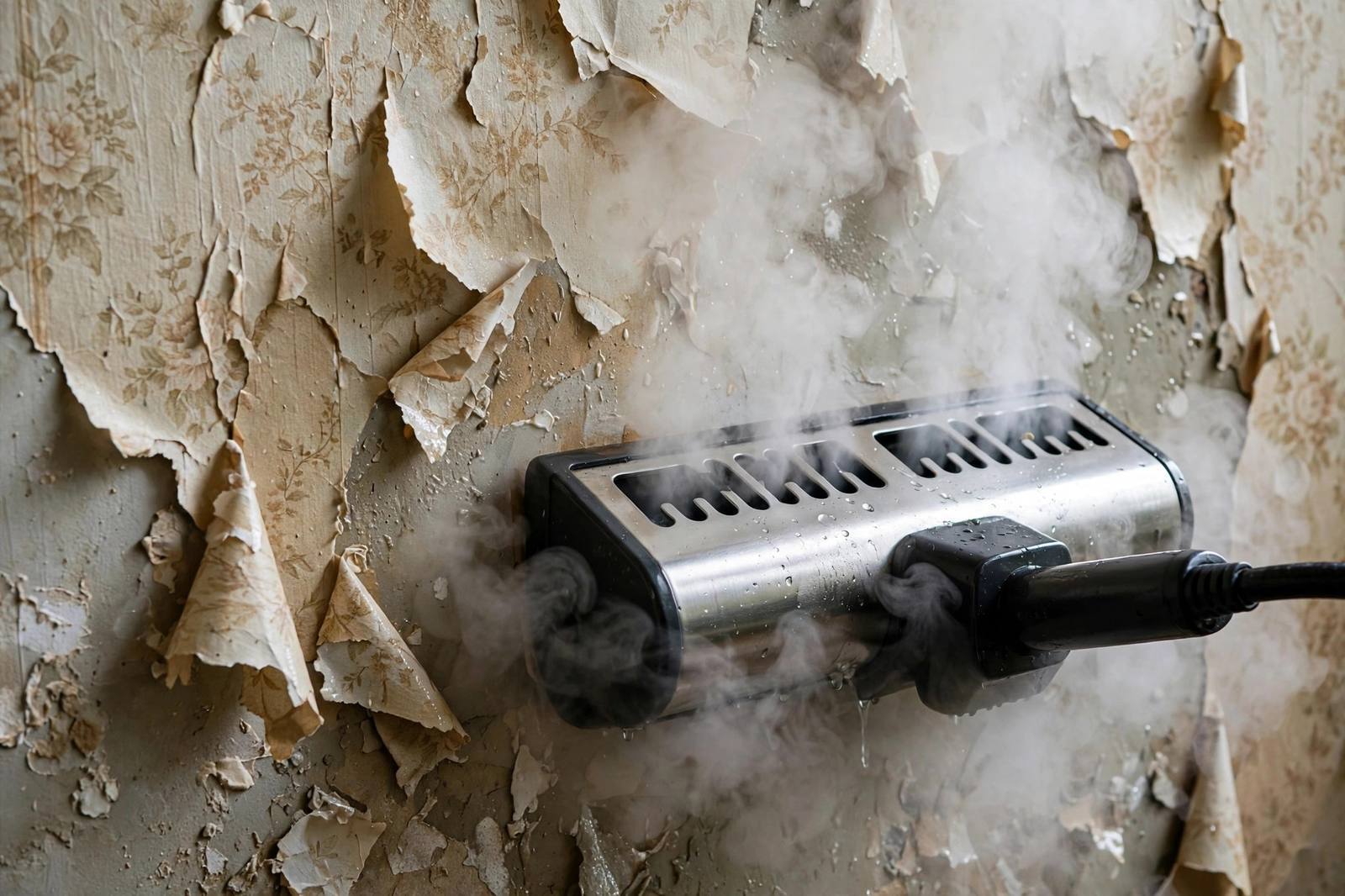
When water is not cutting it — multiple paint-over-wallpaper layers, ancient paste, or vinyl backing that laughs at your sprayer — rent a steamer. Hold the steam plate against the wall for 10 to 15 seconds per section, then scrape immediately while the paste is hot and soft.
Steam is powerful but demands respect: it is genuinely hot, so wear gloves, and do not hold it in one spot too long on drywall or you will soften the drywall itself. Work top to bottom so drips fall on areas you have not done yet. On plaster walls, steam is usually safe; on unpainted drywall, go easy.
Dealing With Vinyl Backing
Vinyl wallpaper usually gives you a two-step job: the vinyl face peels off dry (satisfying), leaving a paper backing glued tight. Treat that backing exactly like pasted wallpaper — score it, soak it, scrape it. Do not try to dry-scrape the backing; it is thin and tears into confetti that takes ten times longer to remove than doing the wet method properly.
Glue Cleanup: The Step Everyone Rushes
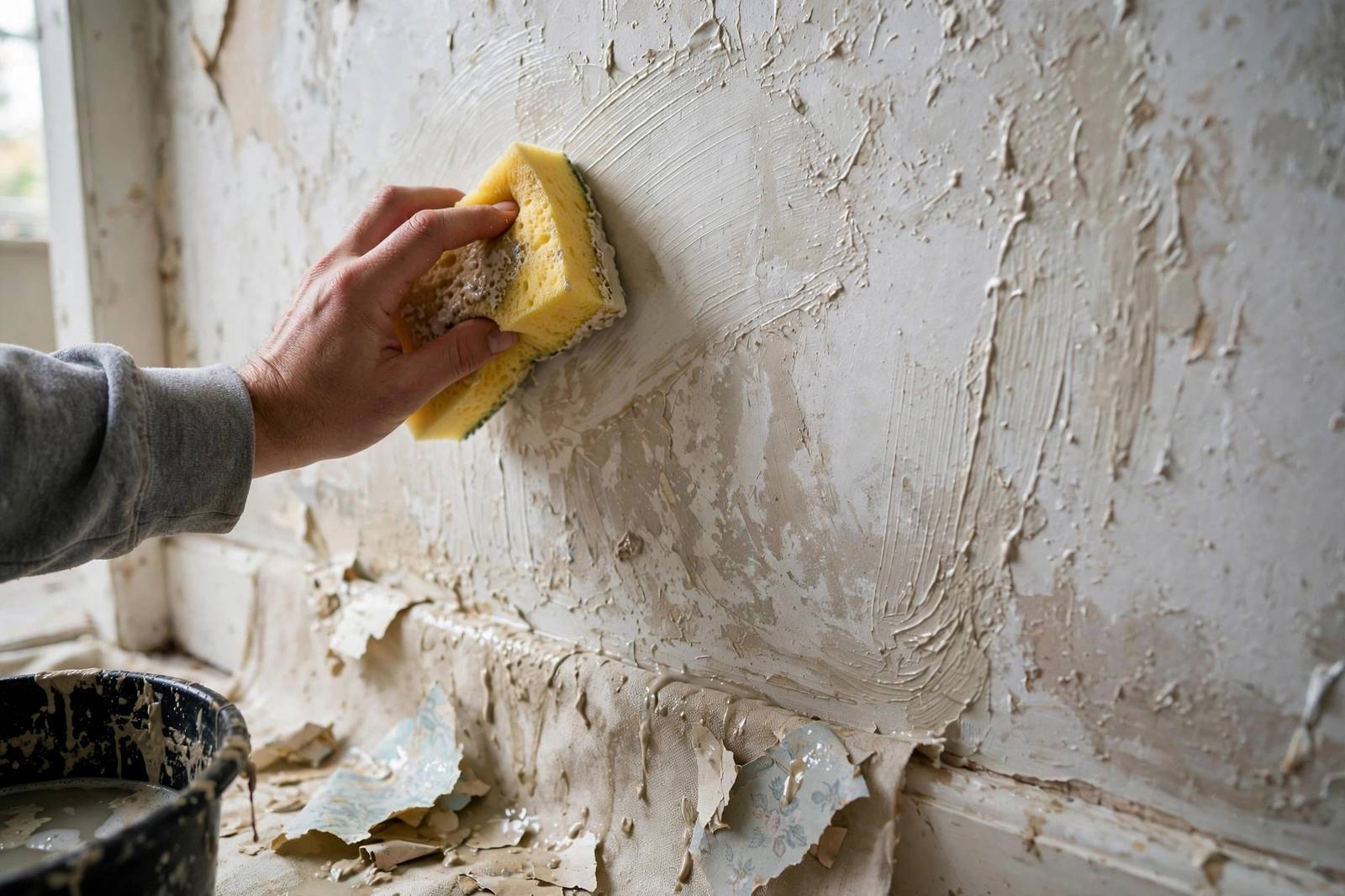
Here is where DIY paint jobs go wrong. Leftover paste under new paint causes bubbling, poor adhesion, and visible texture. After the paper is off, wash the entire wall with hot water and a sponge, changing the water frequently. Add a little dish soap or TSP substitute for stubborn residue.
The test: run your hand over the damp wall. If it feels slimy or slick, there is still paste — keep washing. The wall should feel like clean, slightly rough drywall or plaster. Let it dry completely (24 hours minimum) before priming. Skipping this step is the difference between a paint job that lasts a decade and one that peels in a year.
Repairing the Wall Afterward
Stripping always reveals surprises: gouges from the scraper, torn drywall paper, old patch jobs, nail holes. Fill gouges and holes with lightweight spackle, let it dry, and sand smooth with 120-grit sandpaper. For torn drywall facing (the brown paper showing through), seal it first with an oil-based or shellac primer — water-based primer will bubble the torn paper.
Once repairs are smooth, prime the entire wall. Freshly stripped walls are thirsty and uneven in porosity; primer seals everything to a uniform surface so your paint goes on evenly. Use a quality primer, not paint-and-primer-in-one, for this job. Then paint as normal — two coats, and step back to admire a wall that looks brand new.
How to Remove Old Wallpaper Easily From Painted-Over Layers
Painted-over wallpaper is the final boss of this project — someone sealed the paper under latex paint, and now water cannot reach the paste. Start by scoring aggressively: the scoring tool needs to punch through the paint layer, so make multiple passes in overlapping circles. Then soak longer than usual — 20 to 30 minutes — and expect to work in smaller sections. A steamer earns its rental fee here; heat penetrates paint far better than water alone.
Work patiently in layers: the paint film often peels off first in satisfying sheets, revealing the paper beneath, which you then treat as normal pasted wallpaper. Do not try to take paint and paper together — separating the job into two passes is faster in the end. And manage expectations: a painted-over room takes roughly twice as long as a standard strip. Put on a podcast, settle in, and celebrate each bare section.
Lead Paint Warning for Older Homes
This is the serious part. In homes built before 1978, the paint under or over that wallpaper may contain lead. Disturbing lead paint — scraping, sanding, or steaming it — creates hazardous lead dust, which is especially dangerous for children and pregnant women. Before you start a big stripping project in an older home, test the paint layers with an EPA-recognized lead test kit, available at any hardware store.
If the test is positive, do not DIY the removal. Hire an EPA Lead-Safe certified contractor who has the containment equipment and procedures to do it safely. This is not being overcautious — lead dust is invisible, it settles everywhere, and cleanup requires specialized HEPA equipment. The wallpaper will still be there after the professionals handle it. Your health is worth more than any renovation timeline.
Tools Worth Buying vs Renting
For a one-room job, buy the basics: a scoring tool, a good 3-inch scraper, a pump sprayer, and plenty of drop cloths — all inexpensive and useful for future projects. Rent the wallpaper steamer for a day or weekend rather than buying; a decent steamer costs as much as several days’ rental, and most homeowners use it once. Many hardware stores rent them, and the rental usually includes brief instructions.
One tool worth the small splurge regardless: a sturdy step stool or short stepladder. You will be working at ceiling height for hours, and a wobbly chair is miserable and unsafe. And stock up on trash bags — stripped wallpaper is shockingly voluminous when wet, and you will fill more bags than you expect.
You’ve Got This: A Final Pep Talk
Wallpaper removal has a reputation far worse than the reality. The vast majority of rooms surrender to the score-soak-scrape rhythm within a day, and the satisfaction of seeing bare, clean wall is one of DIY’s great payoffs. The mistakes that cause real trouble — gouging drywall, skipping glue cleanup, ignoring possible lead paint — are all avoidable with the patience this guide describes. Take your time, work in sections, and remember that every professional painter started exactly where you are now: staring at a wall, sprayer in hand, wondering how bad it could be. It is not that bad. Go strip something.
Frequently Asked Questions
What is the easiest way to remove old wallpaper?
Test a corner first — peelable wallpaper strips off dry in sheets. For pasted types, score the surface, soak with hot soapy water, wait 15 minutes, and scrape. Steam handles the truly stubborn cases.
Can I paint over wallpaper instead of removing it?
You can, but it is a compromise: seams may show through, and any loose sections will bubble under the paint. If the wallpaper is firmly adhered and in good condition, prime with oil-based primer first. Removal gives the better long-term result.
How do I remove wallpaper glue from walls?
Wash with hot water and a sponge (plus dish soap for stubborn areas), changing water often. The wall should feel clean, not slimy, when damp. This step is essential before priming and painting.
Will removing wallpaper damage drywall?
It can if you scrape aggressively or over-steam unpainted drywall. Score lightly, keep the scraper at a low angle, and seal any torn drywall paper with shellac primer before painting.
How long does it take to remove wallpaper from a room?
A standard bedroom typically takes a full day for stripping plus another day for glue cleanup, repairs, and priming. Peelable wallpaper can cut that in half; layered or painted-over paper can double it.