What Is a Battle Pass and Is It Worth It? The Honest Math

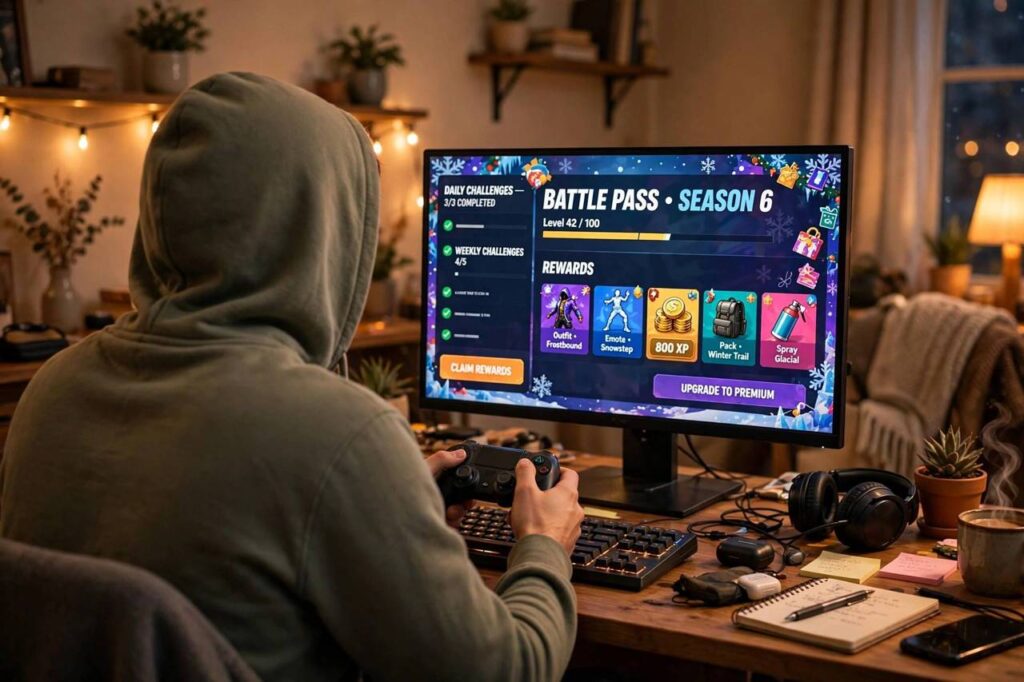
If you’ve played any big multiplayer game in the last few years, you’ve seen the prompt: buy the battle pass. But what is a battle pass and is it worth it? At its core, a battle pass is a seasonal progression system — you pay (usually around $10) for a track of 50 to 100 reward tiers, then unlock those rewards by playing the game and earning XP during that season. I’ve bought more battle passes than I care to admit across shooters, battle royales, and card games, and I’ve also skipped plenty. The honest answer to “worth it” isn’t yes or no. It’s math: how much you play, what the rewards are, and whether you’ll actually finish the thing.
The model took over gaming for a reason. Developers get steady revenue between releases; players get a reason to log in every day. But the pass only pays off if you engage with it on its terms — which is exactly what the design wants.
How Battle Passes Actually Work: Tiers, Seasons, and Tracks
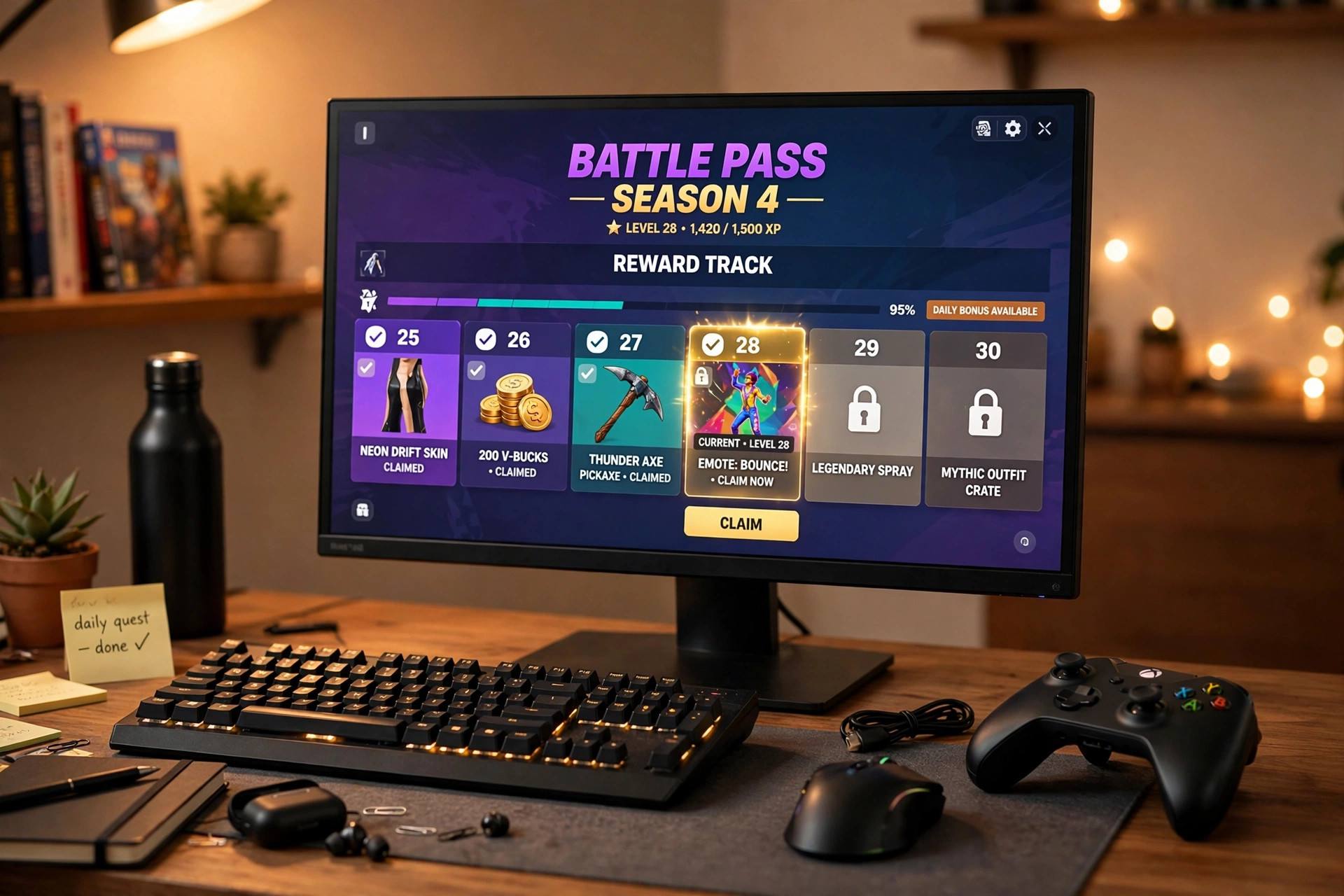
Every battle pass runs on the same skeleton. A season lasts roughly 8–12 weeks. During that window, playing the game earns XP that advances you through tiers — usually 50 to 100 of them — each unlocking a reward: skins, emotes, weapon blueprints, in-game currency, loading screens. Reach the final tier and you’ve “completed” the pass.
Most games split this into two tracks. The free track gives everyone a handful of rewards just for playing — enough to taste the system. The paid track (the actual battle pass purchase) unlocks the full reward line, and it’s almost always where the desirable cosmetics live. Some games add a third, pricier tier — often called “bundle” or “plus” — that instantly grants the first 20–25 tiers for players who’d rather pay than grind.
The critical detail: rewards are almost always time-limited. When the season ends, unclaimed tiers vanish. That expiring clock is the entire psychological engine of the system — more on that below.
The Worth-It Math: Play Hours vs. Pass Price
Here’s how I actually decide. A standard pass costs about $10 and contains rewards the developer values at far more (they’ll often advertise “$150+ value,” which is marketing, but the cosmetics would genuinely cost more bought individually). The question is whether you’ll unlock enough tiers to beat the price.
Do this quick calculation:
- Hours per week you actually play: Be honest. Not “plan to play” — actually play.
- Tiers per hour: Most passes are tuned so a regular player hits max tier with roughly 60–100 hours per season, or about 1–1.5 hours a day. Casual players (3–5 hours a week) typically land around tier 30–50.
- Where the good stuff sits: Check the tier list before buying. If the skins you want are at tiers 70+, and you’ll realistically hit tier 40, you’re paying $10 for rewards you won’t reach.
- Currency payback: Many passes include enough premium currency to buy the next season’s pass. If you complete passes consistently, one $10 purchase can fund every future season — the single best value proposition in the system.
My rule of thumb: if you play at least 5+ hours a week and will finish past tier 60, the pass is almost always worth it — the currency payback alone makes it self-sustaining. If you play 1–2 hours a week, skip it; you’ll pay $10 for a handful of low-tier rewards and the nagging feeling of an unfinished track.
The Psychology: Why Passes Feel Mandatory
Battle passes are engineered with some of the most effective engagement design in gaming. Loss aversion: paid-for but unclaimed rewards feel like losing money, which pushes daily logins. Sunk cost: once you’ve bought the pass, skipping a day feels wasteful. Variable rewards: not knowing exactly what’s at the next tier keeps you playing “just one more level.” And social proof: everyone in the lobby is wearing this season’s skins, which makes the default free-track look feel shabby.
None of this is accidental, and recognizing it doesn’t mean you can’t enjoy the system — I do. It just means buying with open eyes. The pass is a commitment device disguised as a deal. If you were going to play anyway, it’s a great deal. If the pass is the reason you’re playing, the game is playing you. For context on where the industry is heading, see how cloud gaming works — and how video games are made explains why live-service models like the battle pass took over.
Free vs. Paid: What’s Actually Behind the Paywall
The free track is deliberately thin — a few sprays, a loading screen, maybe one decent skin near the end. It’s a demo, not a product. The paid track holds the headline cosmetics, the premium currency, and usually XP boosts that speed up progression. One thing worth knowing: battle passes are overwhelmingly cosmetic-only. Unlike the old loot-box era, you’re not buying power — just looks. That’s a genuine improvement, and it’s why the “is it worth it” question is about entertainment value per dollar rather than competitive advantage.
When to Skip the Pass (No Shame)
Skip it when: you play casually (under ~4 hours a week); the season’s theme doesn’t excite you; you’re joining late with less than a month left; the rewards are mostly filler you’d never equip; or you’re buying it out of FOMO rather than genuine desire. I’ve skipped passes in games I love because the season’s aesthetic wasn’t mine — zero regrets. The next season always comes.
What Is a Battle Pass and Is It Worth It for Casual Players?
Let’s talk specifically about the casual case, because that’s where most regret lives. If you play two or three hours a week, you’ll likely land around tier 30–40 of a 100-tier pass. What do you actually get for your $10? The early tiers are deliberately front-loaded with decent rewards to hook buyers — you’ll get a skin or two, some currency, a few cosmetics. The premium currency alone might cover half the next pass. It’s not terrible value.
But here’s the honest casual-player test: would you pay $10 for just those early-tier rewards, knowing you’ll never see tiers 60–100? If yes — if there’s a specific skin at tier 25 you love — buy it guilt-free. If you’re buying because “everyone has the pass” and you’ll feel left out, that’s FOMO, not value. The free track exists precisely for casual players; it’s thin, but it’s honest about what it is. There’s no shame in the free track — some of my favorite cosmetics came from free tiers.
One more casual consideration: season timing. Buying the pass in week one when you’ll play casually all season beats buying it in week eight and grinding. Late buyers get the worst of both worlds — full price, half the time. If you’re on the fence, wait a week, check the tier list, and decide with information instead of impulse.
Battle Pass vs. Loot Boxes: Why the Industry Switched
The battle pass didn’t appear from nowhere — it replaced the loot box, and the reasons matter. Loot boxes (randomized paid rewards) generated enormous revenue and enormous backlash: gambling regulators in multiple countries investigated them, players hated the randomness, and the “surprise mechanics” defense became a meme. The industry needed a monetization model that kept the money flowing without the controversy.
The battle pass was the answer: transparent (you see every reward before buying), effort-gated rather than luck-gated, and cosmetic-only in most implementations. Players accepted it because it felt fair — you get what you earn. Developers loved it because it drove engagement, not just spending: the pass makes you log in daily, which keeps the player base healthy, which sells more passes. It aligned incentives instead of exploiting them.
That’s worth remembering when evaluating any pass: it was designed as the ethical alternative. It’s not perfect — the FOMO engineering is real — but compared to paying for randomized boxes, knowing exactly what your $10 buys is genuine progress. The industry moved from gambling mechanics to a season ticket. I’ll take the season ticket.
The One Battle Pass Rule I Give Friends
After years of buying and skipping these, my advice fits in one sentence: never buy a battle pass before checking the full tier list against your honest weekly hours. Every regret I’ve had — and every regret I’ve heard — came from buying on hype and discovering the good stuff sat twenty tiers past my realistic finish line.
Make it a ritual: season launches, open the tier list, find the rewards you actually want, estimate your finish tier from last season’s playtime, and only buy if the two overlap. Two minutes of arithmetic beats $10 of FOMO every time. The pass will still be there tomorrow — but the hype won’t, which is exactly when you should decide.
Frequently Asked Questions
What is a battle pass in simple terms?
A battle pass is a seasonal reward system in a video game: you pay around $10 for a track of 50–100 reward tiers, then unlock cosmetics and currency by earning XP through gameplay during that season (usually 8–12 weeks).
Is a battle pass worth it?
It depends on playtime. If you play 5+ hours a week and will reach high tiers, yes — especially since many passes refund enough premium currency to buy the next season. Casual players who won’t finish the track usually get poor value.
Do you keep battle pass rewards forever?
Yes — anything you unlock is yours permanently. But unclaimed tiers expire when the season ends, so rewards you didn’t reach are gone for good.
What’s the difference between free and paid battle pass?
The free track gives all players a small set of basic rewards. The paid pass (around $10) unlocks the full 50–100 tier reward line with the premium cosmetics, plus usually XP boosts and enough currency to fund the next season’s pass.
Are battle passes pay-to-win?
Overwhelmingly, no. Modern battle passes sell cosmetics — skins, emotes, sprays — not power or competitive advantages. You’re buying looks, which is why the value question is about entertainment per dollar.
Can you buy battle pass tiers instead of grinding?
Most games let you purchase individual tiers or a bundle that skips the first 20–25. It’s the worst value in the system per dollar, but it’s there for players with more money than time.
So what is a battle pass, and is it worth it? It’s the best deal in gaming for regular players and a $10 regret for casual ones. Check the tier list, do the hours math honestly, and buy it because you want the stuff — not because the countdown timer told you to.