How to Keep Lettuce Fresh Longer in Fridge: Per-Type Guide

If you have ever opened the crisper drawer to find your lettuce transformed into a sad, slimy science experiment, you are not alone — and yes, I have absolutely been the person who buys lettuce with big salad plans and throws half of it away. This guide to how to keep lettuce fresh longer in fridge storage is everything I wish I had known years ago: I went from replacing lettuce twice a week to buying it once and actually using it all. The secret is not one trick; it is matching the storage method to the type of lettuce, because romaine, iceberg, butterhead and spring mix are genuinely different foods with different needs.
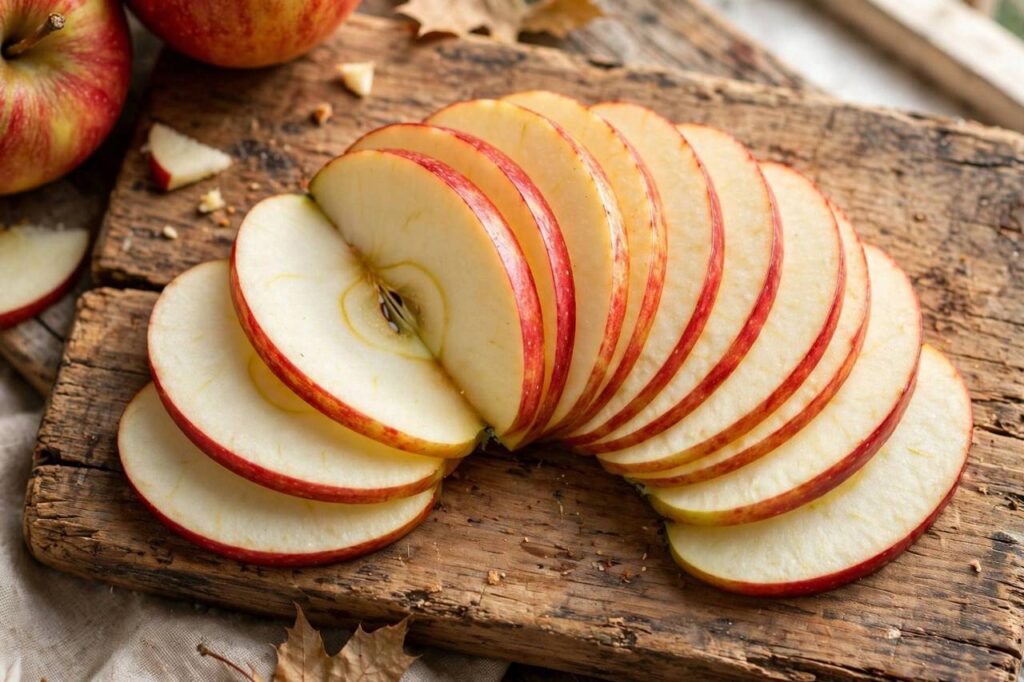
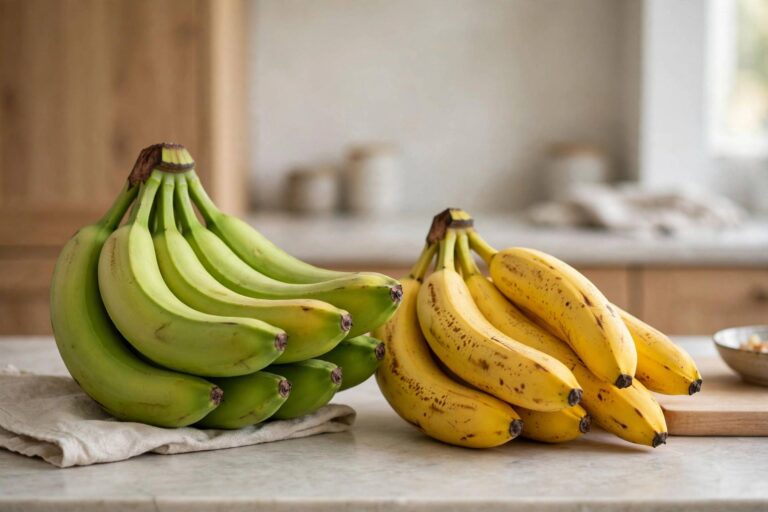
The enemy, in every case, is the same trio: moisture on the leaves (which breeds the bacteria behind slime), ethylene gas (released by ripening fruits like apples and bananas, which accelerates decay), and physical damage (bruised leaves rot first and spread it to their neighbors). Every method below is just a different way of managing those three. Get them right and most lettuce lasts 7 to 14 days — some types even longer.
How to Keep Lettuce Fresh Longer in Fridge: Per-Type Storage Guide
Romaine hearts
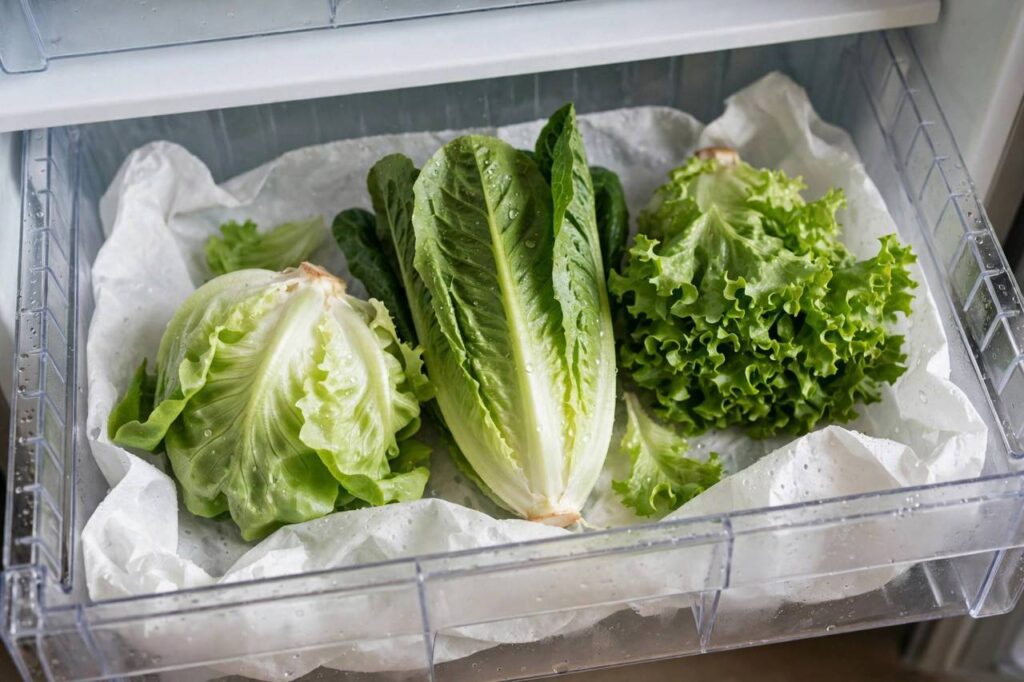
Romaine is the marathon runner of lettuces — sturdy, forgiving, and capable of lasting 10 to 14 days with proper storage. Keep the heart intact (do not chop until you are ready to use it), wrap it loosely in a dry paper towel or clean kitchen towel, and place it in a loosely closed bag or container in the crisper drawer. The towel absorbs surface moisture; the loose bag maintains humidity without trapping water. Check the towel every few days and replace it if it gets damp — a wet towel is worse than no towel.
Iceberg
Iceberg’s tight head is its own storage system, which is why it outlasts everything — two to three weeks is realistic. Store the whole head unwashed in the crisper, ideally in a loose bag. Do not remove the outer leaves until use; they are sacrificial protection for the crisp heart inside. Once cut, wrap the cut face tightly in plastic wrap or a damp (not wet) towel and use within a few days — the cut surface browns and softens fast.
Butterhead / Boston / Bibb
The delicate one. Butter lettuce bruises if you look at it wrong, and bruises become slime. Store the whole head in a container lined with a dry paper towel, leaves arranged loosely — never packed tight. 7 to 10 days is a good run. Handle it as little as possible; every touch is a future brown spot. If it comes in the plastic clamshell with roots attached, keep it in there — the roots keep it alive longer, and you can even set the root end in a shallow dish of water in the fridge for an extra few days.
Spring mix and loose leafy greens
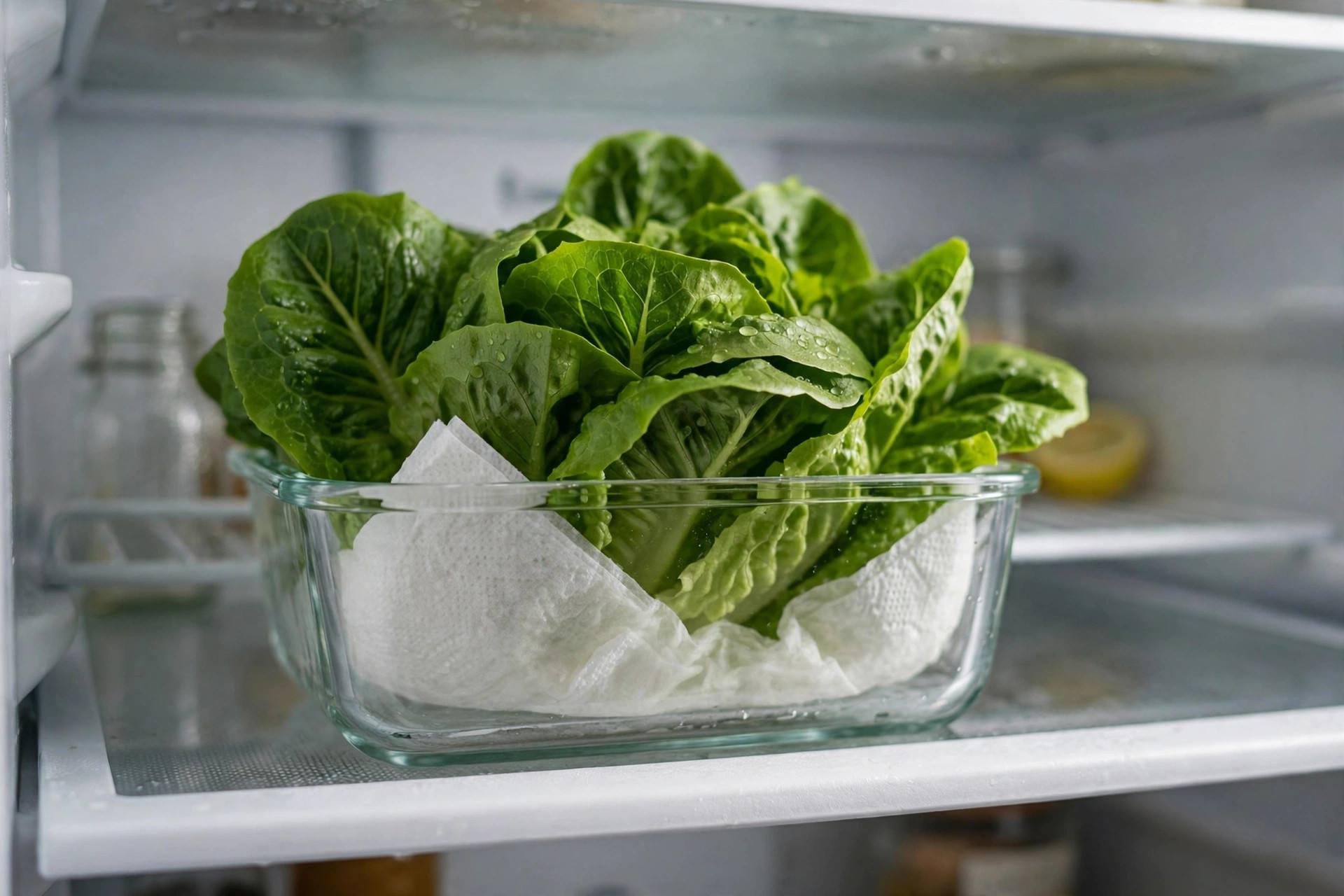
The sprinters — 5 to 7 days at best, because every leaf is a cut surface. Line a hard-sided container (not a bag, which crushes) with paper towels, spread the greens in loose layers with a towel between layers if the container is deep, and seal with the lid slightly vented or a loose cover. The hard container prevents bruising; the towels wick the moisture that bags would trap against the leaves. This is the single biggest upgrade most people can make: getting spring mix out of its bag and into a towel-lined container.
Arugula and other peppery greens
Same treatment as spring mix, but expect a shorter window — 3 to 5 days. Arugula’s thin leaves and high water content make it the first green to go. Buy it last, use it first, and do not wash until the moment of use.

The Rules That Apply to Every Type
Do not wash before storing. This is the rule people resist most, and it matters most. Water on leaves — even a little — is the primary driver of sliminess. Wash right before eating, not before storing. If your lettuce comes visibly dirty or gritty, you can rinse and then dry it completely — salad spinner, then towels — before it goes back in the fridge. Damp is the enemy; dry is the goal.
Keep lettuce away from ethylene producers. Apples, bananas, pears, avocados, tomatoes and onions release ethylene gas that speeds up decay in leafy greens. Store lettuce in the crisper drawer and fruit elsewhere — this is literally what the drawer’s humidity control is for. If your fridge has a high-humidity drawer setting, use it for greens.
Remove damaged leaves immediately. One slimy leaf is Patient Zero. Check your stored lettuce every couple of days and pull anything turning — it is a thirty-second habit that can add days to the batch’s life. Rot spreads leaf to leaf through contact, so quarantine works.
Keep the fridge cold enough. Lettuce wants 32–36°F (0–2°C) — the crisper drawer in a properly set fridge. If your fridge runs warm, everything I have described here underperforms. A five-dollar fridge thermometer is the most underrated kitchen tool I own.
Myth-Busting the TikTok Water Bath
You have probably seen the viral claim: submerge lettuce in water in the fridge and it stays crisp for a month. I tested it, because of course I did. Here is the honest verdict.
The water bath does revive wilted lettuce — a 15-minute soak in ice water crisps up limp leaves impressively, because the cells rehydrate. That part is real, and it is a great rescue trick for lettuce that is wilted but not slimy.
But as long-term storage, it is a bad trade. Leaves sitting in water for days develop exactly the bacterial slime you are trying to avoid — water is the enemy of stored lettuce, remember? My test batch in water looked fine on day three, questionable on day five, and was a science experiment by day seven. The “month-long” claim does not survive contact with reality, or with microbiology.
The verdict: ice-water soak as a rescue for wilted-but-fresh lettuce — yes, brilliant. Water bath as storage — no. The paper-towel-and-container method outperformed it in every test I ran, with none of the slime risk.
Buying and Prepping for Maximum Life
Storage starts at the store. Choose heads that feel heavy for their size, with crisp outer leaves and no browning at the stem end. Avoid bags of spring mix with visible moisture inside or leaves already turning — you are buying someone else’s countdown. And check dates, but trust your eyes more: a “fresh” date means nothing if the bag sat in a warm stockroom.
At home, do the prep once: wash only what you will use in the next day or two, spin it truly dry (a salad spinner is worth every penny — air-dried is not dry), and store the rest using the per-type method above. Fifteen minutes of proper put-away after grocery shopping saves you from the mid-week slimy discovery and the replacement trip. I started treating lettuce put-away as part of grocery shopping rather than a separate chore, and my waste dropped to nearly zero.
Reviving Wilted Lettuce: The Ice Bath Rescue
Before we finish, the rescue technique every lettuce owner should know — because sometimes the lettuce is wilted but not yet slimy, and throwing it out would be a waste. Fill a large bowl with ice water, submerge the limp leaves or the whole head for 15 to 30 minutes, then spin or pat completely dry. The cold water rehydrates the cells, and the difference is genuinely dramatic: leaves that flopped over the bowl’s edge stand up crisp again. This works because wilting is usually water loss, not decay — the structure is intact, just deflated.
Know the limits: the ice bath rescues wilted lettuce, not rotting lettuce. If leaves are slimy, translucent, or smell off, no amount of ice water saves them — that is bacterial breakdown, and it is a food safety issue, not a texture issue. The test is simple: limp and dull but otherwise normal-looking goes in the bath; slimy or foul-smelling goes in the compost. And after the rescue, treat the revived lettuce as short-lived — use it within a day or two, since rehydration does not reset the decay clock, it just pauses the appearance of it.
One more rescue-adjacent trick: the stem trim. For romaine hearts and whole heads wilting from the base, trim a thin slice off the stem end and stand the lettuce in a shallow dish of cold water in the fridge for a few hours, like flowers in a vase. The cut stem draws water up into the leaves. It looks odd and works surprisingly well — a favorite of restaurant kitchens, where lettuce volume makes waste expensive.
Frequently Asked Questions
How long does lettuce last in the fridge?
It depends on the type: iceberg 2–3 weeks, romaine 10–14 days, butterhead 7–10 days, spring mix 5–7 days, arugula 3–5 days. Proper storage (dry, cold, protected from ethylene) is what gets you to the top of each range.
Should you wash lettuce before storing it?
No — wash right before eating. Moisture on stored leaves accelerates the bacterial growth that causes sliminess. If you must rinse gritty lettuce, dry it completely with a salad spinner and towels before refrigerating.
Does wrapping lettuce in paper towels really help?
Yes. The towel absorbs surface moisture that would otherwise sit on the leaves and breed bacteria. Replace the towel if it becomes damp — a saturated towel reverses the benefit.
Why does my lettuce get slimy so fast?
The usual culprits: stored wet, stored too warm, packed with ethylene-producing fruit, or bruised leaves left in the batch spreading decay. Fix those four and slime becomes rare.
Can you freeze lettuce?
Technically yes, practically no — thawed lettuce is limp and watery, suitable only for cooking into soups where texture does not matter. For salads and fresh eating, proper refrigeration is the answer, not the freezer.
The Bottom Line
How to keep lettuce fresh longer in the fridge: match the method to the type, keep it dry and cold, separate it from fruit, pull damaged leaves early — and skip the viral water bath as storage (save it for rescues). Do this and your lettuce lasts days longer, your salads stay crisp, and the crisper drawer stops being a vegetable graveyard.