What Is Athleisure Style? How to Wear It Without Looking Sloppy

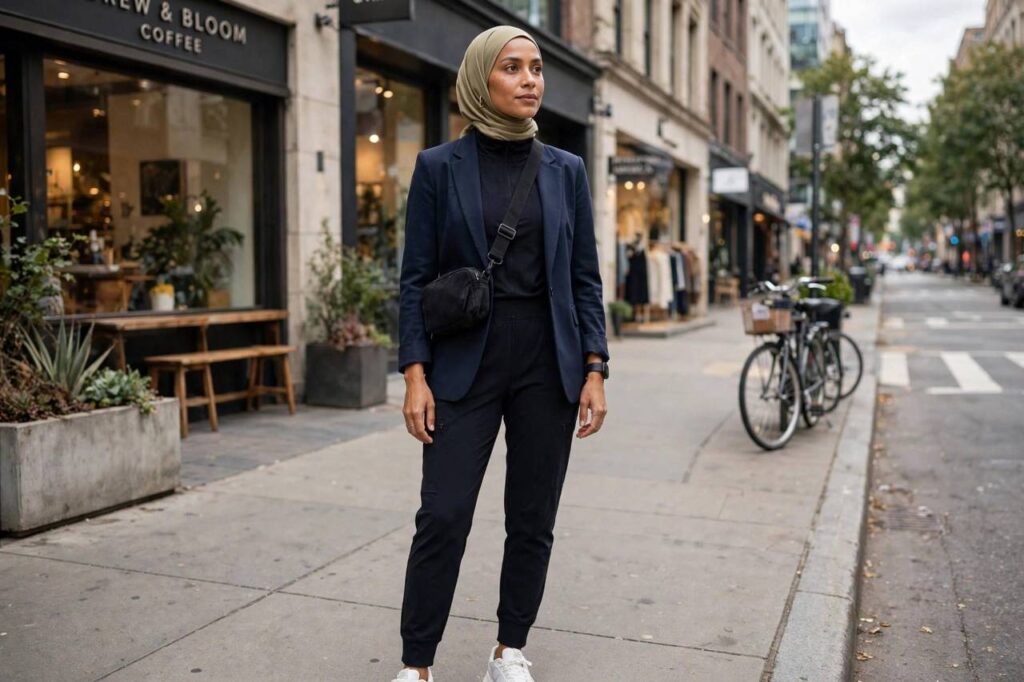
So what is athleisure style, really? Strip away the marketing and it is simple: athletic clothing worn as everyday fashion, designed to look intentional rather than like you gave up. Leggings with a structured blazer. Clean sneakers with tailored trousers. A zip-up that reads “polished” instead of “post-gym.” It is the uniform of modern life — and like any uniform, there is a right way to wear it and a way that just looks like pajamas with better PR.
I am going to give you the no-brand-sales-pitch version: what athleisure actually is, where the line sits between stylish and sloppy, and how it differs from its two confusing cousins, activewear and loungewear. Because once you understand the distinctions, getting dressed in the morning gets much easier.
What Is Athleisure Style, Exactly?
Athleisure is clothing engineered for movement — stretch fabrics, ergonomic cuts, moisture management — styled for non-athletic life: errands, travel, casual offices, coffee with friends. The key word is styled. A pair of leggings is activewear; leggings with a longline coat, leather sneakers, and gold hoops is athleisure. Same garment, different intention.
The trend did not appear from nowhere. Two things collided: fabric technology got good enough that performance materials looked sleek instead of shiny, and dress codes collapsed — first in tech offices, then everywhere. When “business casual” died, something had to fill the gap between jeans and suits. Athleisure filled it because it solved a real problem: looking put-together while being comfortable enough to actually live your day.
It is worth saying plainly: athleisure is not going anywhere. It has survived a decade of trend cycles because it is functional, not just fashionable. The specific silhouettes evolve — bike shorts had their moment, wide-leg track pants are having theirs — but the category is permanent now.
Athleisure vs Activewear vs Loungewear
People use these interchangeably and they are not interchangeable. The distinction matters because each one has different rules:
- Activewear is built for the workout itself: maximum performance, minimum concern for how it photographs. Think compression tops, neon running shoes, gym-specific cuts. Wearing head-to-toe activewear to brunch is what gives athleisure its sloppy reputation — it signals “I am dressed for the gym” in a non-gym context.
- Athleisure borrows activewear’s fabrics and comfort but applies fashion’s rules: silhouette, proportion, intentional styling. The pieces could survive a workout, but they are chosen for how they look. This is the category we are dressing in.
- Loungewear is built for the couch: maximum softness, zero structure. Oversized sweat sets, fuzzy socks, anything with “cozy” in the product name. Loungewear leaves the house only for emergencies. If your outfit could double as bedding, it is loungewear, not athleisure.
The one-sentence test: activewear performs, loungewear comforts, athleisure presents. If someone could mistake your outfit for any of the other two categories, adjust.
How to Wear Athleisure Without Looking Sloppy
This is the real question, and it comes down to five rules I give every client:
1. One polished piece minimum
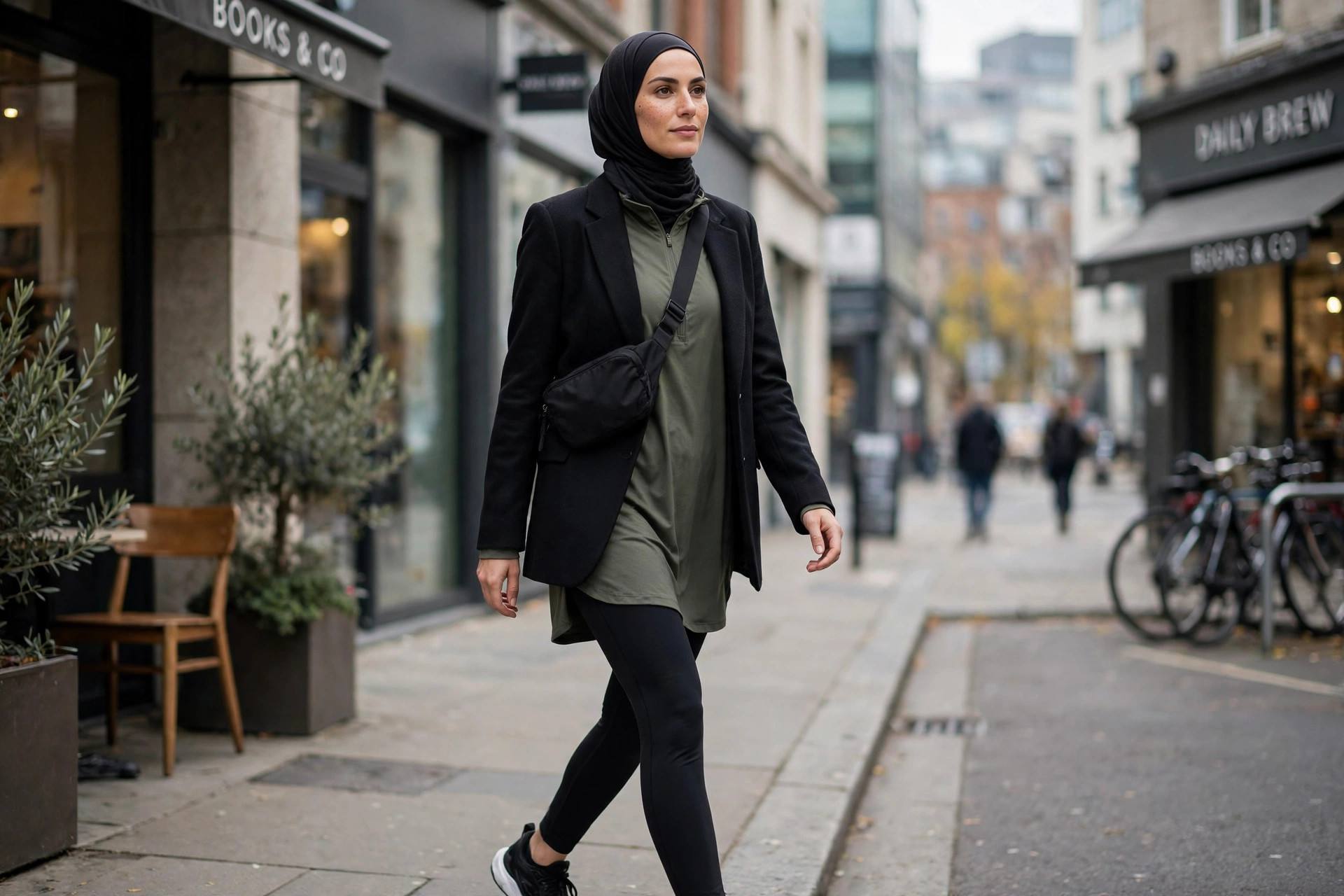
Every athleisure outfit needs an anchor that says “I chose this.” A structured blazer over leggings. A crisp white sneaker instead of a beat-up trainer. A real handbag instead of a gym duffel. One elevated piece upgrades the entire outfit from “errands” to “effortlessly chic.”
2. Fit is everything
Athleisure lives or dies on fit. Leggings should be opaque and smooth — if they are sheer when you bend, they are done. Tops should skim, not cling or drown. The sloppy look people fear is almost always just bad fit: baggy in the wrong places, stretched out, or sized wrong. When in doubt, size for a clean line.
3. Keep the palette intentional
Black, navy, gray, white, olive — a tight neutral palette reads sophisticated; a riot of neon performance colors reads gym. You do not need to dress like a shadow, but limiting brights to one accent keeps the outfit coherent.
4. Shoes make or break it
Footwear is the fastest signal in the outfit. Clean, minimal sneakers elevate; chunky, scuffed trainers drag it down. White leather sneakers are the athleisure workhorse for a reason — they bridge sporty and polished like nothing else.
5. Grooming counts double
Unfair but true: casual clothes get judged alongside your grooming. Neat hair, simple accessories, clean nails — the small signals of intention. Athleisure with polished grooming reads “model off duty.” The same outfit with bedhead reads “did not try.”
Building an Athleisure Wardrobe That Lasts
You do not need much. A genuinely functional athleisure wardrobe is maybe a dozen pieces: two pairs of quality leggings or joggers in dark neutrals, three elevated tops (not gym tees — think refined knits and clean silhouettes), one structured layer (blazer or sharp zip-up), one pair of white sneakers, one pair of sleek trainers. That is it. Everything mixes, everything works.
Where to invest: leggings and shoes. Cheap leggings go sheer and pill within months; quality ones last years. Cheap sneakers look cheap immediately. Save on the tops and layers — a well-cut basic from anywhere looks fine.
And a word on trends within the category: bike shorts, matching sets, wide-leg track pants — enjoy them, but build your base from classics first. The matching set is fun for a season; the black legging and white sneaker work every day for years. A capsule wardrobe approach applies perfectly here: fewer, better pieces that all work together.
5 Athleisure Mistakes That Make It Look Sloppy
Knowing what athleisure is matters less than knowing where it goes wrong. These are the five mistakes I see constantly — each one is the difference between “effortlessly polished” and “did she just leave the gym”:
Mistake 1: Gym shoes with everything. Performance running shoes — the neon, chunky, maximalist kind — anchor every outfit to the treadmill. They are engineered for running, not for looking good with trousers. Swap them for clean minimal sneakers and the exact same outfit transforms. Footwear is the highest-leverage change in athleisure; get this right and half the battle is won.
Mistake 2: All black, all loose, all the time. Head-to-toe black athleisure in oversized cuts does not read sleek — it reads uniform, and not in a good way. The fix is proportion play: if the bottom is relaxed (wide-leg track pants), keep the top fitted or cropped. If the top is oversized, keep the bottom streamlined. One relaxed piece per outfit, not three. Contrast creates the silhouette; sameness erases it.
Mistake 3: Wearing actual gym clothes as athleisure. That free marathon t-shirt, the promotional 5K cap, the leggings with the gym logo — these are activewear, and wearing them socially is what gives athleisure its sloppy reputation. Athleisure pieces should look like they were chosen, not accumulated. Retire the race tees to actual workouts.
Mistake 4: Ignoring fabric condition. Pilling, thinning, stretched-out elastic, faded black turned gray — athleisure shows wear faster than structured clothing because there is no tailoring to hide behind. Inspect your pieces in daylight twice a year and retire ruthlessly. A $30 legging replaced annually looks infinitely better than a $100 legging on year four.
Mistake 5: Forgetting the third piece. Two-piece athleisure outfits (leggings + top) often look unfinished because they lack structure. Add a third piece — blazer, overshirt, longline coat, sharp zip-up — and the outfit gains instant intention. The third piece is the difference between “clothes” and “an outfit.” It is the oldest styling trick in fashion, and it works as well on athleisure as on anything else.
Avoid these five and you have solved 90% of what makes athleisure look sloppy. The category is forgiving — comfortable, practical, modern — but it rewards the same thing all style rewards: intention, visible in the details.
Frequently Asked Questions
Is athleisure appropriate for the office?
It depends entirely on the office. In casual and creative workplaces, polished athleisure — dark joggers, refined knit top, blazer — is completely normal now. In formal or client-facing environments, no. When uncertain, dress one level up from what you think the room expects; you can always relax later.
What is the difference between athleisure and sportswear?
Sportswear is the broader historical category — any clothing inspired by sports, including preppy tennis skirts and varsity jackets. Athleisure is specifically the modern fusion of performance athletic wear with everyday fashion. All athleisure is arguably sportswear, but not all sportswear is athleisure.
Can you wear athleisure if you don’t work out?
Obviously yes — most people wearing it are not heading to the gym. Athleisure long ago stopped being about actual athletics. Nobody questions whether your blazer means you are heading to a board meeting; extend the same logic to leggings.
How do I keep leggings from looking cheap?
Three things: opacity (do the bend test before buying), a high rise (it smooths the silhouette), and matte fabric (shine reads cheap and dated). Wash cold, skip the dryer, and retire pairs the moment they pill or thin. A thirty-dollar legging replaced yearly looks better than a hundred-dollar legging worn for five.
Is athleisure still in style?
Yes — it has moved from trend to staple. What changes is the silhouette: skinny leggings and hoodies dominated one era, wide-leg pants and refined layers dominate now. The category itself is as permanent as denim at this point.
What should men wear for athleisure?
The same principles, adjusted: dark joggers or tailored track pants, a fitted (not tight) performance polo or clean crewneck, minimal sneakers, and one structured layer like a bomber or overshirt. Men’s athleisure fails most often on fit — too baggy reads sloppy, too tight reads gym — so prioritize a clean, trim silhouette. And the same footwear rule applies double: beat-up running shoes sink the outfit; clean minimal sneakers save it. A simple watch instead of a fitness tracker band is the small detail that shifts the whole look from workout to intentional.
The Bottom Line
What is athleisure style? Performance comfort, styled with intention. The formula is simple: comfortable base, one polished anchor, clean fit, intentional palette. Get those right and you have cracked the code — an outfit that handles a full day of real life and still looks like you meant it. Which, of course, you did.