What Is Wainscoting? Styles, Costs & DIY Guide

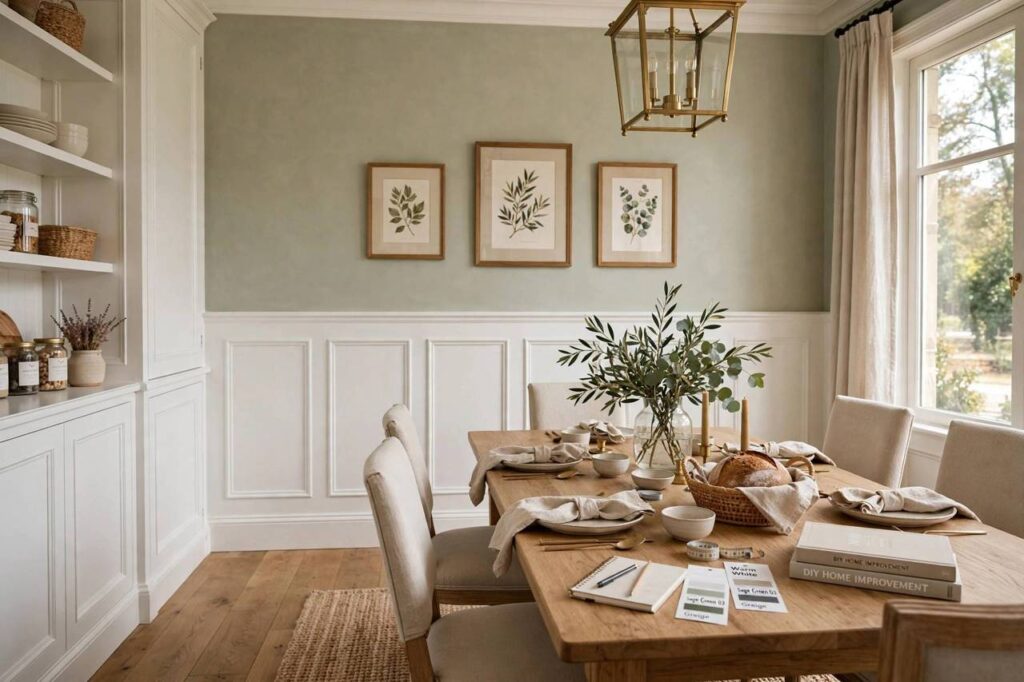
If you have ever walked into a dining room and thought the walls looked finished in a way you could not quite name, there is a good chance you were looking at wainscoting. So what is wainscoting? It is decorative paneling applied to the lower portion of a wall — typically the bottom third — that adds depth, character, and a sense of craftsmanship to a room. It started centuries ago as a practical way to insulate cold stone walls and protect plaster from chair backs and boots. Today it is pure architecture: a relatively affordable upgrade that makes plain drywall look custom-built. I have installed it in everything from century-old colonials to brand-new builds, and it remains one of the highest-impact weekend projects a homeowner can take on. Here is what it is, the styles you can choose from, what it costs, and how to tell if it suits your house.
What Is Wainscoting? The Full Definition
Strictly speaking, wainscoting is wood paneling that covers the lower part of an interior wall, usually rising 28 to 42 inches from the floor and capped with a chair rail — the horizontal trim piece that gives the top edge a finished look. Above the chair rail, the wall is typically painted drywall, often in a contrasting color. Below it, the paneling creates shadow lines and texture that flat walls cannot match. The term gets used loosely these days to cover any decorative lower-wall treatment, including applied molding boxes, beadboard, and full panel systems. Purists will tell you true wainscoting is tongue-and-groove boards; in practice, most of what gets installed now is either MDF panels or molding applied directly to the drywall to simulate the look of recessed panels. Both read beautifully when painted. The key visual elements are the same either way: vertical rhythm from the stiles, a crisp chair rail on top, and a baseboard tying it to the floor. Done well, it makes a room feel tailored, like a good suit versus off-the-rack.
The Main Wainscoting Styles, Explained
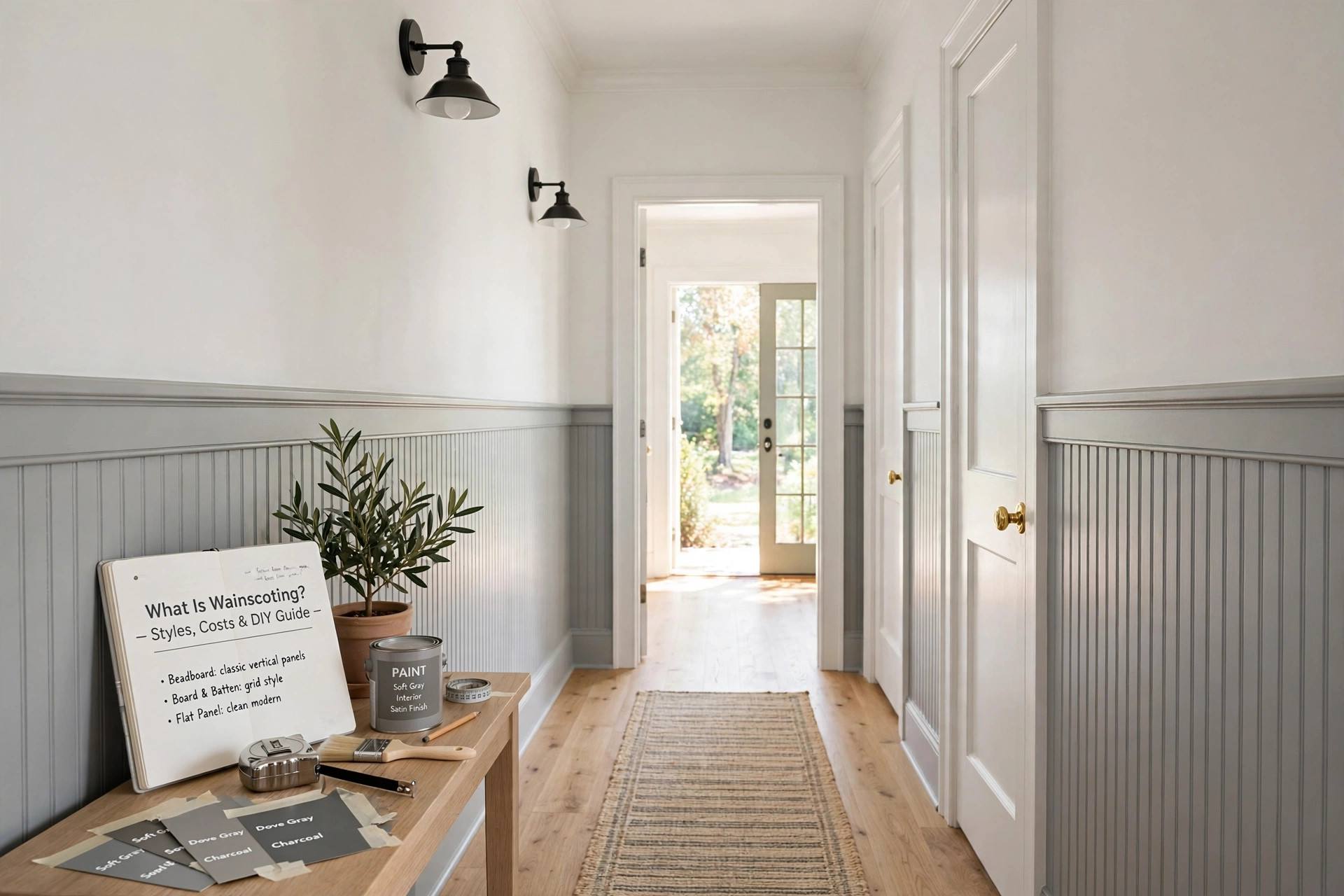
Raised panel is the traditional heavyweight — thick panels with beveled edges that sit proud of the frame, the look you see in historic homes and formal dining rooms. It reads as classic and substantial, and it suits colonial, Victorian, and traditional interiors. Flat panel, also called recessed or Shaker style, flips it: the panels sit flush or slightly recessed within the frame, creating clean shadow lines. This is the most versatile style today — it works in traditional homes but also in transitional and even modern farmhouse interiors. Beadboard is the casual cousin: narrow vertical planks with a distinctive beaded groove between them, the look of old cottages, beach houses, and country kitchens. It is also the most forgiving to install and the cheapest material. Board and batten uses wide vertical boards with narrow strips (battens) covering the seams — bold, graphic, and very popular in modern farmhouse and craftsman homes. Picture frame molding, sometimes called applied molding, skips the panels entirely and applies thin molding boxes directly to the wall to fake the paneled look. It is the fastest and cheapest route to the effect, and from across the room it is nearly indistinguishable from real paneling. Choose based on your home’s architecture: formal house, raised or flat panel; casual house, beadboard or board and batten; rental or tight budget, applied molding.
Where Wainscoting Works Best in a Home
Dining rooms are the classic location — wainscoting was practically invented for them, and a chair rail at the right height genuinely protects the wall from chair backs. Entryways and hallways come second; these are high-traffic zones where walls take abuse, and paneling hides scuffs while making a narrow space feel intentional. Bathrooms work beautifully with beadboard or moisture-resistant paneling, especially as a tub surround or behind a vanity — just use proper materials and paint rated for humidity. Bedrooms get a calmer, more finished feel, particularly behind the bed as an alternative to a headboard wall. Stairwells are a pro move: running paneling up the stair wall at an angle looks custom and expensive, though the angled cuts make it an intermediate rather than beginner project. Where does it not belong? Rooms with very low ceilings can feel chopped up by a horizontal rail line — in an eight-foot room it is usually fine, but in a seven-foot basement, think twice. Ultra-modern minimalist interiors often fight with traditional paneling, though flat-panel styles can bridge the gap. And skip it in rooms where you are unsure about the home’s style direction; wainscoting is semi-permanent, so commit where the architecture already leans traditional or transitional.
What Wainscoting Costs: Materials and Labor
Costs vary widely by style and whether you DIY or hire out, so here are realistic ranges. Applied molding (picture frame style) is the cheapest: materials run a few dollars per linear foot for paint-grade molding, and a handy homeowner can do a dining room in a weekend for a few hundred dollars total. Beadboard panels cost more in materials but install fast — budget mid-range per linear foot installed by a pro. Flat-panel and board-and-batten sit in the middle: more material and more precise carpentry than beadboard. Raised panel is the premium option, with the highest material and labor costs because of the intricate milling and fitting. Professional installation typically doubles or triples the material cost, depending on your market and the complexity of the room — corners, windows, and outlets all add labor. Painting is a separate line item people forget: wainscoting needs priming, two finish coats, and careful caulking, and a pro paint job can add substantially to the total. For a typical twelve-by-fourteen dining room, a DIY applied-molding job might run a few hundred dollars all-in, while pro-installed raised panel with painting can reach several thousand. Get the paneling level and plumb — nothing ruins the effect faster than a chair rail that visibly slopes.
DIY Installation: What to Know Before You Start
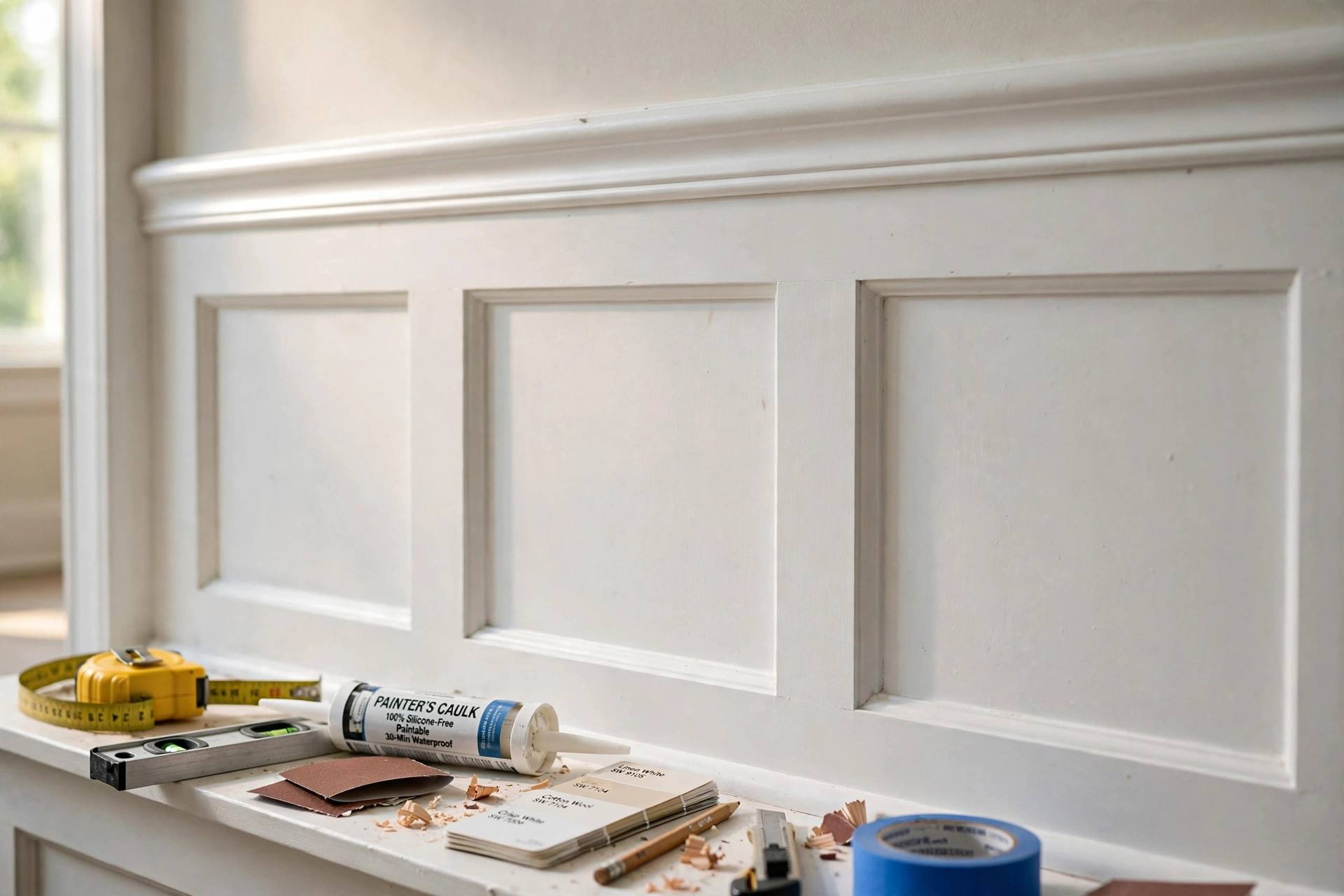
Applied molding and beadboard are genuinely beginner-friendly; raised panel is not. Before you buy anything, check your walls. Wainscoting forgives minor imperfections but not major waves — hold a long level against the wall and mark the high spots. Locate the studs, because chair rails and panels need solid fastening; a stud finder and painter’s tape marks save headaches. Plan your layout on paper first: panel widths should be consistent, and the layout should be symmetrical around the room’s focal point, usually the fireplace or the main window. Avoid ending with a sliver panel in a corner — adjust widths slightly across the wall so the end panels stay respectable. For materials, paint-grade poplar or MDF moldings are the standard choice for painted wainscoting; they are stable, affordable, and take paint beautifully. Use construction adhesive plus brad nails for a bond that will not shift with seasonal movement. Caulk every joint before painting — caulk is what makes trim work look professional, hiding every tiny gap. And paint the wall behind applied molding the final color before you install the molding; touching up afterward is miserable. The most common DIY mistake is rushing the layout math. Spend an hour with a tape measure and a sketch, and the installation itself goes twice as fast.
Paint Colors and Finishing Touches
White and off-white remain the default for good reason: they read as crisp, they bounce light, and they let the shadow lines do the talking. But wainscoting takes color beautifully. A deep navy, forest green, or charcoal lower wall with a lighter upper wall is dramatic without overwhelming the room — the chair rail gives you a natural stopping point for bold color. In small rooms, painting the wainscoting and the upper wall the same color (a technique called color drenching) actually makes the space feel larger by removing the visual break. For the upper wall, contrast is classic: warm white above, colored paneling below, or vice versa. Sheen matters: use satin or semi-gloss on the paneling so it wipes clean and the light plays across the profiles, and flat or eggshell above. Always prime raw MDF and wood — skipping primer leads to uneven sheen and paint soaking into the material. Two finish coats minimum. And do not forget the chair rail cap: it collects dust, so a wipeable sheen there is practical, not just pretty. The right finish is what separates wainscoting that looks installed from wainscoting that looks built-in.
Wainscoting vs. Shiplap vs. Board and Batten: What’s the Difference?
These terms get tossed around interchangeably, and they are not the same thing. Wainscoting is the umbrella category: decorative paneling on the lower portion of a wall, usually capped with a chair rail. Shiplap is a specific material — wide horizontal boards with overlapping rabbet joints — that became famous through farmhouse-style television and is typically run floor to ceiling, not just on the lower wall. When shiplap covers only the bottom third of a wall, it is functioning as wainscoting, but the material and the horizontal orientation are what make it shiplap. Board and batten is both a wainscoting style and a full-wall treatment: wide vertical boards with narrow battens covering the seams. As wainscoting, it runs below the chair rail; as a full-wall treatment, it runs floor to ceiling for a bold graphic look. The practical differences matter. Shiplap’s horizontal lines make rooms feel wider but can emphasize low ceilings; board and batten’s vertical lines add height. Shiplap gaps collect dust in the grooves; board and batten is easier to wipe down. Cost-wise, they sit in a similar range for materials, with board and batten slightly cheaper since it uses fewer linear feet of trim. Choose shiplap for casual farmhouse character, board and batten for craftsman or modern farmhouse punch, and classic paneled wainscoting when the house leans traditional. And if a contractor quotes you “wainscoting” without specifying the style, ask — the price and the look vary enormously between a simple applied-molding job and full raised-panel millwork.
Frequently Asked Questions
What is the standard height for wainscoting?
The traditional height is 28 to 42 inches from the floor, with 32 to 36 inches being most common — roughly one-third of the wall in a standard eight-foot room. Taller wainscoting (up to 48 inches or more) suits rooms with high ceilings and creates a more dramatic, formal look.
Is wainscoting outdated?
No — it cycles in style the way all millwork does, but flat-panel and board-and-batten styles are currently very popular in transitional and farmhouse interiors. What dates a room is not wainscoting itself but the wrong style for the architecture, like ornate raised panels in a minimalist condo.
Can I install wainscoting myself?
Applied molding and beadboard are solid beginner-to-intermediate DIY projects requiring basic tools: a miter saw, brad nailer, level, and caulk gun. Raised panel wainscoting demands precise carpentry and is best left to professionals unless you have trim experience.
Does wainscoting add value to a home?
It improves perceived quality and can help a home photograph and show better, particularly in dining rooms and entries. Like most cosmetic upgrades, it rarely returns its full cost at resale, but it makes a home more memorable to buyers, which matters in competitive markets.
What is the difference between wainscoting and beadboard?
Beadboard is one style of wainscoting — narrow vertical planks with a beaded groove, carrying a casual cottage feel. Wainscoting is the broader category covering all lower-wall paneling styles, including raised panel, flat panel, board and batten, and applied molding.