How to Care for Leather Shoes: Keep Them Beautiful for Years

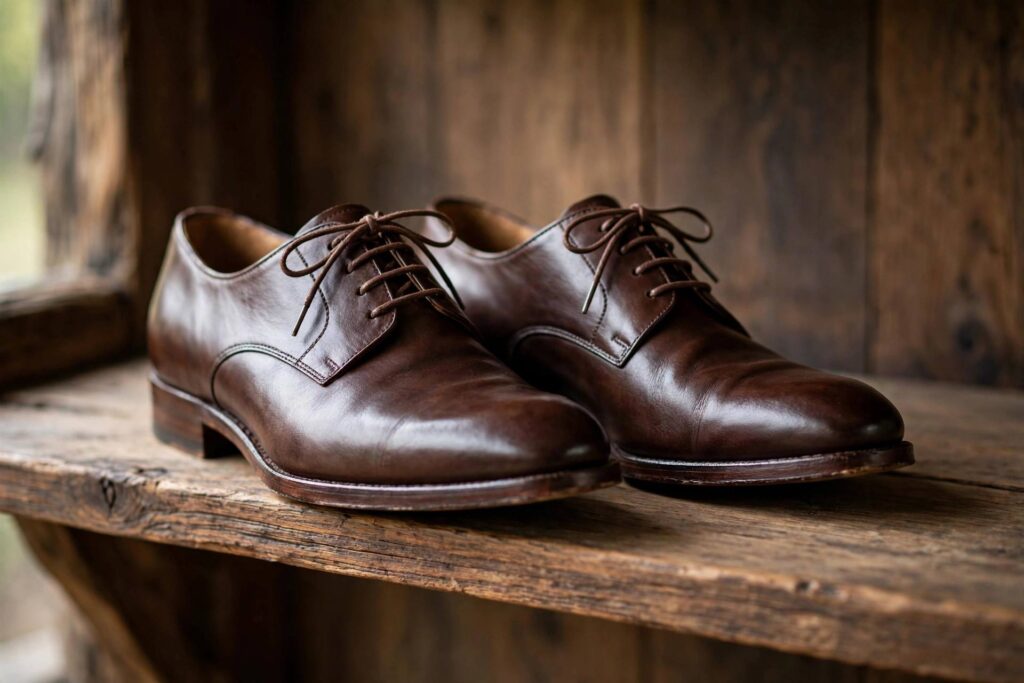
A beautiful pair of leather shoes is an investment, and like all investments, it rewards attention. I have pairs that have walked with me for over a decade and look better now than the day they were bought. The secret is not expensive products or professional-only rituals. It is a simple, consistent routine of cleaning, conditioning, and proper rest. Here is exactly how to care for leather shoes so yours age like fine wine instead of old bananas.
How to Care for Leather Shoes: Why They Need Regular Attention
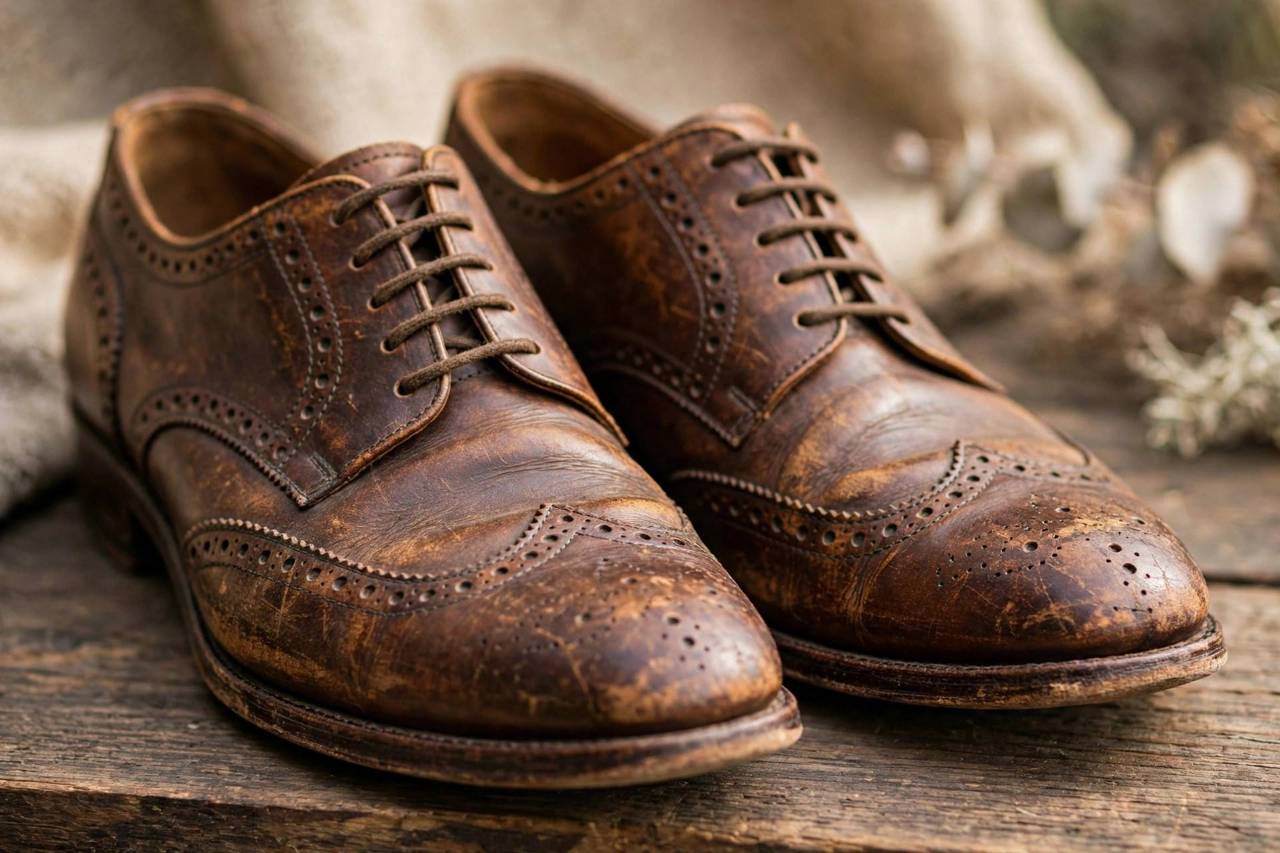
Leather is skin, and like skin, it dries out, cracks, and loses its luster without moisture and protection. Every wearing exposes shoes to flexing, sweat, dirt, and weather, all of which strip the leather’s natural oils. Uncared-for leather dries, creases deepen into cracks, color fades unevenly, and soles wear prematurely.
Well-cared leather does the opposite: it develops a rich patina, molds to your feet, and resists the elements. The difference between a five-year shoe and a fifteen-year shoe is almost entirely maintenance. Ten minutes of care after wearing beats hours of restoration later.
The Essential Leather Shoe Care Kit
You need less than the internet suggests. Horsehair brushes (one for cleaning, one for buffing) are non-negotiable; they are gentle and effective. Leather conditioner or cream replenishes moisture; choose neutral or color-matched. Shoe polish (wax-based) adds protection and shine for dress shoes. A soft cloth for application and buffing. Cedar shoe trees, the single best investment in shoe care, absorbing moisture and holding shape. Edge dressing for touching up sole edges.
That is the complete kit, and it costs less than one resoling. Skip the gimmicks: all-in-one miracle sprays, colored foams, and household substitutes like olive oil (it goes rancid) or coconut oil (wrong for most leathers). Buy proper products once; they last years.
The After-Wear Routine (2 Minutes That Matter Most)
What you do after taking shoes off matters more than any weekend ritual. Step 1: brush off dust and dirt with the horsehair brush, quick strokes, nothing fancy. Dirt left on leather grinds into the finish with each flex. Step 2: insert cedar shoe trees immediately. They absorb the moisture of a day’s wear (a foot releases a remarkable amount) and prevent the creasing that becomes cracking. Step 3: let shoes rest 24 hours before wearing again. Leather needs recovery time; rotating pairs doubles their life.
This two-minute routine, done consistently, prevents 80 percent of leather problems. Everything below is maintenance; this is prevention.
Deep Cleaning Leather Shoes: Step by Step
Every few weeks, or whenever shoes look dull, give them a proper cleaning:
Step 1: Remove laces and brush thoroughly to remove surface dirt.
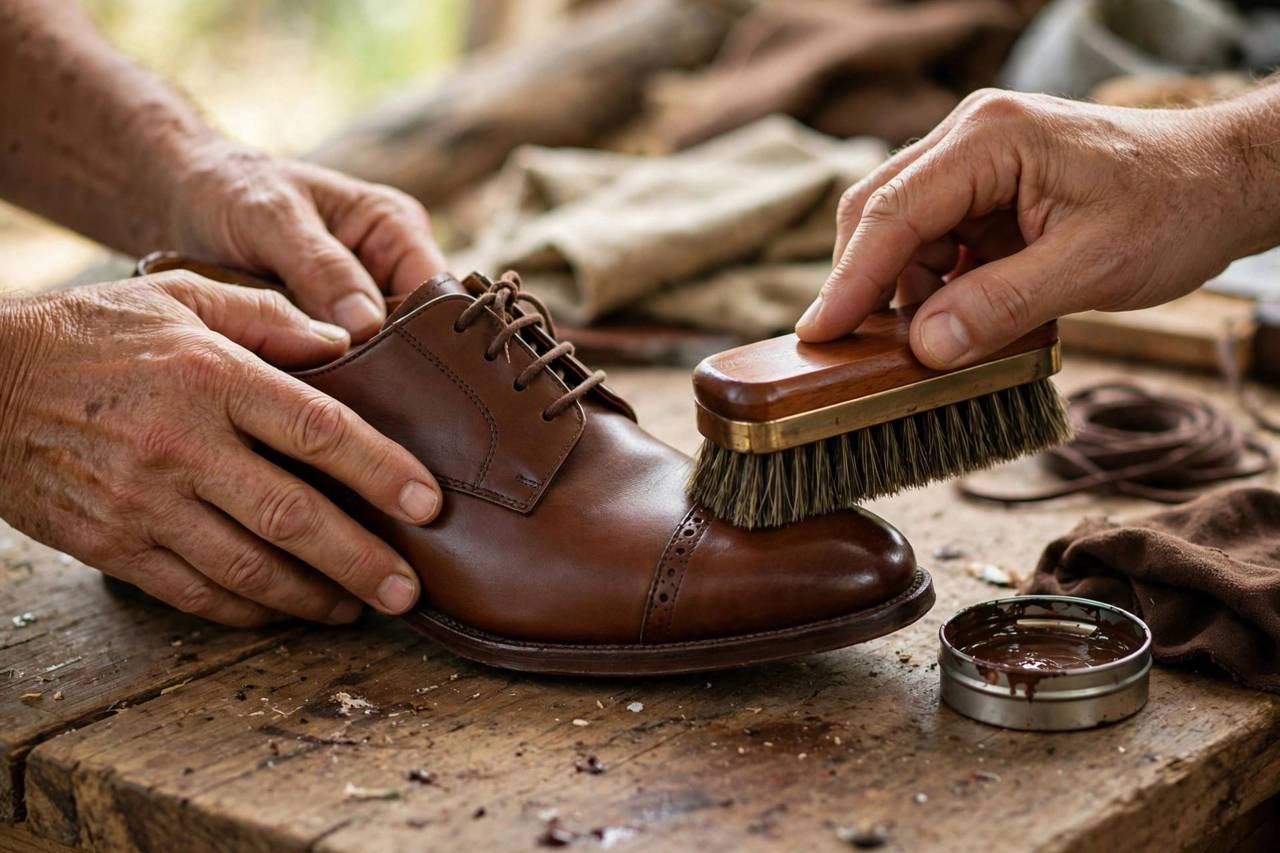
Step 2: Clean with saddle soap or leather cleaner. Dampen a cloth, work up a light lather, and clean in small circles. Less product than you think; you are lifting dirt, not soaking leather.
Step 3: Wipe clean with a separate damp cloth and let dry naturally at room temperature. Never use direct heat; radiators and hair dryers crack leather catastrophically.
Step 4: Condition. Apply a thin layer of conditioner with a cloth, let it absorb 15-20 minutes, then buff off excess. The leather should look nourished, not greasy.
Step 5 (dress shoes): Polish. Apply wax polish sparingly in small circles, let haze for a few minutes, then buff vigorously with the brush. Build shine in thin layers; thick polish cakes and cracks.
Conditioning: The Step Everyone Skips
If you take one thing from this guide, let it be this: condition your leather. Conditioning replaces the oils that wearing strips away, keeping leather supple and crack-resistant. How often? Dress shoes worn weekly: condition monthly. Casual boots: every 2-3 months or after wet weather. Shoes in dry climates or heated indoor winters: more often.
Signs your shoes are thirsty: dullness that brushing does not fix, stiffness when flexing, light-colored creases, a generally parched look. Apply conditioner to a test spot first on light leathers, as some conditioners darken slightly. And remember: you can over-condition. Soggy, dark, sticky leather means too much product or too frequent application. Thin layers, fully absorbed, buffed clean.
Dealing With Water, Salt, and Stains
Wet shoes: stuff with newspaper (not trees yet; paper absorbs faster), let dry slowly at room temperature away from heat, then condition once dry. Water itself is not the enemy; heat-drying is.
Salt stains: winter’s signature. Wipe with a cloth dampened with a water-vinegar mix (equal parts), let dry, then condition. Treat promptly; salt desiccates leather aggressively.
Scuffs: light scuffs often buff out with a brush or a dab of conditioner. Deeper scuffs that break the finish need color-matched cream polish worked into the spot, then buffed.
Prevention: waterproofing spray (silicone or beeswax-based, matched to leather type) before winter or rainy seasons. Reapply periodically. It does not make shoes waterproof, but it buys crucial time.
Storing Leather Shoes Properly
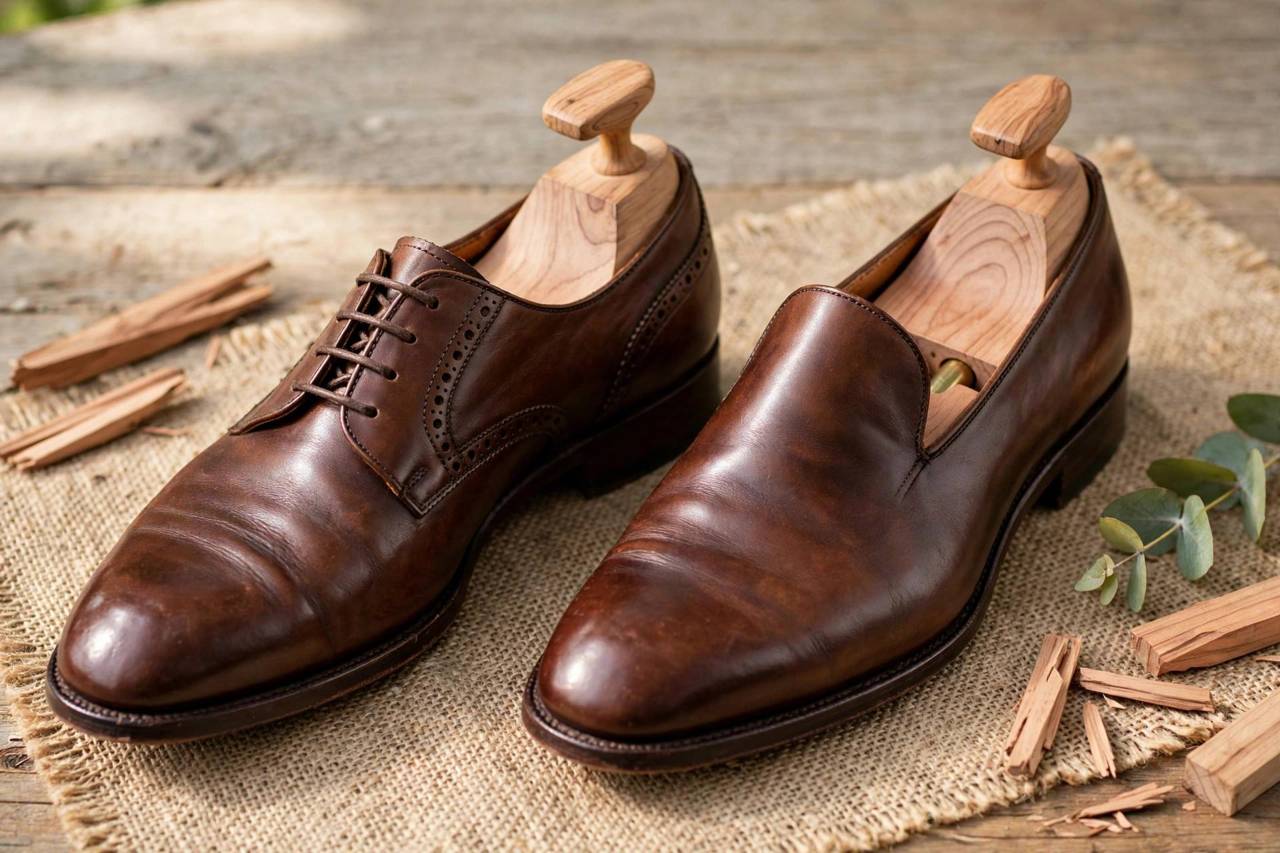
Storage mistakes undo good care. Always use shoe trees for shoes not being worn; they are the cheapest longevity tool in existence. Store in breathable bags, the flannel ones shoes come with, not plastic, which traps moisture. Keep them cool, dark, and dry; attics and damp basements destroy leather. Do not stack shoes on each other; pressure deforms leather over months. For seasonal storage, clean and condition before storing, insert trees, bag them, and check once mid-season.
Rotation deserves emphasis: the 24-hour rest rule means you need at least two pairs in regular rotation. This is the real reason shoe lovers own multiple pairs; it is maintenance disguised as indulgence.
When to Resole (and When to Let Go)
Quality leather shoes with Goodyear-welted or Blake-stitched construction can be resoled multiple times, effectively resetting the clock. Resole when the sole wears thin, the heel wears unevenly (which affects your gait), or the welt shows damage. A good cobbler can also replace heels, restitch, and refinish. Resoling typically costs a fraction of replacement and keeps broken-in uppers you love.
Let go when: the leather itself is cracked through (not just creased), the insole is destroyed beyond rebuilding, repairs cost more than the shoe’s value, or cemented (glued) construction makes resoling impossible. Knowing when to invest and when to release is part of caring well.
Building a wardrobe of pieces worth this kind of care starts with intention. Our capsule wardrobe guide helps you choose fewer, better things, shoes included.
Leather Types: Quick Reference
Full-grain: the best, ages beautifully, takes all standard care. Top-grain: sanded and finished, good but less characterful aging. Suede and nubuck: need special suede brushes and protectors, never standard polish. Patent leather: wipe clean, condition sparingly with patent-specific products. Exotic leathers: follow maker instructions; when in doubt, consult a professional. Match the care to the leather and you will never go wrong.
Shoe Care Myths, Debunked
Myth: “New shoes need breaking in painfully.” Quality leather shoes should be snug but not painful from the start. Genuine pain means wrong size or last, not a rite of passage. Mild stiffness that eases over days is normal; agony is not.
Myth: “More polish means more protection.” Thick layers of polish cake, crack, and trap dirt. Thin layers, buffed well, protect better and look richer. Two thin coats beat one thick coat every time.
Myth: “Suede is delicate and impractical.” Suede is actually hardy when maintained: regular brushing with a suede brush and periodic protector spray keep it handsome for years. It fears water less than neglect.
Myth: “Expensive shoes do not need care.” The opposite is true: the better the leather, the more it rewards care and the more visibly it suffers without it. Price buys potential; maintenance realizes it.
Myth: “You can fix cracked leather.” Surface dryness, yes, with conditioning. True cracks through the leather’s grain layer are permanent. This is why prevention, conditioning before cracks appear, is the entire game. Once leather cracks, no product un-cracks it; you are managing, not healing.
Traveling With Leather Shoes
Travel is brutal on shoes: crammed bags, unfamiliar weather, long walking days. Pack smart. Use shoe bags to protect both shoes and clothes. Stuff shoes with socks or underwear to hold their shape in transit; it doubles as packing efficiency. Pack trees only for long trips; for short ones, stuffing suffices.
Bring a mini care kit: a small brush, a travel conditioner, and a cloth take negligible space and handle emergencies. Choose travel shoes wisely: broken-in pairs with rubber or commando soles handle cobblestones and rain better than pristine dress shoes. And never travel with only one pair; wet shoes with no backup ruin days. Two pairs, rotated, plus the mini kit, and your leather will survive any itinerary looking sharp, and you will return home with shoes ready for the next decade, not the next repair shop.
Key Takeaways
To care for leather shoes: brush and insert cedar shoe trees after every wear, rest shoes 24 hours between wearings, deep clean every few weeks, condition monthly (the step everyone skips), polish dress shoes in thin layers, dry wet shoes slowly away from heat, treat salt stains promptly, store with trees in breathable bags, and resole quality construction instead of replacing. Ten minutes of routine care beats hours of restoration. Leather rewards the attentive and punishes the neglectful; choose to be attentive. Your shoes carry you through life; carrying for them is the least you can do.
FAQ
How often should you condition leather shoes?
Dress shoes worn weekly: monthly. Casual boots: every 2-3 months or after exposure to wet weather. Dry climates and heated winters call for more frequent conditioning.
Can you use olive oil on leather shoes?
No. Olive oil and coconut oil can go rancid and damage leather over time. Use proper leather conditioner designed for the job.
How do you dry wet leather shoes?
Stuff with newspaper, let dry slowly at room temperature away from direct heat, then condition once fully dry. Never use radiators or hair dryers.
Do shoe trees really make a difference?
Yes, enormously. Cedar shoe trees absorb moisture, hold the shoe’s shape, and prevent creases from becoming cracks. They are the single best investment in shoe care.
When should leather shoes be resoled?
When soles wear thin, heels wear unevenly, or welts show damage. Quality welted shoes can be resoled multiple times at a fraction of replacement cost.