When to Start a Garden by Zone: Timing It Right

The most expensive gardening mistake I ever made cost me nothing but time: I planted my tomatoes on the same April weekend two years running, lost them to a late frost the first year, and then waited too long the second year out of fear and got a short, stingy harvest. When to start a garden by zone is the timing question underneath every planting decision, and getting it right is worth more than any tool or fertilizer. Your USDA hardiness zone tells you which plants survive your winter; your frost dates tell you when to plant. In this guide, I will explain both in plain English, give you planting windows for each zone range, and show you how to stretch your season on both ends. Timing is local knowledge, and this is how you build yours. For everything that happens after you pick your dates, my guide on how to start a garden covers the doing.
Zones vs. Frost Dates: What Actually Matters for Planting
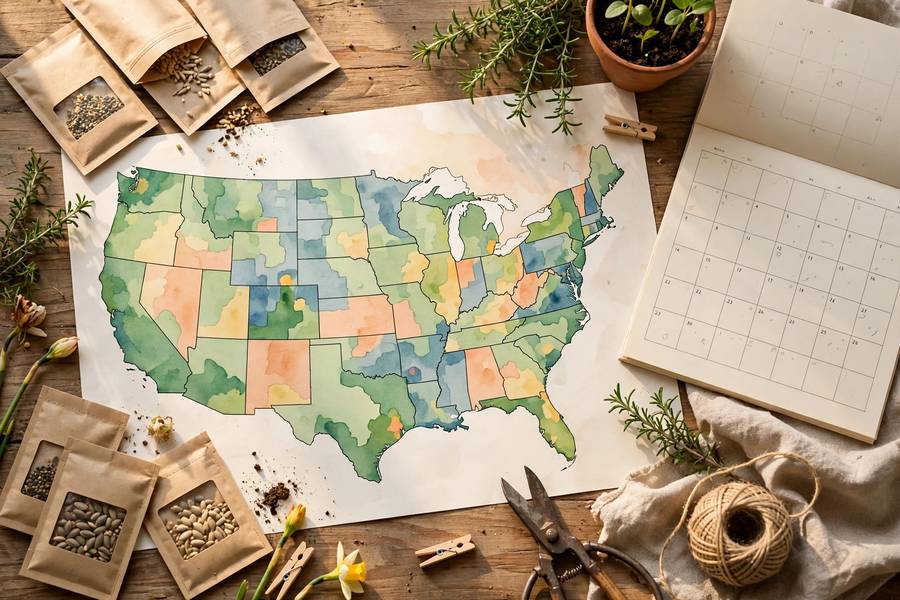
Let us clear up the confusion, because even experienced gardeners mix these up. Your USDA hardiness zone, based on average annual minimum winter temperature, tells you which perennial plants will survive your winter. It says almost nothing about when to plant tomatoes. What tells you when to plant is your frost dates: the average last spring frost and first fall frost. The growing season is the days between them, and it varies enormously even within a single zone.
Find your dates from a reputable source like your local cooperative extension; online calculators using your zip code are good starting points. Treat these dates as guidelines with a margin, not guarantees. A ‘last frost’ date usually means a 50 percent probability, which is a coin flip, not a promise. I plant tender crops a week after my official last frost date, and in fifteen years I have been burned exactly once, versus the multiple frost kills of my impatient early years.
Zones 3-4: Short Season, Big Planning
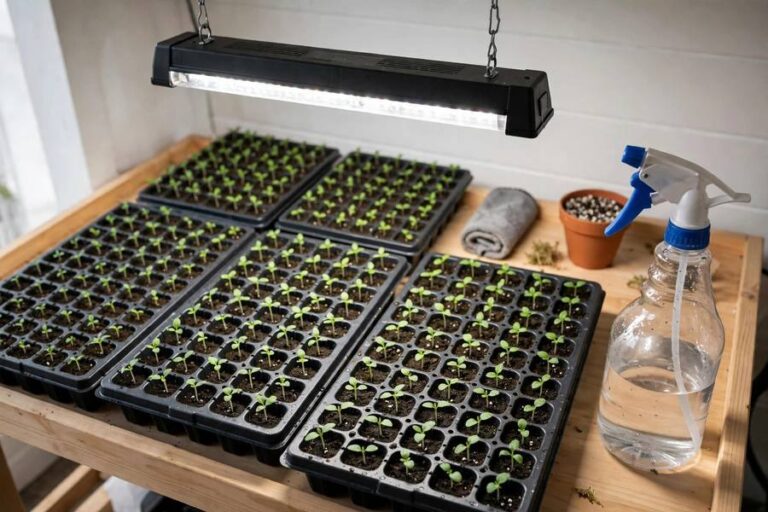
If you garden in zones 3 or 4, your growing season runs roughly late May to late September, about 100 to 120 frost-free days. This is not a limitation so much as a discipline: every week counts, so planning matters more here than anywhere. Start seeds indoors for tomatoes, peppers, and brassicas; direct-sowing long-season crops wastes weeks you do not have. Choose varieties with short ‘days to maturity’ numbers, and favor fast crops that guarantee harvests: radishes, lettuce, peas, bush beans, and early potatoes.
Season extenders pay for themselves fast in cold zones. A simple cold frame or low tunnel can add a month on each end of the season, turning 110 days into 150. I have friends in zone 4 harvesting spinach in November under a $30 low tunnel, and it still amazes me. Fall planting starts early here: get garlic in by October and plan next year’s indoor seed starting for March. Short seasons reward the organized; be the organized gardener.
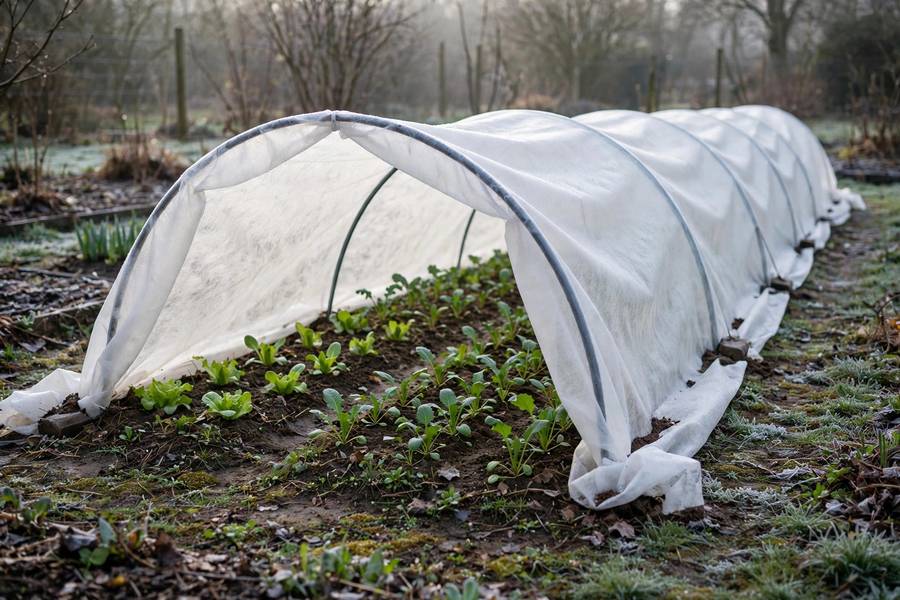
Mulch heavily once the ground freezes to prevent freeze-thaw cycles from heaving plants out of the ground. In cold zones, winter mulch is plant insurance.
Zones 5-6: The Classic Gardening Sweet Spot
Zones 5 and 6 offer roughly 150 to 180 frost-free days, typically early May to mid-October, and this is the timing most general gardening advice assumes. Last frost lands around late April to mid-May; first fall frost arrives mid to late October. You can direct-sow most crops, start tomatoes indoors in March or buy transplants, and comfortably grow two successions of fast crops.
The zone 5-6 calendar I use: March indoors for tomatoes and peppers; April for direct-sown peas, radishes, lettuce, and carrots; May for warm-season transplants after the last frost; June for succession beans and cucumbers; July for fall brassica seedlings; August for fall lettuce, spinach, and radishes; October for garlic. This rhythm produces harvests from May through November with modest effort. The main timing trap here is impatience in April: warm spells tempt early planting, and late frosts punish it. Wait for the date, then plant with confidence.
Zones 7-8: Two Seasons in One Year
Zones 7 and 8, with 180 to 240 frost-free days from roughly April to November, are where gardening gets luxurious: you genuinely get two full growing seasons. Spring runs March to June, then a hot summer pause, then a fall season from August to November that is often the best growing of the year. Fall tomatoes, planted in July, produce in the mild autumn weather that spring crops only dream about.
Summer heat is the challenge, not cold. Tomatoes stop setting fruit above sustained 90s, lettuce bolts instantly, and watering needs double. Plan a summer strategy: heat-set tomato varieties, okra and sweet potatoes that love the heat, shade cloth over greens, and deep mulch everywhere. Then revel in the fall: sow cool crops in late August and harvest through Thanksgiving. Gardeners in zones 7-8 who only plant in spring are leaving half their season on the table.
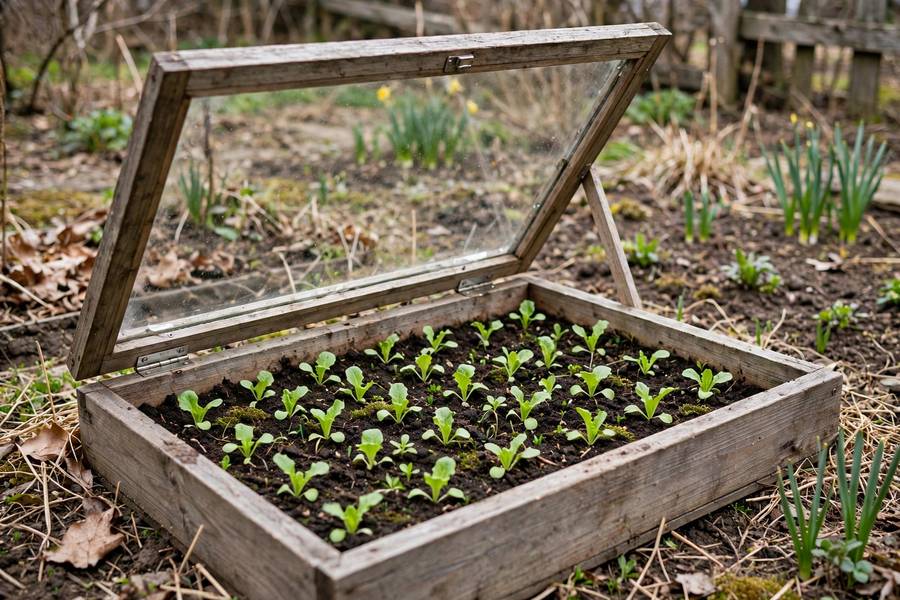
Winter gardening is realistic here with minimal protection. Kale, spinach, and garlic overwinter with just mulch, and a cold frame keeps salads growing through the coldest months.
Zones 9-10: Gardening Upside Down
In zones 9 and 10, the calendar flips: summer is the enemy and winter is the prime season. With 240 to 365 frost-free days, you can garden nearly year-round, but July and August heat shuts down tomatoes, bolts every green, and tests both plants and gardener. The strategy is to plant warm-season crops early (February to March) for harvest before the brutal heat, then plant again in late summer for a fall and winter harvest.
Winter is when zone 9-10 gardens shine: lettuce, broccoli, carrots, peas, and brassicas grow beautifully in the mild cool season. Tropical perennials like citrus, figs, and pomegranates thrive. If you are new to a warm zone after gardening up north, the mental shift is real: your ‘spring garden’ gets planted in fall, and your biggest enemy is heat, not frost. Embrace it; a January harvest of fresh broccoli while the rest of the country shovels snow never gets old.
Stretching Your Season in Any Zone
Whatever your zone, a few techniques buy you extra weeks. Cold frames, simple boxes with glass or polycarbonate lids, warm soil weeks early and protect crops weeks late. Low tunnels of wire hoops and row cover fabric cost little and add a month on each end. Wall-o-Water style protectors let you plant tomatoes weeks before the last frost. Even simple techniques help: black plastic mulch warms soil for heat-lovers, and planting against a south-facing wall creates a warm microclimate.
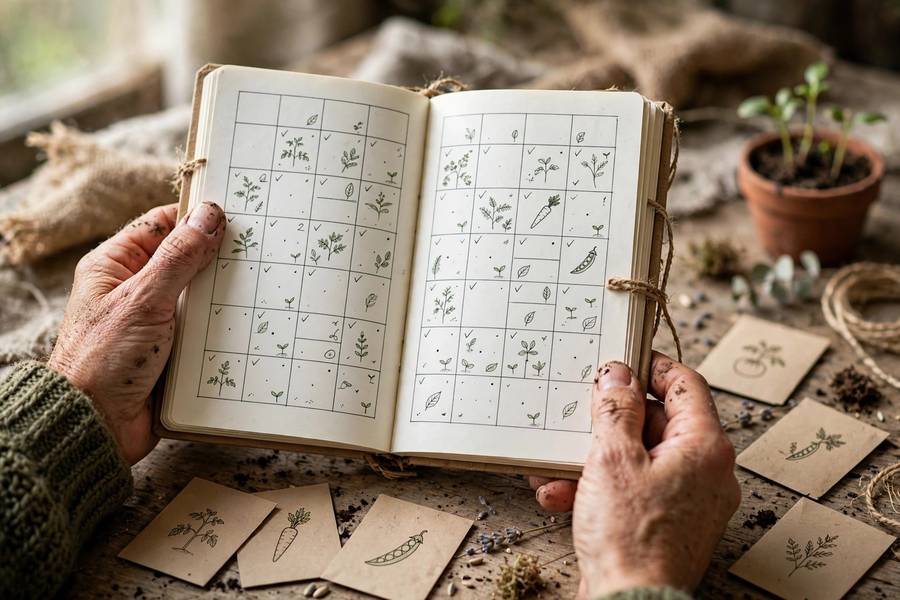
Succession planting multiplies whatever season you have; see container gardening basics for how small-space growers use the same timing tricks in pots. And remember that timing knowledge compounds: keep a journal of your actual frost dates, planting dates, and results, and within two years you will have a personalized calendar no book can match. Start with your zone’s windows above, adjust with your journal, and consult my guide on how to start a garden for the doing. The right plant at the right time beats the perfect plant at the wrong time, every single season.
Less than most people think. Hardiness zones describe winter minimum temperatures (which perennials survive), not planting dates. Your last spring frost and first fall frost dates determine when to plant. Two places in the same zone can have very different frost dates and growing seasons.
Start seeds indoors 6-8 weeks before the last frost (around March), and transplant outdoors 1-2 weeks after the last frost date (typically mid to late May in zone 6). Planting earlier risks frost kill; soil should be reliably warm for strong growth.
Nearly. Zones 9-10 can garden most of the year, but summer heat (not cold) is the limiting factor. Plant warm-season crops in late winter for spring harvest, take a heat break in midsummer, and plant cool-season crops in late summer for fall and winter harvests.
Cold frames, low tunnels with row cover, and cloches add weeks on each end of the season. Black plastic mulch warms soil early, south-facing walls create warm microclimates, and choosing fast-maturing varieties squeezes more harvests into short seasons. A $30 low tunnel can add a full month in spring and fall.
Plant garlic in October (zones 3-8) for summer harvest, sow cover crops to feed the soil, and plant spring-flowering bulbs. In zones 7+, fall is also prime time for cool-season vegetables: lettuce, spinach, broccoli, carrots, and peas planted in late summer harvest through fall and winter.