Best Red Carpet Suits for Men

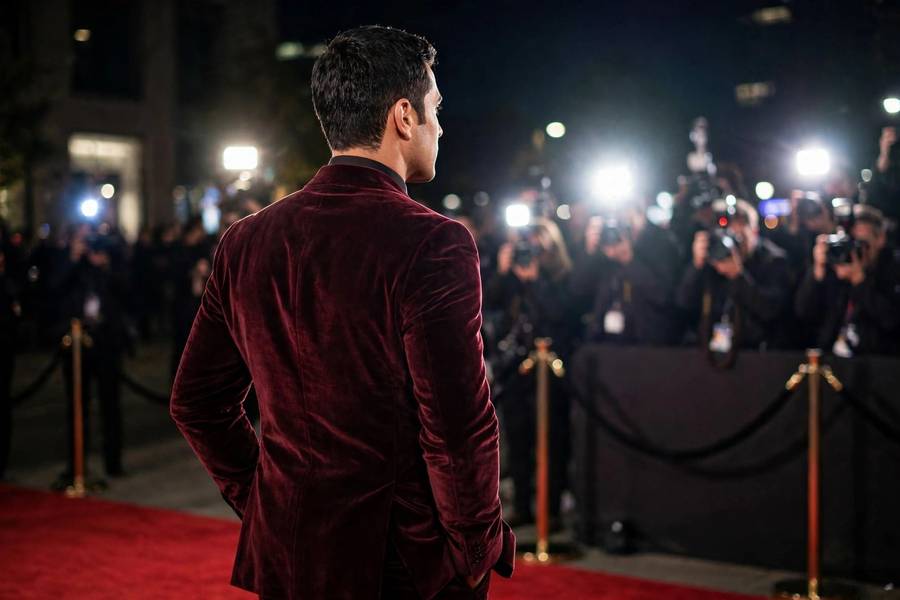
Let’s be honest about menswear on the red carpet: for decades, it was a black tuxedo, a white shirt, a bow tie, and a prayer. The men showed up, stood next to spectacular gowns, and functioned as well-dressed furniture. Then something shifted — a few brave souls started treating the carpet as a canvas instead of a uniform — and men’s red carpet fashion became genuinely exciting. These are the suits (and the glorious non-suits) that proved menswear could be the main event.
In this article
In this guide:
The Rule Breakers: Men Who Rewrote the Dress Code
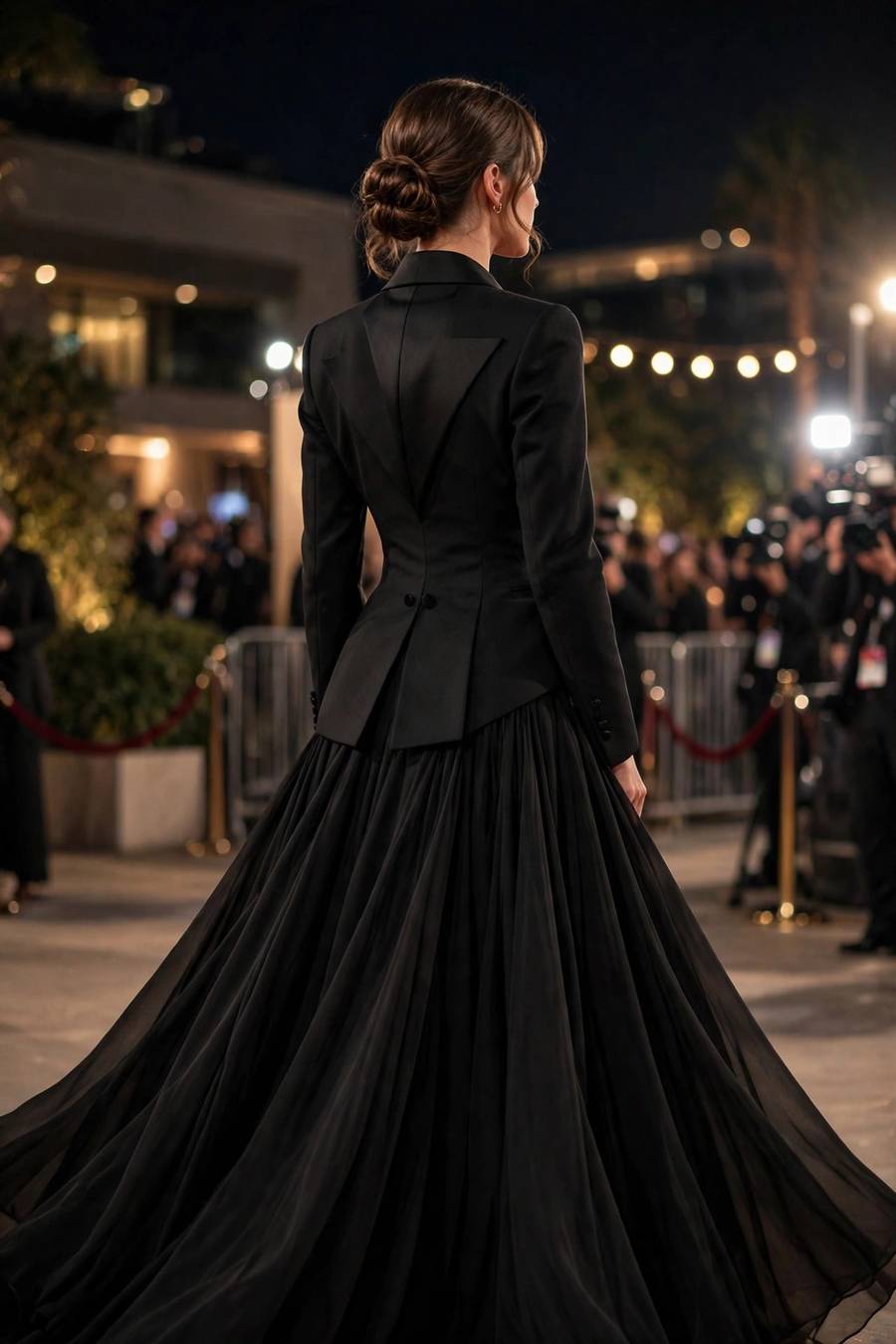
Billy Porter — the tuxedo gown, Oscars 2019
The single most important menswear moment in red carpet history. Porter arrived at the 2019 Oscars in a Christian Siriano tuxedo gown — tailored jacket on top, full ballgown skirt below — and broke the internet, the dress code, and about a century of assumptions in one step. It wasn’t a stunt; it was a statement about who gets to wear what, delivered with total conviction. Every gender-fluid red carpet look since exists in its shadow.
Pharrell Williams — the shorts suit, Grammys 2014
A tuxedo jacket, a bow tie, and shorts — plus that Vivienne Westwood mountain hat. Pharrell’s 2014 Grammys look shouldn’t have worked, which is exactly why it did. It was the moment menswear’s rulebook got tossed: if the proportions are right and the confidence is absolute, the “rules” are just suggestions.
André 3000 — the entire 2000s
Before it was fashionable to be fashionable, André 3000 was showing up to awards shows in bowler hats, suspenders, kilts, and Technicolor suits — a one-man argument that menswear could be as expressive as womenswear. The industry took about a decade to catch up to him.
Jared Leto — the Gucci maximalist
Leto’s red carpet uniform under Alessandro Michele’s Gucci was pure romantic maximalism: embroidered jackets, silk blouses, floral suits, and once — at the Met Gala — carrying a replica of his own head. Subtle was never the point. The point was that a man could do more and get away with it.
The Modern Masters
Timothée Chalamet — the fearless minimalist
Chalamet is the most influential men’s red carpet dresser of his generation, and his genius is restraint with a twist: the wine-red velvet Haider Ackermann suit, the all-white Stella McCartney, the backless Louis Vuitton halter top that broke the internet. He takes one classic element and subverts it — a color, a cut, a missing back — proving that a single bold choice beats head-to-toe costume.
Harry Styles — the joyful disruptor
Styles’ Gucci era turned menswear into play: feather boas, pearl necklaces, wide-leg trousers, clashing prints. His red carpet looks argue that getting dressed should be fun — a radical position in an industry that treats menswear as an obligation. The pearl necklace alone launched a thousand imitations.
Chadwick Boseman — the regal traditionalist
Boseman never broke the rules; he perfected them. His red carpet suits — impeccably tailored, often in rich colors and subtle patterns — were a masterclass in how to honor tradition while looking utterly modern. There’s a lesson here: you don’t have to be outrageous to be unforgettable. Fit and presence do the work.
Colman Domingo — the new standard
Domingo has become the menswear press’s favorite subject for a reason: every appearance is considered, tailored to perfection, and quietly adventurous — a bold color here, an unexpected texture there. He dresses like a man who respects the occasion and himself in equal measure.
Pedro Pascal — the charming subversive
Pascal’s red carpet style is the art of the almost-normal: a classic suit in an unexpected color, shorts on a formal carpet, a relaxed silhouette where you’d expect structure. He looks like he’s having more fun than everyone else, which — on a red carpet — is a power move.
Donald Glover — the quiet experimentalist. Glover’s carpet looks favor rich textures and unexpected pairings — a velvet dinner jacket here, an unconventional shirt there — always polished, never costume-y. He proves experimentation doesn’t require spectacle; sometimes it’s just a better fabric and the confidence to wear it.
Dev Patel — the elegant risk-taker. Patel has quietly become one of the most reliable menswear dressers on the circuit: bold colors, interesting textures, flawless tailoring. His looks never scream, but they always photograph — the mark of a man who understands that the carpet is a long lens.
The Color Revolution
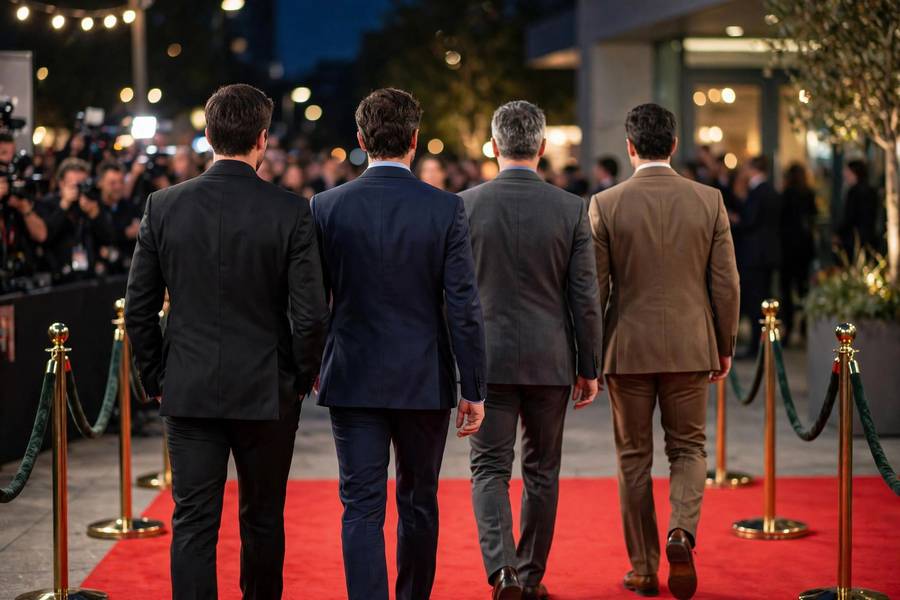
The single biggest shift in men’s red carpet fashion has been color. The black-tuxedo monopoly is over, and the men who understood it first reaped the rewards:
Velvet in jewel tones — Chalamet’s burgundy, deep greens and midnight blues across the board. Velvet photographs beautifully and reads as luxurious without trying too hard.
All-white ensembles — risky, impractical, unforgettable. White on a red carpet is a statement of supreme confidence (and a great dry cleaner).
Pastels and brights — pink suits, lavender tailoring, butter yellow. The colors that were “not for men” a decade ago are now the ones that get photographed.
Pattern — florals, brocades, subtle jacquards. Pattern is the gateway drug of adventurous menswear: it reads as bold from a distance and refined up close.
The rule, if there is one: color works when it’s intentional. A colored suit with conviction beats a black tuxedo worn with resignation every time. The carpet rewards the man who chose, not the man who defaulted.
Anatomy of a Great Red Carpet Suit
Strip away the celebrity and the couture, and the great looks share the same fundamentals — the same ones that apply to any man getting dressed for any important occasion:
Fit is everything. Every legendary red carpet suit, from Boseman’s classics to Chalamet’s experiments, is tailored to the millimeter. Shoulders sit right, trousers break cleanly, nothing pulls. An off-the-rack suit, however expensive, never photographs like a tailored one. This is the least glamorous secret in fashion and the most important.
One statement at a time. The best looks make a single bold choice — the color, the texture, the accessory, the silhouette — and keep everything else clean. Porter’s gown worked because the tailoring was impeccable. Chalamet’s halter worked because the trousers were simple. Restraint frames daring.
Grooming is part of the suit. Hair, skin, nails — the red carpet is high-definition, and the details show. The well-groomed man in a simple suit out-dresses the sloppy man in couture. Every time.
Shoes matter more than you think. Photographers shoot full-length. Scuffed shoes, wrong shoes, boring shoes — they all show. The great dressers treat footwear as part of the look, not an afterthought.
Confidence is the actual outfit. I know, it’s a cliché. It’s also the only explanation for why Pharrell’s shorts worked and a thousand safe tuxedos didn’t. The carpet can smell fear. Wear the thing like you mean it.
The Mistakes to Avoid
The rental look. Boxy shoulders, too-long sleeves, trousers pooling at the shoe — the unmistakable signature of the last-minute rental. If the event matters, the tailoring matters.
Too many statements. The bold suit and the bold shirt and the bold shoes and the hat. Pick one. The carpet punishes maximalism without discipline.
Ignoring the dress code’s spirit. There’s a difference between subverting black tie (Chalamet) and ignoring it (showing up underdressed). The rebels who win are the ones who clearly understood the rules first.
Novelty without craft. A joke suit gets photographed once and regretted forever. The looks that last — Porter’s gown, Pharrell’s shorts — were impeccably made. The craft is what separates a statement from a stunt.
For the full red carpet picture, the best red carpet looks of all time covers both sides of the carpet. The publicity engine these looks are built for is explained in what a press tour is. And to translate any of this to real life, how to dress like a celebrity is the practical manual.
Frequently Asked Questions
At the 2019 Oscars, Porter wore a Christian Siriano tuxedo gown — a tailored tuxedo jacket flowing into a full ballgown skirt. It’s considered the most important menswear moment in red carpet history.
Timothée Chalamet is the consensus pick for his generation, with Colman Domingo the current press favorite and Harry Styles the most joyful disruptor. Chadwick Boseman remains the benchmark for perfect traditional tailoring.
Absolutely — the black-tuxedo monopoly is over. Jewel-toned velvets, all-white ensembles, pastels, and patterned suits all photograph beautifully. The key is intentionality: a colored suit worn with conviction beats a default black tuxedo.
Fit. Every legendary red carpet suit is tailored to the millimeter — shoulders, sleeves, trouser break. An off-the-rack suit never photographs like a tailored one, regardless of price.
A tuxedo jacket and bow tie with shorts, plus the famous Vivienne Westwood “mountain” hat. The look shouldn’t have worked and completely did, becoming one of the most memorable menswear moments ever.