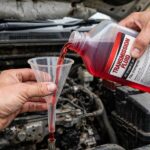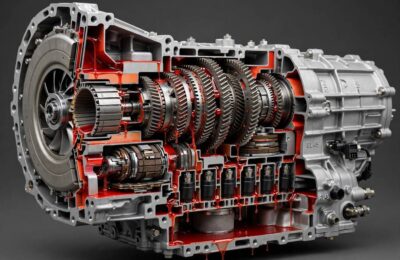
Transmission fluid color is the fastest health check you can do on your transmission. Before scan tools, before codes, before any of the fancy stuff — old-school techs would pull the dipstick, wipe it on a white rag, and read the whole story in one glance. I’m not kidding when I say I’ve seen grown men diagnose a dying transmission from ten feet away just by the color on that rag.
The short answer: healthy transmission fluid should be a translucent pinkish-red. But the story gets more interesting from there, because the color tells you about heat exposure, age, contamination, and sometimes whether you’re about to have a very expensive month. Here’s the full shade guide.
If you haven’t pulled the dipstick before, start with my walkthrough of how to check transmission fluid — the technique matters, because checking cold versus hot changes what you see.
Table of Contents
- The Healthy Colors: Red and Pink
- Light Brown: Caution, Not Panic
- Dark Brown: Change It Soon
- Black: Overdue, Possibly Damaged
- Milky or Pink-Foamy: Coolant Contamination
- Clear or Amber: Some CVT and Synthetic Fluids
- Metallic Glitter in the Fluid
- What to Do About Each Color
- The Dipstick Walkthrough: How I Check Fluid at the Shop
- Frequently Asked Questions
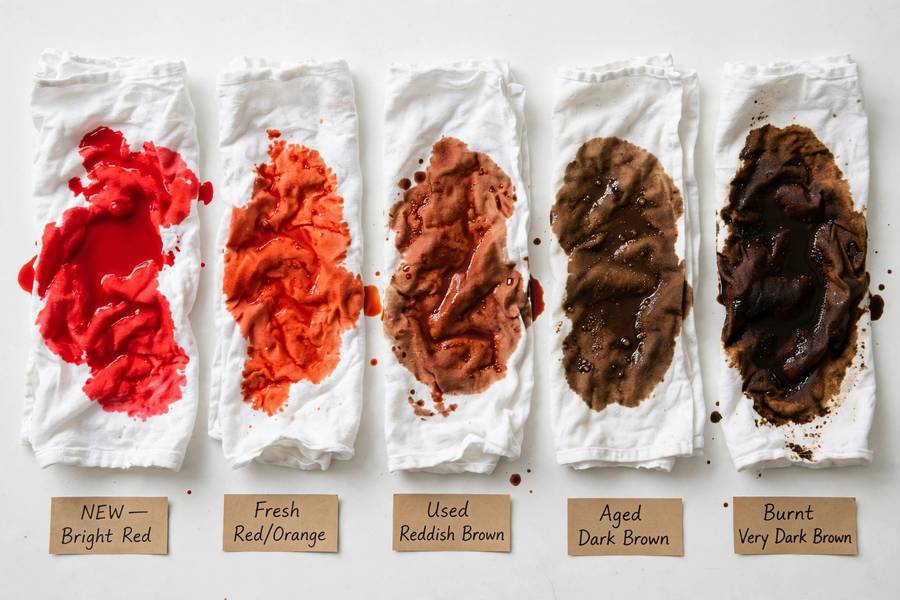
The Healthy Colors: Red and Pink
Fresh automatic transmission fluid is dyed a distinctive reddish-pink — not because the fluid needs to be red, but so techs can instantly tell it apart from motor oil and power steering fluid. It’s a practical color-coding system.
Bright, translucent red or pink means the fluid is fresh or in good shape. Hold the dipstick up to light — you should be able to see light through it. It should also smell faintly sweet, almost like petroleum candy. (I know, weird description, but once you’ve smelled fresh ATF, you’ll know exactly what I mean.)
Fluid that’s been in service for a while will darken slightly to a deeper red. That’s normal aging, not failure. Color alone on the red-to-dark-red spectrum isn’t a crisis — it’s a timeline.
Light Brown: Caution, Not Panic
Light brown means the fluid is aging. The dye is breaking down, oxidation is starting, and the fluid is losing some of its protective additives. This is your early warning.
At light brown, here’s what I do: check the mileage against the service schedule. If the fluid is due or nearly due for a change, schedule it. If it was changed recently and already looks brown, something is running hot — towing, mountain driving, stop-and-go traffic in summer — and you might want to look into whether the transmission is getting adequate cooling.
Light brown is not an emergency. It’s a nudge.
Dark Brown: Change It Soon
Dark brown means the fluid has been cooked by heat and friction past the point of “aging gracefully.” Its ability to protect clutches, lubricate, and transfer hydraulic pressure is degraded.
This is the “change it soon” zone. I’ve had cars come in with dark brown fluid that still shifted fine, and the owners wanted to roll the dice. Sometimes it works out. But degraded fluid accelerates internal wear, and the shift quality you have now is the best it’ll be until you service it.
One caveat: if the car has very high mileage and the fluid has NEVER been changed, dark brown doesn’t automatically mean “flush it today.” There’s a real debate about disturbing long-neglected fluid (more on that in my article about changing fluid on high-mileage cars). But the color itself is telling you the fluid is spent.
Black: Overdue, Possibly Damaged
Black fluid with a burnt, acrid smell is the transmission equivalent of a check-engine light that’s been on for a year. The fluid has been thermally destroyed — it’s no longer protecting anything, and there’s a decent chance the clutch packs have been cooking in it.
At black, you’re not deciding between “change now” and “change later.” You’re deciding between “service it and hope” and “start budgeting for a rebuild.” Be honest with yourself: if the transmission is already slipping or shifting hard, a fluid change might not save it. It might even finish it (see the high-mileage fluid change debate — old, sludgy fluid can be the only thing keeping worn clutches gripping).
Either way, don’t ignore it. Black fluid is a diagnosis, not a maintenance reminder.
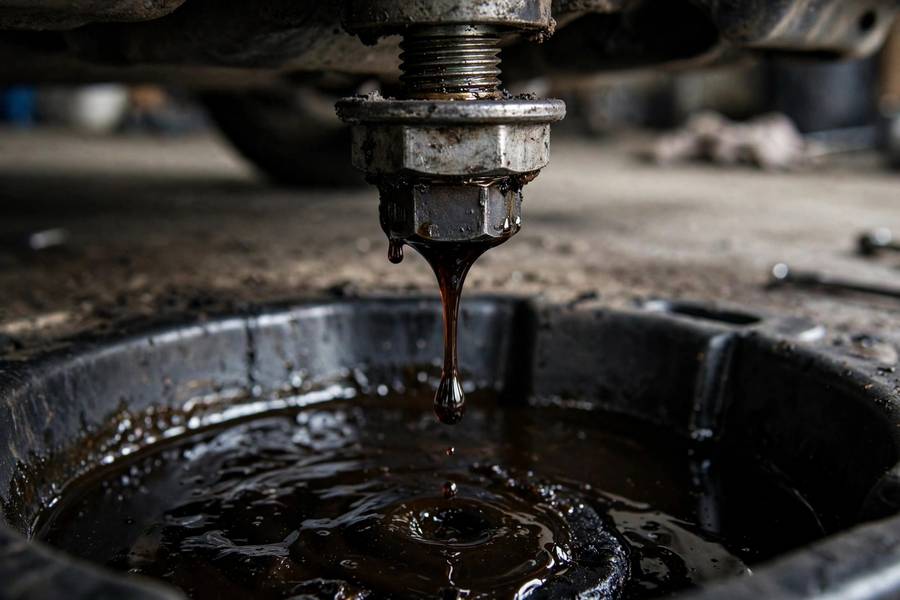
Milky or Pink-Foamy: Coolant Contamination
If your transmission fluid looks like a strawberry milkshake — milky pink, foamy, opaque — that’s coolant mixing with the fluid. On most cars, transmission fluid runs through a cooler inside the radiator, and when that internal barrier fails, coolant and ATF cross-contaminate.
This is genuinely serious. Coolant destroys friction material in a transmission fast. The good news is that the car’s cooling system is involved too, so check your coolant reservoir — if the coolant looks pinkish or oily, that’s confirmation. What coolant does in a car covers the cooling side, but the transmission side needs professional attention: flush, new cooler or radiator, and a very careful assessment of internal damage.
I’ve seen people drive weeks on milkshake fluid. Every mile makes it worse. Don’t.
Clear or Amber: Some CVT and Synthetic Fluids
Not every transmission fluid is red. Some CVT fluids (Nissan’s NS series, for example) and certain modern synthetics are clear, light amber, or greenish. If you’ve got a CVT and the fluid looks like cooking oil instead of cherry syrup, don’t panic — check the spec.
This is why I always say: know your fluid. The “red is healthy” rule covers conventional ATF. Anything else, check the manufacturer’s fluid spec before judging color. A CVT transmission plays by different rules in a lot of ways, and fluid is one of them.
That said, the aging pattern still applies: fresh clear/amber fluid that has gone dark brown or black is still spent, whatever the starting color was.
Metallic Glitter in the Fluid
Wipe the dipstick on a white paper towel and look closely in good light. A tiny bit of fine metallic shimmer on a high-mileage unit isn’t unusual — transmissions wear, and some wear material circulates between changes.
But heavy glitter, visible flakes, or chunks? That’s clutch material or metal from hard parts, and it means something inside is coming apart. Combined with any shifting symptoms, it’s rebuild territory. Combined with nothing at all (shifts fine, no noises), it’s a “monitor closely and service on schedule” situation — and I’d want a shop to look at it before I did any long road trips.
What to Do About Each Color
Quick action guide:
| Color | Smell | Action |
|---|---|---|
| Bright red/pink, translucent | Faintly sweet | Healthy. Keep your service schedule. |
| Deeper red, still translucent | Normal | Aging normally. Note the mileage. |
| Light brown | Slightly sharp | Due for a change soon. Check the schedule. |
| Dark brown | Burnt edge | Change soon. Watch shift quality. |
| Black, opaque | Burnt, acrid | Service now. Assess for damage. |
| Milky pink/foamy | Sweet + chemical | Coolant contamination. Shop, ASAP. |
| Heavy metal glitter | Burnt | Internal wear. Professional diagnosis. |
One thing color can’t tell you: level. Low fluid that’s bright red is still a problem — just a different one. Always check level and color together, and if a check engine light pops up alongside any of the bad colors, get codes read before you drive it hard.
The Dipstick Walkthrough: How I Check Fluid at the Shop
Color means nothing if you check it wrong — and most people check it wrong. Here’s the exact sequence I run at the shop, because the fluid only tells the truth under the right conditions.
Step one: get it hot. Drive the car for at least fifteen minutes. Transmission fluid expands with heat and the level only reads correctly at operating temperature. A cold reading is fiction — cold fluid reads high on some cars and low on others, and either way you’re making decisions from bad data.
Step two: level ground, engine running. Park on a flat surface, leave it in Park, engine idling. This is the opposite of checking engine oil, and it’s where most DIYers go wrong — checking with the engine off reads high and sends people chasing problems they don’t have.
Step three: cycle the gears. Foot on the brake, shift slowly through every gear — Park, Reverse, Neutral, Drive, back to Park, pausing two seconds in each. This circulates fluid through the valve body and cooler so you’re reading the whole system, not a puddle.
Step four: pull, wipe, re-dip. Pull the dipstick, wipe it clean with a lint-free white rag, push it all the way back in, then pull it again. The first pull is always contaminated by fluid splashed up the tube. The white rag matters — you’re judging color, and a blue shop towel lies to you.
Step five: read it. Hold the rag up to daylight. Red or pink with a slightly sweet smell — healthy. Brown — aging. Black with a burnt smell — overdue. Milky — coolant, and that’s an emergency. Rub a drop between your fingers: it should feel slick, not gritty. Grit is clutch material, and that’s a different conversation.
The sealed-unit catch. Many modern transmissions have no dipstick — just a fill plug on the side that a technician checks at temperature on a lift. If you can’t find a dipstick, you don’t have one, and this becomes a shop job. Don’t let anyone talk you into “topping it off” blind through a vent tube. That’s how overfills happen, and overfilled transmissions have their own problems — foaming, overheating, blown seals.
Do the check right and the color chart in this article actually means something. Do it wrong and you’re diagnosing a shadow.

Frequently Asked Questions
Healthy automatic transmission fluid is a translucent pinkish-red with a faintly sweet smell. Some CVT and synthetic fluids are clear or amber instead — check your car’s fluid spec. Dark brown or black fluid means it’s degraded and needs changing.
Light brown means the fluid is aging and due for a change soon — not an emergency. Dark brown or black means the fluid is thermally degraded; change it soon, and watch for slipping or harsh shifts that suggest internal damage.
Milky or foamy pink transmission fluid means coolant is mixing with the fluid, usually from a failed internal transmission cooler in the radiator. This is serious — coolant destroys clutch friction material. Get it to a shop immediately.
Black fluid has been overheated and oxidized past the point of protecting the transmission. It usually means the fluid is long overdue for a change. If the transmission is already slipping or shifting hard, a shop should assess whether a service or a rebuild is the right call.
Light-to-dark brown fluid with normal shifting is drivable short-term while you schedule a service, but don’t tow or push it hard. Black fluid, burnt smell, or any slipping means you should minimize driving and get it diagnosed.