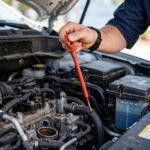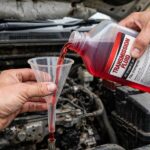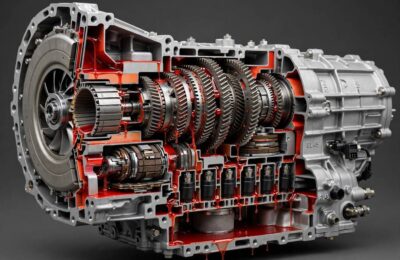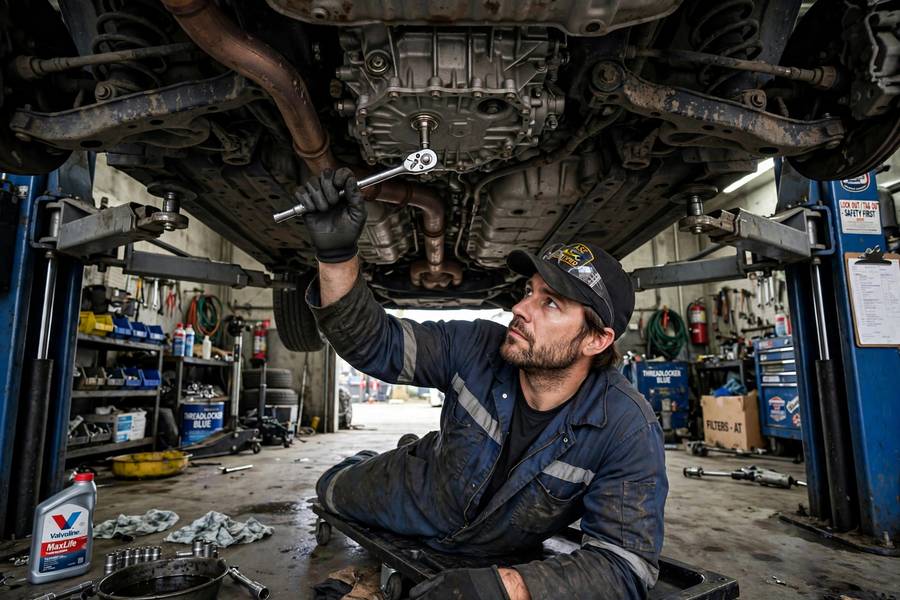
I’ll be honest — the first time I popped the hood of a buddy’s 2018 Accord and couldn’t find the transmission dipstick, I thought something was missing. It wasn’t. Somewhere along the way, manufacturers decided that regular drivers shouldn’t be checking their own transmission fluid, so they just… stopped giving you the dipstick. They call it a “sealed” or “lifetime fill” transmission, which sounds reassuring until you realize “lifetime” means the lifetime of the warranty, not the car.
Checking fluid on one of these takes more work than pulling a dipstick and wiping it on a rag. But it’s absolutely doable in your driveway if your car cooperates. Here’s the full rundown — what the manufacturers expect you to do, the tools you’ll need, and when you should just let a shop handle it.
If you do have a dipstick, the process is way simpler. I covered that in my guide on how to check transmission fluid the traditional way.
Table of Contents
- Why Some Transmissions Have No Dipstick
- Can You Still Check the Fluid Yourself?
- What You Need Before You Start
- The Fill Plug Method, Step by Step
- Reading the Fluid: What You’re Looking For
- The Temperature Factor (This Is the Tricky Part)
- Signs You Should Stop and Call a Shop
- Frequently Asked Questions
Why Some Transmissions Have No Dipstick
Manufacturers started sealing transmissions back in the mid-2000s. The official reasons sound reasonable: less chance of contamination from owners poking around, less chance of someone adding the wrong fluid (which is a real transmission killer), and modern synthetic fluids that genuinely last longer.
The unofficial reason? It steers you toward the dealership for anything transmission-related. Nothing nefarious — just how the business works.
Cars commonly sold without a transmission dipstick include many Hondas (Accord, CR-V, Civic with CVTs), newer Fords, most BMWs and Mercedes with sealed units, newer Toyotas with certain transmissions, and a whole pile of CVT-equipped vehicles. My rule of thumb: if you look under the hood for five minutes and can’t find a transmission dipstick tube, you probably have a sealed unit. A CVT transmission is especially likely to be dipstick-free, since those units are extra sensitive to fluid level and condition.
Here’s the thing that bugs me about “lifetime fill”: there is no such thing as a fluid that never degrades. Heat, friction, and sheer mechanical stress break transmission fluid down — it’s chemistry, not marketing. Most techs I trust say “lifetime” means 100,000 miles at best, and many recommend checking or servicing well before that.
Can You Still Check the Fluid Yourself?
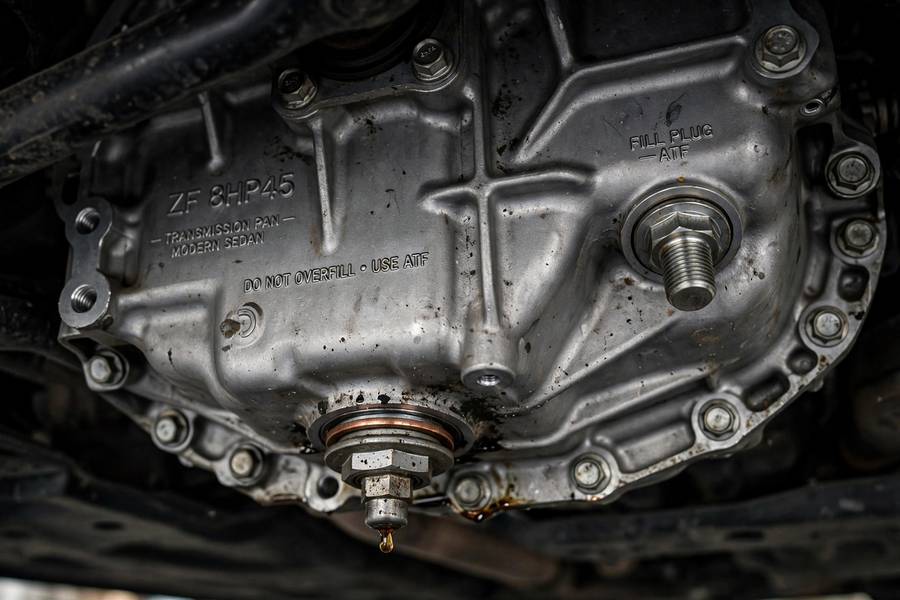
Yes — but “check” means something different on a sealed unit. Instead of a dipstick, the transmission has a fill plug on the side (or sometimes underneath) of the case. Fluid level is considered correct when it sits right at the bottom of the fill plug hole with the car level and the fluid at operating temperature. Remove the plug, and fluid should barely seep out.
That’s the entire measurement system. No marks, no “HOT/COLD” zones, no dipstick reading. Just: seep or no seep.
Some cars also have a drain plug that doubles as the level indicator (the VW/Audi world calls these “overflow” or “level” plugs — you crack them with the engine running and watch for a thin stream). German cars in particular love this setup, and some require proprietary fill adapters and precise temperature windows.
So the honest answer: if your car has a straightforward fill plug on the side of the transmission case and you can get the car level and the fluid warm, you can do this in your driveway. If the procedure requires a scan tool to read exact fluid temp, a special fill pump, and three pages of footnotes from the service manual — pay the shop.
What You Need Before You Start
Don’t just crawl under there. Here’s the actual kit:
Jack and jack stands (not just the jack). The car has to be LEVEL for the fill-plug check to mean anything. If the nose is up or down even slightly, your reading is garbage. Get all four corners level on stands, or better yet, use a lift if you have access to one.
The right wrench or socket. Fill plugs vary — hex bolts, Torx, internal hex (Allen). Have a set handy so you’re not crawling back out.
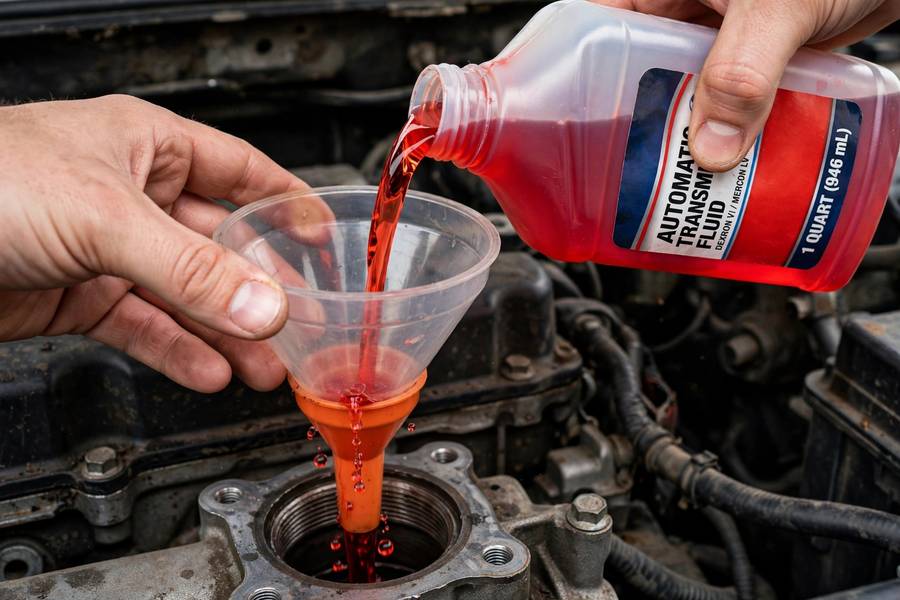
A fluid pump or long-neck funnel. If you need to add fluid, you’re filling through a side plug, not a tube from the top. A hand-pump bottle adapter (a few bucks at any parts store) makes this painless.
The CORRECT fluid. This is where people destroy transmissions. Sealed units often spec very particular fluids — CVTs especially (don’t even think about using regular ATF in a CVT). Check the owner’s manual or the fill plug area, where the spec is sometimes stamped on the case.
Clean rags and a catch pan. Because gravity.
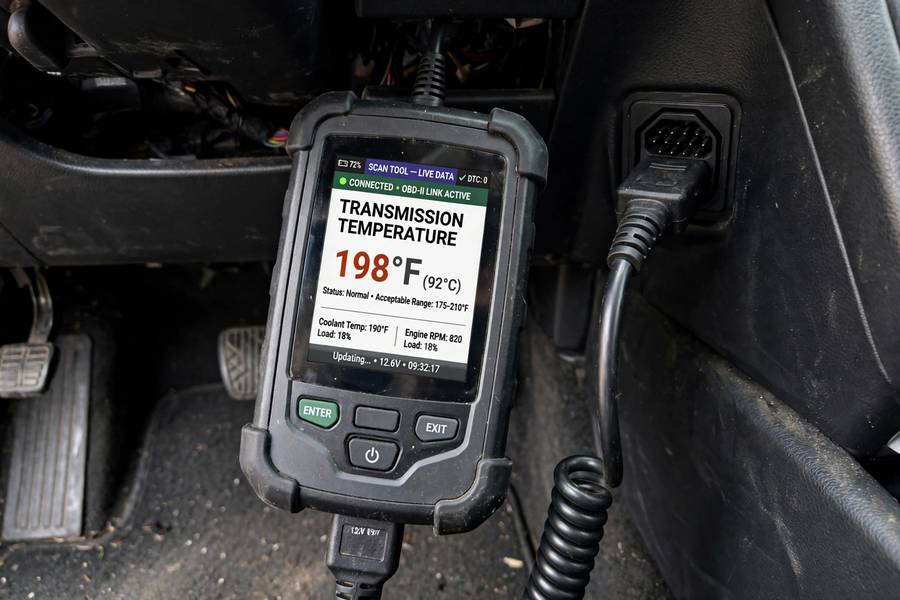
A way to check temperature (ideally). An inexpensive OBD-II scanner with live transmission temperature data is the gold standard. Some cars want the fluid between roughly 95-113°F (35-45°C) for the check. The old “warm it up by driving ten minutes” trick is a rough substitute — acceptable on simple setups, not on German precision units.
The Fill Plug Method, Step by Step
1. Drive the car until warm. Fifteen minutes of normal driving. Fluid expands as it heats, and level readings assume operating temperature. Don’t do this stone cold.
2. Get the car level. On stands, all four corners, or a lift. This matters more than everything else. A tilted car gives a wrong reading every single time.
3. Find the fill plug. It’s on the side or top of the transmission case, above the pan. If you’re staring at a drain plug on the bottom of the pan, that’s not it — draining first is a very bad day. Double-check against your owner’s manual or a quick model-specific search.
4. Loosen the fill plug FIRST. This is the golden rule of any drain-or-fill job: always crack the fill plug before you touch anything else. If you drain the fluid and then discover the fill plug is seized, you’re stranded.
5. Remove the fill plug and observe. With the engine OFF for most automatics (some VW/Audi overflow plugs require the engine running in Park — follow your car’s procedure), pull the plug and watch: – Fluid slowly seeps or drips out: level is correct. You’re done. Reinstall the plug. – Nothing comes out: fluid is low. Add the correct fluid slowly until it starts seeping out, then reinstall the plug. – A heavy gush: overfilled (rare unless someone just serviced it). Let it drain to a seep.
6. Inspect what came out. Catch a little on a clean rag. This is your health check — more on that below.
7. Torque the plug back on. Don’t reef on it. Aluminum case threads strip easily. Snug with a ratchet is plenty — if you have a torque wrench and the spec, use it.
Total driveway time: maybe 30-45 minutes, most of it getting the car up and level.
Reading the Fluid: What You’re Looking For
The fluid that seeps out tells you more than the level does. Healthy ATF is translucent pinkish-red with a slightly sweet smell. Here’s my quick triage:
- Dark brown or black, smells burnt: the fluid is cooked. A change is overdue, and I’d be watching for shift quality issues.
- Milky or foamy: coolant contamination, which is serious — possible radiator internal failure mixing coolant into the transmission lines. Stop driving and get it diagnosed.
- Metallic glitter: wear material. Some fine shimmer on very high-mileage units isn’t panic-worthy, but chunks or a heavy metallic sheen means internal wear.
- Low level but clean fluid: you’ve got a leak somewhere. Top it off and find the source — leaks don’t fix themselves.
The Temperature Factor (This Is the Tricky Part)
I want to flag this because it’s where DIY checks go sideways. Transmission fluid expands noticeably with heat. The fill-plug method assumes the fluid is at a specific operating temperature — for many cars, roughly 95-113°F (35-45°C).
Check it cold and you’ll overfill (fluid hasn’t expanded yet, so you’ll add fluid it doesn’t need). Check it scorching hot after a hard drive and you might read it low and drain out fluid you should’ve kept.
My practical approach: drive the car normally for about 15 minutes — not a highway blast, not idling in the driveway — then do the check promptly. For cars where the manual specifies a tight temperature window (BMW, Audi, Mercedes love this), get a $25 Bluetooth OBD-II adapter and your phone and read the actual transmission temp PID. It’s the cheapest precision upgrade you’ll ever make.
Signs You Should Stop and Call a Shop
I’ll talk anybody through a simple fill-plug check. But there are lines I don’t cross in my own driveway, and you shouldn’t either:
- The procedure needs the engine running in gear on a lift. Some VW/Audi and Mercedes checks require the engine running while you crack a level plug underneath. If the car falls off the stands while you’re under it in gear, you don’t get a second chance.
- No fill plug visible at all. Some newer units genuinely have no owner-serviceable check point. Forcing it isn’t resourceful — it’s how transmissions die.
- The fluid is milky or full of metal. That’s not a driveway fix. That’s a diagnosis.
- A check engine light or transmission warning is already on. Pulling a plug tells you nothing a scan can’t tell you better. Get the codes read first.
Frequently Asked Questions
On sealed transmissions, you check fluid level using a fill plug on the side of the transmission case. With the car level and fluid at operating temperature, remove the fill plug — if fluid barely seeps out, the level is correct. If nothing comes out, add fluid until it seeps.
Manufacturers sealed transmissions to prevent contamination, wrong-fluid additions, and because modern synthetic fluids last longer. Many also prefer owners to visit dealerships for transmission service. “Sealed” doesn’t mean the fluid never degrades, though.
Yes, using a hand pump or long-neck funnel through the fill plug on the side of the transmission case. Always loosen the fill plug first, use only the exact fluid specified for your transmission, and check level at operating temperature with the car level.
Most sealed transmissions want fluid at operating temperature, roughly 95-113°F (35-45°C), though specs vary by manufacturer. A cheap OBD-II scanner can read actual transmission temperature; checking stone cold or scorching hot gives a wrong reading.
In my experience, yes. “Lifetime fill” is marketing for the warranty period, not reality. Most trusted techs recommend servicing around 60,000-100,000 miles depending on the car and driving conditions, especially for CVTs.