
I’m Jonathan. In twenty years of business, I’ve heard “slogan” and “tagline” used interchangeably in approximately every meeting — including by marketing professionals who should know better. The terms do overlap, and honestly, the distinction matters less than most branding articles claim. But there is a real difference, and understanding it helps you write better ones and use them correctly.
Here’s the practical breakdown, with examples you’ll recognize.
In This Guide
- The Short Answer
- What Is a Tagline?
- What Is a Slogan?
- Side-by-Side Comparison
- Famous Examples of Each
- When to Use Which
- How to Write One That Sticks
- Frequently Asked Questions
The Short Answer
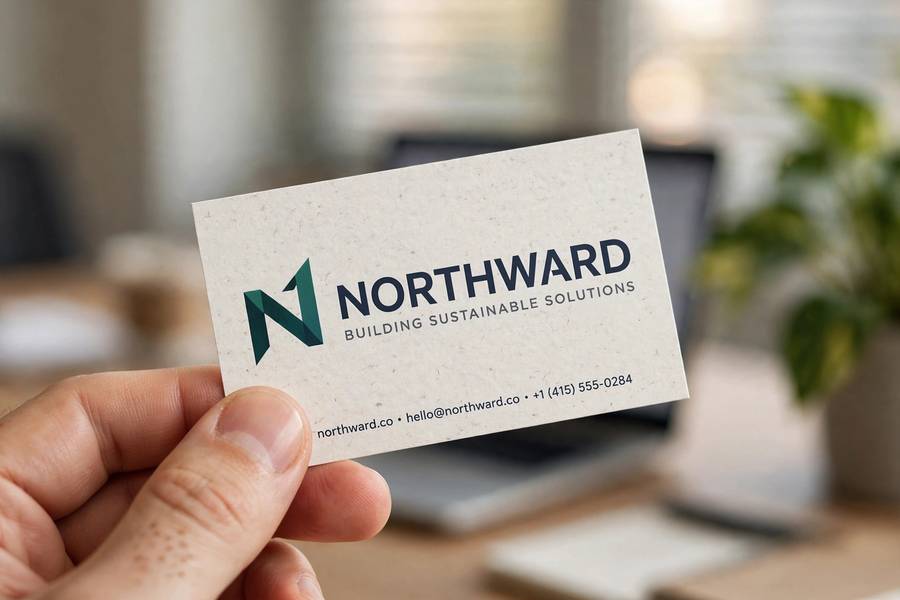
A tagline is a permanent phrase tied to your brand identity — it captures what the brand stands for and rarely changes. A slogan is a campaign-specific phrase tied to a product, promotion, or moment in time — it changes with campaigns.
Think of it this way: the tagline is the brand’s tattoo; the slogan is the brand’s outfit. One is (mostly) forever, the other changes with the season.
In practice, people mix the terms constantly, and no customer has ever refused to buy because you called your tagline a slogan. But when you’re briefing an agency or building a brand system, the distinction keeps everyone aligned.
What Is a Tagline?
A tagline is a short, memorable phrase permanently associated with a brand. It distills the brand’s promise, personality, or positioning into a handful of words. Key traits:
- Long-lived. Taglines last years or decades. Changing one is a major brand event.
- Brand-level. It describes the company or master brand, not a single product or campaign.
- Identity-adjacent. It usually appears with the logo — on packaging, websites, signage.
- Positioning-driven. The best taglines capture why this brand exists in a way competitors can’t claim.
Classic taglines: Nike’s “Just Do It” (1988–present), Apple’s “Think Different” (1997–2002, still culturally attached), L’Oréal’s “Because You’re Worth It,” BMW’s “The Ultimate Driving Machine,” De Beers’ “A Diamond Is Forever.”
Notice how each one stakes a claim about the brand’s worldview, not a product feature. That’s the tagline’s job — meaning, not messaging.
What Is a Slogan?
A slogan is a catchy phrase created for a specific campaign, product launch, or promotional period. Key traits:
- Temporary. Slogans run for a campaign cycle — months, maybe a couple of years — then retire.
- Campaign-level. Tied to a product, season, or marketing push, not the master brand.
- Action-oriented. Slogans often include a call to action or a timely hook.
- Flexible. A brand can run multiple slogans simultaneously for different products or audiences.
Examples: McDonald’s runs campaign slogans around menu items and seasons while “I’m Lovin’ It” serves as the enduring tagline. Apple’s product launches get slogans (“Shot on iPhone” for camera campaigns) while the brand-level identity sits above them. Movie studios are slogan factories — every film gets one (“In space no one can hear you scream”).
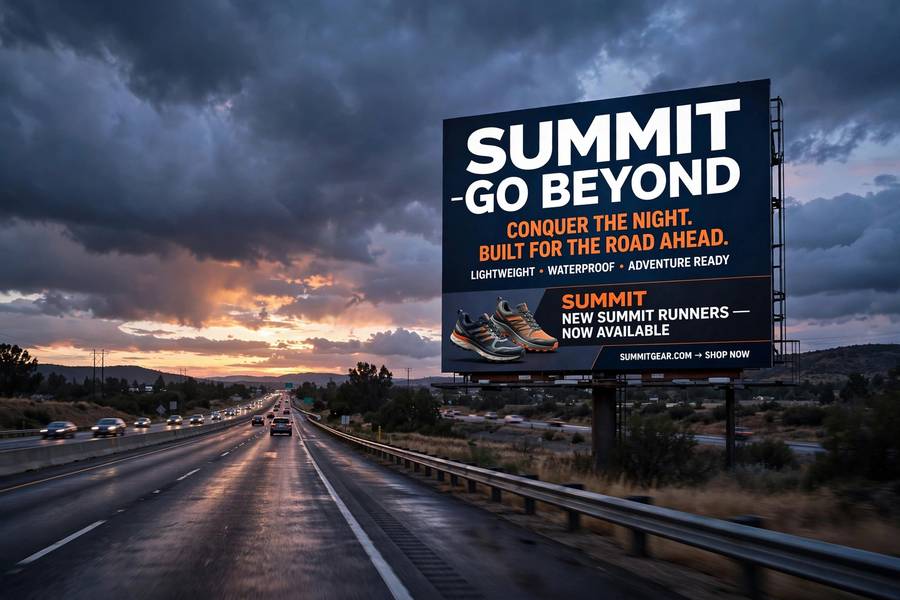
The slogan’s job is impact now: drive attention, sales, or attendance for something specific.

Side-by-Side Comparison
| Tagline | Slogan | |
|---|---|---|
| Lifespan | Years to decades | Months to a few years |
| Scope | Whole brand | Campaign, product, or event |
| Purpose | Identity and positioning | Attention and action |
| Changes | Rarely; a rebrand event | Routinely; expected |
| Example | “Just Do It” (Nike) | A Nike campaign line for a shoe launch |
The confusion is understandable: a great slogan can become a tagline if it resonates long enough (“I’m Lovin’ It” started as a campaign line in 2003 and became McDonald’s de facto tagline). The categories describe function and lifespan, not quality.
Famous Examples of Each
Taglines that defined brands:
– Nike — “Just Do It”: not about shoes, about a mindset. Thirty-five+ years and counting.
– De Beers — “A Diamond Is Forever”: literally invented the diamond engagement ring tradition. Perhaps the most valuable sentence in advertising history.
– BMW — “The Ultimate Driving Machine”: a positioning claim competitors still can’t touch.
– L’Oréal — “Because You’re Worth It”: transformed cosmetics from vanity to self-worth.
Slogans that served campaigns:
– Apple — “Shot on iPhone”: brilliant product slogan showcasing camera quality, not a brand redefinition.
– Kit Kat — “Have a Break, Have a Kit Kat”: campaign-identified, though long-running enough to feel tagline-like.
– Movie taglines-are-actually-slogans: “Alien’s” “In space no one can hear you scream” sold one film, not a studio.
Study the taglines if you’re building a brand; study the slogans if you’re running a campaign. Different crafts.
When to Use Which
You need a tagline when: launching or rebranding a company, and you want a permanent expression of positioning. Most small businesses don’t need one on day one — a clear description of what you do (“Plumbing done right, on time”) beats a clever-but-empty phrase. Earn the tagline; don’t force it. Early-stage startups usually need a tagline first — it explains what you do — and earn a slogan later, once customers already know the name.
You need a slogan when: launching a product, running a seasonal campaign, promoting an event, or giving a sales team a rallying cry. Slogans are tools — deploy them for specific jobs.
You need neither when: your brand is too young for anyone to care about your philosophy, or your marketing works fine on clear, direct messaging. Some of the best-performing small businesses have no tagline at all — just a reputation.
For the bigger picture of how these phrases fit into brand strategy, my explainer on what branding means puts taglines and slogans in their proper place within the full brand system.
How to Write One That Sticks
Whether tagline or slogan, the craft is the same:
- Start with the truth. The best lines compress something real about the brand or offer. Interview customers — the phrase you need is often already in their words.
- Keep it short. Under 6 words ideally. If it needs a paragraph of explanation, it’s not working.
- Make it sayable. Read it aloud. Great lines have rhythm — “Just Do It” is three beats. Awkward phrasing dies no matter how clever the idea.
- Differentiate or die. “Quality you can trust” could describe ten thousand companies. If a competitor could use your line unchanged, start over.
- Test it on strangers. Your team is blind to your own cleverness. If five strangers can’t repeat it back after hearing it once, simplify.
- Check the associations. Search the phrase globally — linguistic and cultural collisions are real, and trademark conflicts are expensive.
And the hardest rule: kill your darlings. The line you love but nobody remembers is worse than the plain line everyone repeats. Memorability is the only metric.
Tagline = the brand’s permanent promise. Slogan = the campaign’s temporary battle cry. Use the distinction when building brand systems and briefing creatives — and don’t stress when the world mixes them up, because the world always will. What matters isn’t the label; it’s whether the words stick.
Frequently Asked Questions
A tagline is a permanent phrase tied to brand identity (Nike’s “Just Do It”) that rarely changes. A slogan is a temporary phrase created for a specific campaign, product, or promotion that changes regularly. Taglines define the brand; slogans drive specific actions.
It’s a tagline — Nike’s permanent brand phrase since 1988, expressing the brand’s worldview rather than promoting a specific product. Nike creates separate slogans for individual campaigns and product launches beneath it.
Not necessarily. Most small businesses do better with a clear description of what they do (“Plumbing done right, on time”) than a forced clever phrase. A tagline becomes valuable as your brand matures and needs a permanent expression of positioning. Don’t force one on day one.
Under 6 words ideally. The best slogans and taglines are short, rhythmic, and repeatable — if strangers can’t repeat it back after hearing it once, simplify it. Memorability is the only metric that matters.
Yes — when a campaign phrase resonates deeply enough and lasts long enough, it can graduate. McDonald’s “I’m Lovin’ It” began as a 2003 campaign line and became the brand’s de facto tagline. The categories describe function and lifespan, not quality.