How to Store Leftovers Safely in Fridge: USDA Rules Made Simple

I love leftovers. A good batch of stew on Sunday becomes three easy dinners, and nobody in my house complains. But I also know that the line between “delicious second-day meal” and “stomach trouble” is thinner than most home cooks realize. So let us talk about how to store leftovers safely in fridge, using the actual USDA food safety rules, translated from government-speak into a plain checklist you can stick on your refrigerator door.
No lectures here, just the rules that matter, the science behind them in one paragraph, and the practical habits that make safe storage automatic. I follow these in my own kitchen every week.
The One Paragraph of Science You Need
Bacteria that cause foodborne illness thrive between 40°F and 140°F (4°C to 60°C), a range food safety experts call the “danger zone.” At room temperature, bacterial populations can double every 20 minutes. Refrigeration at or below 40°F does not kill bacteria, but it slows their growth dramatically, buying you a safe window of a few days. Every rule below is just a practical application of that single fact: keep food out of the danger zone as much as possible, and do not stretch the cold-storage window past what the bacteria allow.
How to Store Leftovers Safely in Fridge: The Checklist
1. The 2-hour rule: refrigerate promptly. Get leftovers into the fridge within 2 hours of cooking (1 hour if the room is above 90°F, like a summer picnic). This is the most violated and most important rule. The clock starts when the food finishes cooking, not when you finish eating. Set a timer if your family lingers at the table.
2. Cool it fast, but not on the counter for hours. A giant pot of soup cools slowly, staying in the danger zone for hours. Speed it up: divide large batches into shallow containers (no more than 2-3 inches deep), which cool far faster than one deep pot. You can also use an ice bath for soups and stews. Contrary to the old myth, you do not need to wait until food is room temperature before refrigerating; modern refrigerators handle warm (not steaming) food fine, and getting it cold sooner is safer.
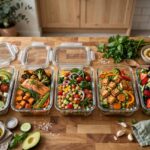
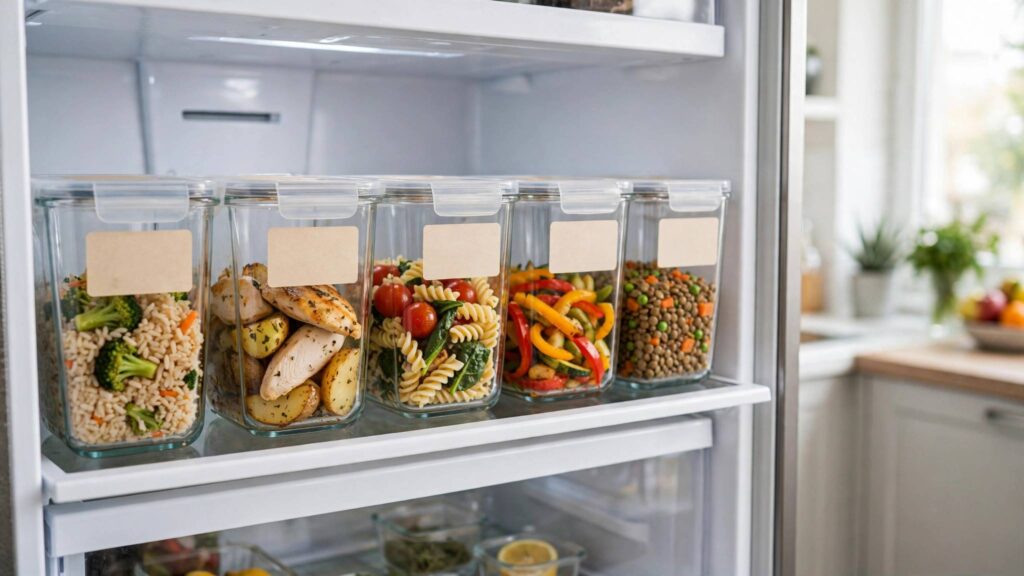
3. Use shallow, airtight containers. Shallow containers cool faster and stack better. Airtight lids prevent cross-contamination, keep odors from migrating (your leftover curry should not perfume the milk), and keep food from drying out. Glass containers let you see what is inside, which means leftovers actually get eaten instead of discovered as science experiments.
4. Keep the fridge at 40°F (4°C) or below. Your refrigerator should hold at or below 40°F; the freezer at 0°F (-18°C). If you do not have a fridge thermometer, get one; they cost a few dollars and remove all guesswork. A fridge that runs at 45°F looks fine and feels cold but does not protect food the way 38°F does.
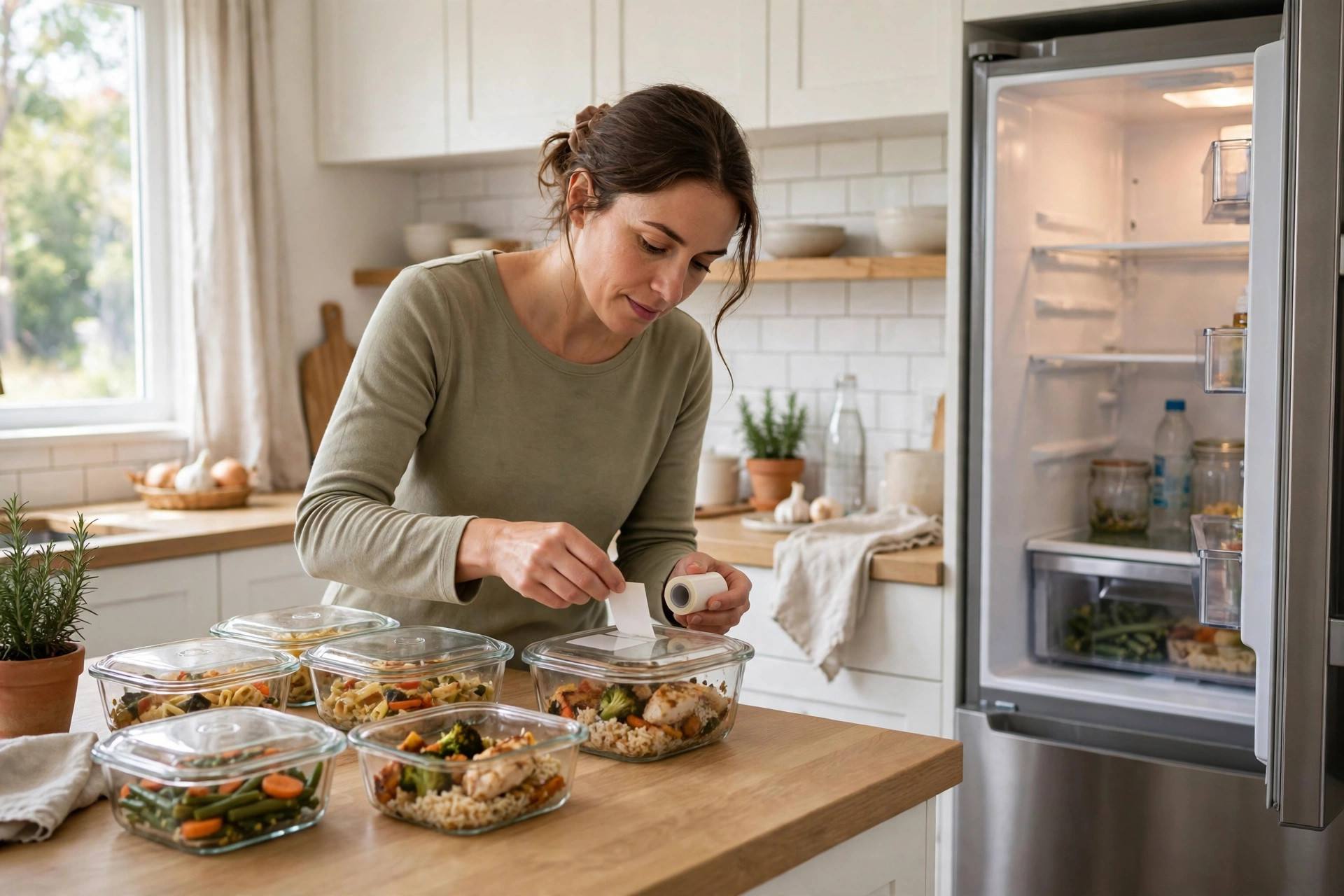
5. The 3-to-4-day rule: eat or freeze. Most cooked leftovers are safe for 3 to 4 days in the refrigerator. Day 1 is the cooking day. If you will not eat it by day 4, freeze it on day 2 or 3 rather than pushing your luck. Label containers with the date; “mystery container from last week” is how food waste and food poisoning both happen.
6. Reheat to 165°F (74°C). When reheating, bring leftovers to 165°F throughout, measured with a food thermometer, not guessed. Sauces and soups should come to a rolling boil. Microwaves heat unevenly, so stir halfway and let food stand for the recommended time to let heat distribute. Reheat only the portion you will eat; repeated cooling and reheating cycles multiply the time food spends in the danger zone.
7. When in doubt, throw it out. The USDA’s most-quoted line exists for a reason: you cannot see, smell, or taste the bacteria that cause most foodborne illness. A leftover that smells fine on day 6 can still make you sick. The cost of wasted food is always less than the cost of food poisoning.
How Long Do Specific Leftovers Last?
The 3-to-4-day rule covers most cooked foods, but a few specifics help. Cooked meat and poultry: 3-4 days. Cooked fish: 3-4 days (it is more perishable in practice, so aim for 3). Soups and stews: 3-4 days. Cooked rice and pasta: 3-4 days in the fridge, and rice deserves special attention, see below. Pizza: 3-4 days. Hard-boiled eggs in shell: up to a week. Opened deli meat: 3-5 days. These assume prompt refrigeration at proper temperature; every hour at room temperature shortens the window.
A note on rice: cooked rice can harbor Bacillus cereus, whose spores survive cooking and whose toxins survive reheating. Cool rice quickly (spread it on a tray), refrigerate within an hour, and eat within a day or two. Fried rice from last week’s takeout container is one of the riskiest leftovers in the average fridge.
Freezing Leftovers: The Pause Button
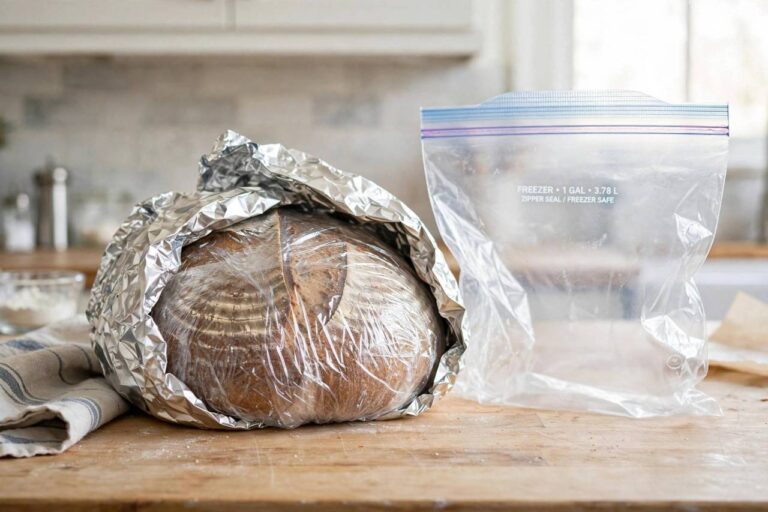
Freezing at 0°F stops bacterial growth entirely (it does not kill all bacteria, but it stops the clock). Most leftovers freeze well for 2-3 months at peak quality, longer safely. Cool food before freezing, leave headspace in containers for expansion, and label with contents and date. Thaw in the fridge overnight, never on the counter; a frozen block thawing on the counter spends hours in the danger zone on its exterior while the center is still ice. For faster thawing, use the microwave’s defrost setting or a sealed bag in cold water (changed every 30 minutes), then cook immediately.
Common Mistakes I See in Home Kitchens
The “it is still warm” wait. Leaving food out until completely cool routinely pushes past the 2-hour mark. Refrigerate when it is warm, not hot; steaming-hot pots can go in too if divided into shallow containers, though letting the worst of the steam off for 20-30 minutes is fine.
Putting the whole pot in the fridge. A deep stockpot of soup can take 6+ hours to cool to safe temperature in the center. Always divide into shallow containers first.
Sniff-testing old food. Spoilage bacteria (which cause bad smells) and pathogenic bacteria (which cause illness) are different organisms. Food can be dangerous without smelling off, and smelly without being dangerous. Dates and rules beat noses.
Reheating the whole batch repeatedly. Each reheat cycle adds danger-zone time. Portion out what you will eat and reheat only that.
Fridge Organization: Where Leftovers Go Matters
Where you put the container affects how safely it cools and how likely you are to eat it in time. The top shelf has the most consistent temperature, making it the best home for leftovers and ready-to-eat foods; the door, by contrast, is the warmest spot with the most temperature swings, so keep condiments there, not last night’s chicken. Leave space between containers for cold air to circulate; a fridge packed solid cools unevenly, and the containers in the middle stay warmer than you think.
Adopt a simple system: new leftovers go to the back, older ones move forward, so the oldest food is always the most visible. Keep a dry-erase marker or masking tape and a pen near the fridge for instant labeling; the lower the friction, the more consistently you will date things. Designate one shelf or bin as the “eat first” zone for anything on day 3 or 4, and check it before cooking something new. This is not just organization for its own sake; most forgotten leftovers are forgotten because they were invisible, and invisible food becomes unsafe food. A fridge you can read at a glance is a fridge where nothing reaches day 6 by accident.
One more habit that pays off: do a two-minute fridge scan every Sunday. Anything past day 4 gets frozen or tossed, anything on day 3 gets planned into the week’s meals, and mystery containers get opened and identified rather than pushed to the back. This tiny weekly ritual virtually eliminates both food waste and the “is this still good?” gamble, because nothing ever sits long enough to become questionable. Pair it with a standing grocery list so the week’s plan turns directly into shopping, and the whole system runs itself.
Frequently Asked Questions
How long can leftovers sit out at room temperature?
No more than 2 hours (1 hour if the ambient temperature is above 90°F). After that, bacteria may have multiplied to unsafe levels even if the food looks and smells fine.
Can you put hot food directly in the fridge?
Yes, with a caveat. The USDA says it is safe to refrigerate warm food promptly; you do not need to wait for room temperature. For very large or steaming-hot batches, divide into shallow containers first so they cool quickly and do not warm up the rest of the fridge.
How long are leftovers good in the fridge?
Most cooked leftovers last 3 to 4 days refrigerated at 40°F or below. When in doubt, freeze on day 2 or 3. Label everything with the date it was cooked.
What temperature should leftovers be reheated to?
165°F (74°C) throughout, verified with a food thermometer. Bring sauces, soups, and gravies to a rolling boil. Stir microwaved food halfway through for even heating.
Can you freeze leftovers?
Yes, freezing at 0°F stops bacterial growth. Most leftovers keep best quality for 2-3 months frozen. Thaw in the refrigerator, in cold water, or in the microwave, never on the counter.
Is it safe to eat cold leftovers without reheating?
Some leftovers (like cold pizza or deli-style dishes) are commonly eaten cold, but reheating to 165°F is the safest practice, especially for meat, poultry, and rice dishes. If eating cold, the food must still have been stored properly within the 3-4 day window.
Final Thoughts
Safe leftovers come down to three numbers: 2 hours to refrigerate, 40°F in the fridge, 3 to 4 days to eat or freeze, and 165°F to reheat. Tape the checklist to the fridge, label your containers, and enjoy your Sunday stew on Wednesday with total confidence.