How to Start Working Out as a Complete Beginner (30-Day Plan)

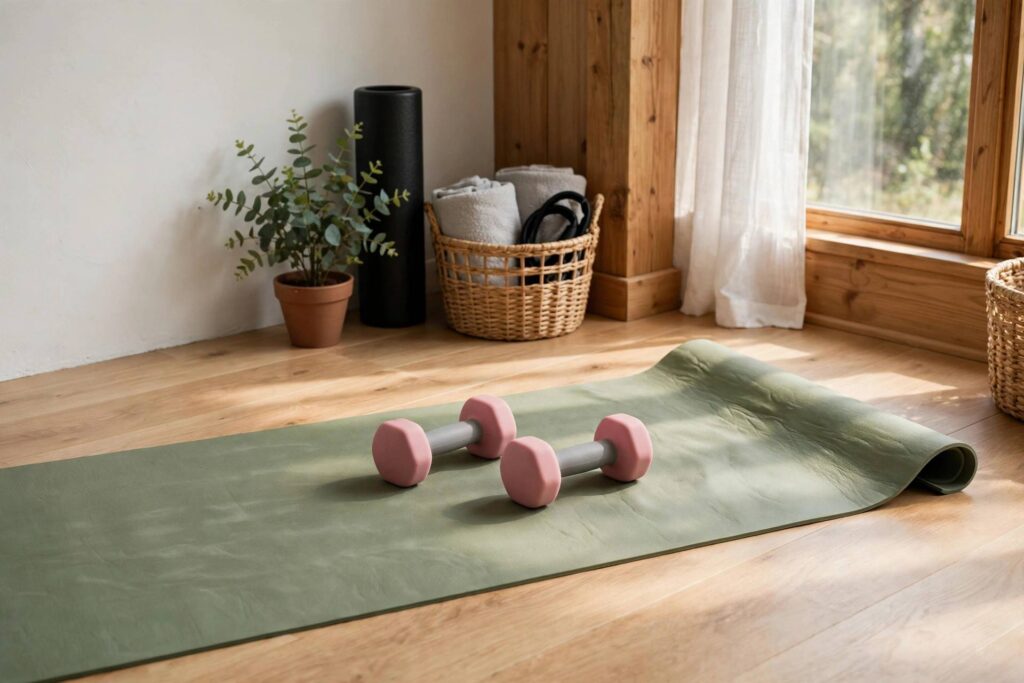
Starting to work out as a complete beginner feels harder than it should. Not because the exercises are complicated, they’re not, but because everything around fitness feels designed for people who already belong. The crowded gym, the confusing machines, the fear of looking foolish. I’ve coached hundreds of beginners, and I want you to hear this first: every fit person you see was once exactly where you are. Learning how to start working out as a complete beginner is mostly about removing barriers, not about finding the perfect program.
This guide gives you a realistic first-30-days plan, busts the gym-intimidation problem properly, and includes no-equipment starter routines you can do in your living room today. No experience required. No judgment, either.
The Beginner Mindset: What Actually Matters
Forget everything fitness marketing told you. As a beginner, three things matter and everything else is noise. First, consistency beats intensity: three easy workouts a week transform you; one brutal workout followed by two weeks of soreness does nothing. Second, the best program is the one you’ll actually do, which means it has to fit your life, not an influencer’s. Third, progress is slow and then sudden: the first three weeks feel like nothing is happening, and then your body adapts all at once.
Set the bar laughably low at the start. Your goal for week one isn’t a transformation; it’s establishing the habit. A fifteen-minute walk and ten minutes of bodyweight exercises, done three times, is a perfect first week. Anyone telling you to do more on day one is selling something.
How to Start Working Out as a Complete Beginner: Your First 30 Days
Week 1: Move and learn (3 sessions, 20 minutes each)
Each session: five-minute walk to warm up, then two rounds of bodyweight squats (8 reps), wall push-ups (8 reps), and glute bridges (10 reps), finishing with a five-minute walk. Rest as needed between exercises. The goal is learning the movements and proving to yourself that you can show up three times.
Week 2: Add a little more (3 sessions, 25 minutes each)
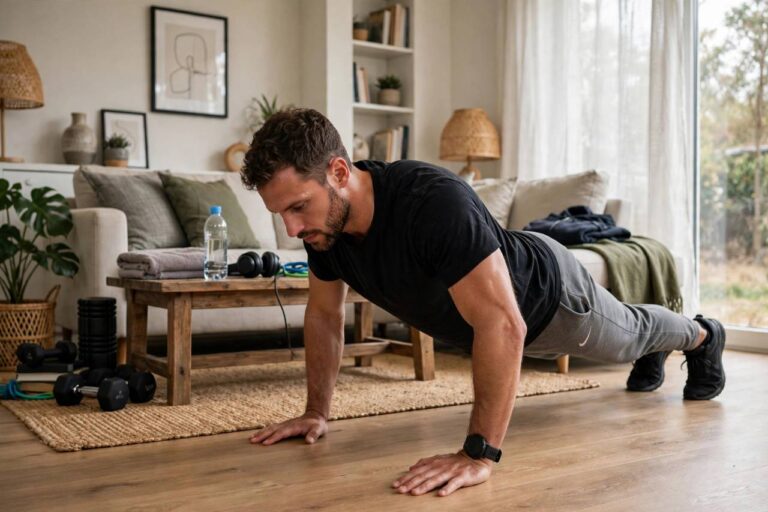
Same structure, three rounds instead of two. Try incline push-ups on a sturdy table instead of the wall if the wall version feels easy. Add a one-minute plank hold (broken into whatever chunks you need). You’re building the base layer of strength and the habit is starting to stick.
Week 3: Introduce structure (3-4 sessions, 30 minutes each)
Now split your sessions: two full-body strength days and one or two cardio days (brisk walking, cycling, or jogging intervals). Strength days use the same exercises with an extra round; cardio days are twenty to thirty minutes at a pace where you can talk but feel warm. This is the week most beginners quit because novelty wears off; push through and week four rewards you.
Week 4: Build on the base (4 sessions, 30-35 minutes each)
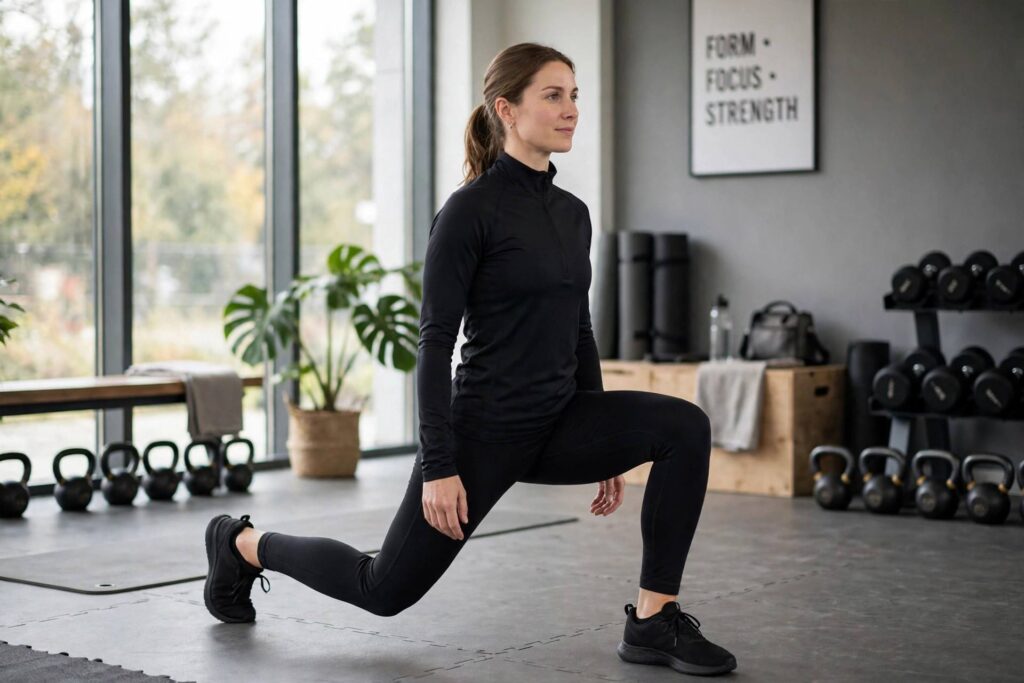
Keep the week 3 structure and add one session. Try one new exercise per strength day: lunges, dead bugs, or bird dogs. By the end of week four, you’ll notice the difference in daily life first: stairs feel easier, you stand taller, you have more energy in the afternoon. That’s real progress, even before the mirror changes.

Busting Gym Intimidation (For Real)
Let’s address the thing keeping most beginners home. Gym intimidation is universal, normal, and based on a misunderstanding: you think everyone is watching you. They’re not. Experienced gym-goers are focused on their own workouts, their own mirrors, their own rest timers. The few who do notice beginners are usually the friendliest people there, because they remember starting.
Practical fixes that actually work. Go during off-peak hours for your first visits; a half-empty gym at 10am is a different universe from the 6pm rush. Book one session with a trainer, not for a program, but for a tour: where things are, how the machines adjust, what the etiquette is. Knowing the logistics removes eighty percent of the anxiety.
Have a plan written down before you walk in. Wandering between machines looking lost is what feels bad; walking to the next item on your list feels purposeful. And remember the secret every regular knows: nobody cares about your weights. The person lifting heavy started exactly where you are, and the only thing anyone respects is showing up.
No-Equipment Starter Routines
You don’t need a gym to start. These two routines need nothing but floor space. Alternate them across your three weekly sessions.
Routine A (lower body focus): bodyweight squats 3×10, glute bridges 3×12, standing calf raises 3×15, dead bugs 3×8 per side. Rest 60 seconds between sets.
Routine B (upper body and core): incline push-ups 3×8, bird dogs 3×8 per side, plank 3×30 seconds, Superman holds 3×20 seconds. Rest 60 seconds between sets.
Form beats reps every time. A squat done well to a chair teaches your body the right pattern; ten sloppy deep squats teach it the wrong one. Film yourself from the side occasionally; what you feel and what you’re doing are often different things. When these routines feel easy, you’re ready for the next step: structured workout routines for beginners that add progressive challenge, and eventually weight lifting basics when you want to build real strength.
Eating and Recovery: Keep It Simple
Beginners overthink nutrition and underthink recovery. You don’t need a meal plan; you need enough protein (a palm-sized portion at each meal is a fine starting target), enough water, and to stop skipping meals. The fancy stuff can wait until training is a habit.
Recovery is where beginners actually fail. Soreness in week one is normal and not a sign of damage; it’s your body adapting. Sleep is when adaptation happens, so the beginner sleeping five hours a night is leaving half their progress on the table. Rest days are part of the program, not skipped workouts. And if something hurts sharply, in a joint, or asymmetrically, that’s not soreness; that’s a signal to stop and get checked.
Home vs. Gym: Which Is Better for Beginners?
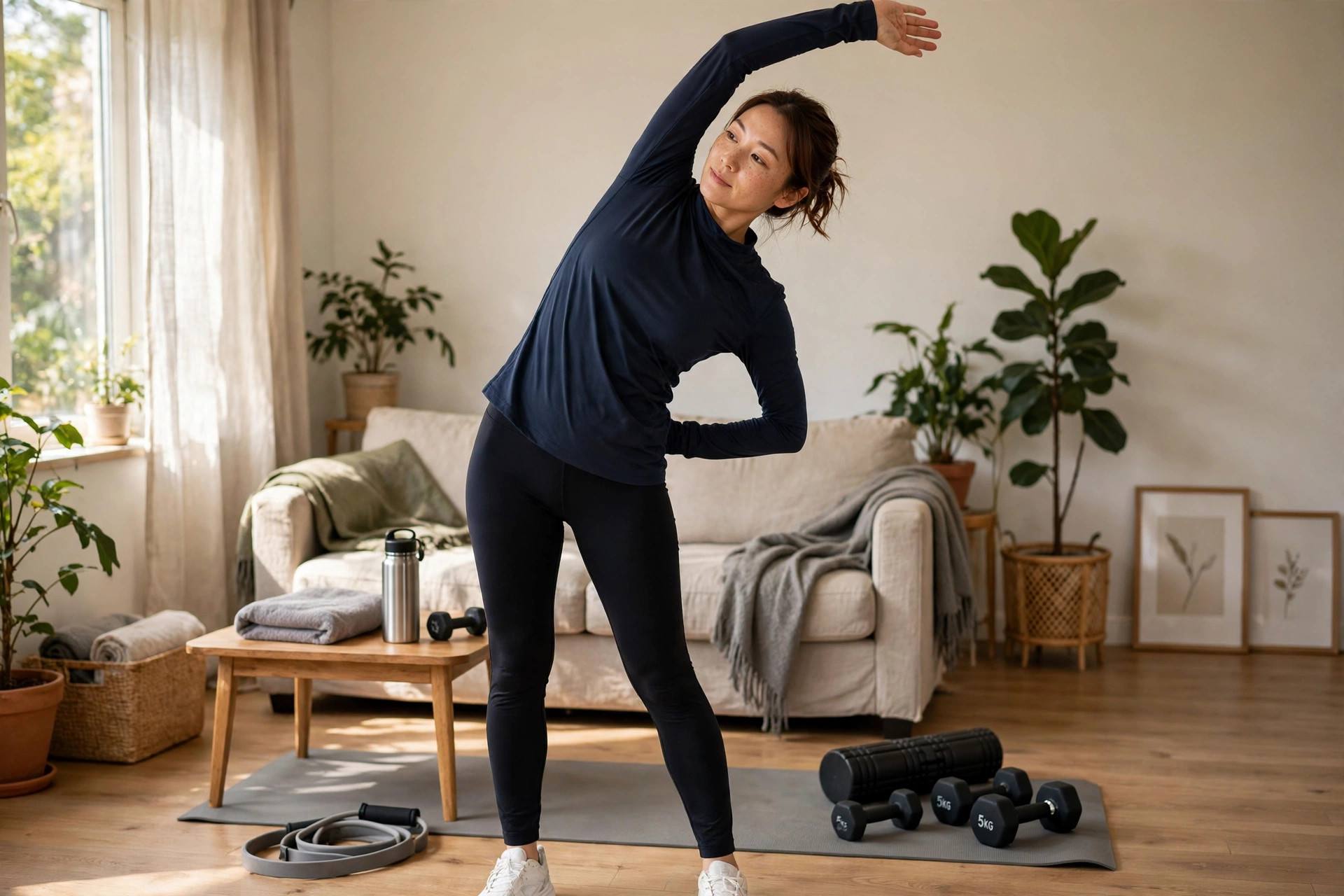
Both work; the right choice is the one you’ll stick with. Home workouts win on convenience and privacy: no commute, no audience, no monthly fee. The bodyweight routines in this guide are genuinely effective for the first few months. Home loses on equipment variety and the motivational structure of a dedicated space; it’s easier to skip a workout when the couch is right there.
Gyms win on equipment, environment, and the subtle accountability of being somewhere designed for training. They lose on intimidation (addressed above), cost, and commute time. My advice: start at home for the first month to build the habit without friction, then try a gym once the habit exists and you want more challenge. The habit transfers; the intimidation doesn’t survive the first month of home training.
Staying Motivated Past Week Three
Week three is where motivation dies and systems take over. The beginners who make it permanent do three things. First, they schedule workouts like appointments, same days, same times, non-negotiable. Second, they track something visible: a calendar with X’s, a simple log of sessions completed. The streak becomes its own motivation.
Third, and most important, they lower the bar on bad days instead of skipping. Tired? Do ten minutes instead of thirty. Ten minutes maintains the habit; skipping breaks it. The research on habit formation is clear: consistency of the behavior matters more than the intensity of any single session. Protect the streak, especially when motivation is low.
The 10-Minute Emergency Workout
Some days, thirty minutes isn’t happening. The emergency workout exists for those days: one round of squats (10 reps), push-ups (as many as you can with good form), glute bridges (12 reps), and a one-minute plank, done as a circuit with minimal rest. Ten minutes, full body, habit protected.
This isn’t a lesser workout; it’s a strategic one. The research is consistent that short bouts of exercise maintain fitness adaptations surprisingly well, and the psychological win of “I worked out today” keeps the identity of someone who exercises intact. Use it guilt-free whenever life compresses your schedule. The only bad workout is the one you skip entirely.
Frequently Asked Questions
How many days a week should a beginner work out?
Three days a week is the sweet spot to start. It’s enough to drive adaptation and build the habit, with rest days between sessions for recovery. Add a fourth day after a month if you feel good.
Will I get bulky from working out?
No. Building significant muscle takes years of dedicated training and eating. What beginners actually get from the first months is strength, better posture, more energy, and a body that works better. The “bulky” fear keeps too many people, especially women, from the most effective training there is.
Should I do cardio or weights first?
As a complete beginner, do a mix: bodyweight strength work plus walking or easy cardio. Neither needs to dominate. After a month or two, emphasize whichever you enjoy more, because adherence beats optimization.
How sore is too sore?
General muscle soreness peaking 24-48 hours after exercise is normal. Sharp pain, joint pain, pain on only one side, or soreness so severe you can’t move normally after three days are all signals to rest and possibly see a professional.
When will I see results?
You’ll feel results in two to three weeks: more energy, easier stairs, better sleep. Visible changes typically take eight to twelve weeks of consistency. Anyone promising faster is selling something.
Do I need to stretch before working out?
Do a dynamic warm-up (leg swings, arm circles, bodyweight squats) rather than static stretching before exercise. Save static stretching for after the workout, when muscles are warm. Five minutes of movement prep prevents more injuries than any stretching routine.
Is it better to work out in the morning or evening?
Whichever time you’ll do consistently. Morning workouts benefit from fewer schedule conflicts; evening workouts benefit from warmer muscles and often better performance. The best time is the time that survives contact with your real life.
The Bottom Line
Start embarrassingly small, show up three times a week, and let the habit compound. The gym isn’t judging you, the perfect program doesn’t exist, and thirty days of consistency will change how your body feels. That’s the whole secret. Now go do your first twenty minutes.