Buttercream vs Fondant Taste Comparison: An Honest Breakdown

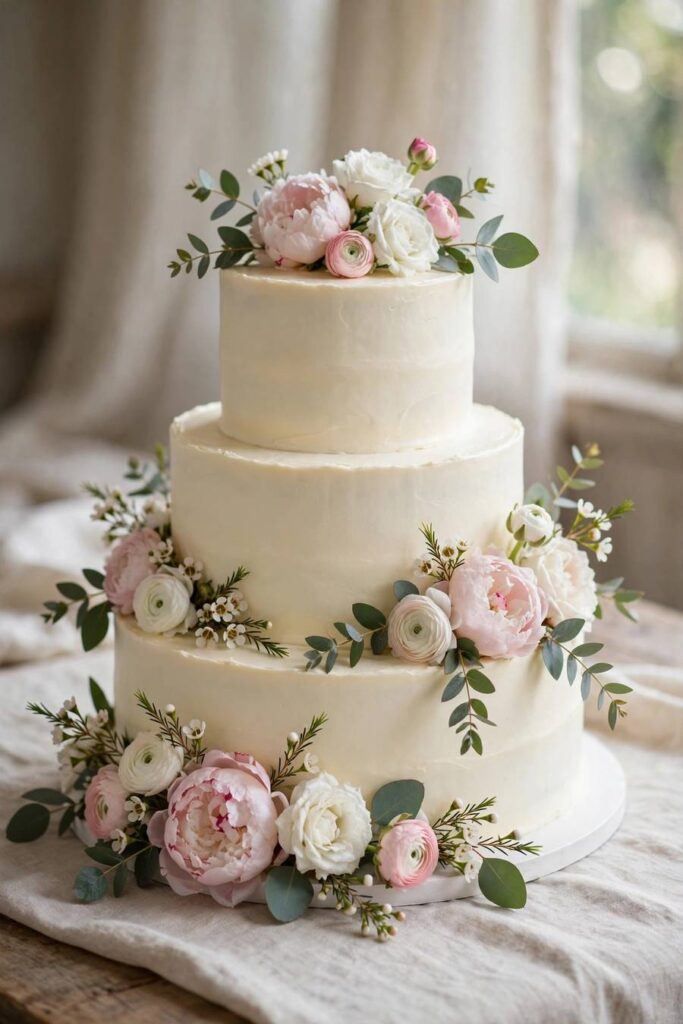
If you’re choosing between buttercream and fondant, you’ve probably heard two camps shouting past each other: “fondant is disgusting” versus “buttercream can’t look elegant.” After cutting — and tasting — hundreds of wedding cakes, here’s the honest truth about how they actually compare on taste.
Table of Contents
- The Short Answer
- What Buttercream Actually Tastes Like
- What Fondant Actually Tastes Like
- Texture: The Real Deciding Factor
- What Guests Prefer
- The Hybrid Option
- My Honest Recommendation
- What Guests Actually Think
- The Hybrid Approach
- How to Taste-Test Like a Pro
- Questions to Ask Your Baker
- The Verdict: What I’d Tell My Sister
The Short Answer
Buttercream tastes better. This isn’t really debated among people who eat cake for a living. Good buttercream — real butter, real vanilla, proper whipping — is delicious on its own. Fondant is… fine. It’s sweet. It’s not offensive. But nobody has ever taken a bite of fondant and said “wow.”
That said, taste isn’t the whole story. Let’s break it down properly.
What Buttercream Actually Tastes Like
Real buttercream tastes like sweetened butter with vanilla — rich, creamy, melts on your tongue. Swiss and Italian meringue buttercreams are the most refined: silky, not too sweet, almost like a light mousse. American buttercream (butter + powdered sugar) is sweeter and denser — the classic birthday-cake flavor most Americans grew up with.
The key variable is quality. Buttercream made with real butter tastes luxurious. Buttercream made with shortening tastes like sweetened Crisco — waxy and greasy. When tasting bakers, ask what fat they use. It matters more than anything else.
What Fondant Actually Tastes Like
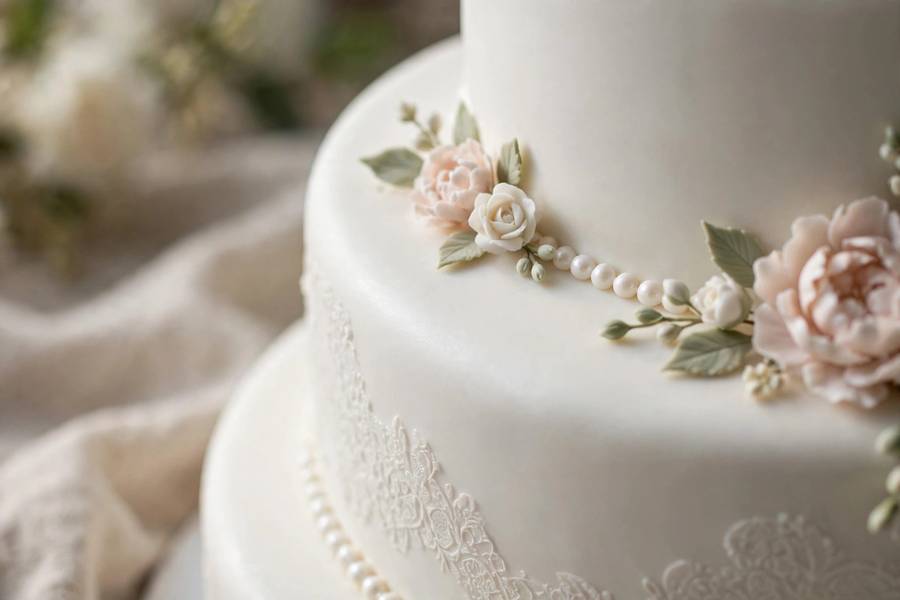
Fondant tastes like sweet dough — chewy, very sweet, with a faint marshmallow or vanilla note depending on the brand. Rolled fondant (the smooth covering on fancy cakes) has the texture of a soft candy. It’s not bad. It’s just… not cake. It’s a sugar coating.
Here’s what surprises most couples at tastings: the fondant itself is rarely the problem. The problem is that fondant-covered cakes often have a THICK layer of it, and that chewy sweetness overwhelms the cake underneath. A thin layer of good fondant over flavorful cake? Totally fine. A quarter-inch of cheap fondant? That’s what gives it a bad name.
Brand matters enormously. Cheap fondant tastes like sugary clay. Premium fondant (like Massa or Carma) is noticeably better — softer, better flavor, less chemical aftertaste.
Texture: The Real Deciding Factor
Here’s what I tell every couple: you’re not really choosing between flavors. You’re choosing between textures.
Buttercream is soft and creamy throughout — every bite is cake + creamy frosting together. Fondant gives you distinct layers: chewy exterior, then cake. Some people love that contrast. Most people, in my experience, prefer the unified softness of buttercream.
Temperature matters too. Buttercream served too cold tastes like a butter stick. It needs 30–60 minutes at room temperature to soften properly. Fondant is more temperature-forgiving, which is one reason outdoor summer weddings sometimes go fondant.
What Guests Prefer
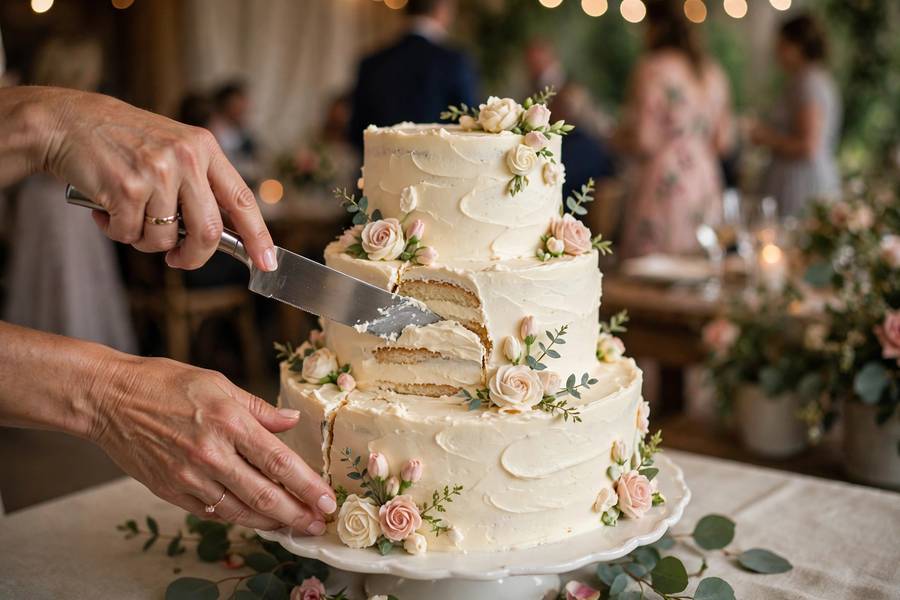
In my experience cutting hundreds of cakes: when guests have a choice at a dessert table, buttercream slices disappear first. When there’s only one cake, nobody complains about fondant — but the plates tell the story. Fondant cakes come back with the fondant peeled off and left on the plate. Buttercream plates come back clean.
That said, most guests care far more about the CAKE flavor underneath than the frosting. A delicious cake with decent fondant beats a dry cake with great buttercream every time. Prioritize the baker’s cake quality first, frosting second.
The Hybrid Option
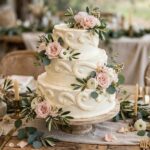
Can’t decide? You don’t have to. Many bakers do a thin fondant layer over buttercream — you get the smooth, polished look of fondant with buttercream flavor in every bite. Or do a fondant-covered display cake for photos and sheet cakes in buttercream for serving. Your guests get the better-tasting cake, your photos get the flawless finish.
For the full design and practical comparison, see my guide to buttercream vs fondant. And if heat is a concern, read about wedding planning essentials for outdoor events.
My Honest Recommendation
If taste is your priority: buttercream, specifically Swiss or Italian meringue. If you need a flawless sculpted look or it’s an outdoor summer wedding: fondant, but ask for premium brand and a thin layer. If you want both: the hybrid. affordable wedding ideas
And whatever you choose — do a tasting. Every baker’s version is different, and your mouth is the only judge that matters here.
What Guests Actually Think
Here’s what 15 years of wedding cake observation tells me: guests remember whether cake was delicious or dry. They do NOT remember whether it was buttercream or fondant. The frosting debate is a couple-and-baker conversation; guests just want moist cake that tastes good.
That said, there’s one thing guests DO notice: fondant being peeled off and left on plates. Watch any wedding — you’ll see little rolled-up fondant balls abandoned around the table. That’s not a tragedy (the cake underneath gets eaten), but it’s worth knowing. If you choose fondant for looks, ask your baker about thin application — modern fondant work can be rolled much thinner than the old 1/4-inch armor.
The Hybrid Approach
Can’t decide? You don’t have to. Popular compromises: fondant exterior, buttercream layers — the cake is filled and crumb-coated with delicious buttercream, then covered in a thin fondant shell for that flawless look. Guests who peel get buttercream underneath. Buttercream with fondant details — smooth buttercream cake with fondant flowers, bows, or geometric accents. You get the artistry without the full fondant coat. Two cakes: a small fondant showpiece for photos and cutting, plus sheet cakes in buttercream for serving. Guests get the better-tasting option; you get the photos.
How to Taste-Test Like a Pro
Book tastings with 2–3 bakers (most charge $25–50, often credited toward your order). Taste BOTH frostings from each baker — skill varies enormously. Taste cake + frosting together, not separately. Ask for the exact cake you’ll order (some bakers bring their best for tastings). Take notes on moisture, sweetness level, and aftertaste. And bring your partner — but also bring someone with a critical palate. Love is blind; your maid of honor’s taste buds aren’t.
Ask each baker: “What’s your most-ordered flavor?” — there’s usually a reason. And ask about day-of freshness: when is the cake baked, how is it stored, how long does it sit at the venue? A great recipe served stale loses to a good recipe served fresh.
Questions to Ask Your Baker
The frosting decision isn’t yours alone — your baker’s expertise should guide it. But you need to ask the right questions to unlock that expertise. Here’s what to ask at every tasting:
“What do you recommend for our venue and season?” — A good baker considers temperature, humidity, display time, and venue conditions. If they don’t ask about these, volunteer the info. “Can I taste both frostings on the same cake flavor?” — Side-by-side comparison is the only honest test. “What’s your most-ordered combination?” — There’s usually a reason it’s popular. “How far in advance do you bake?” — Freshness matters more than frosting type; a day-old cake with great frosting loses to a fresh cake with good frosting.
“Do you do the hybrid — fondant outside, buttercream inside?” — If they look confused, they don’t do it often. Find someone who does. “What’s your backup plan if the cake is damaged in transport?” — Professionals have one (repair kits, on-site touch-ups). Amateurs don’t. “Can I see photos of cakes you’ve done in my style?” — Not their portfolio highlights; cakes like YOURS.
The meta-question: pay attention to how they answer. The best bakers are educators — they explain, they ask about your wedding, they have opinions. If a baker just says “whatever you want,” they’re order-takers, not experts. You want an expert.
The Verdict: What I’d Tell My Sister
If my sister asked me tomorrow, here’s exactly what I’d say:
If taste is your #1 priority: Swiss meringue buttercream. It’s the best-tasting frosting that still looks professional. Find a baker who does it well (not all do — it’s technically demanding). If looks are your #1 priority: fondant, applied thin, over buttercream layers. You get the flawless exterior and the delicious interior. If budget is your #1 priority: American buttercream. It’s the most affordable, universally available, and guests genuinely like it.
If you’re having a summer outdoor wedding: fondant or ganache. Don’t gamble with buttercream in heat — it’s not worth the anxiety. If you want the best of everything: small fondant display cake + buttercream sheet cakes for serving. It’s what wedding planners order for their own weddings.
The truth nobody tells you: guests don’t care about your frosting choice. They care that the cake is moist, sweet enough, and served without a 45-minute wait. Put your energy into finding a baker whose CAKE is excellent — the frosting is secondary. A delicious cake with simple frosting beats a mediocre cake with perfect fondant every single time.
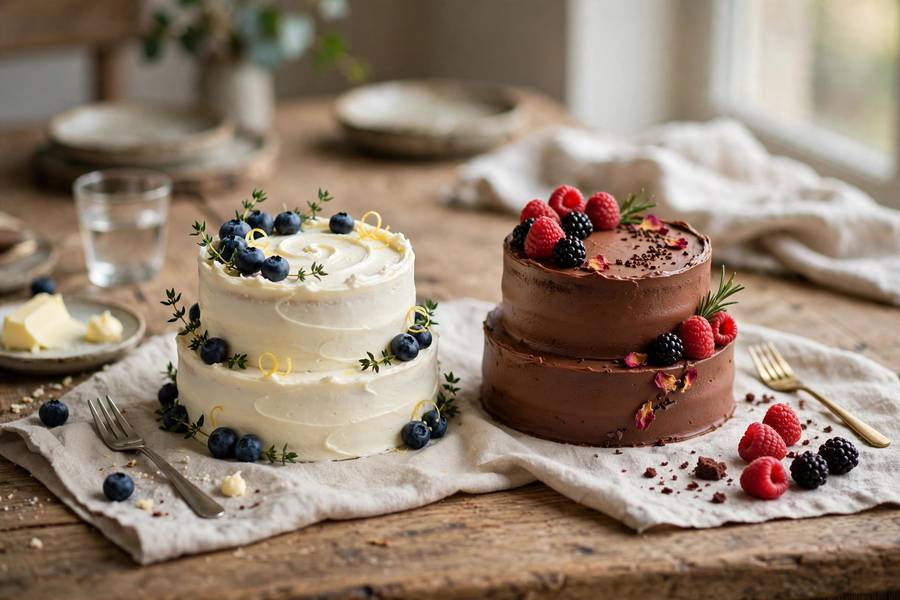
Buttercream, by a wide margin — it’s rich, creamy, and melts in your mouth, while fondant is chewy and mildly sweet. Swiss meringue buttercream is the connoisseur’s choice; American buttercream is the crowd-pleaser. Most guests peel fondant off, which tells you everything about the taste preference.
Yes — the hybrid approach: fondant exterior over buttercream layers, or buttercream cake with fondant decorations. You get the flawless look and the delicious taste. Most professional bakers offer this; just ask.
Typically yes — fondant requires more labor and skill to apply smoothly. Expect a 15–30% premium for full fondant coverage. The hybrid (fondant shell, buttercream inside) splits the difference on both cost and taste.
What they recommend for your venue/season, whether you can taste both on the same cake, their most-ordered combination, how far in advance they bake, and their hot-weather protocol. The best bakers are educators — they explain and have opinions.
American buttercream softens around 75°F and melts around 85°F. Swiss/Italian meringue holds to about 80–85°F. For outdoor summer weddings, choose fondant or ganache — or keep the cake refrigerated until 1 hour before cutting.