Best Tools for New Homeowners: The Essential Starter Kit

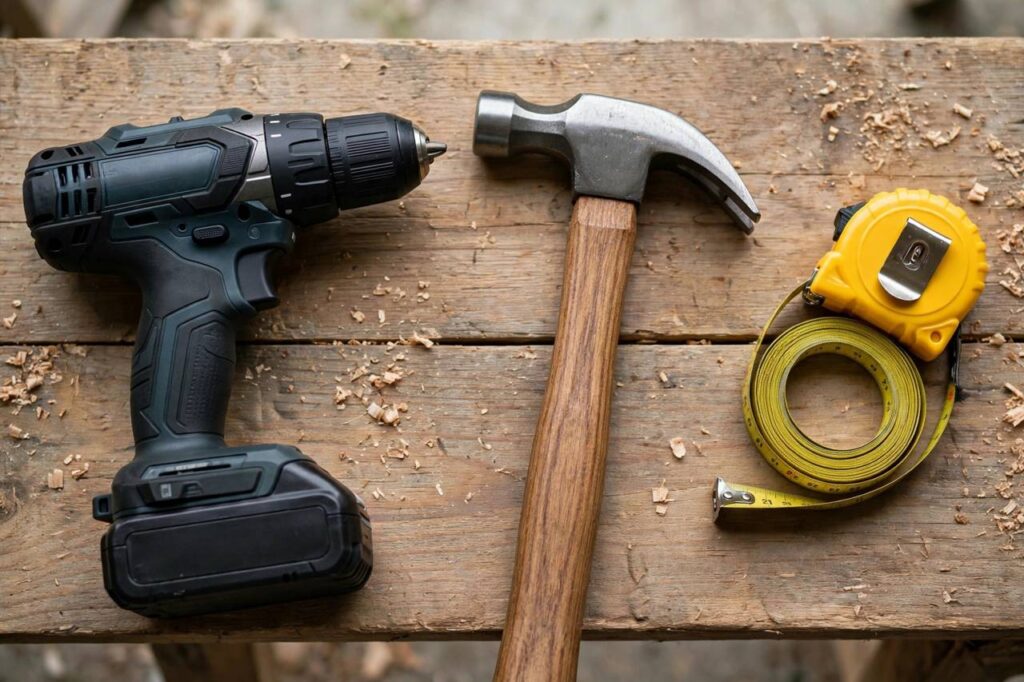
Congratulations on the house! Now comes the part nobody warns you about: the moment something needs fixing — a loose handle, a picture to hang, a running toilet — and you realize you own exactly zero tools. Finding the best tools for new homeowners becomes priority number one, usually within the first week.
Here’s the good news: you don’t need a workshop. You need about fifteen well-chosen tools that handle 90% of what homeownership throws at you. I’m going to give you the exact starter kit — what to buy, what quality level makes sense, and what to skip until you actually need it. No fluff, no 200-piece kits full of filler.
Best Tools for New Homeowners: The Buying Philosophy
Two schools of thought exist: buy cheap now and upgrade later, or buy quality once. For hand tools you’ll use for decades (hammer, tape measure, screwdrivers), buy decent quality upfront — the price difference is small and the frustration difference is enormous. For power tools, start mid-range from a reputable brand on a battery platform you can grow into.
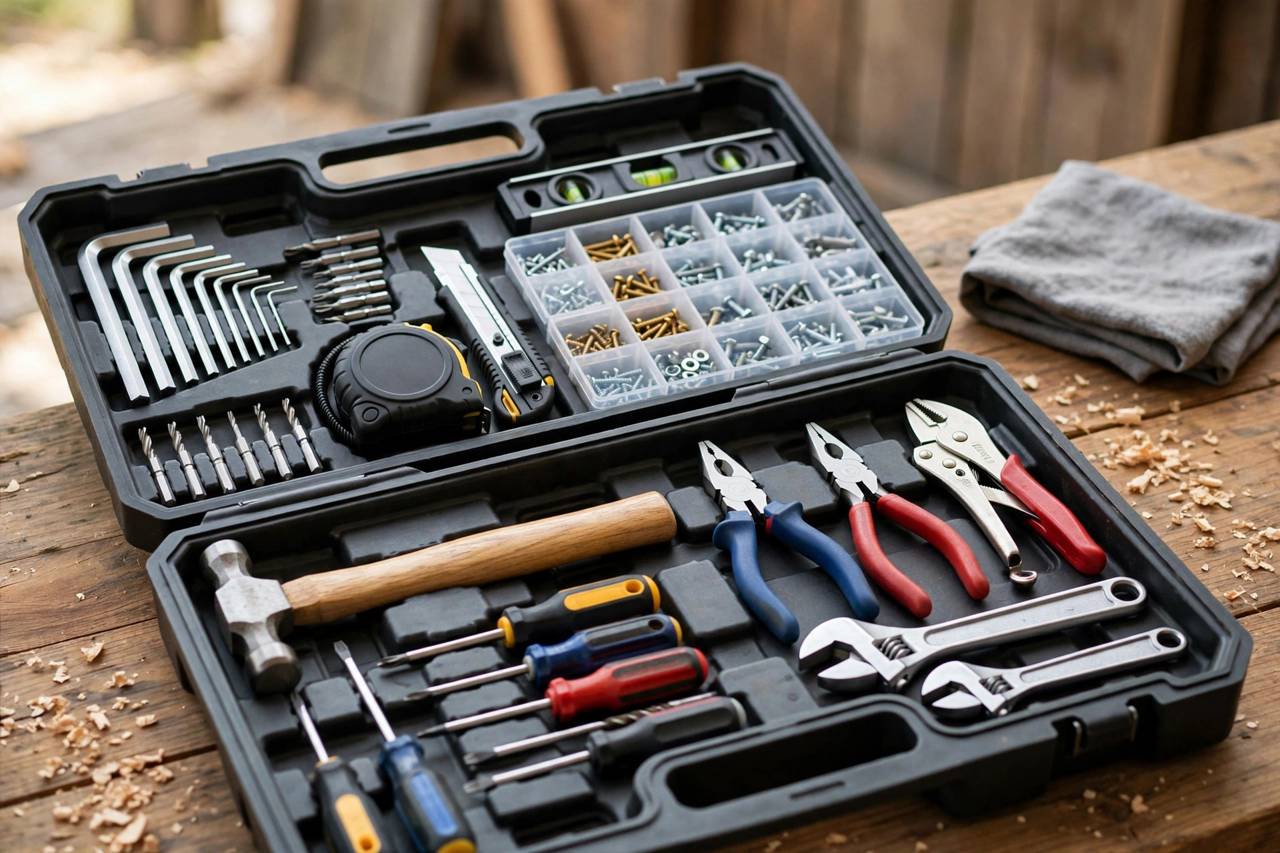
And avoid the giant 200-piece tool kits. They’re packed with sockets you’ll never use, Allen keys in sizes that don’t exist on your house, and quality so low you’ll replace the actually-useful pieces within a year. Buy individual tools deliberately instead.
Tier 1: Buy These Before You Move In
You’ll need these in the first week. Not kidding.
1. Cordless drill/driver (12V or 18V)
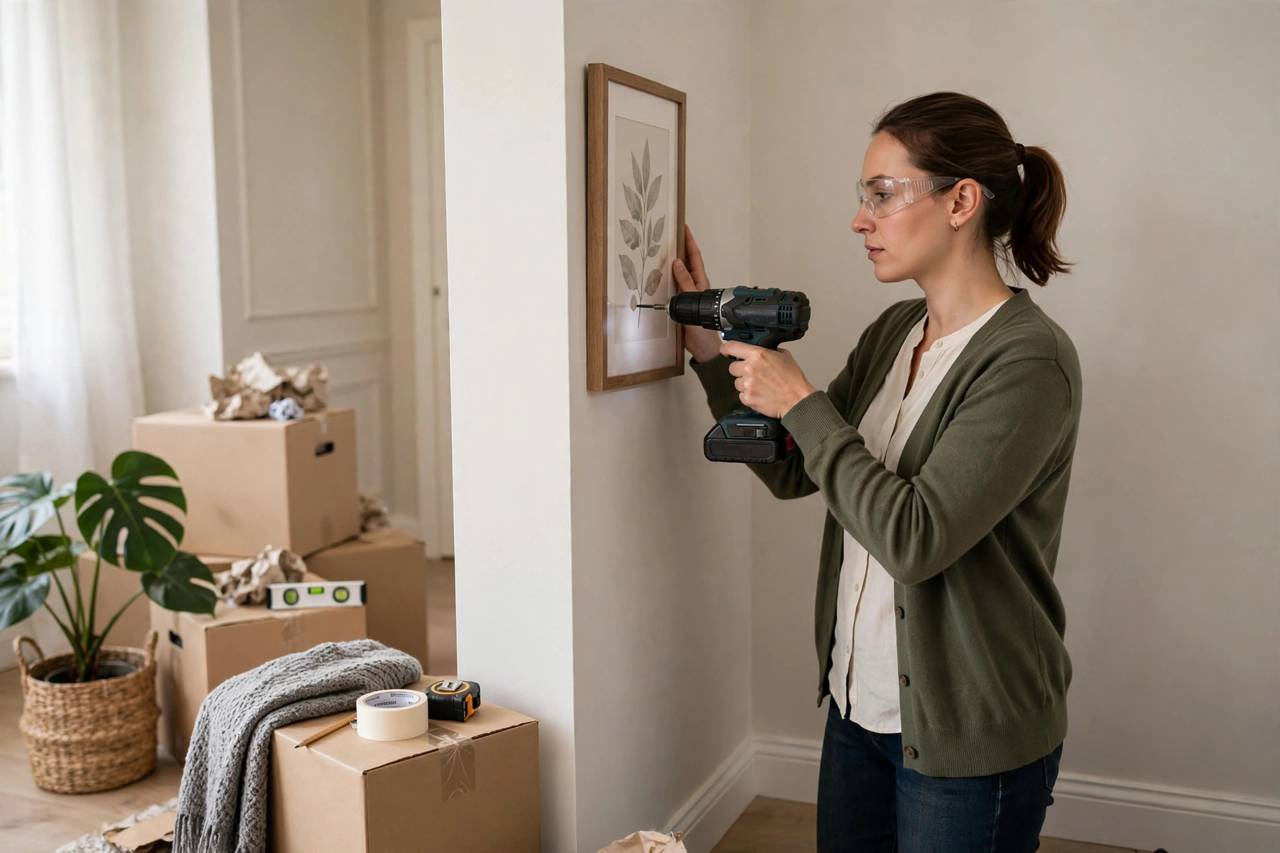
The single most useful power tool in a home. Hanging curtains, assembling furniture, driving screws, drilling pilot holes — you’ll use it constantly. Get a kit with two batteries and a charger. Stick with a major brand’s battery platform (so future tool purchases share batteries). A drill/driver combo kit with an impact driver is ideal if the budget allows — the impact driver alone will change your relationship with screws.
2. Hammer (16 oz claw)
Not the cheapest one — a well-balanced 16-ounce claw hammer with a comfortable grip. You’ll hang pictures, tap things into place, and pull the occasional nail. Fiberglass handles absorb vibration better than wood; steel handles last longest. Try the grip in the store.
3. Tape measure (25 ft)
Get one with a wide blade (1-inch+) that extends far without collapsing — the “standout” matters more than you’d think when measuring alone. A belt clip is handy. This is a buy-quality item; a tape that won’t stay extended is infuriating.
4. Screwdriver set
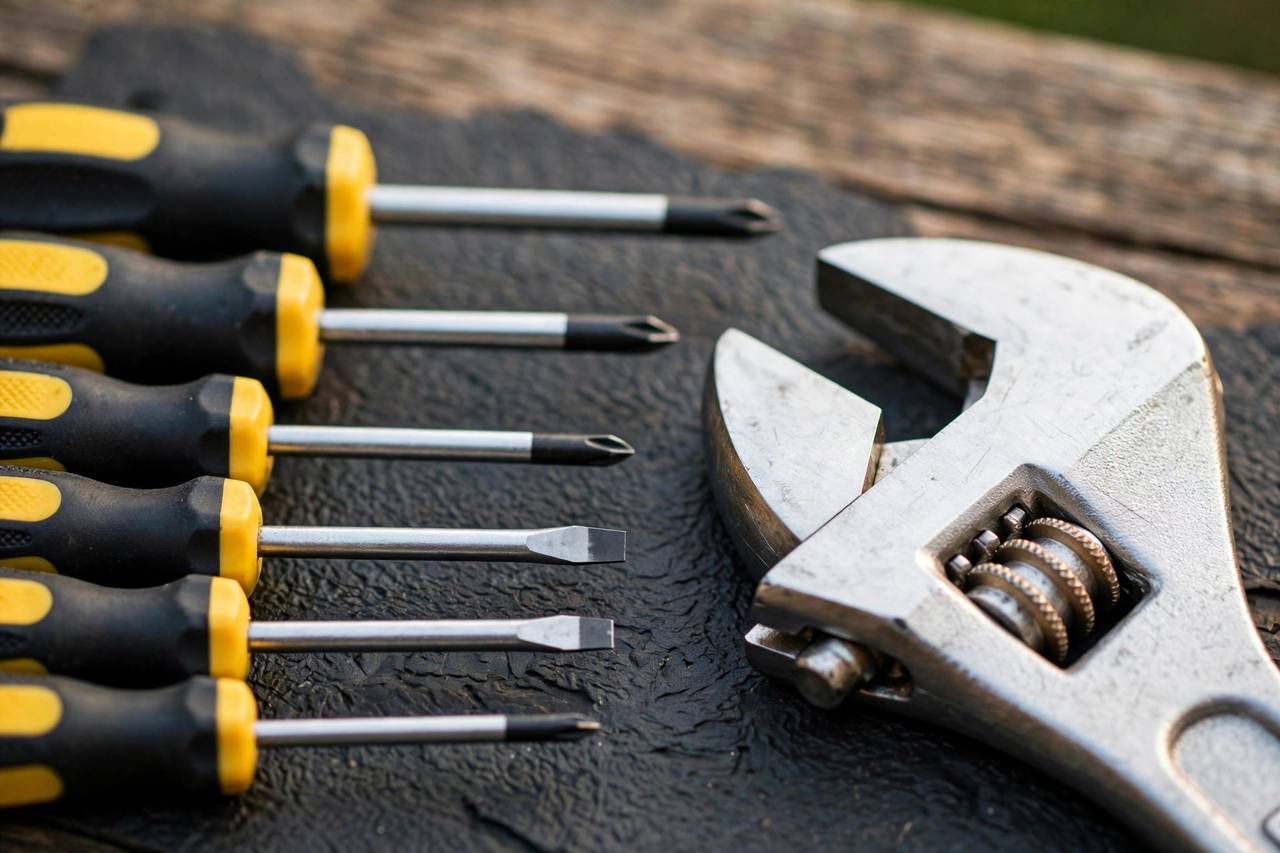
A proper set with multiple Phillips and flathead sizes, plus a few Torx bits (increasingly common in furniture and fixtures). Magnetic tips are worth seeking out — they hold screws in place while you start them, which matters enormously when you’re working overhead or in tight spots.
5. Adjustable wrench (10-inch)
One good adjustable wrench handles most nuts and bolts around the house — plumbing connections, furniture bolts, outdoor equipment. A 10-inch covers the common range without being unwieldy.
6. Level (24-inch)
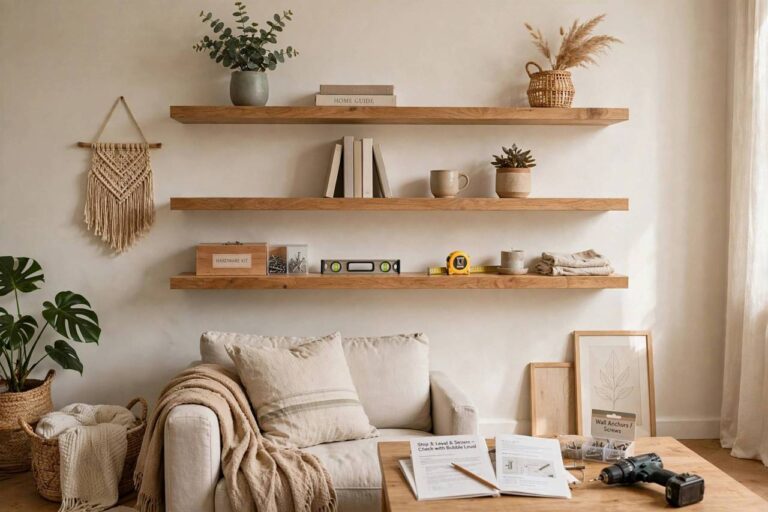
Pictures, shelves, curtain rods — if it hangs on a wall, it needs a level. A 24-inch level handles most jobs; your phone’s level app works in a pinch but a real level is faster and more accurate. Some tape measures include a small level — handy, not a replacement.
7. Utility knife + extra blades
Opening boxes (you’ll have hundreds), cutting drywall, trimming carpet, scoring paint lines. Keep extra blades on hand — a sharp blade is safe, a dull blade is dangerous. Retractable for safety.
8. Pliers set (needle-nose + slip-joint)
Gripping, bending, pulling, holding. Needle-nose for precision work and tight spaces; slip-joint (or channel-lock) for bigger gripping jobs like plumbing connections. Two pliers cover 95% of needs.
Tier 2: Buy Within the First Month
You won’t need these on day one, but you’ll want them soon.
9. Stud finder
Hanging anything heavy — TVs, large mirrors, shelving — requires hitting studs. A decent electronic stud finder pays for itself the first time you don’t put a screw through a pipe. Learn to use it properly: calibrate on empty wall, scan slowly, mark both edges of the stud and aim for center.
10. Hex key / Allen wrench set
Flat-pack furniture runs on hex keys. A folding set lives in your toolbox and ends the frantic search for “the little L-shaped thing” every time you buy furniture.
11. Putty knife set + spackle
Nail holes from hanging pictures, dings from moving furniture — wall repair is constant in the first months. A 1.5-inch and 6-inch putty knife plus lightweight spackle handles all of it.
12. Caulk gun + paintable caulk
Gaps around trim, tubs, windows, baseboards — caulk is the finishing touch that makes a house look maintained. A dripless caulk gun (worth the small premium) plus a tube of paintable silicone-blend caulk.
13. Headlamp
Under sinks, in attics, behind appliances, in the electrical panel — half of homeownership happens in the dark. A headlamp keeps both hands free. You’ll wonder how you lived without it.
14. Step ladder (4-6 ft)
Changing light bulbs, smoke detector batteries, reaching high shelves, painting. A sturdy 4-foot step ladder handles most indoor jobs; 6-foot if you have high ceilings. Fiberglass if you’ll ever work near electricity.
15. Plunger (both types)
Buy before you need it — trust me on this. A flange plunger for toilets and a cup plunger for sinks/tubs. Keep them accessible, not buried in the garage. This is the least glamorous and most urgent item on the list.
Tier 3: Buy When a Project Demands It
Don’t buy these preemptively — buy them when you have the specific job in front of you:
- Circular saw: When you’re cutting lumber for real — shelving, deck repairs, framing. Until then, the hardware store cuts boards to length for you.
- Orbital sander: Refinishing furniture, smoothing patches, deck work. A project-specific purchase.
- Wet/dry vacuum: Invaluable for renovations, basement water, car cleaning — but wait until you have the need (or the first basement scare).
- Pipe wrench: Serious plumbing work. Your adjustable wrench handles minor stuff; buy the pipe wrench when you’re actually tackling pipes.
- Multimeter: Electrical troubleshooting beyond “is the breaker on.” Buy when you’re ready to learn basic electrical diagnosis — and learn it properly before touching anything.
- Lawn and garden tools: Entirely dependent on your yard. Mower, trimmer, rake, shovel — buy for the yard you have, not the yard you imagine.
The principle: let real projects drive purchases. Every tool you buy for a specific job teaches you what quality level you actually need.
What NOT to Buy (Yet)
- The 200-piece mechanic’s set. Filler-heavy, quality-light. Buy sockets individually if you ever need them.
- Specialty tools without a project. Tile saws, biscuit joiners, drain snakes — great tools, terrible impulse buys.
- The cheapest power tools. Off-brand drills with proprietary batteries you can’t expand, chargers that take 8 hours, chucks that wobble. The battery platform lock-in makes this a long-term mistake.
- Duplicate basics. One good hammer beats three cheap ones. Quality over quantity, every time.
- Anything “as seen on TV.” If it needs an infomercial to sell, your toolbox doesn’t need it.
Storing and Maintaining Your Kit
A tool you can’t find is a tool you don’t own. Keep it simple:
- One toolbox or tool bag for the Tier 1 essentials — grab-and-go for any job in the house.
- A pegboard or wall organizer in the garage or utility room for the rest. Visibility means you’ll actually use them.
- Keep drill batteries charged — a dead battery when you need the drill is a special frustration. Rotate them.
- Wipe down tools after use, especially anything used outdoors or around moisture. A light oil wipe on metal surfaces prevents rust.
- Replace consumables proactively: utility blades, drill bits (they dull — that’s normal), sandpaper, caulk tubes (they expire).
The Real Secret: Skills Beat Tools
Here’s what I tell every new homeowner: the tools are the easy part. The valuable part is learning to use them — which comes from doing small projects, making small mistakes, and building confidence one repair at a time. Start with hanging pictures and fixing nail holes. Graduate to caulking and minor plumbing. Each project teaches the next.
YouTube is your apprenticeship. The manual is your textbook. And the willingness to try — carefully, safely, with the breaker off when it matters — is the whole curriculum. Welcome to homeownership. You’ve got this.
Safety Gear: Don’t Skip This Either
Tools get all the glory, but safety gear belongs in every starter kit: safety glasses (non-negotiable for drilling, sanding, or anything overhead), work gloves (splinters, sharp edges, hot things), a dust mask or respirator (sanding, attics, anything dusty — your lungs will thank you in 30 years), and ear protection if you buy loud power tools later. None of this is expensive, all of it matters. The most important tool in your kit is the judgment to protect yourself before starting any job.
FAQ
What are the best tools for new homeowners on a budget?
Prioritize Tier 1: a mid-range cordless drill kit, hammer, tape measure, screwdriver set, adjustable wrench, level, utility knife, and pliers. Buy decent quality on the items you’ll use constantly (drill, tape measure, hammer) and save on the rest. Skip the giant kits — they’re poor value.
What power tools does a new homeowner need first?
Just one: a cordless drill/driver. It handles the vast majority of homeowner tasks — driving screws, drilling holes, assembling furniture, hanging everything. Add an impact driver (often sold as a combo kit) and you’re set for years before needing anything else.
Should new homeowners buy cheap tools first?
For frequently-used hand tools (hammer, tape measure, screwdrivers), buy decent quality upfront — the cost difference is small and cheap versions are genuinely frustrating. For power tools, choose a reputable brand’s battery platform. For project-specific tools, buy when the project arrives.
How should new homeowners store their tools?
One portable toolbox or tool bag for everyday essentials, plus a pegboard or wall organizer in the garage for the rest. The key principle: every tool needs a visible, designated home — tools you can’t find don’t get used, and then get bought twice.
What tools do I need for basic home maintenance?
The 15 essentials in this guide cover it: drill, hammer, tape measure, screwdrivers, adjustable wrench, level, utility knife, pliers, stud finder, hex keys, putty knife + spackle, caulk gun, headlamp, step ladder, and plungers. That kit handles the overwhelming majority of routine homeownership tasks.