What Is Zone 2 Cardio? The Slow-Training Secret Behind Serious Fitness


You have probably asked: what is Zone 2 cardio, and why is everyone suddenly obsessed with it? Here is the funny part: the most powerful cardio training for long-term fitness feels almost too easy. Zone 2 cardio — steady, conversational-paced aerobic exercise — is the training secret behind elite endurance athletes, and it might be the missing piece in your routine too. If your workouts are all high-intensity, all the time, you are leaving serious gains on the table.
I am Coach Jake, and I am going to break this down simply: what Zone 2 is, the science of why it works, how to find your Zone 2, and exactly how to program it into your week. No lab coat required. Let us build your aerobic engine.
What Is Zone 2 Cardio, Exactly?
Exercise intensity is typically divided into five heart-rate zones. Zone 2 is the second-lowest: moderate aerobic intensity where your body primarily burns fat for fuel and you can still hold a conversation. It is brisk walking, easy jogging, relaxed cycling, steady swimming — effort that feels like a 4 or 5 out of 10.
The defining feature of Zone 2 is metabolic: at this intensity, your mitochondria — the power plants inside your muscle cells — can keep up with energy demand using oxygen and fat. Push harder into Zone 3 and above, and your body shifts increasingly toward burning glucose, producing lactate faster than it can clear it. Zone 2 sits right at the highest intensity where fat remains the dominant fuel. That is the sweet spot.
Why Zone 2 Works: The Benefits
This is not just “easy cardio.” Consistent Zone 2 training drives adaptations that high-intensity work cannot match:
- Mitochondrial growth: Zone 2 stimulates your body to build more and better mitochondria — literally upgrading your cellular engines. More mitochondria means better fat metabolism around the clock.
- Heart health: it strengthens the heart’s stroke volume (blood pumped per beat), lowering resting heart rate and improving cardiovascular efficiency.
- Metabolic health: improved insulin sensitivity and blood sugar control — Zone 2 is one of the best exercise prescriptions for metabolic health.
- Fat utilization: you become a better fat-burner at all intensities, which matters for endurance and body composition.
- Recovery-friendly volume: because it is low-stress, you can accumulate hours of it weekly without the fatigue and injury risk of hard training.
- Endurance base: every serious endurance athlete builds their season on a Zone 2 foundation. It raises the ceiling for everything else.

How to Find Your Zone 2
You have three options, from simplest to most precise:
The talk test (simplest)
If you can speak in full sentences comfortably but would rather not sing — you are in Zone 2. If you can only gasp out a few words, you are too high. If you could chat effortlessly for an hour, you might be in Zone 1 (still useful, just less potent). The talk test is surprisingly accurate and requires zero equipment.
Heart rate formula (practical)
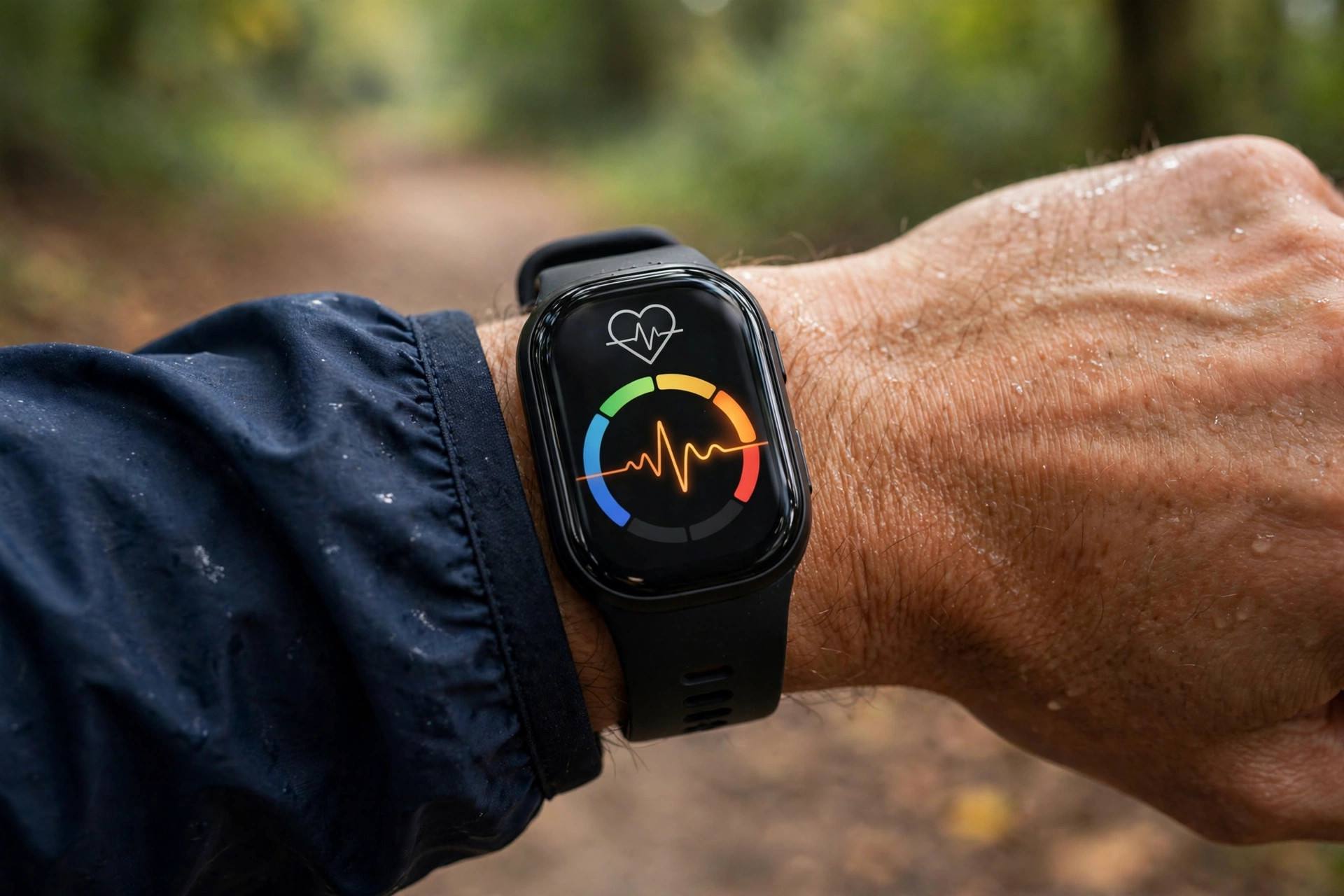
Zone 2 is generally 60–70% of your maximum heart rate. Estimate max HR as 220 minus your age (imperfect but serviceable), then calculate the range. A 40-year-old: max ~180, Zone 2 ~108–126 bpm. A wrist-based heart rate monitor makes this easy to track in real time.
Lactate threshold testing (most precise)
Sports labs can pinpoint your aerobic threshold exactly. Overkill for most people, but valuable if you are a competitive endurance athlete optimizing training.
Honest coaching note: most beginners go too hard. Your ego will tell you that easy jog “does not count.” It counts more than you know. Slow down until the talk test passes, and trust the process.
How Much Zone 2 Do You Need?
Research and elite practice converge on a clear guideline: 150 to 180 minutes per week as a solid target for meaningful benefits, with some protocols going higher. That sounds like a lot until you realize it breaks down simply:
- Three 60-minute sessions per week, or
- Four 45-minute sessions, or
- Two longer weekend sessions plus two shorter weekday ones
Start where you are. If you currently do zero, even 90 minutes weekly produces noticeable improvements in a couple of months. Build gradually — add 10–15% per week. And remember: Zone 2 stacks with life. A brisk 30-minute walk at lunch counts. It does not have to be a dedicated “workout.”
Best Zone 2 Exercises
The best Zone 2 exercise is the one you will actually do for hours each week. Top options:
- Brisk walking: the most underrated exercise in existence. Add hills or a weighted vest to raise intensity without running.
- Easy jogging/running: keep it conversational. Walk-run intervals are perfectly fine while building up.
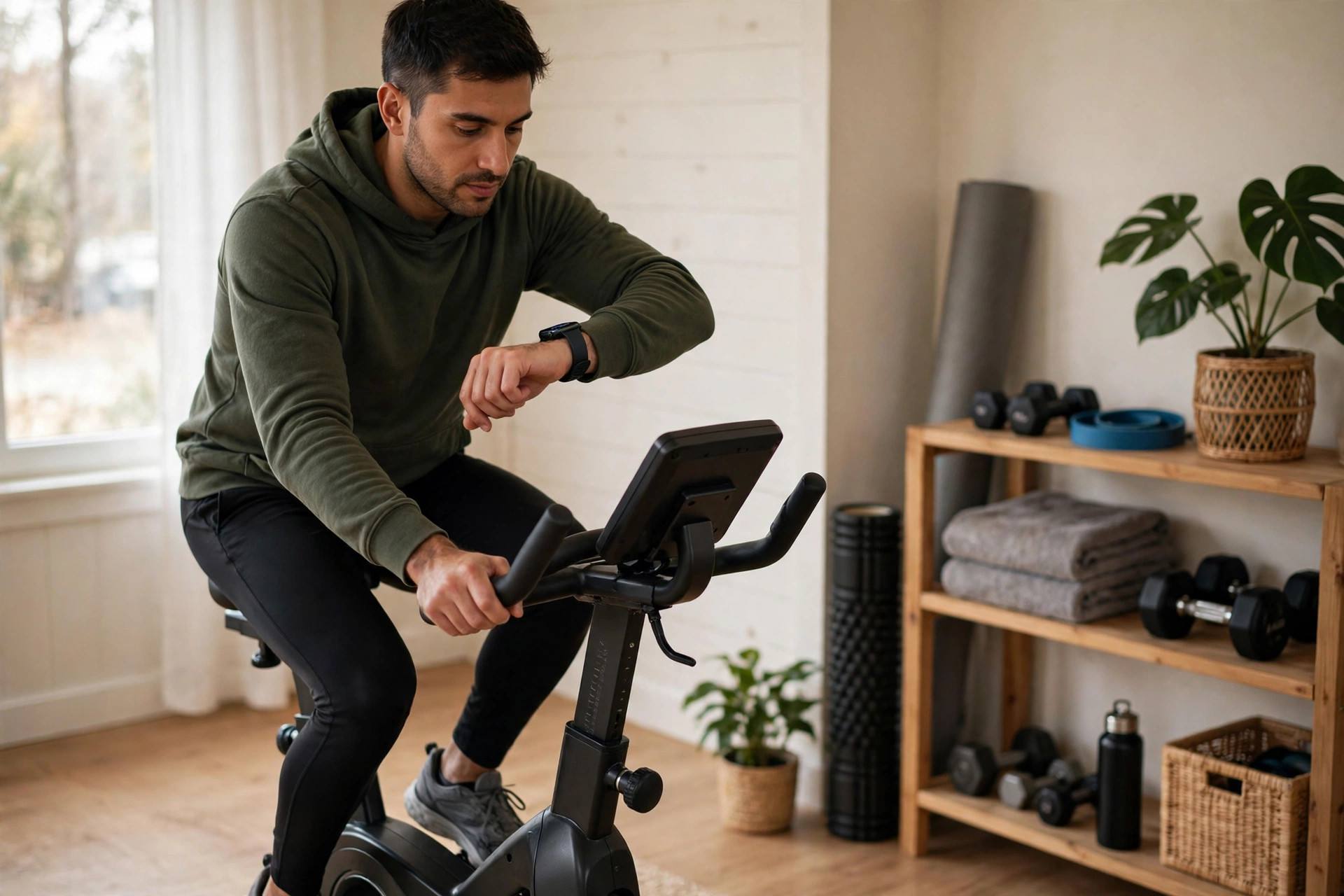
- Cycling: outdoors or stationary — easy on joints, easy to sustain for an hour.
- Swimming: full-body, zero-impact, excellent Zone 2 tool if you have access.
- Rowing: superb full-body option; keep the pace steady and the effort moderate.
- Hiking: nature’s Zone 2 — hills naturally push you into the zone.
Variety helps. Many people do two or three modalities weekly to spread joint stress and fight boredom. And if you are a runner, learning how to breathe properly when running makes staying in Zone 2 far more comfortable.
Zone 2 vs. HIIT: Do You Need Both?
Short answer: yes, but in roughly an 80/20 ratio. About 80% of your cardio should be easy (Zone 1–2), 20% hard (intervals, tempo). This polarized approach is literally how elite endurance athletes train — and it works for regular people too.
HIIT improves your ceiling (VO2 max, top-end speed). Zone 2 raises your floor (aerobic base, fat metabolism, recovery capacity). Without the base, hard sessions yield less and injure more. Without any intensity, you leave top-end fitness undeveloped. Most recreational exercisers have this backwards — 80% hard, 20% easy — which is why they plateau, get hurt, or burn out. Flip the ratio and watch what happens.
Sample Zone 2 Training Week
Here is what a balanced week looks like for someone training 4–5 days (adjust to your schedule):
- Monday: 45-min brisk walk or easy cycle (Zone 2)
- Tuesday: Strength training + 20-min easy cardio finisher
- Wednesday: Rest or gentle walk
- Thursday: 45-min Zone 2 (different modality — swim, row, hike)
- Friday: Strength training
- Saturday: 60–90 min long Zone 2 session (the cornerstone workout)
- Sunday: Rest
Total Zone 2: ~180 minutes. Notice strength training stays in the program — Zone 2 complements lifting; it does not replace it. The combination of strength work plus Zone 2 plus a little intensity is the complete fitness package.
Common Zone 2 Mistakes
- Going too hard. The #1 mistake. If you finish drenched and gasping, that was not Zone 2. Slow down — slower than feels “productive.”
- Skipping it for “harder” workouts. Intensity feels virtuous; Zone 2 feels lazy. The physiology disagrees with your feelings.
- Doing it fasted and bonking. Zone 2 burns fat, but very long sessions still need fuel. Eat normally; do not overcomplicate it.
- Only running. Pounding out all your Zone 2 as running beats up joints. Mix modalities.
- Quitting after two weeks. Mitochondrial adaptations take 6–8 weeks to meaningfully develop. Commit to two months minimum before judging.
Tracking Your Zone 2 Progress
Zone 2 rewards patience, but you should still track progress – it keeps motivation alive during the slow-build months. The simplest metric: pace or power at the same heart rate. If you run a 10-minute mile at 130 bpm in January and a 9:30 mile at 130 bpm in March, your aerobic engine grew. Same effort, more output – that is fitness.
Other signs to watch: resting heart rate trending down over weeks, faster recovery between hard sessions, and everyday activities feeling easier – stairs, hills, playing with your kids. Keep a simple log: date, activity, duration, average heart rate, and how you felt. Review monthly, not daily. Daily noise will drive you crazy; monthly trends tell the truth.
One more metric worth knowing: heart rate variability (HRV), which many wearables track. Rising HRV over months generally signals improving cardiovascular fitness and recovery capacity. Do not obsess over daily numbers – look at the multi-week trend line.
Zone 2 and Longevity
Here is what gets me genuinely excited as a coach: Zone 2 is not just about performance, it is about healthspan. Cardiorespiratory fitness is one of the strongest predictors of longevity we know of – stronger than many traditional risk factors. And Zone 2 is the most sustainable way to build it, because you can do it for decades without breaking your body down.
The mitochondrial benefits compound over years. People who maintain high aerobic fitness into middle age and beyond keep better metabolic health, sharper cognition, and more physical independence. You are not just training for next month; you are building the engine you will live in at seventy. That reframes the “boring” easy sessions completely – they are the highest-ROI investment in your future self.
FAQ
Is Zone 2 cardio just walking?
Walking can be Zone 2 if it is brisk enough to raise your heart rate into the zone — for many beginners and older adults, it absolutely is. Fitter individuals may need jogging, cycling, or hills to reach Zone 2. The zone is defined by intensity (talk-test or heart rate), not by the activity.
Can you lose weight with Zone 2 cardio?
Zone 2 supports fat loss indirectly: it improves fat metabolism, allows high weekly calorie burn without excessive fatigue, and pairs well with strength training. But no cardio outruns nutrition — sustainable fat loss still requires a sensible calorie deficit. Zone 2 is an excellent tool within that plan, not a magic solution alone.
How long before I see results from Zone 2 training?
Most people notice easier breathing and lower heart rates at the same pace within 4–6 weeks. Meaningful mitochondrial and metabolic adaptations typically take 8–12 weeks of consistent training (150+ minutes weekly). Resting heart rate dropping a few beats is a classic early sign it is working.
Is Zone 2 better than HIIT?
They do different jobs. Zone 2 builds your aerobic base, fat metabolism, and recovery capacity; HIIT builds top-end fitness and VO2 max. The evidence-backed approach is about 80% easy Zone 2 work and 20% hard intensity — not either/or. Most people underdo Zone 2 and overdo intensity.
Do I need a heart rate monitor for Zone 2?
No. The talk test — full sentences comfortable, singing not — is a reliable free method. A heart rate monitor (watch or chest strap) adds precision and helps beginners who chronically go too hard, but it is optional. Start with the talk test; add tech later if you want the data.
Keep Reading
- How Often Should You Do Pull-Ups? Training Frequency Guide
- How to Build Cardio Endurance: The 16-Week Protocol
- Endurance vs Strength Training: The Honest Guide to Doing Both