Arm Workout for Women: Strong, Sculpted Arms Without the Myths

I have trained enough women to know the script by heart: “I want toned arms, but I do not want to get bulky.” So let me say the thing plainly first: you will not get bulky by accident. Building large muscles takes years of dedicated heavy training, surplus calories, and testosterone levels you do not have. What heavy-enough arm training actually gives women is the thing they asked for: firm, defined arms that look strong in a sleeveless top and work well in real life. This workout is built on that reality: 7 effective exercises, real weights, real programming, zero pink-dumbbell mythology. The broader exercise library is in my best arm exercises guide.
The Myths, Addressed Once
Myth 1: Lifting heavy makes women bulky. Muscle size is driven by training volume, calories, and hormones. Women have roughly a tenth of the testosterone of men; the “bulky” physiques people fear require pharmaceutical help or a decade of dedicated mass training. Two arm sessions a week will define your arms, not enlarge them beyond recognition.
Myth 2: High reps with tiny weights “tones.” Tone is muscle tissue with low body fat over it. Tiny weights for 30 reps build endurance, not the muscle that creates shape. You need challenging weights in the 8-15 rep range to build the tissue that looks “toned.”
Myth 3: You should only train arms once a week or they will grow too much. Arms recover fast and respond well to twice-weekly training. Once a week is the minimum effective dose, not the maximum safe dose.
Myth 4: Cardio sculpts arms. Cardio burns calories; it does not build the muscle that gives arms their shape. Many of my female clients who “only did cardio” had the revelation that two months of arm training did more for their arms than two years of running. Runners, keep running for your heart and pair it with this work; my strength training for runners article shows how the two fit together.
The Workout: 7 Exercises
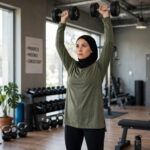
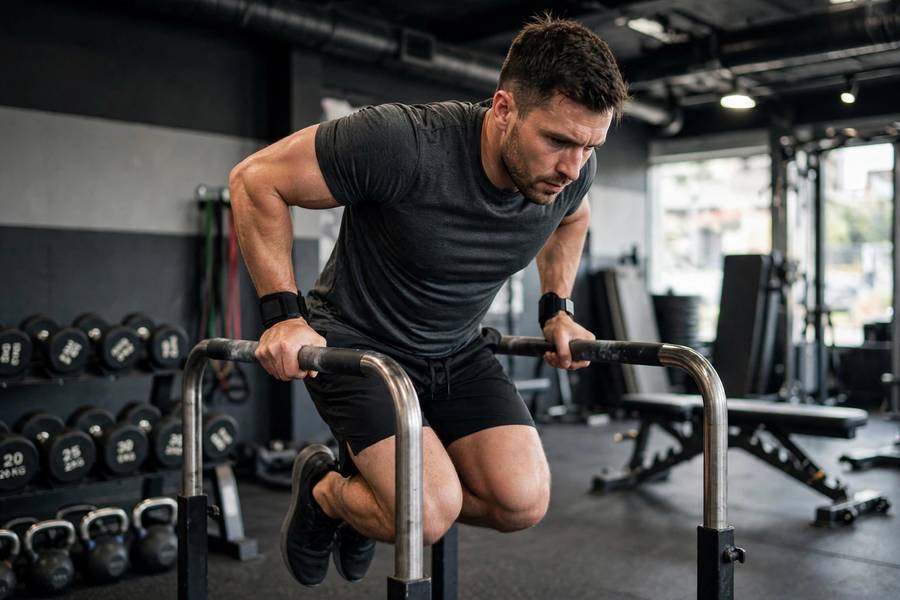
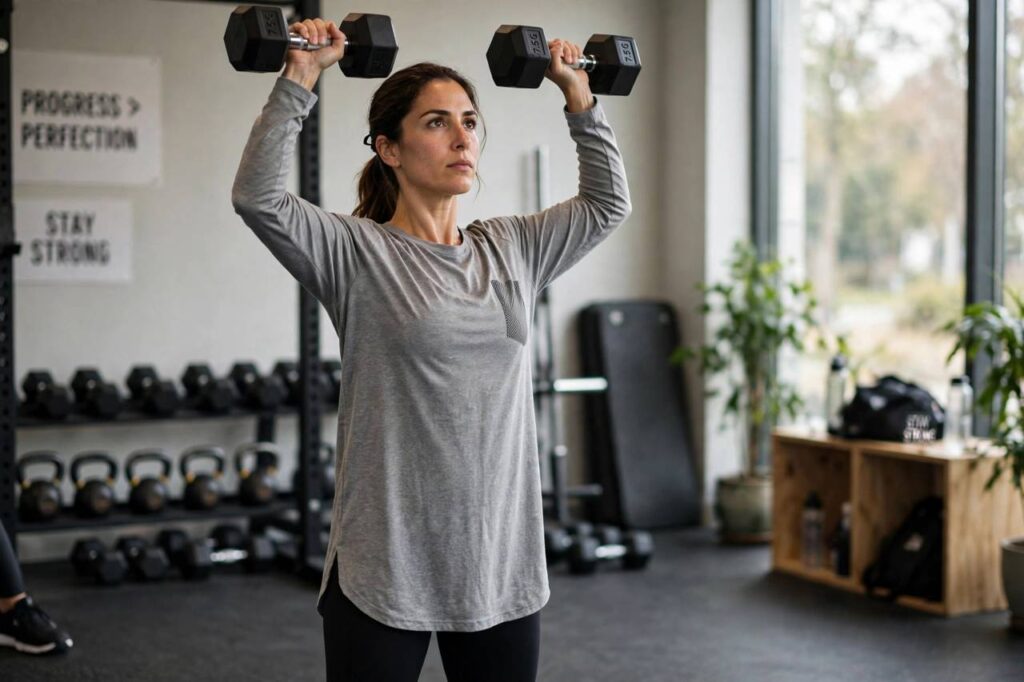
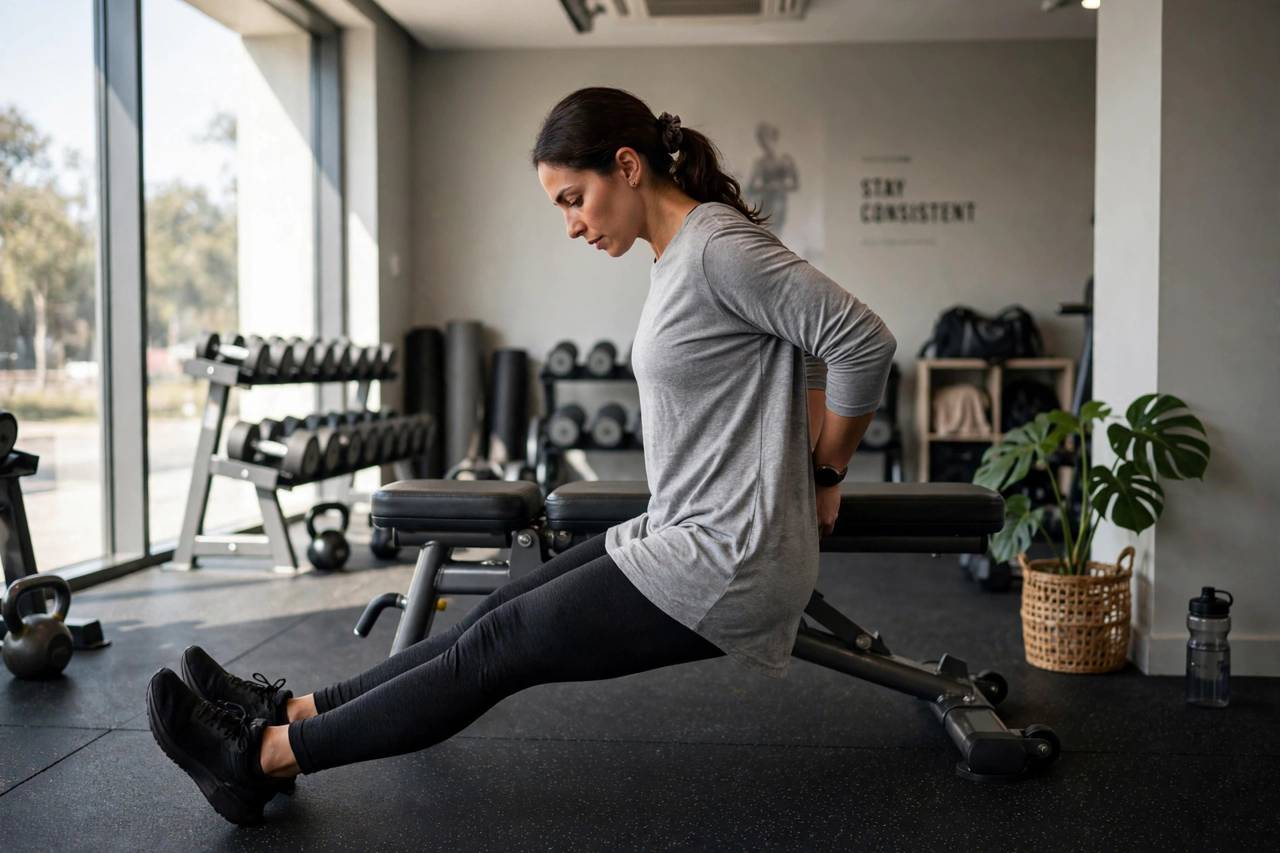
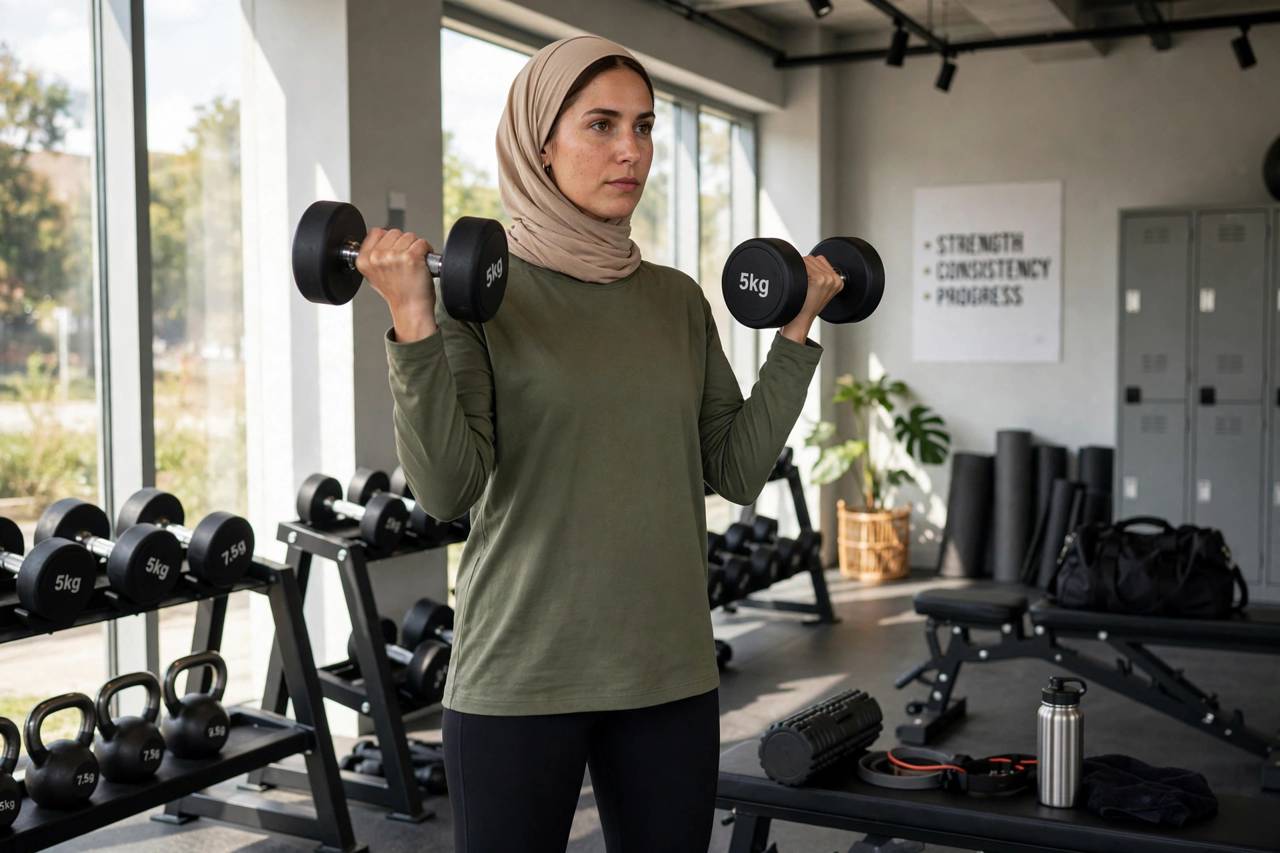
Warm up 3 minutes: arm circles, band pull-aparts, 10 light curls. 1. Dumbbell overhead press: 3×10. The foundation: shoulders and triceps together, standing, strict. 2. Dumbbell bicep curls: 3×12. Elbows pinned, controlled 2-second lowering. 3. Tricep dips: 3×10. Chair or bench, back close, elbows to 90 degrees. 4. Hammer curls: 3×10. Palms facing in; builds the brachialis for arm thickness and defined shape. 5. Overhead tricep extensions: 3×12. One dumbbell, both hands, deep stretch at the bottom; this targets the long head of the triceps, the part that shapes the back of the arm. 6. Lateral raises: 3×12. Light, strict, no swinging; caps the shoulders and completes the look. 7. Farmer carries: 3×40 meters. Heavy dumbbells at your sides, walk tall. Grip, forearms, posture, and core in one. Rest 60-90 seconds between sets. Total time: about 35 minutes, twice a week.
How Heavy Should You Actually Go
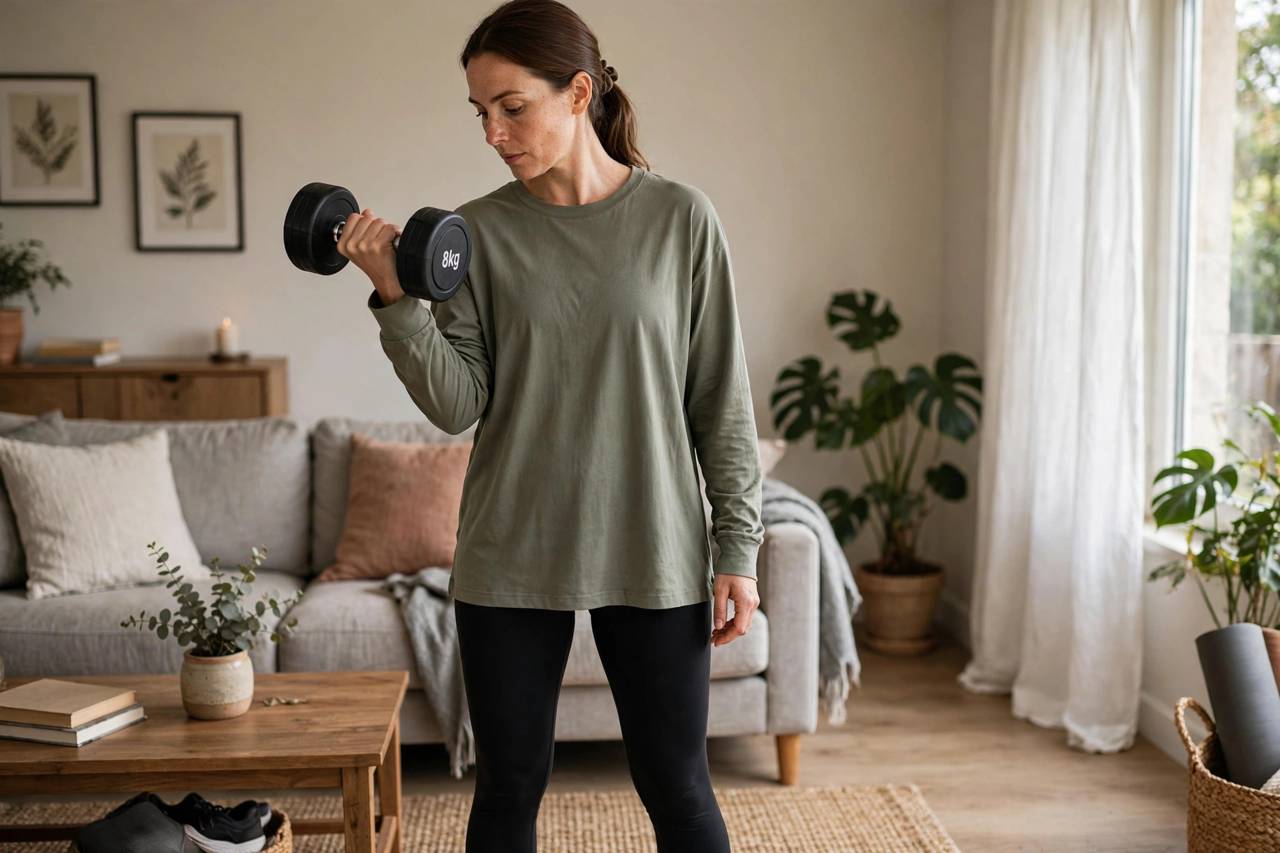
Heavier than you think, lighter than your ego fears. The rule: pick a weight you can lift with perfect form for the target reps, where the last 2 reps are genuinely challenging. For most women new to this, that means 4-7kg dumbbells for curls and presses, bodyweight for dips. If you finish all sets feeling like you could do 5 more reps, go heavier next session. If your form breaks, go lighter. The “3-pound pink dumbbell” workout fails because the weight never challenges the muscle enough to trigger change; your body has no reason to build tissue it never needs. Progressive overload applies exactly the same to women as to men: when 3×12 gets comfortable, add weight or reps. My best dumbbell exercises guide covers weight selection across all the dumbbell movements.
Programming: Sets, Reps, Frequency
Twice a week, at least two days apart; Monday and Thursday is the classic. Keep the same 7 exercises for 6-8 weeks, progressing weight or reps each session. Then rotate two or three movements: swap overhead press for push press, curls for incline curls, dips for close-grip push-ups. Track everything diligently; the humble notebook does not care about your gender and progressive overload does not either. Pair arm days with lower-body or full-body sessions rather than training arms alone; 35 minutes of arms fits neatly at the end of a leg day. Eat enough protein: roughly 1.6g per kilo of bodyweight daily. Undereating is the most common reason women’s arm training stalls; the muscle cannot build from nothing.
Training Through Pregnancy and Postpartum
With medical clearance, arm training is one of the safest and most beneficial things to continue during pregnancy: seated curls, light presses, and band work all remain fine through most pregnancies, though you should avoid lying flat on your back after the first trimester and skip anything that causes coning at the midline. Postpartum, start back with the lightest weights once cleared, usually around 6 weeks, and rebuild gradually; the ligaments are still lax and the ego must wait. The functional payoff is real: carrying a growing baby is a daily farmer carry, and trained arms handle it far better. I have trained several clients through both phases, and the ones who kept light arm work throughout bounced back to full training months faster than those who stopped entirely. When in doubt, ask your doctor, not the internet.
What “Toned” Really Means
“Toned” is two things: visible muscle and low enough body fat to see it. This workout builds the muscle half. The body-fat half comes from overall habits: consistent training, reasonable nutrition, sleep, patience. No arm exercise burns arm fat specifically; spot reduction is a myth that refuses to die. The good news is that building muscle raises your resting metabolism and improves how your arms look at any body-fat level; defined triceps show through sooner than people expect. Give it 12 weeks of consistent work before judging. I have never had a female client follow this program for 12 weeks and say her arms looked worse. The usual report is some version of: “I wish I had started lifting properly years ago instead of doing endless light reps.” Start properly now; the years-ago version of you will forgive you.
Tracking Progress Beyond the Scale
The scale lies about arm progress; use these instead. Tape measure: flexed upper arm, same spot, same time of day, monthly. Half an inch in 3 months is excellent progress. Strength log: your curl and press weights going up is proof of muscle being built, regardless of what the mirror says on a bad day. Photos: same lighting, same pose, monthly. You see yourself daily and miss gradual change; photos do not. How clothes fit: sleeves getting snug is real-world feedback. What not to track: daily arm measurements (noise), body-fat calipers on yourself (inaccurate), and anyone else’s timeline. Compare yourself to your own log from 12 weeks ago. That is the only comparison that has ever motivated anyone productively.
Frequently Asked Questions
No. Women lack the testosterone for accidental bulk; visible “bulk” requires years of dedicated mass training plus surplus calories. Twice-weekly arm training builds defined, athletic arms. Every woman I have trained who feared bulk ended up wishing she had lifted heavier sooner.
Twice a week is ideal for most women. It provides enough stimulus for growth with full recovery between sessions. Once a week maintains; three times a week works for advanced trainees but is unnecessary for the first year.
Overhead tricep extensions and dips, which target the long head of the triceps at the back of the arm. But remember: no exercise burns fat from a specific spot. The visible change comes from building the tricep muscle plus overall body-fat management through training and nutrition.
Yes, entirely. You need adjustable dumbbells and a sturdy chair or bench for dips. Lateral raises, curls, presses, and carries all work in a living room. A pair of adjustable dumbbells is the only meaningful purchase.
The exercises and programming are identical; muscles do not know your gender. The only practical differences: women often start with lighter weights and progress just as fast proportionally, and should ignore any program that prescribes tiny weights for endless reps as the main method.
Most women notice firmer-feeling arms in 4-6 weeks and visible definition in 10-14 weeks of consistent twice-weekly training. Take monthly photos; daily mirror checks miss gradual change. The 12-week mark is where the “is this working” question answers itself. Strength usually improves before appearance does, so trust the logbook during the first two months even when the mirror is quiet.