8 Best West Coast Road Trips in the USA (Routes + Stops)

The West Coast is America’s road trip capital — not because of one great drive, but because of eight of them, each completely different. I’ve driven them all, some three times, and the variety still stuns me: rainforest coast, desert canyons, alpine lakes, volcanic moonscapes, all within a day’s drive of each other. No other region on earth packs this much diversity into road-trip range.
This guide covers the eight essential West Coast routes — the famous ones done right, plus the ones the crowds miss. Each includes the route, the must-do stops, how long to take, and what it costs.
For the nationwide picture, see our best American road trips. This is the West Coast deep dive.
1. Pacific Coast Highway: SF to LA (The Icon)
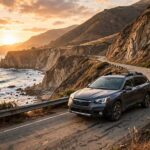
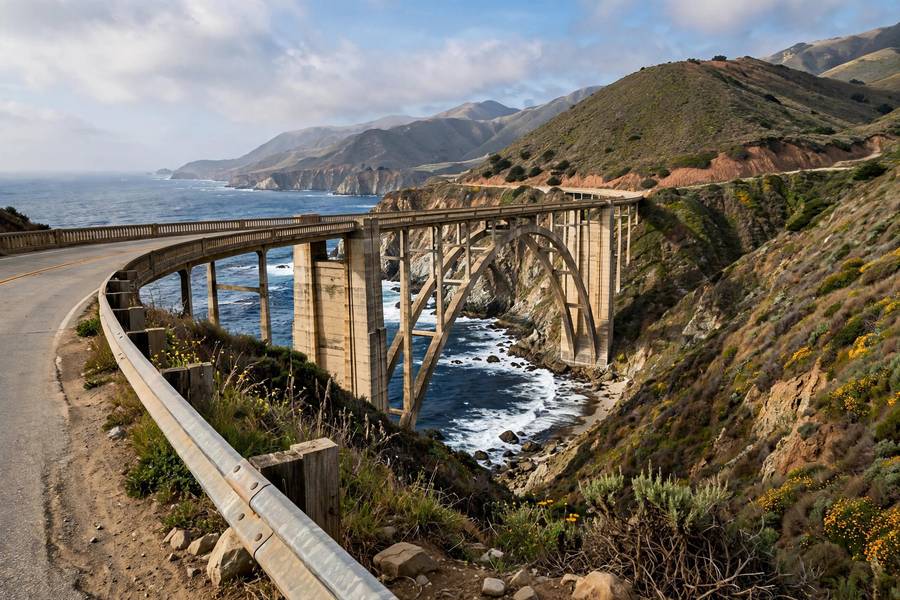
460 miles, 3 days minimum, and the most beautiful coastal drive in America. Drive south (ocean side, no crossing traffic for viewpoints), and don’t rush Big Sur — the 90 miles from Monterey to Morro Bay deserve a full day. Key stops: Monterey Bay Aquarium (3 hours), Bixby Bridge (the photo), elephant seals at Piedras Blancas, Hearst Castle.
The PCH demands respect: it’s winding, there are no gas stations in Big Sur (fill up in Monterey or Cambria), and winter landslides close sections — check conditions. But on a clear day, with the Pacific crashing below and the Santa Lucia mountains above, there’s nothing like it. Cost: ~$900–1,200 for 3 days (family of four).
2. Oregon Coast: Astoria to Brookings (The Moody Alternative)
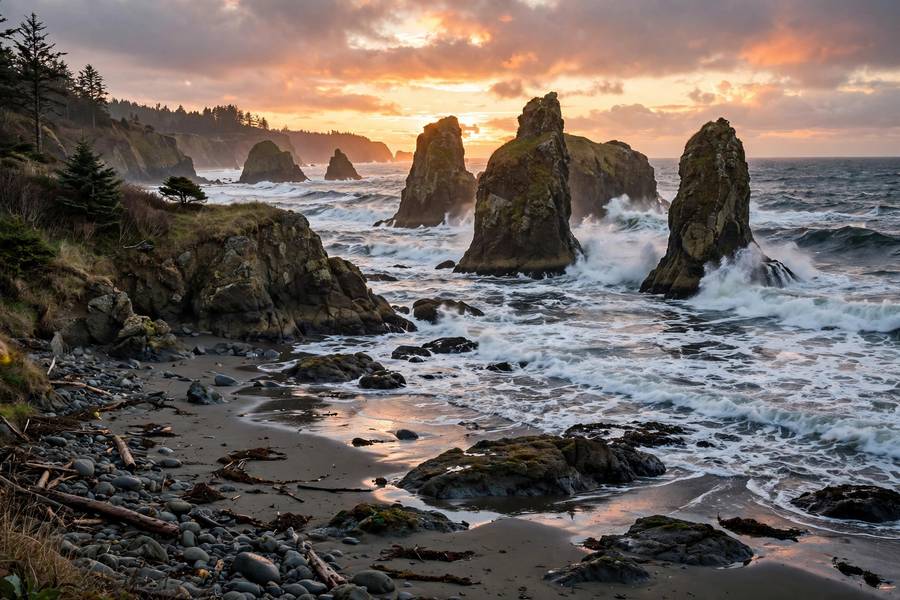
363 miles of sea stacks, tide pools, and fishing villages — the PCH’s moodier, cheaper, emptier cousin. Every 20 miles a state park: Ecola’s viewpoints, Florence’s sea lion caves, the dunes at Oregon Dunes (rent a sandboard), Harris Beach’s tide pools. The aquarium at Newport is excellent and half Monterey’s price.
Go July–September (the only reliably dry window). Pack layers — it’s 60°F when it’s 90°F inland. 4 days, ~$800–1,100. The lack of crowds is the point; you’ll have viewpoints to yourself that would have tour buses in California.
3. The Desert Southwest Loop: Vegas to Vegas
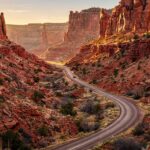
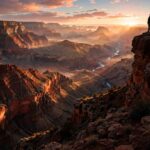
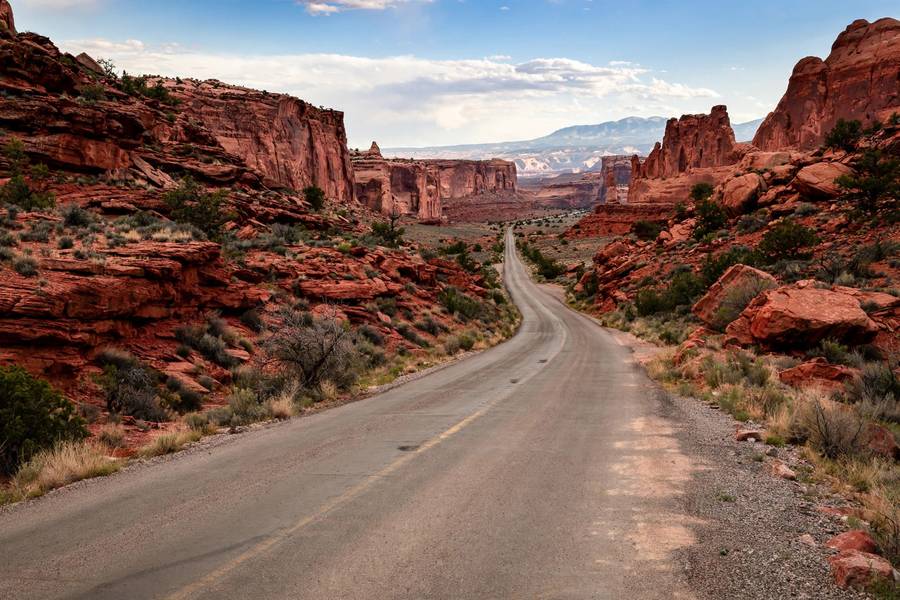
1,000 miles, 7 days, five national parks (Zion, Bryce, Arches, Canyonlands, Capitol Reef) plus Monument Valley and Antelope Canyon. This is the trip that makes kids forget tablets exist — every park looks like a different planet. Start/end in Las Vegas for cheap flights and rental cars.
The strategy: one signature experience per park (Zion’s Narrows, Bryce’s sunrise at Sunrise Point, Arches’ Delicate Arch at sunset), dawn starts (desert heat is no joke), and the America the Beautiful pass ($80 — pays for itself by park three). Book lodging 6+ months ahead for spring/fall. Cost: ~$1,800–2,500/week.
See our national parks road trip guide for the detailed park-by-park breakdown.
4. Highway 395: The Eastern Sierra (The Local’s Favorite)
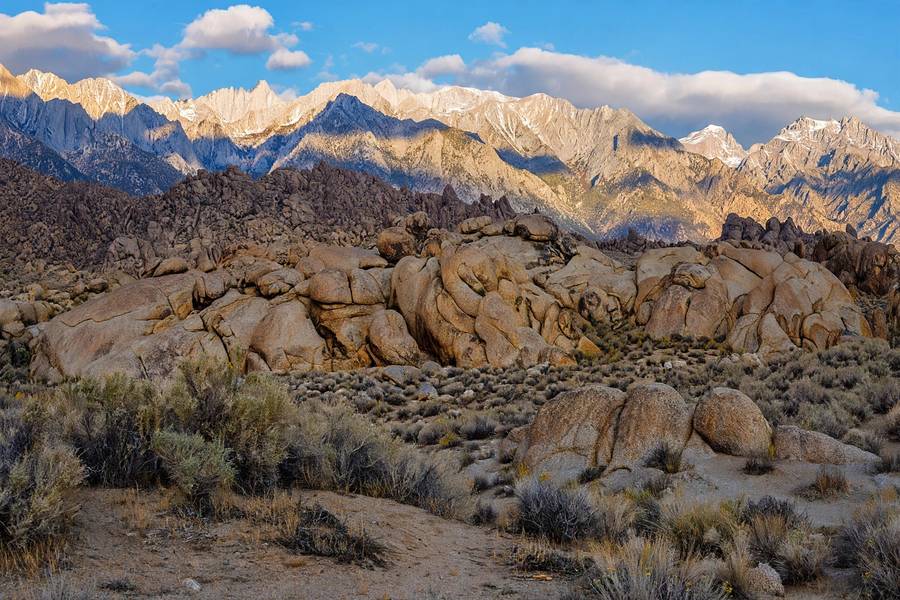
US-395 along the Sierra Nevada’s east side is the drive Californians keep for themselves: the Alabama Hills (where a hundred Westerns were filmed, with Mt. Whitney looming), Mono Lake’s tufa towers, Bodie ghost town (arrested decay — the most authentic ghost town in America), and Mammoth Lakes.
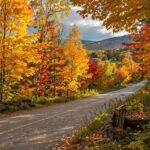
This is the anti-PCH: inland, alpine, empty. The fall color in the Eastern Sierra (late September–October) rivals New England with zero crowds. Hot springs dot the route (Travertine, Wild Willy’s — free, natural, glorious). 3–4 days, and you’ll wonder why everyone drives the coast instead.
5–8. The Quick Hits
5. Columbia River Gorge (Oregon): 80 miles of waterfalls — Multnomah Falls is the icon, but the real magic is the waterfall alley (Horsetail, Wahkeena, Bridal Veil) on the Historic Highway. Half a day from Portland, or a full day with the Hood River fruit loop. Best in spring (water flow) or fall (color).
6. San Juan Islands + Olympic Peninsula (Washington): ferry to the San Juans (orca watching from Lime Kiln Point), then the Olympic loop — Hoh Rainforest, Rialto Beach’s sea stacks, Hurricane Ridge. The Pacific Northwest at its most dramatic. Summer only for the full experience. carry-on vs checked baggage
7. Death Valley + Joshua Tree: the desert doubleheader. Death Valley’s Mesquite Dunes, Badwater Basin (282 feet below sea level), and Zabriskie Point at sunrise; Joshua Tree’s alien rock formations and the Cholla Cactus Garden. Go October–April (summer is lethally hot). Two parks, one long weekend, otherworldly.
8. Lake Tahoe Loop + Gold Country: 72 miles around the lake (Emerald Bay, Sand Harbor’s clear water), then Highway 49 through Gold Rush towns (Nevada City, Columbia State Historic Park). History, alpine beauty, and the best swimming in California. Summer and fall are prime.
When to Go and What It Costs
Timing by route: PCH and Oregon Coast — May–October (September is the sweet spot: warm, clear, fewer crowds). Desert Southwest — March–May and September–November (avoid summer’s 110°F+). Eastern Sierra — June–October (passes close in winter). Pacific Northwest — July–September (the only dry window).
Budget: $150–250/day for two people (mid-range hotels $120–180, food $60–80, gas $30–50). A week runs $1,200–1,800. Camping cuts this dramatically — many of these routes have spectacular campgrounds ($25–35/night). The biggest variable is lodging: book national park gateway towns 6+ months ahead.
Car: any reliable car works, but the convertible question comes up constantly. For the PCH in summer — yes, worth it once. For everything else, save the money. And download offline maps; cell service dies in Big Sur, the desert, and the mountains — which is precisely when you need navigation most.
Planning the Perfect West Coast Route: Logistics
The direction rule: drive the coastal routes south (ocean on your right, easy viewpoint pullouts) and the desert loops clockwise (ending with the parks closest to your departure airport). The one-way rental question: PCH trips often end 460 miles from where they started — one-way rental fees ($150–300) are worth it versus backtracking. Book rental cars 2–3 months ahead for summer; convertibles and SUVs sell out.
Fuel and connectivity: fill up before Big Sur, before the Eastern Sierra stretches, and before any desert park — gas stations are 50–100 miles apart in the empty stretches, and prices spike 40% in gateway towns. Download offline maps for the entire route (Google Maps lets you download whole states). Tell someone your itinerary for the remote stretches — the Eastern Sierra and desert parks have real dead zones.
The national parks pass math: America the Beautiful ($80/year) covers every park on these routes. If your trip includes three or more parks, it pays for itself. Buy it at the first park entrance — the rangers sell them, and the fee you just paid counts toward it. Senior passes ($80 lifetime) are the best deal in American travel.
Food and Stops: Eating Your Way Down the Coast
The West Coast’s food is part of the trip: clam chowder in a sourdough bowl at Fisherman’s Wharf (touristy, still great), tri-tip sandwiches in San Luis Obispo (the Central Coast’s signature), fish tacos in San Diego (the city’s greatest contribution to civilization), marionberry pie in Oregon (the state’s berry, the pie’s destiny), and green chile everything in New Mexico if your desert loop swings that way.
The farm-stand strategy: Highway 1 and 101 are lined with farm stands — strawberries in Watsonville, avocados in Carpinteria, apples in Hood River. They’re cheaper than grocery stores, better than restaurants, and the perfect road-trip snack. Pack a small cooler ($15) and buy as you go; the trunk becomes a rolling farmers market.
The Pacific Coast Highway (SF to LA) for first-timers — it’s the most beautiful coastal drive in America. For repeat visitors: the Desert Southwest national parks loop. For solitude: Highway 395 along the Eastern Sierra. Each is the ‘best’ for a different traveler.
Three days minimum (SF → Big Sur → LA), four is better. The Big Sur stretch alone deserves a full day. Rushing it in two days means driving past everything that makes it special. Add a day if you want the Monterey Aquarium properly.
September–October overall: warm enough for the coast, cool enough for the desert, fall color in the mountains, and summer crowds gone. PCH: May–October. Desert parks: March–May, September–November. Pacific Northwest: July–September only.
$150–250/day for two people mid-range ($1,200–1,800/week). Camping cuts lodging costs 70%. The PCH (3 days) runs ~$900–1,200 for a family of four; the desert Southwest loop (7 days) ~$1,800–2,500.
No — any reliable car handles all eight routes (they’re all paved highways). Skip the 4WD unless you’re doing specific backcountry detours. A convertible is worth it once for the PCH in summer; otherwise save the premium. Download offline maps — cell service dies in the best parts.