“How do I get more torque?” is probably the question I heard most in fifteen years around cars — right after “what’s wrong with my car” and “how much will this cost.” Everyone wants more pulling power, whether for towing, for fun, or just because. The good news: there are proven ways to get it. The honest news: they range from “basically free” to “you could’ve bought a faster car,” and the cheap ones don’t do much.
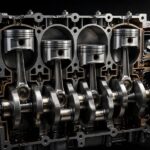
Before the methods, the physics in one paragraph: torque in cars comes from cylinder pressure pushing pistons down. More air + more fuel burned per power stroke = more pressure = more torque. Every method below is just a different way of getting more air and fuel into the cylinders, using it more effectively, or multiplying what you have. Keep that in mind and the whole list makes sense.
Contents
- Start Here: Maintenance First (The Free Torque)
- Method 1: ECU Tune / Remap
- Method 2: Cold Air Intake and Breathing Mods
- Method 3: Exhaust Upgrades
- Method 4: Forced Induction — Turbocharging and Supercharging
- Method 5: Gearing Changes
- Method 6: Displacement and Internal Work
- Method 7: Nitrous Oxide
- What I’d Actually Recommend (By Budget)
Start Here: Maintenance First (The Free Torque)
Unsexy but real: a neglected engine isn’t making its factory torque. Before spending a dollar on modifications, restore what you should already have:
- Fresh spark plugs. Worn plugs cause incomplete combustion — weak, inconsistent power strokes. New plugs won’t add torque beyond stock, but they restore the torque you’ve lost. I cover the process in my guide on how to change spark plugs.
- Clean air filter. A clogged filter strangles airflow. It’s the cheapest possible “mod” — how to change the engine air filter takes ten minutes and a few dollars.
- Fresh fluids and correct fuel. Old oil increases internal friction slightly; using the octane your engine is tuned for matters (higher octane than required does nothing, but lower than required causes knock retard, which reduces torque).
- Fix what’s broken. Vacuum leaks, tired sensors, clogged injectors, a lazy oxygen sensor — all of these quietly bleed torque. A proper diagnostic and repair often “adds” more power than a bolt-on would.
I’ve seen cars “gain” 15 lb-ft from nothing but deferred maintenance. That’s not a modification — that’s just getting back to baseline. Always start here.
Method 1: ECU Tune / Remap
What it is: reprogramming the engine computer to optimize fuel delivery, ignition timing, and (on turbos) boost pressure.
Realistic gains: 5–10% on naturally aspirated engines; 15–30% on turbocharged engines. A turbo car with a good tune is the best horsepower-per-dollar in the entire modification world.
Why it works so well on turbos: manufacturers leave boost on the table for reliability margins, fuel quality variations, and emissions. A tune simply uses more of the turbo’s available capacity. On NA engines, the gains are smaller because there’s no boost to turn up — you’re just optimizing timing and fuel.
Cost: $300–$800 for an off-the-shelf tune; $500–$1,200+ for a custom dyno tune.
Trade-offs: more stress on the engine and drivetrain (you’re using the safety margin), potential warranty issues, and on some cars, the need for higher-octane fuel. A conservative tune from a reputable tuner on a healthy engine is quite safe; an aggressive tune chasing every last pound-foot is where engines let go. Also: tunes are detectable by dealers, so understand your warranty situation.
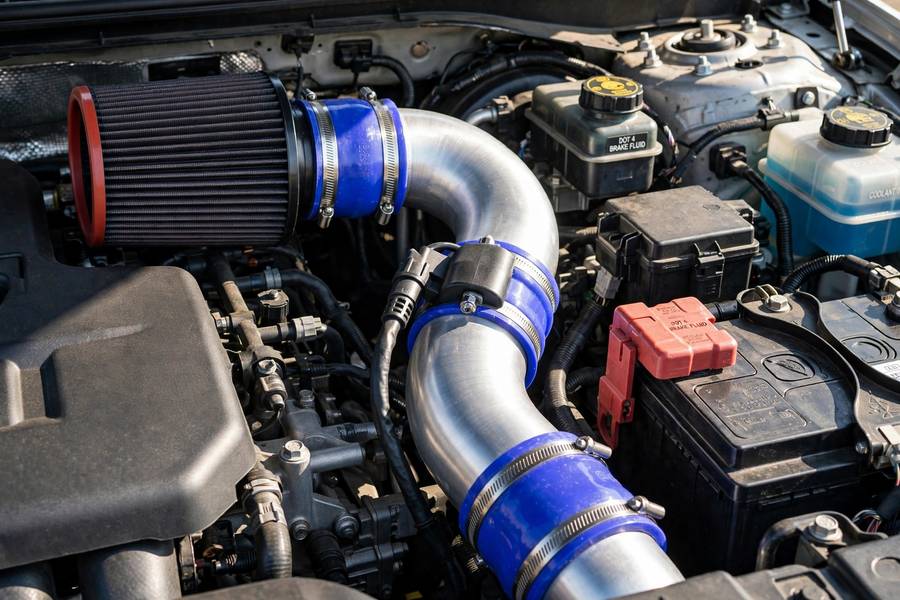
Method 2: Cold Air Intake and Breathing Mods
What it is: replacing the restrictive factory airbox with a freer-flowing intake, sometimes with larger throttle bodies or ported intake manifolds.
Realistic gains: 3–8 hp/lb-ft on most cars. Sometimes zero. Occasionally the car actually loses low-end torque (more on that below).
The honest truth: intakes are the most oversold modification in the industry. Factory intakes on modern cars are already well-designed — engineers aren’t leaving 20 hp in the airbox. What intakes reliably deliver is sound: a throatier induction note that makes the car feel faster. A dyno is brutally honest about the difference.
When they help: on heavily modified cars where the stock intake genuinely becomes the bottleneck (big turbo, built engine), or on older cars with genuinely restrictive factory designs. As a first mod on a stock modern car? Buy it for the sound if you like the sound, not for the torque.
The low-end torque trap: some intakes shift the powerband upward — you gain 5 hp at redline and lose 5 lb-ft at 2,500 RPM. For a daily driver, that’s a bad trade. If you tow or drive in traffic, low-end torque matters more than peak numbers.
Method 3: Exhaust Upgrades
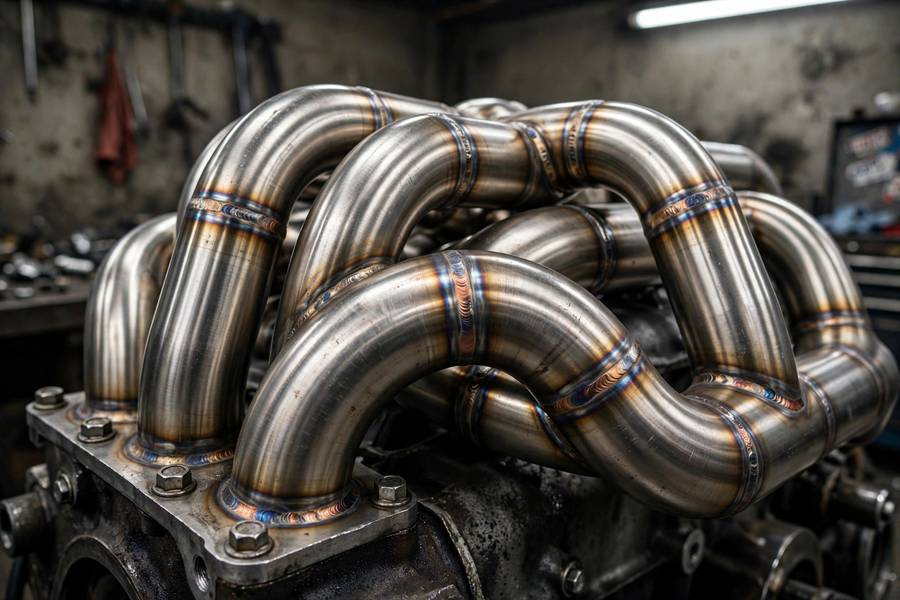
What it is: headers, high-flow catalytic converters, cat-back exhaust systems — reducing backpressure so the engine exhales more freely.
Realistic gains: 5–15 hp on NA engines with a full system (headers + exhaust); less from a cat-back alone (mostly sound). Turbo cars benefit more because reducing backpressure helps the turbo spool faster, improving response and low-end torque.
The nuance: exhaust tuning is about scavenging — using exhaust pulses to help pull the next charge in — not just “less restriction.” That’s why properly designed headers outperform a straight pipe. Bigger isn’t always better: oversized exhaust on a small engine kills exhaust velocity, hurting scavenging and low-end torque. The classic mistake is putting a 3-inch exhaust on a 2.0L NA engine and wondering why it feels slower around town.
Cost: $500–$2,500 depending on how complete the system is.
Trade-offs: noise (your neighbors will have opinions), potential emissions compliance issues (know your local laws — removing or replacing cats is illegal in many places), and drone at highway speeds with cheap systems.
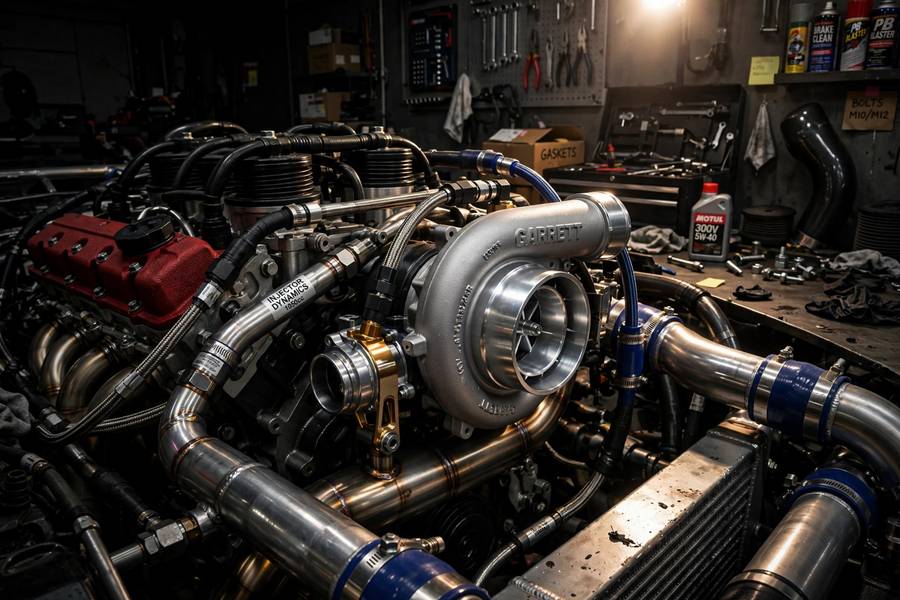
Method 4: Forced Induction — Turbocharging and Supercharging
What it is: forcing compressed air into the engine so it can burn more fuel per stroke. The single most effective way to add large amounts of torque.
Realistic gains: 30–100%+ depending on boost level and supporting mods. A properly turbocharged 2.0L can make the torque of a 4.0L V8.
Turbo vs. supercharger, briefly: turbos use exhaust energy (efficient, but with lag); superchargers are belt-driven (instant response, but they consume engine power to run). Turbos dominate the aftermarket for efficiency; superchargers (especially positive-displacement types like Roots and twin-screw) dominate for instant low-end torque and simplicity of installation.
Cost: $3,000–$8,000+ for a complete kit with tuning, more with supporting mods (fuel system, cooling, clutch, internals for high boost).
Trade-offs: this is major surgery. More heat, more stress on everything downstream (transmission, axles, clutch), higher maintenance, and on a stock engine, you’re limited to modest boost unless you build the internals. Budget for the supporting mods, not just the kit — the kit is the cheap part.
Method 5: Gearing Changes
What it is: changing the differential’s final drive ratio (or transmission gearing) to multiply the engine’s torque more aggressively.
Realistic gains: effectively 10–20% more wheel torque in every gear. The engine makes the same torque — the wheels just get more of it.
Why it’s underrated: it’s the only mod on this list that improves acceleration without stressing the engine at all. A final drive swap from 3.7:1 to 4.3:1 makes the car pull noticeably harder everywhere, improves towing, and costs less than forced induction. The trade-off is higher cruising RPM — worse highway fuel economy and more engine noise at speed.
Cost: $800–$2,000 installed for a final drive gear swap.
Best for: trucks, tow vehicles, and anyone who values low-end pull over highway cruising. It’s the working vehicle’s torque mod.
Method 6: Displacement and Internal Work
What it is: stroker kits (longer crankshaft throw = more displacement), bigger pistons, performance camshafts, ported heads — making the engine itself bigger or more efficient.
Realistic gains: 10–30% depending on how far you go. A stroker kit on a V8 can add 50+ lb-ft across the board.
The reality: this is engine-building territory — expensive, time-consuming, and permanent. Camshafts deserve special mention: the right cam can add significant torque, but cams move the powerband around. An aggressive cam that adds top-end power often costs low-end torque and idle quality. For a street car, mild cams that fatten the mid-range are worth more than wild cams that chase peak numbers.
Cost: $2,000–$10,000+ depending on depth. This is “I love this specific car” money, not “I want cheap speed” money.
Method 7: Nitrous Oxide
What it is: injecting nitrous oxide into the intake, which breaks down under combustion heat to release extra oxygen — letting the engine burn more fuel instantly.
Realistic gains: 35–150+ hp/lb-ft at the push of a button, depending on jet size. Nothing else delivers this much instant torque per dollar.
The catch: it’s consumable (bottles run out and refills cost money), it’s brutal on engines if misused (too much, too early in the RPM range, or without enough fuel = melted pistons), and it’s illegal for street use in many jurisdictions. It’s a drag-strip tool, not a daily-driving solution.
Cost: $500–$1,500 for a basic kit, plus refills and (wisely) supporting safety equipment.
My take: nitrous is the “technically correct but practically questionable” answer for most people. It works, it’s cheap per horsepower, and it’s also how a lot of engines die young. If you go this route, start conservative and get professional help with the tune.
What I’d Actually Recommend (By Budget)
After years of watching people spend money on this stuff, here’s my honest tier list:
- Under $100: full maintenance restoration — plugs, filters, fluids, fix what’s broken. The best torque-per-dollar that exists.
- $300–$800: ECU tune (turbo cars especially). Nothing else touches it for the money.
- $1,000–$2,500: tune + supporting breathing mods (intake + exhaust) as a package, properly tuned together. Mods without a tune to take advantage of them are jewelry.
- $3,000+: forced induction or gearing, depending on whether you want engine torque or wheel torque. Or — and I say this with love — sell the car and buy the faster version. A factory performance model is almost always cheaper and more reliable than modifying the base model to match it.
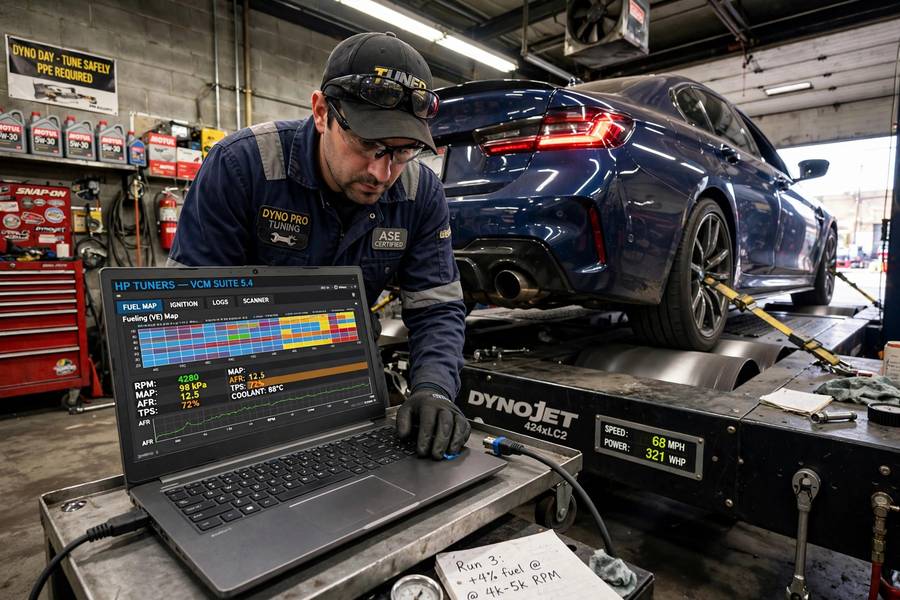
One last thing: whatever you do, get a before-and-after dyno run. It’s the only honest way to know what your money bought, and it’ll make you a smarter shopper for every future mod. Feelings lie; graphs don’t.
Frequently Asked Questions
Deferred maintenance — fresh spark plugs, clean air filter, fresh fluids, and fixing vacuum leaks or bad sensors. This restores lost torque for under $100 and often “adds” more than a bolt-on would. After that, an ECU tune is the best torque-per-dollar modification.
Barely — typically 3–8 hp on most modern cars, sometimes zero, since factory intakes are already well-designed. Intakes mainly change the sound. They help more on heavily modified cars where the stock intake is genuinely the bottleneck.
A turbocharger setup can add 30–100%+ more torque depending on boost level and supporting modifications. Even just an ECU tune raising boost on a factory-turbo car typically adds 15–30% torque — the best gains-per-dollar in modification.
A full system with headers can add 5–15 hp on naturally aspirated engines; a cat-back alone mostly changes sound. Turbo cars benefit more since reduced backpressure improves turbo response and low-end torque. Oversized exhausts can actually hurt low-end torque by killing exhaust velocity.
Yes — changing the differential’s final drive ratio multiplies wheel torque by 10–20% in every gear without touching the engine. It’s the only “more torque” mod that adds zero stress to the engine, though it raises highway cruising RPM.