Car people argue about this the way food people argue about barbecue — loudly, endlessly, and with deep regional loyalties. The truck crowd swears by low-end torque: “It’s all about the pull down low.” The sports car crowd worships the top end: “Power is nothing without revs.” They’re both right, because they’re describing different jobs. Torque isn’t one thing — where in the rev range it shows up defines the entire character of an engine.
I spent years driving both kinds back to back — diesel trucks that could pull stumps at idle and sports cars that didn’t wake up until 5,000 RPM — and the truth is simpler than the arguments suggest. Low-end torque is about effortlessness. High-end torque (which becomes high-end horsepower) is about excitement and ultimate speed. Which one you need depends entirely on what you ask your car to do.
Contents
- What “Low End” and “High End” Actually Mean
- Low End Torque: The Effortless Pull
- High End Torque: The Screaming Top End
- What Each One Feels Like to Drive
- Towing vs Performance: The Use-Case Split
- Can You Have Both? (Mostly Yes, Now)
- Picking the Right One for You
What “Low End” and “High End” Actually Mean
Quick definitions, because people use these terms loosely:
- Low-end torque = strong twisting force at low engine speeds, roughly 1,000–3,000 RPM. The engine pulls hard just off idle without needing to rev.
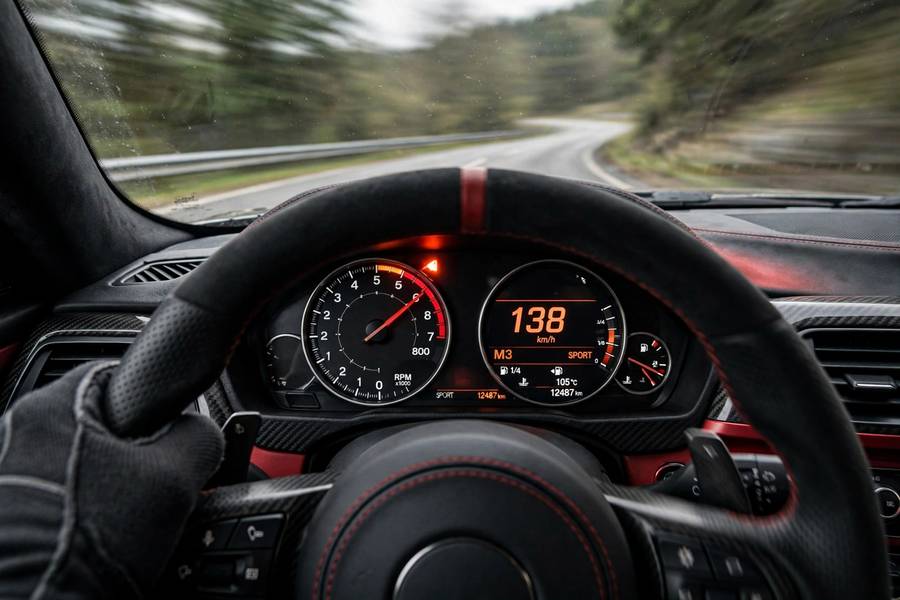
- High-end torque/power = strong output at high engine speeds, roughly 4,500 RPM to redline. The engine needs revs to deliver its best.
These come from the torque curve — the graph of twisting force across the rev range. An engine with a curve that rises early and plateaus is a low-end engine. One whose curve keeps climbing toward redline is a high-end engine. For the full background on what torque in cars means mechanically, that’s the place to start.
It’s worth noting the physics link: horsepower = torque × RPM ÷ 5,252. High-end “power” is really torque sustained at high RPM, multiplied by those revs into big horsepower numbers. So the debate is really about where the torque lives, not torque versus something else.
Low End Torque: The Effortless Pull
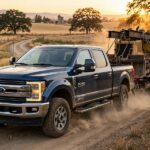
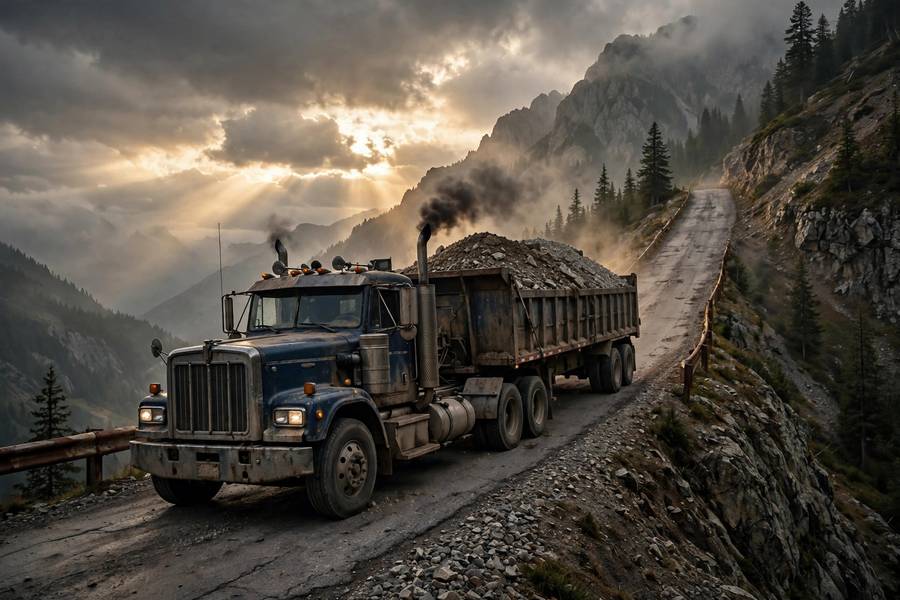
Low-end torque is the diesel truck idling up a boat ramp with 8,000 lbs behind it. The big V8 barely above idle, towing without breaking a sweat. The turbo four that merges onto the highway at 2,200 RPM without downshifting. It’s the sensation of the car doing the work for you, calmly, quietly, without drama.
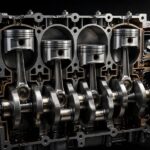
Where it comes from: long-stroke engine designs, high compression ratios (diesels), early-spooling turbochargers, large displacement, and superchargers (especially positive-displacement types that make boost from idle). These all produce strong cylinder pressure at low piston speeds.
What it’s good at: – Towing and hauling. Loads need force at moderate RPM — exactly what low-end torque delivers. This is why every tow vehicle prioritizes it. – Daily drivability. Traffic, hills, passengers, AC running — low-end torque handles all of it without downshifts or drama. The car feels unstressed. – Off-road and low-speed work. Crawling over obstacles, pulling through mud — you need controlled force at walking pace, not revs. – Fuel economy (in practice). An engine that doesn’t need to rev to do its job spends more time at efficient low RPM.
The trade-off: low-end-biased engines typically have low redlines and run out of breath up top. A diesel that pulls like a train at 2,000 RPM feels flat at 4,000. Excitement is not the strong suit — competence is.
High End Torque: The Screaming Top End
High-end output is the sports car winding out to 7,500 RPM, each gear delivering a crescendo. The motorcycle-like wail of a Honda VTEC crossing into its cam profile. The feeling that the car gets faster the harder you push it, rewarding commitment with an ever-building surge.
Where it comes from: short-stroke designs that rev freely, aggressive camshaft profiles tuned for high-RPM breathing, free-flowing intake and exhaust systems, and naturally aspirated engines generally (no turbo to run out of breath — just RPM).
What it’s good at: – Ultimate speed and track work. Racing happens at high RPM — that’s where the power is, lap after lap. A track car lives between 5,000 and redline. – Driving excitement. There’s a visceral thrill to an engine that builds and builds. Low-end torque is satisfying; high-end power is exhilarating. Different emotions. – Lightweight cars. A light car doesn’t need much low-end grunt to get moving — it needs top-end power to keep accelerating hard once it’s rolling. This is why affordable sports cars often favor revvy engines.
The trade-off: around town, a high-end engine can feel lazy or gutless. That 400-hp sports car making all its power above 6,000 RPM feels ordinary at 2,500 RPM in traffic — because it is, down there. You have to work the gearbox to keep it happy, which is fun on Sunday and tedious on Monday.
What Each One Feels Like to Drive
The seat-of-the-pants difference, from someone who’s lived in both:
Low-end torque car in daily driving: You press the pedal a quarter inch and the car just goes. Merging? Squeeze and you’re at speed. Hill with four passengers? The engine note barely changes. You rarely see the tachometer move much because it never needs to. After a week, you feel like the car is doing you favors. The sensation is effortlessness — and it’s deeply pleasant in a way that never gets old.
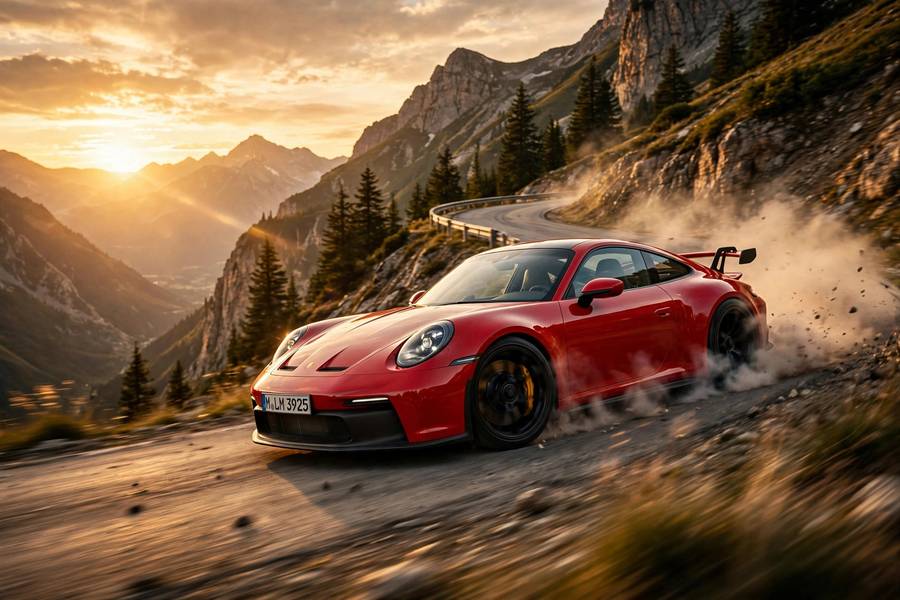
High-end car in daily driving: Around town, it’s… fine. Normal. Maybe slightly sleepy below 3,500 RPM — you find yourself pressing deeper into the pedal for the same result. Then you find an on-ramp, drop two gears, and the engine erupts from 5,000 to redline with a snarl, and you remember why you bought it. The sensation is anticipation rewarded — ordinary 90% of the time, magical 10% of the time.
The gearbox factor: transmissions mediate everything. A good automatic or CVT transmissions setup can keep a high-end engine in its happy place automatically, masking the low-end weakness. A bad one leaves you constantly hunting. Manual drivers get to choose — which is why enthusiasts who love high-end engines usually want the stick.
Towing vs Performance: The Use-Case Split
This is where the debate settles into practical advice:
Towing, hauling, commercial work → low-end torque, no contest. A trailer doesn’t care about your redline. It cares about sustained pulling force at the RPM where you’ll actually tow (1,800–3,000). An engine that makes 400 lb-ft at 2,000 RPM will tow circles around one making 400 lb-ft at 5,500 RPM, because the second one can’t stay at 5,500 RPM pulling a grade without overheating, screaming, and drinking fuel. This isn’t opinion — it’s why every serious tow rig is diesel or big-displacement gas.
Track days, canyon carving, maximum speed → high-end power. Racing rewards sustained high-RPM output. The engine that keeps pulling harder all the way to redline wins, because races are won at the top of the rev range, not the bottom.
Daily driving → low-end torque wins for most people. Here’s the uncomfortable truth for the rev-happy crowd: you spend 95% of your driving between 1,500 and 3,500 RPM. An engine that’s strong there is strong where you live. The high-end heroics happen on the rare occasions you get to open it up. This is the single biggest reason turbocharged engines took over the market — they deliver low-end torque for the 95% and respectable top-end for the 5%.
Can You Have Both? (Mostly Yes, Now)
The old rule was: pick one. Low-end grunt or top-end scream — engine design forced the choice. Long stroke for torque meant low redline; short stroke for revs meant weak bottom end. Cams were either mild (low-end) or wild (top-end).
Modern technology has substantially blurred the line:
- Turbocharging is the great equalizer — boost at low RPM for bottom-end torque, sustained boost up top for high-end power. A modern 2.0T genuinely does both jobs well.
- Variable valve timing and lift (VTEC, VVT-i, VANOS, etc.) let one engine run a mild cam profile down low and a wild one up top — literally two engines in one.
- Twin-scroll and variable-geometry turbos spool early without choking the top end.
- Electric motors sidestep the whole debate — max torque at 0 RPM and strong top-end, no compromise. (One more reason EVs are rewriting the rules.)
The remaining purists on each side still exist — the big diesel that’ll never rev and the NA sports car that’ll never pull stumps — but for mainstream cars in 2026, “both” is increasingly the default answer.
Picking the Right One for You
My shop-counter advice, distilled:
- You tow, haul, or drive loaded regularly: prioritize low-end torque. Look at the “@ RPM” on the torque spec — peak below 2,500 RPM is what you want. Diesel or big turbo gas.
- You commute and do family duty: low-end torque again. Effortless daily driving beats occasional heroics. Modern turbo four-cylinder is the sweet spot.
- You drive for fun on weekends: now the high-end argument gets real. If the joy is in the revs, buy the revs — just accept the around-town compromise with open eyes.
- You want one car to do everything: modern turbocharged engine. It’s the “both” answer, and it’s why they own the market.
Neither is better in the abstract. But one of them is better for you, and now you know which questions to ask to figure out which.
Frequently Asked Questions
Low-end torque is strong twisting force at low engine speeds (roughly 1,000–3,000 RPM). Engines with good low-end torque pull hard just off idle without needing to rev — ideal for towing, hauling, and relaxed daily driving. Diesels and turbocharged engines are known for it.
It depends on use. Low-end torque is better for towing, daily driving, and drivability — the engine works effortlessly at normal RPM. High-end power is better for track driving and ultimate speed, where engines operate near redline. For most drivers, low-end torque matters more day-to-day.
Towing and hauling happen at moderate RPM (1,800–3,000) under sustained load. Low-end torque provides the pulling force exactly where it’s needed without forcing the engine to scream at high RPM, which would overheat it and burn excessive fuel under load.
Modern technology makes it possible: turbocharging delivers boost across the rev range, variable valve timing gives two cam profiles in one engine, and electric motors produce max torque from 0 RPM with strong top-end. Modern turbocharged engines are the best “both” compromise for most buyers.
High horsepower usually comes from sustaining torque at high RPM (since HP = torque × RPM ÷ 5,252). An engine can make big horsepower with modest torque if it revs high enough — which is why some sports cars feel weak around town but fly at redline.