Most Luxurious Cars: What the Money Actually Buys

I’m Marcus. Ten years around cars — some of it servicing machines that cost more than my house — taught me what brochures won’t: luxury isn’t the badge. It’s what happens at 70 mph when the world goes quiet, the seat feels poured around you, and you arrive more rested than when you left.
If you want the complete picture, Luxury Cars With the Best Interiors (10 Cabins Worth Sitting In) covers it step by step.
My rule for everything I write: would I actually spend my own money on this car? For most of this list, no — not because they aren’t magnificent, but because the value math gets absurd. Still, knowing what real luxury is makes you a smarter buyer at every price, because the good stuff trickles down.
What Luxury Actually Means
After a decade in and around everything from base compacts to six-figure flagships, my definition is four things:
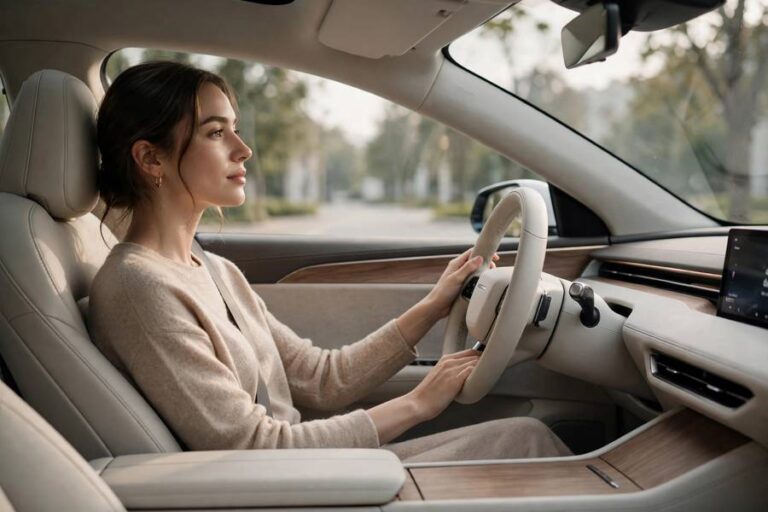
Silence. The big one, and the hardest to fake. Laminated acoustic glass, active noise cancellation, absurd sound deadening. The first time I drove a proper flagship on the highway, I kept checking the speedometer because 80 felt like 50. Cheap cars shout; luxury cars whisper.
Ride quality. Not soft — controlled. It irons out broken pavement without floating like a boat. Air suspension is the usual tool: magic when it works, expensive when it fails out of warranty.
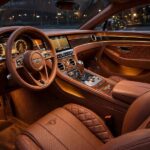
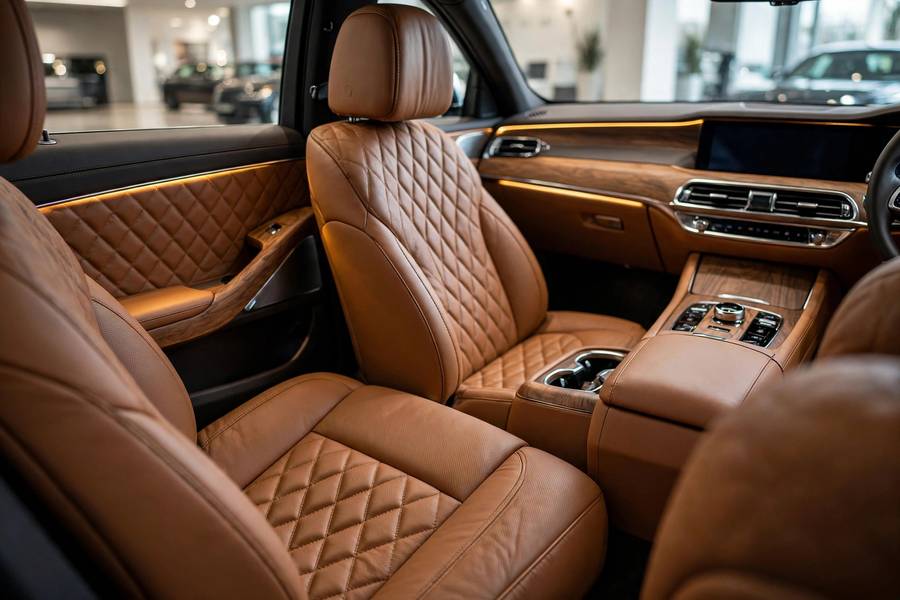
Materials and assembly. Real metal, real wood, real leather — and the weight of the door thunk, the damping of every switch, stitching you run your thumb over. Luxury is a thousand tiny details, not one big one.
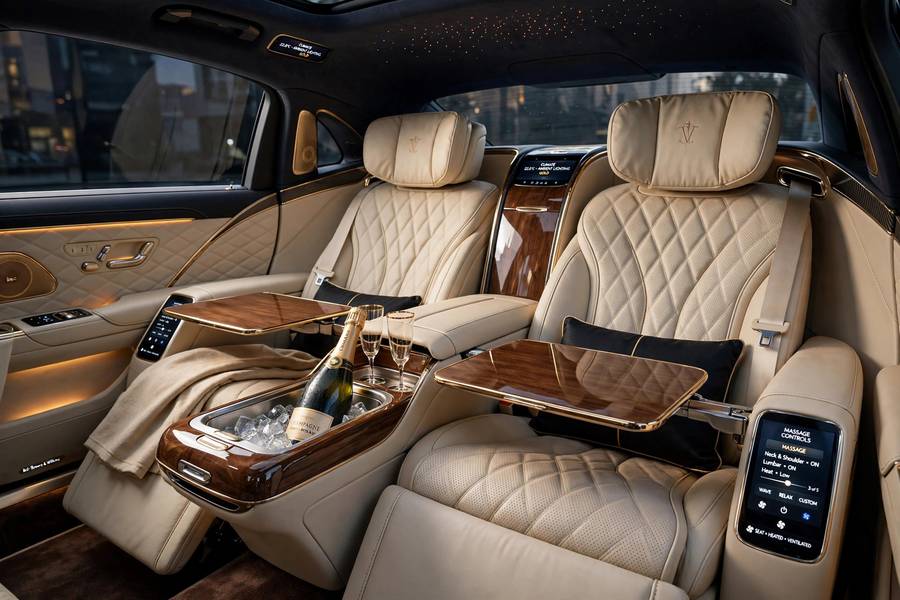
Effortlessness. Power without drama. Tech that works without a manual. Massaging seats, adaptive cruise that handles stop-and-go, headlights that see around corners (and keeping those headlights clean matters more than you’d think on matrix-LED systems). Luxury is the absence of friction.
Notice what’s missing: horsepower, 0–60, lap times. Those are performance metrics. Luxury is about how the car treats you.
Ultra-Luxury: Rolls-Royce and Bentley
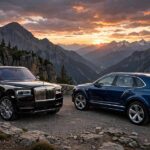
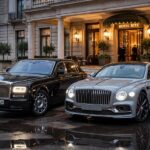
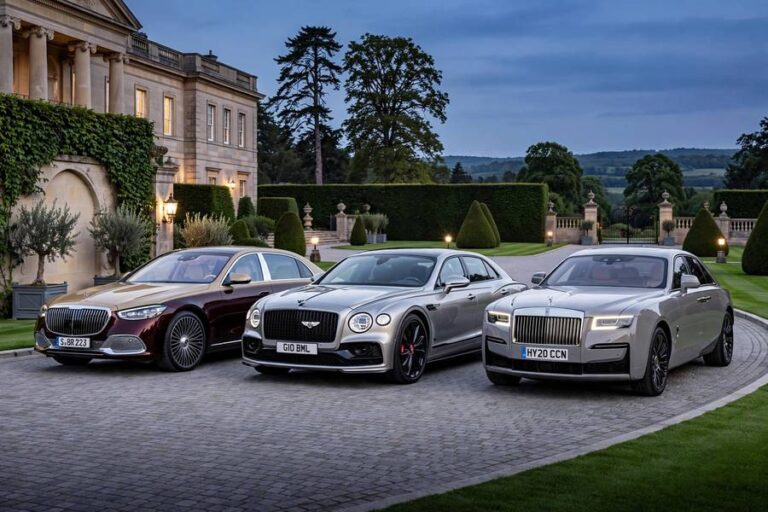
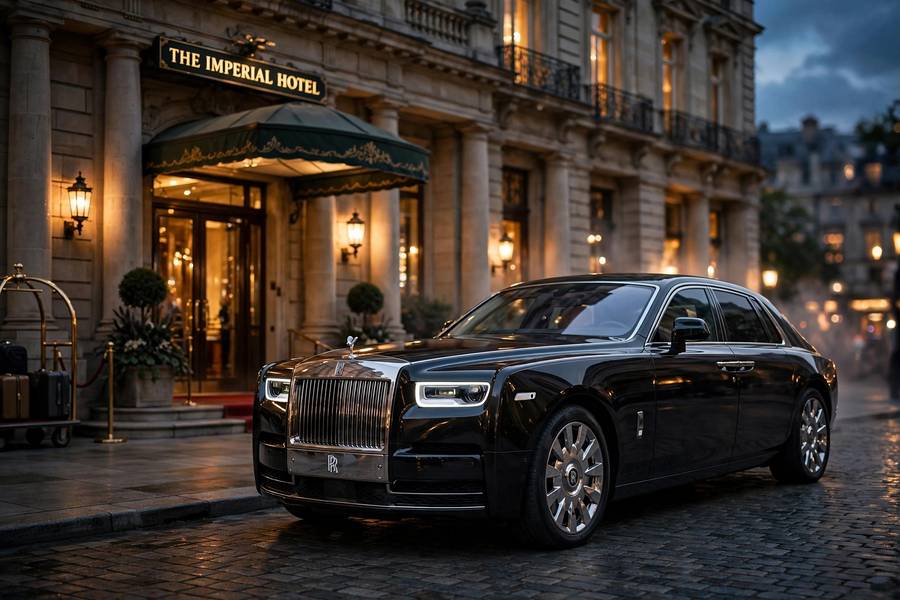
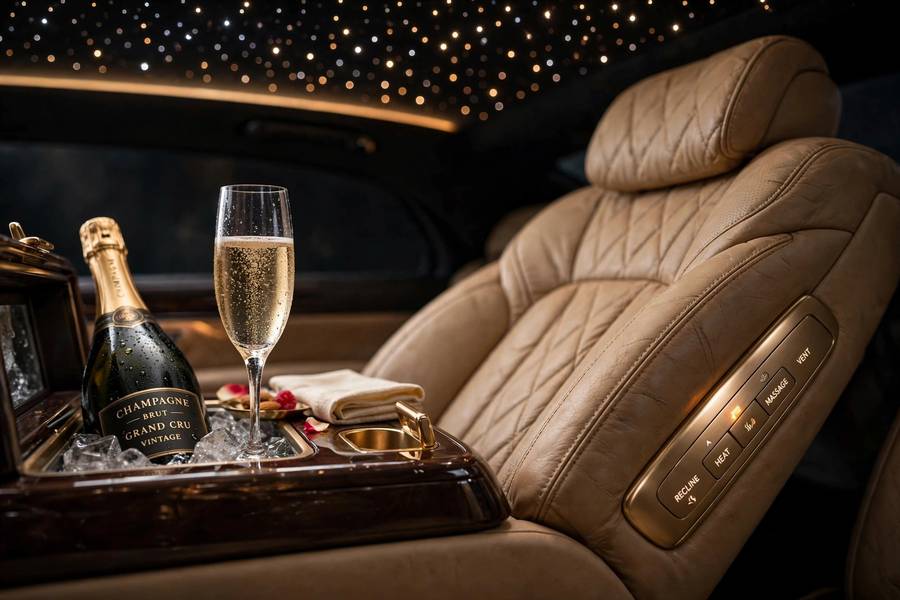
Rolls-Royce Phantom / Ghost. The Phantom is the answer to “what’s the most luxurious car in the world,” and it’s not close. Bank-vault doors. The starlight headliner — hundreds of fiber-optic lights hand-set into the roof — sounds like a gimmick until you see it at night. The V12 is so silent engineers added a whisper of sound back because total silence felt wrong. Everything is bespoke, down to embroidered monograms. A Phantom doesn’t transport you; it insulates you from travel itself. The Ghost is the smaller, slightly less formal version — first class instead of a private jet.
Would I spend my own money? No. That’s not a knock — at this level you’re buying art and status, not transportation. The engineering is beyond reproach; the value proposition is between you and your accountant.
Bentley Flying Spur. If Rolls is old-money restraint, Bentley is old-money with the top button undone. Hand-stitched leather, book-matched veneers, knurled metal finishes no cost-cutter would allow. Bentleys feel handmade because, remarkably, they largely are. The shop-floor truth: magnificent and maintenance-intensive in equal measure. New buyers don’t care. Used buyers at 40% off should care very much. More on that below.
Flagship Sedans: S-Class, 7 Series, A8, LS
This is the real battle — the cars that define luxury for people who drive themselves.
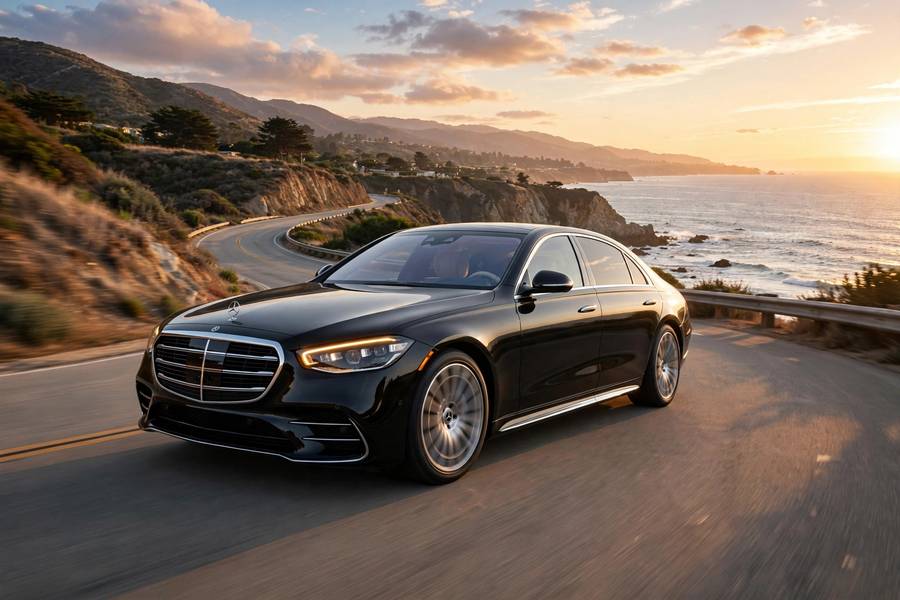
Mercedes-Benz S-Class. The benchmark, for decades. Every generation debuts tech that reaches normal cars ten years later. The ride, the seats, the serenity — it’s the standard everyone chases. The S-Class doesn’t win on any single spec; it wins on the absence of compromise. If I name one car that defines “luxury sedan,” this is it. Not a difficult call.
BMW 7 Series. The driver’s flagship — sharper steering, sportier character, for buyers who find the S-Class too restrained. Recent generations went maximalist: theater screens, crystal controls, ambient everything. Spectacular, occasionally overwrought. Mechanic’s note: wonderful to drive, famously expensive past warranty. Budget accordingly or lease and walk away.
Audi A8. The quiet achiever. Superb but never sold like the S-Class — quattro standard, beautifully resolved interior, ride comfort rivaling anything. Audi’s philosophy is understatement. It’s the connoisseur’s dark horse, and used ones are relative bargains because the badge lacks resale heat. Want 90% of the S-Class experience for 70% of the money used? Start here.
Lexus LS. The reliability play. Built its legend doing everything the Germans did with half the drama — whisper-quiet, impeccably built, famously dependable. Honest assessment: if you want a flagship to own long-term rather than lease, the LS is the rational answer. Less badge prestige, but it’ll still be gliding silently when the German alternatives are on their third air suspension compressor. Of every car on this list, this is the one where “would I spend my own money” gets closest to yes.
Contenders Worth Knowing
Range Rover. The luxury SUV that invented the category — cabin opulence plus genuine off-road ability, a paradox on wheels. The catch every mechanic knows: reliability is a lottery. Sublime when good, a second mortgage when bad. Buy new with a warranty, or buy with eyes open and a slush fund.
Porsche Panamera. The flagship for people who find luxury sedans boring — drives like a 911 that grew up and got a back seat. Obsessive engineering, impeccable interior, holds value better than most flagships. If luxury must include enjoying the drive, this is the answer.
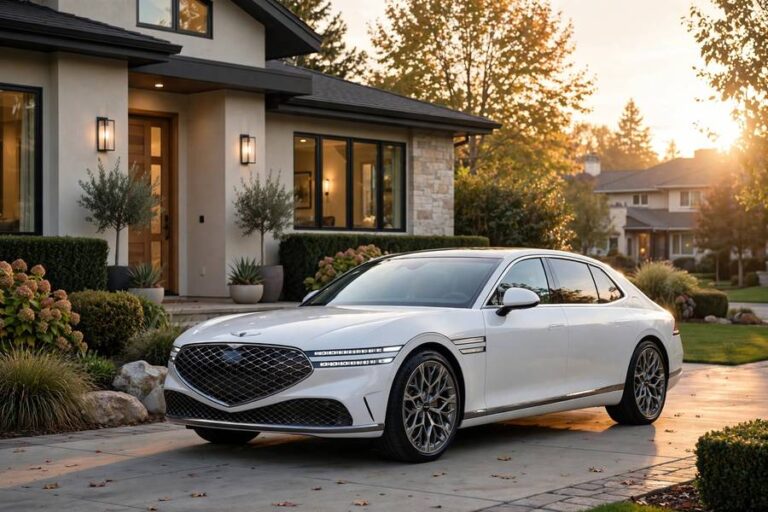
Genesis G90. The disruptor. A genuine S-Class rival — serene, beautifully finished, loaded with tech — for tens of thousands less, with included maintenance and valet service. The badge prestige isn’t there yet. The car is. This is the value play in new luxury, full stop.
Lucid Air / Mercedes EQS. EVs are naturally suited to luxury — silent powertrains, flat floors, instant torque. Depreciation on electric flagships has been brutal, which makes them fascinating used buys: a two-year-old electric flagship at half price is one of the smartest luxury purchases available — if the battery warranty transfers.
We go deeper on this in EV Instant Torque vs Gas Cars.
What the Money Buys at Each Level
$60,000–$80,000: Quiet, comfort, and materials over mainstream — plus the badge. The jump from a $35,000 sedan is real and noticeable daily. This is where luxury-per-dollar peaks, in my opinion.
$100,000–$150,000: The absence of compromise — the S-Class tier. Everything resolved. Diminishing returns have started, but the experience is complete. Most buyers lease, which tells you about the ownership math.
$200,000+: Craftsmanship, exclusivity, status. A Phantom isn’t twice the car an S-Class is — it’s a different category of object. Rational value left the building; emotional value took its place. Nothing wrong with that, as long as you’re honest about which you’re buying.
The trickle-down secret: today’s $65,000 car has the quiet cabin, adaptive cruise, ventilated seats, and acoustic glass of the $120,000 car of ten years ago. Luxury tech depreciates faster than the cars. Buy the tech one generation late — your back won’t know the difference.
The Used Luxury Trap
The most important sentence in this article: a $120,000 car selling used for $35,000 still has $120,000 maintenance costs. The air suspension doesn’t know you bought it cheap. The parts department offers no third-owner discount. One air strut: $1,500–$2,500. The purchase price depreciates; the maintenance price doesn’t.
The sweet spot: 2–3 years old, certified pre-owned. Let the first owner eat the 40–50% initial depreciation, then buy CPO with a factory-backed warranty. Half price, someone else covering the scary repairs. The only way I’d personally buy a German flagship.
Get an independent pre-purchase inspection. Not the selling dealer — a marque specialist who sees these cars daily. They’ll spot the weeping air strut and the module with stored codes that the detailer waxed over. $200 on a $40,000 car is the best money you’ll ever spend. I’ve seen inspections save buyers $8,000 in pending repairs.
The Lexus exception. Want used luxury without the trap? The answer is almost always Lexus. An LS with 80,000 miles has another 120,000 in it on basic maintenance. The S-Class may be the better car, but the Lexus is the better purchase for anyone spending their own money. My rule holds: on a used Lexus, yes. On the Germans, only CPO with warranty. On a used Range Rover or Bentley, only with a second car and a sense of adventure.
Real luxury isn’t the price tag — it’s a car that makes every drive feel effortless. Know what you’re paying for, respect the maintenance math, and buy the experience smart. The quiet cabin doesn’t care what you paid for it.
Frequently Asked Questions
The Rolls-Royce Phantom is widely considered the most luxurious car in the world, with bespoke craftsmanship, a silent V12, and details like the starlight headliner. The Bentley Flying Spur and Mercedes-Maybach S-Class are the closest rivals.
True luxury is silence at speed, controlled ride quality, genuine materials with precise assembly, and effortlessness in power and technology. Badges and horsepower numbers are secondary to how the car treats its occupants.
It can be, with one rule: a $120,000 car selling for $35,000 used still has $120,000 maintenance costs. Buy 2-3 years old as certified pre-owned with a factory warranty, get an independent inspection, and favor Lexus for long-term ownership.
For the full breakdown, see our guide on How to Dispose of an Old Car Battery (Safely and Legally).
Lexus consistently leads luxury reliability; the LS sedan routinely passes 200,000 miles on basic maintenance. Genesis also scores well. German flagships are superb cars but become expensive out of warranty, particularly air suspension and electronics.
The Genesis G90 offers flagship-level serenity, materials, and technology for tens of thousands less than German rivals, with included maintenance. Used, a 2-3 year old Audi A8 or Lexus LS delivers 90% of the S-Class experience at a steep discount.
Generally no. Flagship sedans are among the worst-depreciating vehicles, often losing 40-50% in three years. Porsches hold value better than most, and electric flagships have depreciated especially hard, making them compelling used buys.