Every most luxurious car features list you’ll find is just a brochure copy-paste. This one is different: I’ve experienced these features as a mechanic and evaluator, and I’m ranking them by actual impact on your daily experience — not by how impressive they sound in marketing.
Some “luxury features” are transformative. Some are gimmicks you’ll use twice. Here’s the honest breakdown.
Contents
- How I Ranked These Features
- Tier 1: Transformative (Worth Paying For)
- Tier 2: Genuinely Nice (Worth Having)
- Tier 3: Pleasant (Nice If Included)
- Tier 4: Gimmicks (Use Twice, Forget)
- The Features That Matter Most by Use Case
- What to Prioritize When Optioning a Car
How I Ranked These Features
My ranking criteria: how much does this feature improve your experience every time you drive, versus how often you actually use it? A feature you use daily that reduces fatigue beats a party trick you show passengers twice.
Tier 1: Transformative (Worth Paying For)
These change how the car feels every single drive. If budget allows, get them.
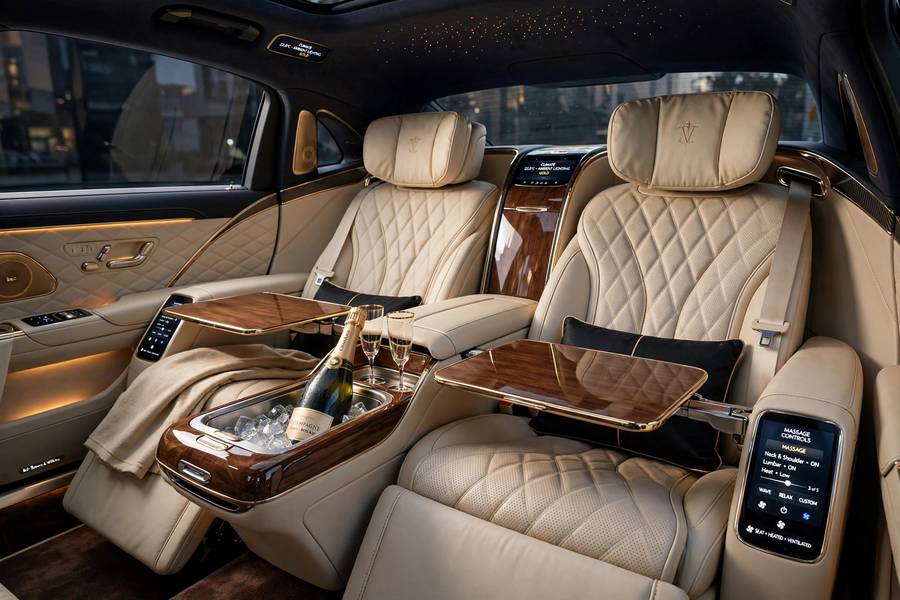
1. Multicontour/massage seats. The single highest-impact luxury feature. Properly adjustable seats with massage prevent the back pain and fatigue that ruin long drives. The difference between basic seats and true multicontour seats is the difference between arriving fresh and arriving broken. What separates great seats from good ones: adjustable bolsters that hold you in corners without squeezing on the highway, lumbar that moves with your spine rather than sitting as a fixed lump, and cushion extenders for taller drivers. The best systems (Mercedes, BMW) let you fine-tune each zone independently. Worth every penny, and the first option I’d tick on any luxury car.
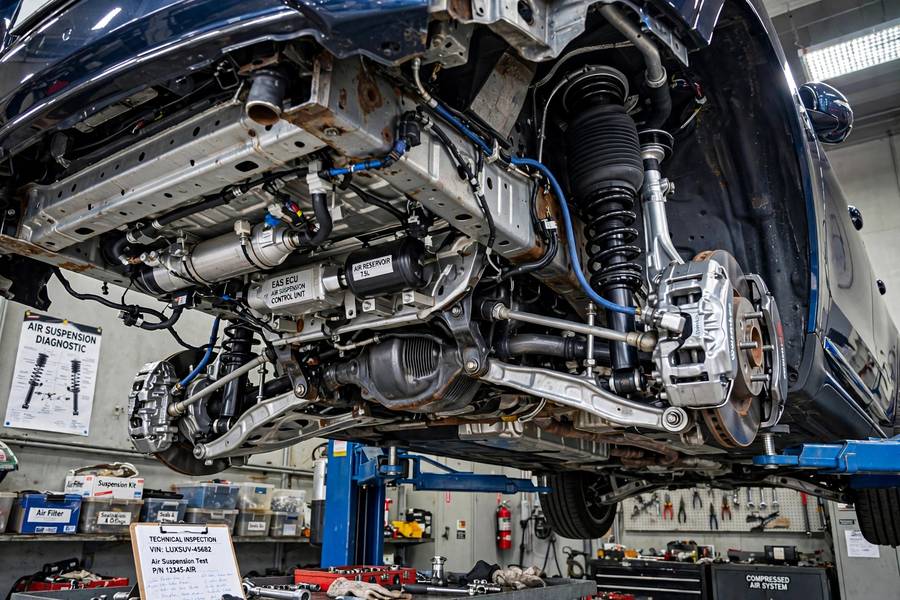
2. Air suspension with predictive damping. Transforms ride quality — erases bumps, controls body motion, adjusts to load. The foundation of the luxury ride. The predictive element matters: systems that scan the road ahead (Mercedes E-Active Body Control, Rolls-Royce’s camera setup) prepare the dampers before impacts arrive, which feels fundamentally different from reactive damping. (Shop note: budget for eventual maintenance — air struts wear out, typically 80,000–120,000 miles, at $1,500–$4,000 per corner. Factor this into long-term ownership.)
3. Acoustic glass + comprehensive insulation. The silence that defines luxury. You can’t add this aftermarket — it’s structural. Prioritize it when choosing between trims.
4. Adaptive cruise with lane centering. Reduces highway fatigue enormously. The best systems (Mercedes Distronic, GM Super Cruise, BMW Highway Assistant) are trustworthy enough that you genuinely relax. This is a safety and comfort feature.
5. Ventilated seats. In warm climates, transformative. Leather seats in summer without ventilation are a special kind of misery — you arrive with a damp back and a bad mood. Ventilated seats pull air through the perforations, keeping you dry and comfortable even in stop-and-go heat. Once you’ve had them, you’ll never go back. In hot climates, I’d rank these above massage.
6. Premium audio (properly done). A great system (Burmester, Bowers & Wilkins, Mark Levinson) doesn’t just play music — it creates an acoustic space. On long drives, it’s the difference between background noise and concert hall. The key qualifier is “properly done”: a base-brand premium audio option with a dozen speakers can outperform a flagship brand’s entry system. Listen before you pay — bring your own music to the test drive and play something you know well. Worth it if you spend hours in the car.
7. Soft-close doors. Sounds trivial; isn’t. The solid, silent closure changes how the car feels every time you get in or out. It’s the feature passengers notice subconsciously — the car just feels expensive.
Tier 2: Genuinely Nice (Worth Having)
Significant impact, used regularly, but not transformative.
8. Heated everything (seats, steering wheel, armrests). In cold climates, essential-adjacent. Heated steering wheels especially — cold hands are miserable, and it warms faster than cabin heat.
9. Head-up display. Keeps eyes on the road, reduces glance time. The best ones (BMW, Mercedes) are crisp and informative. Once adapted, you miss it in cars without one.
10. 360-degree camera + parking assist. Makes large luxury cars manageable in tight spaces. Reduces the stress of parking a $150,000 car. Practical luxury.
11. Power tailgate/liftgate with hands-free. Genuinely useful when your hands are full. Kick-to-open works well on most modern systems.
12. Ambient lighting (done well). The good systems (Mercedes’ 64-color, BMW’s light bar) transform the night cabin from functional to atmospheric. The bad ones are just colored LEDs. Quality of execution matters enormously.
13. Rear executive seating (recline + calf rest). If you’re ever chauffeured — or have kids who’ll appreciate it — transformative for the rear. If you always drive yourself, skip it.
14. Air fragrance/ionization. Sounds gimmicky; actually pleasant. The Mercedes Air Balance system subtly scents the cabin, and the ionization genuinely reduces odors. Low-key luxury that works.
Tier 3: Pleasant (Nice If Included)
Enjoyable, but wouldn’t pay much extra for.
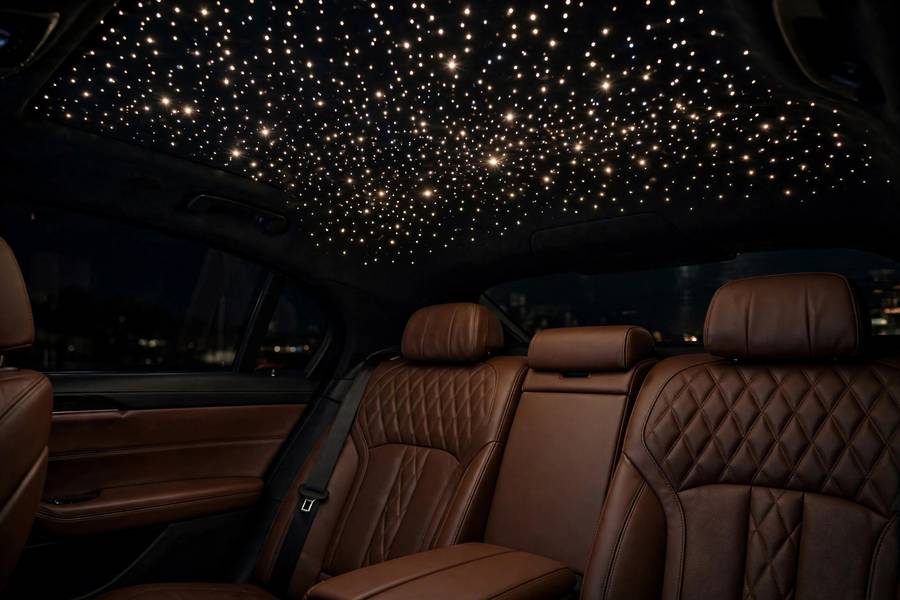
15. Starlight headliner (Rolls-Royce). Magical the first ten times, then it’s just the ceiling. Gorgeous craftsmanship, minimal daily impact. Buy it for the art, not the function.
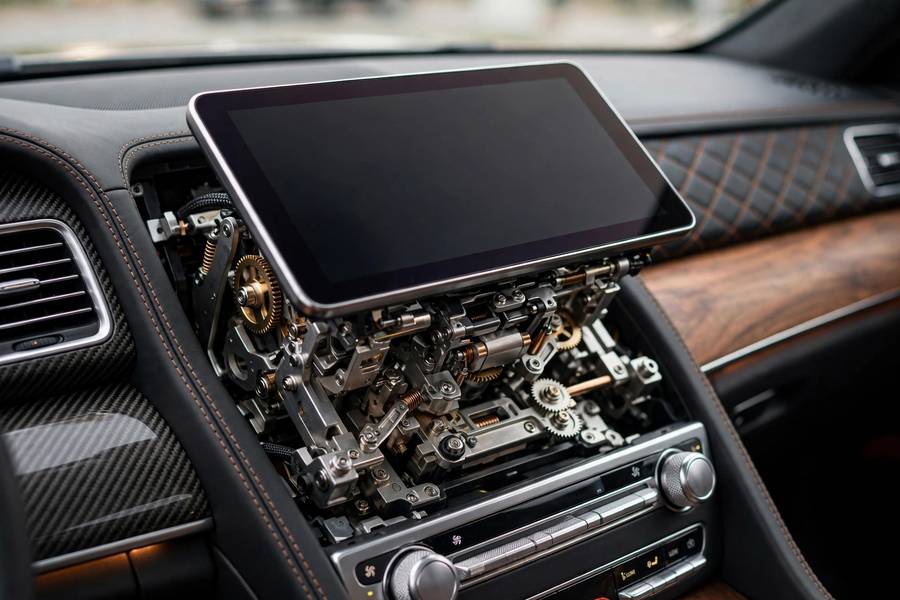
16. Rotating display (Bentley). Brilliant party trick, genuine philosophical statement about hidden tech. But it’s a screen mechanism — the daily impact is zero after the novelty fades.
17. Night vision. Useful in rural deer country; irrelevant in the city. The good systems highlight pedestrians and animals clearly. Niche but real for the right buyer.
18. Champagne cooler / refrigerated console. Lovely for celebrations, unused 360 days a year. The definition of “nice if included.”
19. Power rear sunshades. Great for rear passengers in sunny climates, especially with kids. Drivers never use them.
20. Gesture control. Works about 80% of the time, which means you stop trusting it and use the knob. The future, not the present.
Tier 4: Gimmicks (Use Twice, Forget)
Be honest with yourself before paying for these.
21. Fragrance atomizer refills at $150. The system is nice; the refill pricing is insulting. Third-party refills exist for a reason — and they work identically.
22. Light-show welcome sequences. Fun for a week. Then you just want to get in the car without a three-minute light ballet. The novelty decays fast, and you can’t turn off the eye-roll when passengers ask you to “do the light thing” for the twentieth time.
23. In-car karaoke / entertainment apps. Nobody uses these after the first month. Your phone does it better.
24. Overly complex drive modes. If the car has 8 drive modes and you use 2, the other 6 are clutter. (Exception: genuinely different modes like off-road or track settings on capable cars.)
25. Social-media-integrated cameras. The car is not a content studio. Skip.
The Features That Matter Most by Use Case
Daily commuter: Ventilated seats, adaptive cruise + lane centering, premium audio, acoustic glass. These attack commute fatigue directly.
Road-tripper: Massage seats, air suspension, adaptive cruise, premium audio, rear executive seating (for passengers). Comfort over distance is the whole game.
Chauffeur-driven: Rear recline + calf rest, rear climate controls, sunshades, champagne cooler, quietness. The front barely matters.
Enthusiast: Air suspension (for the good ones with sport modes), premium audio, head-up display, heated steering wheel. Skip the rear-seat theater.
Cold climate: Heated everything, heated steering wheel, remote start, acoustic glass (blocks wind noise that feels colder). Ventilated seats matter less.
Hot climate: Ventilated seats (essential), acoustic glass (heat + noise insulation), remote climate preconditioning, sunshades. Heated seats are dead weight.
What to Prioritize When Optioning a Car
If I were spending my own money on options, in order:
- The best seats available. Non-negotiable. You sit in them every drive.
- Air suspension (if offered). The ride foundation.
- Acoustic package (glass + insulation). Can’t be added later.
- Driver assistance package. Daily fatigue reduction.
- Premium audio. Hours of enjoyment per week.
- Climate comfort (ventilated/heated per your climate).
Skip: cosmetic packages (wheels, trim) before comfort is sorted. A beautiful car with bad seats is a mistake you’ll feel daily. And never — ever — skip the acoustic package to afford bigger wheels. Big wheels with thin tires actively destroy the ride and quietness you’re paying luxury money for. It’s the most common optioning mistake I see.
The through-line: the best luxury features are the ones you feel rather than see. Seats, silence, ride, climate — the fundamentals. Everything visible is secondary. Option the invisible first.
For the cars that offer these features, see most luxurious cars, luxury cars with the best interiors for cabin deep-dives, and what makes a car luxurious for the philosophy behind the features.
Frequently Asked Questions
Multicontour/massage seats — the highest daily impact of any luxury feature. Followed by air suspension, acoustic insulation, adaptive cruise with lane centering, and ventilated seats. The best features are felt, not seen.
Yes, for anyone who drives long distances — they prevent the back pain and fatigue that ruin road trips. For short urban commutes, the value is lower. They’re the single most impactful comfort option available.
For the ride quality, yes — it’s transformative. But budget for it: air struts typically need replacement at 80,000–120,000 miles ($1,500–$4,000 per corner). Factor this into long-term ownership costs.
Light-show welcome sequences, in-car karaoke apps, gesture control (unreliable), overly complex drive modes you’ll never use, and social-media cameras. Fun initially, forgotten within weeks — don’t pay extra for them.
No — big wheels with thin tires destroy the ride quality and quietness you’re paying luxury money for. It’s the most common optioning mistake. Prioritize the acoustic package and comfort options over cosmetic wheel upgrades.