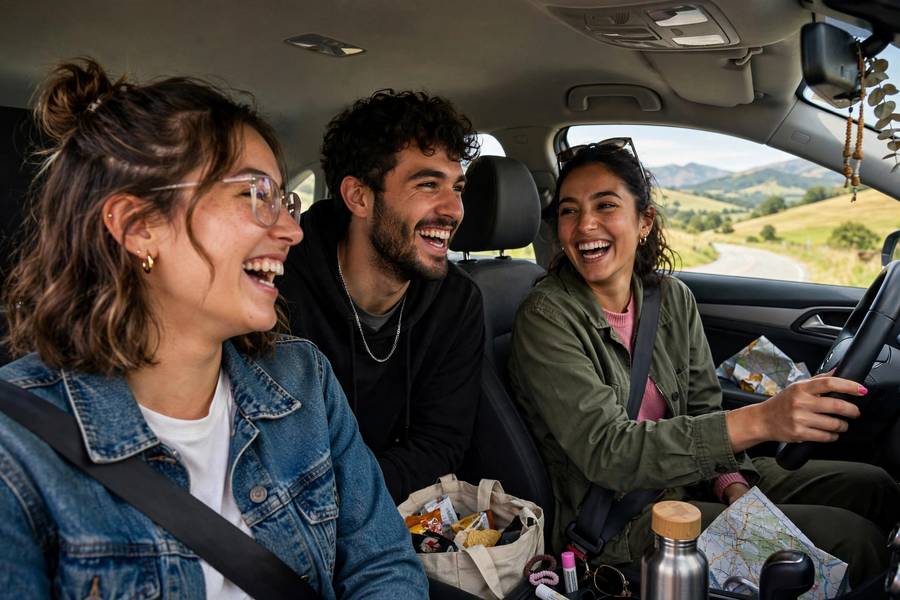
Some of my favorite memories were never planned. The detour that led to the perfect little restaurant. The “yes” to an invitation I almost declined. The afternoon that went completely off-script and became a story I still tell.
Spontaneity isn’t about being reckless or abandoning all plans. It’s about leaving room for life to surprise you — and then having the courage to say yes when it does. In a world of optimized schedules and five-year plans, a little unpredictability is not indulgence. It’s nourishment.
If you’re someone who plans everything (no judgment — I used to color-code my weekends), this guide is for you. Spontaneity is a skill, and like any skill, it can be practiced gently.
Table of Contents
- What Spontaneity Really Is (and Isn’t)
- Why We Lose It
- Start Small: Low-Stakes Spontaneity
- The Art of Saying Yes
- Build White Space Into Your Life
- Spontaneity With Others
- Solo Adventures
- Keeping the Balance: Planned Spontaneity
- When Spontaneity Is Hard
- Frequently Asked Questions

What Spontaneity Really Is (and Isn’t)
Spontaneity isn’t impulsiveness. Impulsiveness is acting without thinking — often regretted. Spontaneity is openness to the unplanned — noticing opportunities and having the flexibility to take them.
It’s the difference between quitting your job on a whim (impulsive) and accepting a last-minute dinner invitation from an interesting acquaintance (spontaneous). One is reckless; the other is how good stories begin.
True spontaneity also isn’t the absence of planning — it’s planning that leaves room. The most spontaneous people I know are often quite organized; they’ve just deliberately protected unscheduled time and cultivated a yes-first reflex.
Why We Lose It
Nobody is born rigid. We become less spontaneous gradually:
- Overscheduling. When every hour is allocated, there’s nowhere for spontaneity to land.
- Decision fatigue. A depleted brain defaults to “no” — it’s the lowest-energy answer.
- Fear of missing out on the plan. We optimize the known instead of exploring the unknown.
- Adult responsibilities. Real constraints (kids, jobs, mortgages) genuinely reduce freedom — but rarely as much as we think.
- The comfort of routine. Routines are efficient, and efficiency quietly becomes a cage.
Recognizing your pattern is the first step. Most people lose spontaneity to overscheduling and fatigue, both fixable.
Start Small: Low-Stakes Spontaneity
Don’t start by booking a surprise flight. Start where the stakes are zero:
- Take a different route to work or the store. Notice what you see.
- Order something new at your regular restaurant. The worst case is a mediocre meal.
- Say yes to one small invitation this week that you’d normally decline.
- Explore your own area — walk a street you’ve never walked, enter a shop you’ve passed a hundred times.
- Change one routine detail — different coffee, different park, different podcast genre.
These micro-spontaneities retrain your brain’s “yes” muscle. Each small yes makes the next one easier. Within weeks, you’ll notice yourself more open — not because you forced it, but because you practiced.
The Art of Saying Yes
Most missed spontaneity is a declined invitation. The reflex “I can’t / I’m busy / maybe next time” is usually automatic, not considered.
Try the default-yes experiment for one month: when invited to something low-stakes, your default answer is yes unless there’s a genuine conflict. Not a vague tiredness — an actual conflict. You’ll be amazed how many good evenings were hiding behind automatic nos.
Also: invite more. Spontaneity isn’t just accepting — it’s initiating. Text the friend: “Want to grab dinner tonight?” Suggest the walk. Plan the impromptu. Half of spontaneity is just being the person who asks.
And learn the difference between “no” from wisdom and “no” from habit. Wisdom says no to things that drain you; habit says no to everything unfamiliar. Keep the first, question the second.
Build White Space Into Your Life
Spontaneity needs somewhere to happen. If your calendar is full, no amount of willingness creates opportunity.
- Protect one unscheduled block weekly. A Saturday afternoon, a Sunday morning — no plans, no agenda. See what emerges.
- Leave margins in days. Back-to-back scheduling eliminates the space where spontaneous things occur. The 30 minutes between commitments is where life happens.
- Under-plan trips. Leave a day unplanned on every vacation. The best travel memories are almost always the unplanned ones.
- Keep a “someday” list. Interesting things you hear about — that restaurant, that trail, that exhibit. When white space appears, the list gives it direction.
This connects deeply with balancing work and personal life — white space isn’t laziness, it’s where the good stuff lives.
Spontaneity With Others
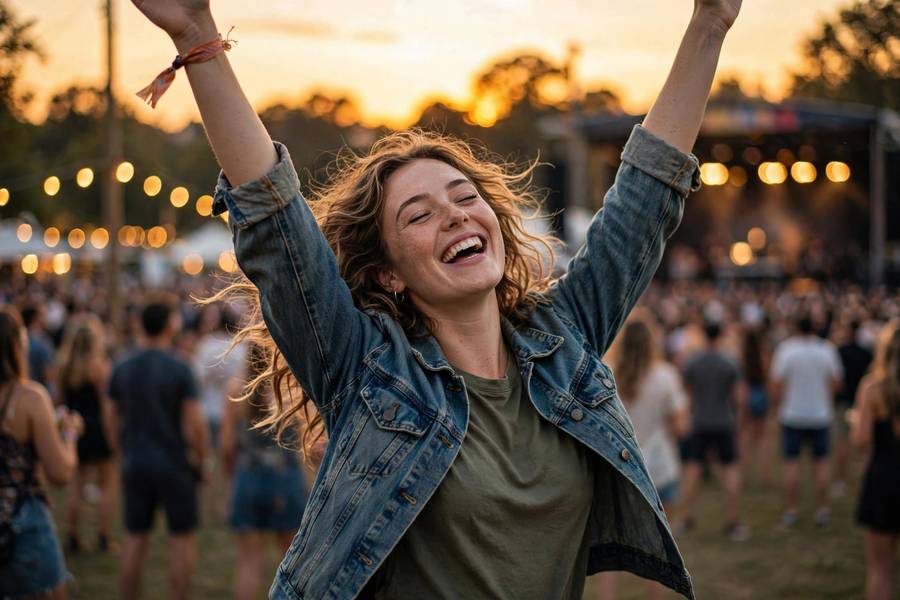
Spontaneous connection is the most rewarding kind:
- The impromptu gathering. Text three friends: “Backyard tonight? I’ll get pizza.” Low effort, high joy.
- Say yes to the detour. When someone suggests the scenic route, the extra stop, the “let’s just see” — go.
- Be interruptible. Some of the best conversations happen when plans get disrupted. Don’t guard the schedule so fiercely that people can’t reach you.
- Celebrate small things. Tuesday dinner becomes an event with candles and the good plates. Ordinary days deserve ceremony too — the hygge lifestyle is built on exactly this.
Solo Adventures
Spontaneity alone is underrated:
- The solo date. Take yourself somewhere nice with no agenda. A museum, a long lunch, a matinee.
- Wander with no destination. Pick a direction and walk. Get pleasantly lost (in safe areas).
- Try something alone that you’d normally need company for — a concert, a restaurant, a class. Solo experiences have a particular richness.
- The yes day (solo edition). For one day, say yes to every reasonable impulse. Follow curiosity wherever it leads.
Solo spontaneity builds self-trust — the quiet confidence that you can handle whatever comes up. That’s useful far beyond adventure.
Keeping the Balance: Planned Spontaneity
The paradox: the most spontaneous lives are often deliberately structured to allow it. This isn’t contradiction — it’s design.
- Fixed commitments (work, family, health) get protected time
- White space gets protected time too — equal priority
- The rest flexes around both
Think of it as a budget: you budget money so you can spend freely within limits. Budget time the same way — structure creates the freedom that pure chaos can’t.
And know your limits. Spontaneity shouldn’t jeopardize the things that matter — health, relationships, responsibilities. The goal is a richer life, not a messier one.
When Spontaneity Is Hard
For some, spontaneity isn’t just unfamiliar — it’s genuinely difficult:
- Anxiety makes uncertainty feel threatening, not exciting. Start microscopically small, and consider that managing anxiety (through practices or professional support) unlocks spontaneity as a side effect.
- Tight budgets limit options — but the best spontaneous things (walks, picnics, exploring, connecting) are free.
- Caregiving or demanding jobs shrink white space to nearly zero. Protect even 30 minutes weekly; small is infinitely better than none.
- Deep introversion isn’t the enemy of spontaneity — solo adventures and one-on-one spontaneity suit introverts beautifully.
Be kind to yourself about the pace. Spontaneity practiced gently still counts.
Spontaneity and the People Around You
One caution: your spontaneity affects others. The friend with anxiety might need plans. Your partner might need to know the budget impact. Kids need some structure to feel safe.
The answer isn’t to abandon spontaneity — it’s to communicate it. “I’d love to keep Saturday open and see what we feel like” gives structure-lovers the plan (Saturday is ours) with flexibility inside it. Frame spontaneity as an invitation, not a disruption.
And notice who lights up when you’re spontaneous. Those are your adventure people — invest in them. Shared spontaneity builds the deepest bonds because you’re experiencing the unplanned together, which is inherently intimate.
Frequently Asked Questions
Start with low-stakes changes (new routes, new foods), default to yes on small invitations, protect unscheduled time weekly, and initiate plans impulsively. Spontaneity is a practiced skill, not a personality trait.
In balance, yes — it’s linked to richer memories, stronger relationships, and greater life satisfaction. The key is openness to the unplanned, not recklessness. Keep responsibilities protected and let the rest flex.
Absolutely — many spontaneous people are organized underneath. Schedule white space, practice small yeses, and treat spontaneity as a skill to build gradually rather than a personality to adopt overnight.
Impromptu road trips, trying new restaurants, exploring unfamiliar neighborhoods, saying yes to last-minute invitations, solo adventures, and changing routine details. Start small — the muscle builds with practice.
Protect fixed commitments and health first, then deliberately schedule unscheduled time. Think of it as budgeting: structure creates the freedom. Spontaneity should enrich life, not jeopardize what matters.