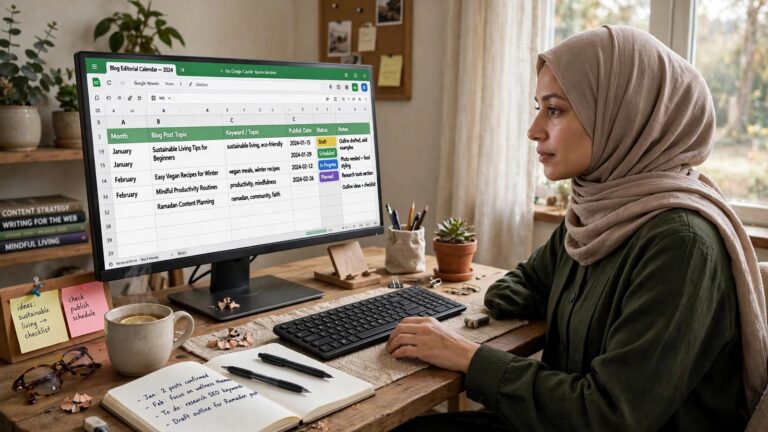
How to Get More Readers for Your Blog: 10 Strategies That Work


Every blogger has refreshed their stats page hoping for a miracle. I did it daily for my first year, and the miracle never came — until I stopped waiting for readers to find me and started going to find them. If you are asking how to get more readers for your blog, this guide gives you ten strategies that actually work for small blogs, ordered from foundational to advanced. No hacks, no buying traffic, just the patient work that builds audiences that stay.
One mindset shift first: readers are earned one by one before they arrive by the thousand. The bloggers with big audiences all went through the phase you are in now — writing for dozens, promoting every post personally, and celebrating every new subscriber. The strategies below work at every scale, but they matter most at the beginning, when each reader represents real momentum.
How to Get More Readers for Your Blog: 10 Strategies
1. Write posts that answer real questions
The foundation of everything: content people are already looking for. Use basic keyword research to find questions in your niche, then write the most helpful answer available. Search traffic compounds — a post that ranks brings readers for years with zero ongoing effort. This is slow at first and unbeatable over time. Every other strategy on this list amplifies good content; none of them rescue content nobody wants.
2. Make every post easy to share
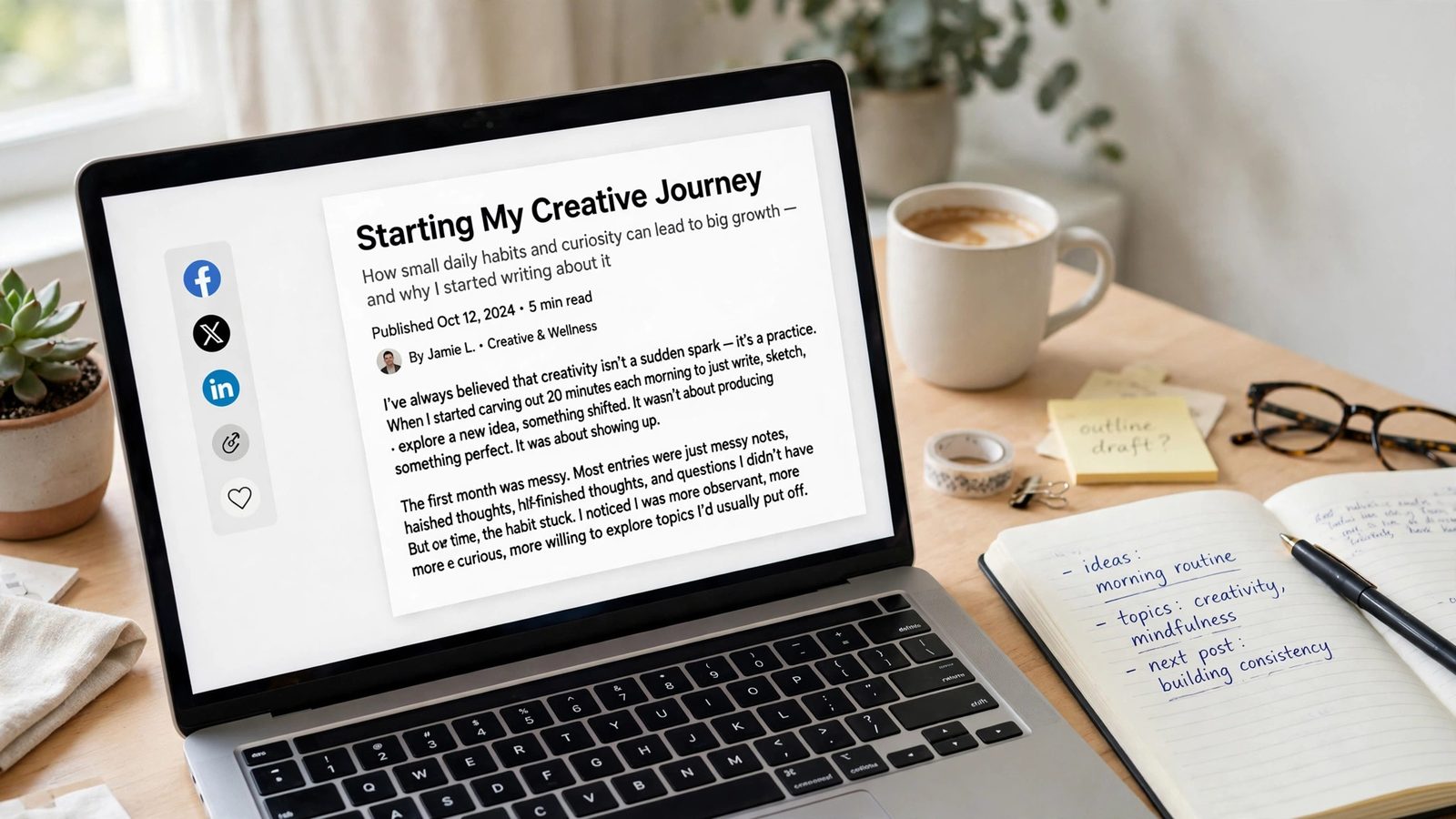
Readers share what makes them look good — insightful, useful, or beautifully expressed. Add visible share buttons, write quotable lines worth screenshotting, and end posts with a gentle nudge to share with someone who needs it. Then make sharing frictionless: no popups blocking the buttons, no broken previews when links are pasted. Small frictions kill most sharing before it happens.
3. Build an email list from day one
Email is the highest-leverage audience asset a blogger can own. Social algorithms change and search rankings fluctuate, but your list is yours — every new post gets a guaranteed audience instead of starting from zero. Offer a simple signup incentive related to your niche, place signup forms where engaged readers see them, and email consistently. Even a list of two hundred loyal readers outperforms ten thousand casual social followers for driving meaningful traffic. The fundamentals in our email marketing basics apply directly to bloggers.
4. Show up where your readers already gather
Your future readers are already talking somewhere — niche forums, subreddits, Facebook groups, Discord servers. Join those communities as a genuine participant first: answer questions, share experiences, be useful without an agenda. Over time, your helpfulness earns the right to occasionally share a relevant post. This is slow, relationship-driven traffic, but it converts beautifully because these readers arrive pre-sold on your expertise. Never spam links; one thoughtful answer with a relevant link beats fifty drive-by promotions.
5. Guest post strategically
Publishing on established blogs in your niche puts your writing in front of audiences that already trust the host. Each guest post should link back to your best relevant content and your email signup. Start with smaller blogs to build a portfolio, then pitch bigger ones with proof of your work. Done consistently — even one guest post a month — this becomes a steady pipeline of qualified new readers who arrive already respecting your expertise.

6. Repurpose every post for social media
Each blog post contains a dozen social posts waiting to happen: key tips as text posts, steps as carousels, insights as short videos. Repurposing multiplies each article’s reach without multiplying your workload, and it meets potential readers on the platforms where they actually spend time. The key is adapting to each platform’s native format rather than cross-posting identical content. Short-form video deserves special attention right now — our guide on how to grow on TikTok covers the approach, and the video principles in how to get more YouTube views transfer well to any video platform.
7. Collaborate with bloggers at your level
You do not need big names — bloggers at your stage are the perfect collaborators. Swap guest posts, co-write roundups, interview each other, or run a joint challenge for both audiences. Collaboration doubles your reach while halving the awkwardness of self-promotion, because you are introducing your readers to someone genuinely useful. These peer relationships also become your support system, which matters more than anyone admits in the lonely early years.
8. Update and re-promote your best posts
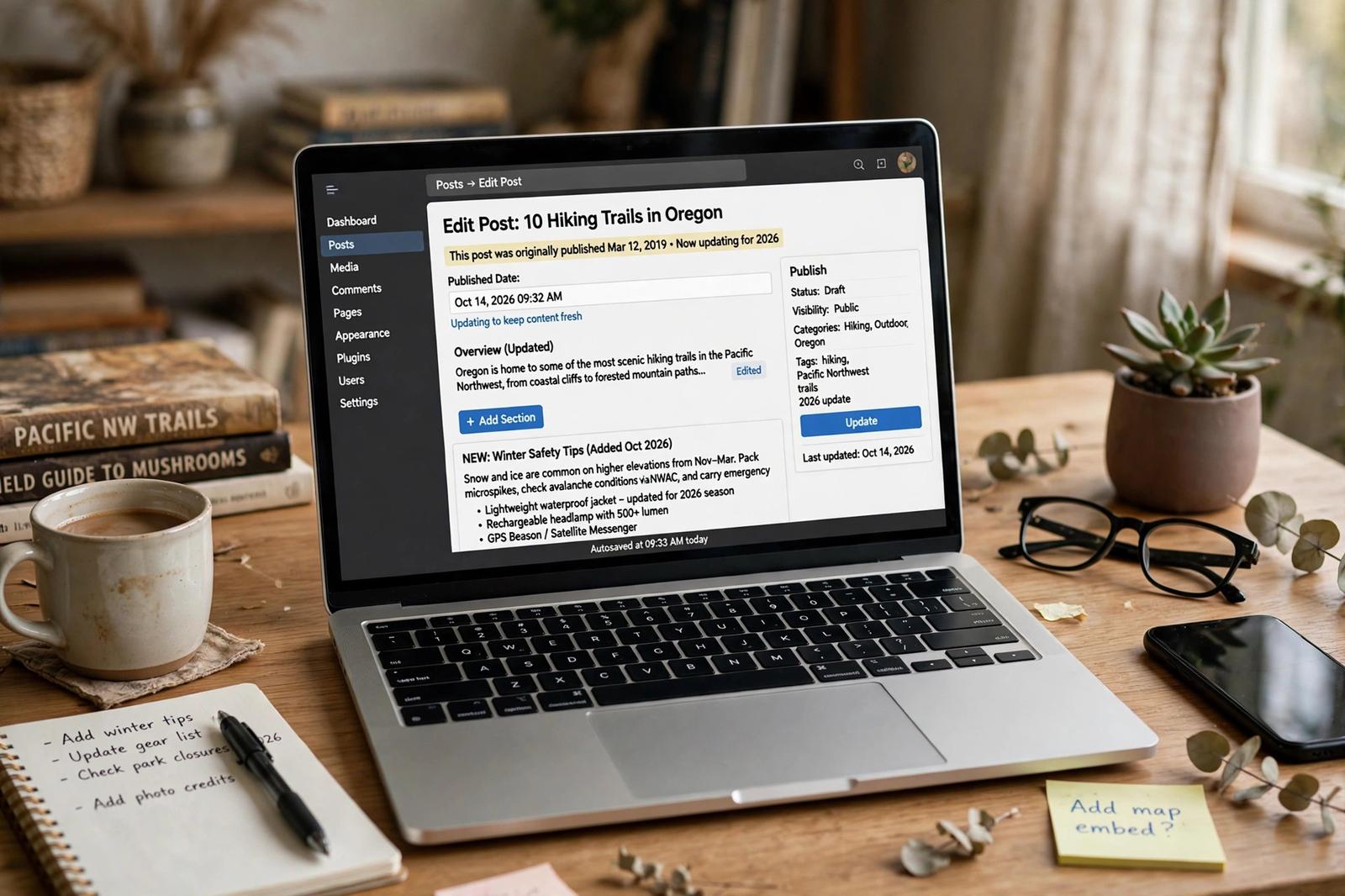
Your archive is an asset most bloggers ignore. Identify your top ten posts by traffic or engagement, update them with fresh information and better examples, then re-promote them as if they were new. Updated posts often rank better — search engines favor freshness — and re-promotion reaches followers who missed them the first time. Schedule a quarterly archive review; an hour of updating routinely outperforms an hour of writing something new.
9. Get featured in roundups and interviews
Expert roundups, podcast interviews, and HARO-style journalist queries put your name in front of new audiences with built-in credibility. Respond to relevant queries with genuinely useful, quotable answers — journalists remember sources who make their job easy. Podcast appearances are especially valuable: an hour of conversation reaches an engaged audience and gives you audio content to repurpose. Say yes to small opportunities; they compound into bigger ones.
10. Make your blog worth returning to
All the promotion in the world fails if new visitors bounce forever. Give first-time readers reasons to return: a clear email signup, related posts that invite deeper reading, an about page with personality, and a consistent publishing schedule they can rely on. Reader retention is the multiplier — a blog that keeps half its new visitors grows exponentially, while one that keeps none must constantly refill a leaky bucket. Audit your site as a stranger would: is it obvious what this blog offers and why I should come back?
What Not to Do When Growing Blog Readership
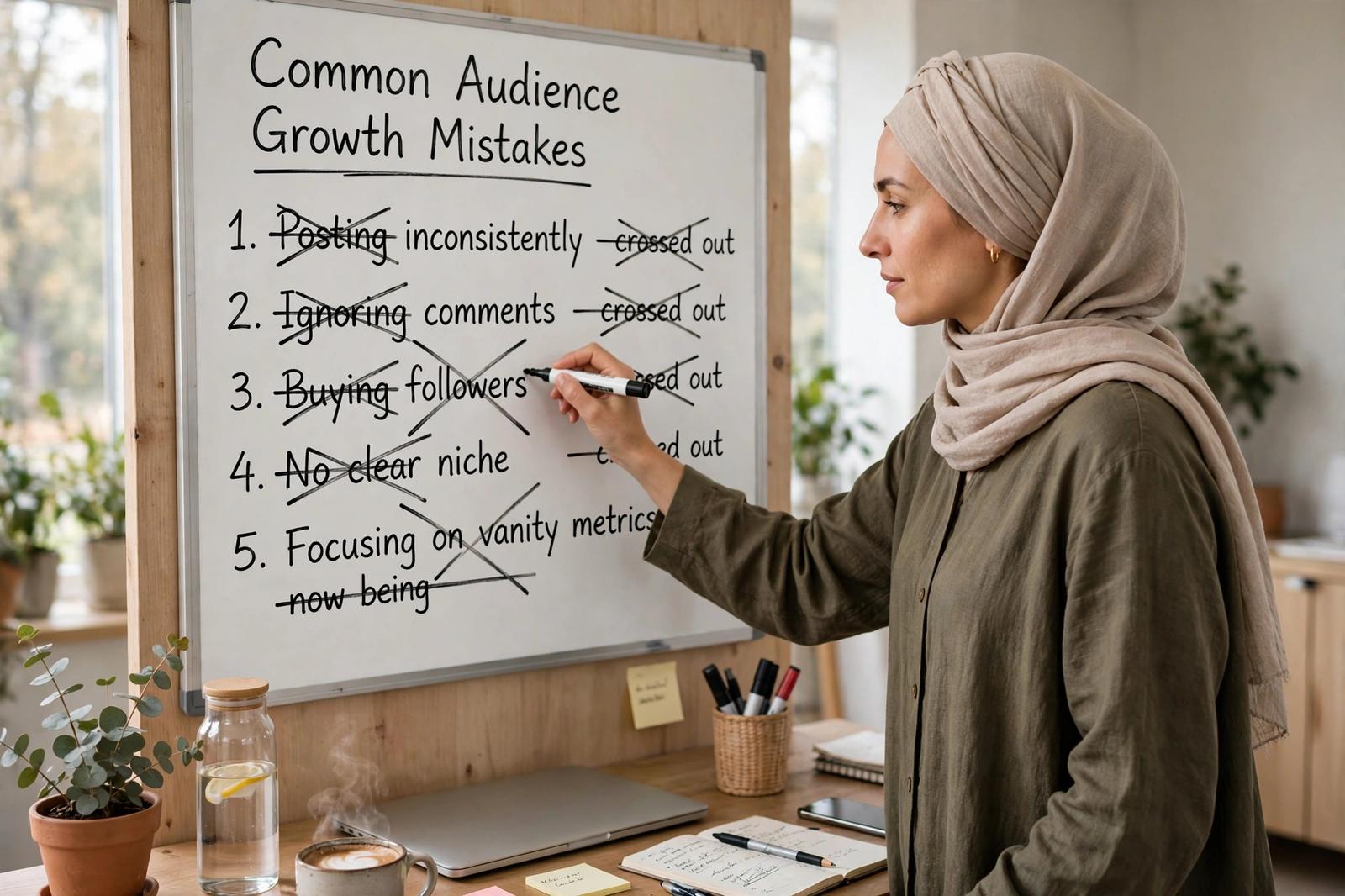
Avoid the traps that waste beginners’ time. Do not buy traffic or followers — fake numbers impress nobody and poison your analytics. Do not join engagement pods or comment-for-comment schemes; the hollow metrics teach algorithms nothing about your real audience. Do not chase every new platform; depth on one or two beats shallow presence on six. And do not obsess over daily stats — check weekly, look for trends, and spend the saved hours writing and promoting instead. Growth is a lagging indicator of good work, not a daily report card.
A Realistic Timeline for Blog Growth
Set honest expectations. Months one to three: dozens of monthly readers, mostly people you told directly — this is normal and healthy. Months four to six: search traffic begins as early posts mature, and your promotion systems start compounding. Months seven to twelve: the archive effect kicks in, with older posts bringing steady readers while new posts launch to a growing base. Most blogs that publish consistently and promote genuinely see meaningful traction in the second half of year one. The bloggers who quit in month four were often one quarter from the inflection point.
Turning Casual Readers Into a Community
Traffic is vanity; community is sanity. A thousand casual visitors are worth less than a hundred devoted readers who comment, share, and buy. Building that devotion starts with treating readers as people, not metrics. Reply to every comment in your first year — every single one. Ask questions at the end of posts and genuinely engage with the answers. Remember regular commenters by name and reference their earlier contributions. These small human touches are what convert a visitor into a regular, and they cost nothing but attention.
As your readership grows, give the community a home: a newsletter reply habit, a comments culture with clear kindness norms, or eventually a private group for your most engaged readers. Feature reader questions in your posts, celebrate reader wins publicly, and let the community shape your content direction through polls and questions. Blogs with real communities survive algorithm changes and platform shifts because the relationship transcends any single channel. Readers come for content; they stay for belonging — build the belonging deliberately.

The Repurposing Multiplier: One Post, Five Traffic Sources
Here is a habit that changed my blog’s growth curve more than any single traffic tactic: every post I publish gets repurposed into at least five other pieces of content. One effort, five chances to be found.
Piece one is your email list. Your newsletter should not just announce the post — it should include the single most useful takeaway, so even subscribers who never click get value, and the ones who do click arrive warm.
Piece two is a visual card. Pull the post’s key steps or list into one clean graphic. Visual platforms send steady, long-lived traffic to how-to content, and one good pin can outlive a social post by years.
Piece three is a community answer. Take the post’s core answer and adapt it — genuinely, not as a link drop — into a response on a forum, a Reddit thread, or a question site where someone is asking exactly what your post covers. This is slow, honest work, and it is how strangers first discover you.
Piece four is a short video or thread. Summarize the post in sixty seconds or five punchy posts. You are not replacing the article; you are giving a different kind of reader a reason to visit it.
Piece five is the internal update. Go back to one older post and link to the new one where it fits. This takes ten minutes, and it is the highest-return habit on this list — search engines notice when your site knits itself together, and so do readers.
Most bloggers publish and move on. The ones who grow publish and then spend the next week making sure the post gets found. Repurposing feels like extra work until you realize it is really the promotion you were skipping.
Frequently Asked Questions
How long does it take to get 1,000 blog readers a month?
With consistent publishing and promotion, most niche blogs reach 1,000 monthly readers within six to twelve months. Search-driven blogs may take longer to start but compound faster; community-driven blogs can get there quicker with intensive engagement. Consistency matters more than the exact timeline.
What is the fastest free way to get blog readers?
Genuine participation in communities where your readers gather, plus strategic guest posting. Both put you in front of qualified audiences immediately, without waiting for search rankings to mature. Pair either with an email signup to keep the readers you earn.
Should I focus on SEO or social media for blog traffic?
Do both, but understand their roles: SEO builds slow, compounding, passive traffic; social builds fast, spiky, active traffic. SEO rewards patience and research; social rewards consistency and personality. Together they cover each other’s weaknesses.
How do I keep readers coming back to my blog?
Email list, consistent schedule, and related-post pathways through your archive. A reader who subscribes and knows when to expect your next post is ten times more valuable than a one-time visitor. Make subscribing obvious and make every visit end with a reason to return.
Is it too late to start growing a blog now?
No. New blogs succeed every month by serving specific audiences better than incumbents do. The competition is real, but so is the opportunity — search engines and social platforms constantly surface fresh, genuinely helpful voices. Start now; a year from now you will wish you had.
Getting more readers for your blog comes down to a simple formula: create content worth finding, then make sure people find it — through search, email, communities, collaboration, and repurposing. Do that consistently for a year, keep the readers you earn, and the growth takes care of itself. The bloggers winning today are simply the ones who kept showing up yesterday, writing helpful posts and promoting them with genuine care week after week.