How to Keep Your Car Interior Clean: The 10-Minute System

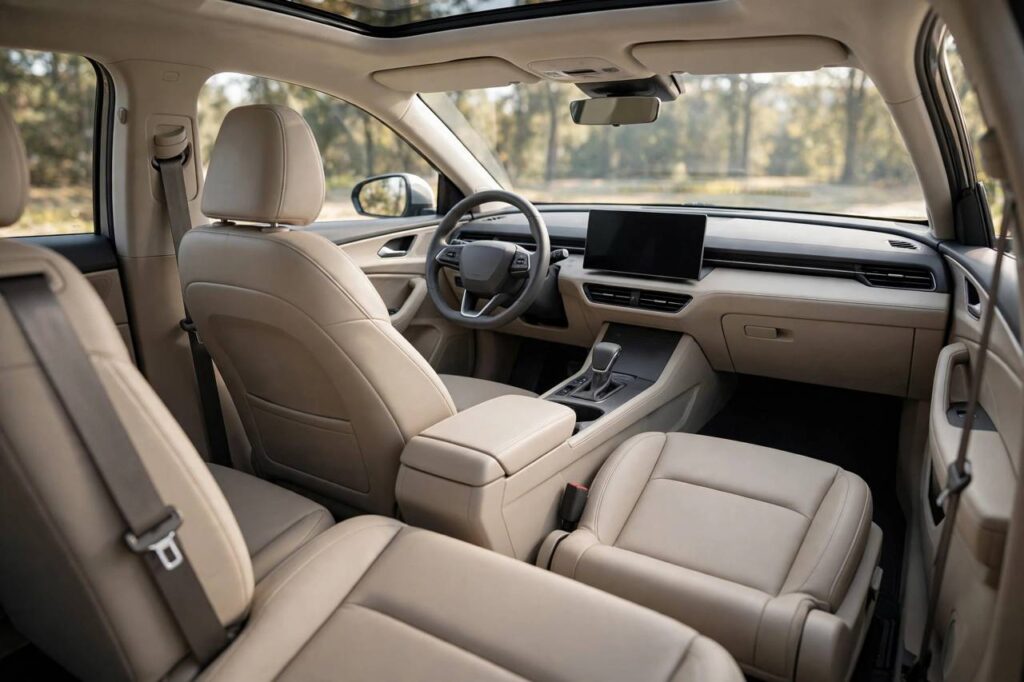
Most people clean their car interior the way they clean out a garage: once a year, in a fit of disgust, spending an entire Saturday hauling out trash bags and wondering how it got this bad. I used to be one of them. Then I switched to a system, and here is the thing about how to keep your car interior clean — it is not really a cleaning problem. It is a habit problem. Ten minutes a week beats one miserable deep-clean a year, every time, and the car never gets disgusting in the first place.
This guide is built around that idea. Instead of a one-time detailing marathon, you will get a weekly routine that takes less time than scrolling your phone in a parking lot, plus specific tactics for the two forces of chaos that destroy car interiors: kids and pets. Set it up once, and the car basically maintains itself.
The Core System: A 10-Minute Weekly Routine
Pick a day — Sunday evening works for most people — and give the car ten minutes. That is the entire system. The reason it works is that mess compounds: a week of crumbs is a two-minute vacuum job, but three months of crumbs ground into the upholstery is a detailing appointment. Here is the routine, in order:
First, do the trash sweep. Grab a small bag and walk around the car collecting every receipt, wrapper, cup, and mystery item. Keep a small lidded trash container in the car permanently — a cereal container with a lid or a purpose-made car trash bin — and this step shrinks to emptying one bin. Second, shake out the floor mats. Pull them, give them a hard shake outside the car, and set them aside. If you do not have all-weather rubber mats yet, get them; carpet mats in daily use are a lost cause.
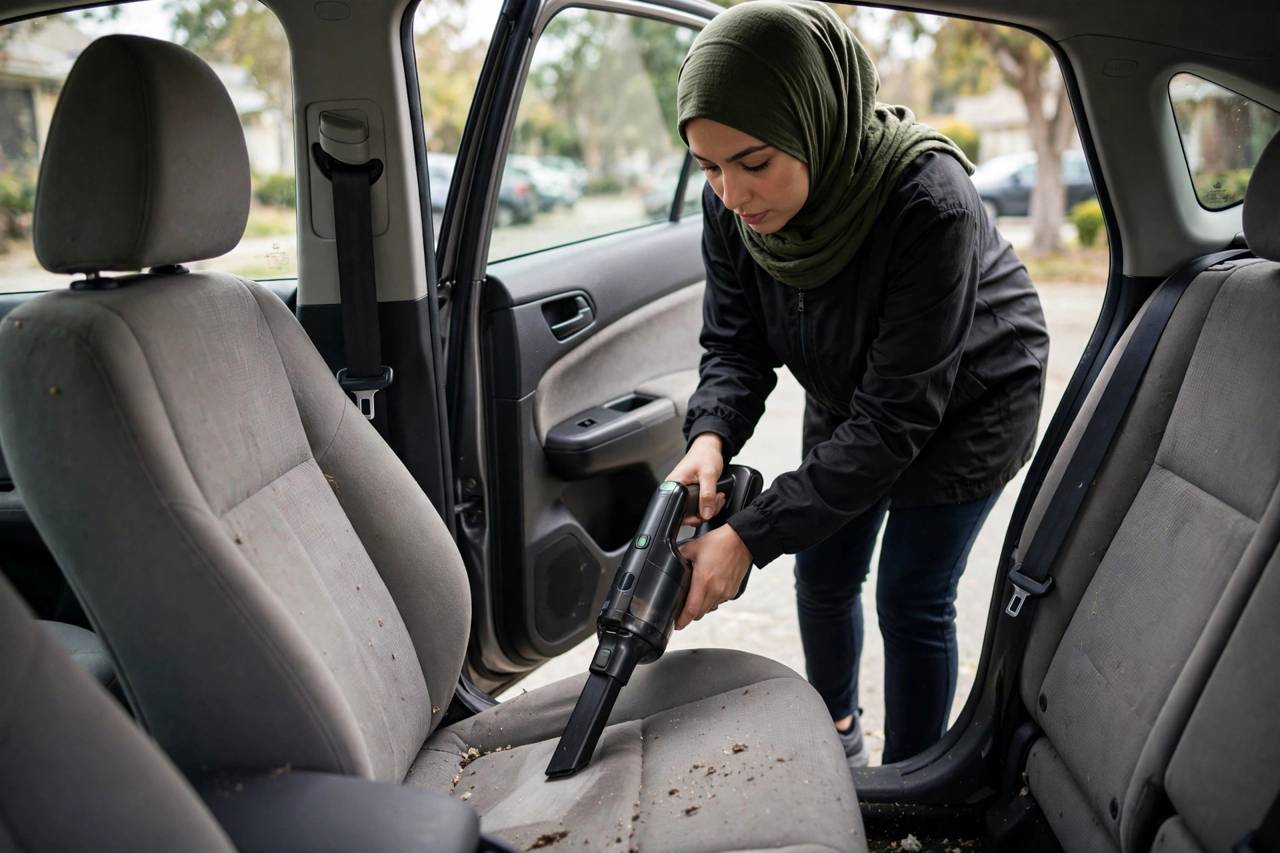
Third, quick vacuum. You do not need to detail — just hit the seats, the floor where the mats were, and the crevices where crumbs migrate. A handheld cordless vacuum that lives in the garage makes this frictionless; dragging the full-size house vacuum to the driveway is how weekly routines die. Fourth, wipe the touch points: steering wheel, door handles, cup holders, and the dashboard with a damp microfiber cloth. That is it. Trash, mats, vacuum, wipe. Ten minutes, and the car resets to clean every single week.
How to Keep Your Car Interior Clean Between Deep Cleans
The weekly routine handles maintenance, but the real secret is reducing what gets dirty in the first place. Think of it as mess prevention rather than mess removal. The biggest lever is a simple rule: nothing loose lives in the car. Every item in the cabin should have a home — a console organizer, a seat-back pocket, a trunk bin. Loose items migrate, multiply, and turn into clutter within days.
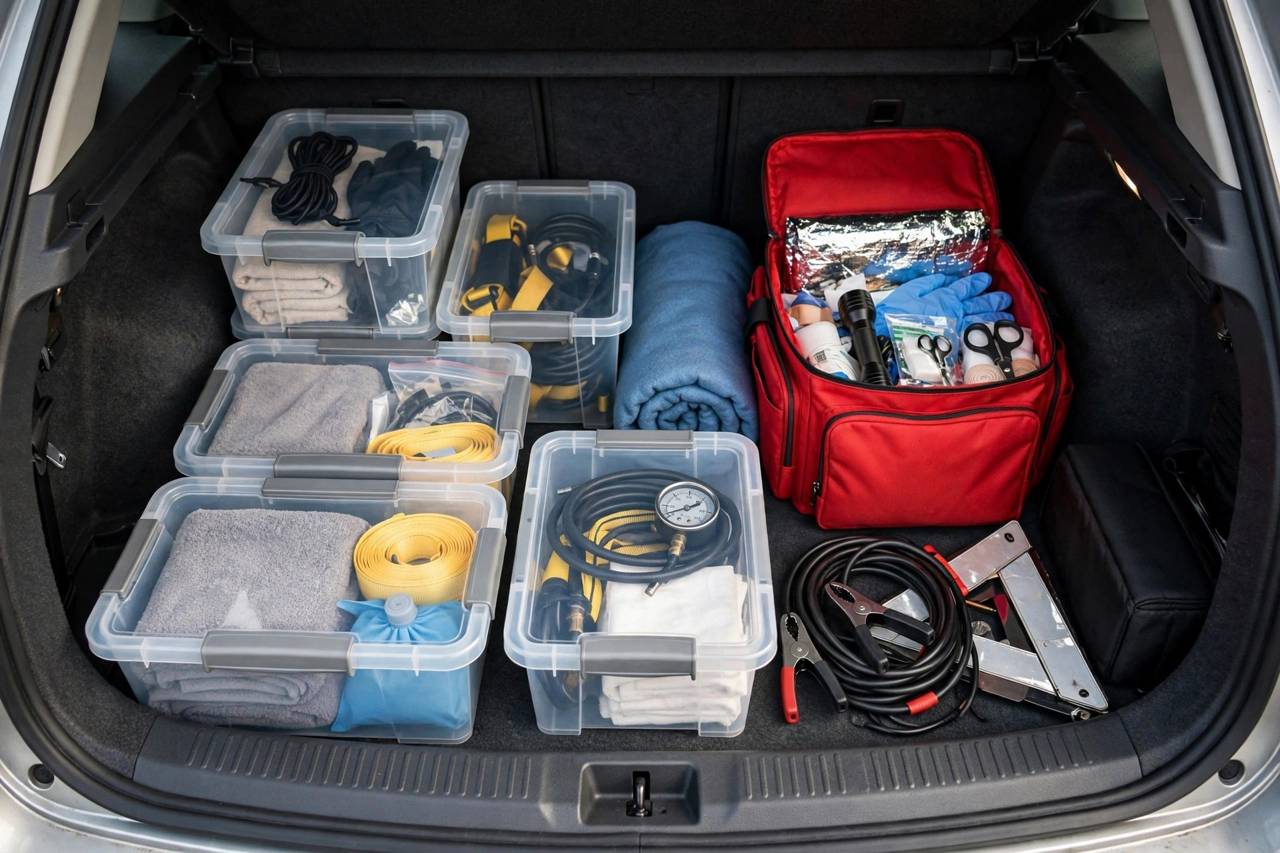
Set up three zones. The front cabin gets only what the driver uses: sunglasses, phone mount, the trash bin, and a microfiber cloth in the glove box. The back seat gets kid gear in seat-back organizers. The trunk gets a divided organizer with the emergency kit, reusable shopping bags, and whatever you actually transport regularly. Everything else goes back in the house. When the car has zones, putting things away takes seconds and the weekly reset stays at ten minutes instead of ballooning into an hour.
One more prevention trick that sounds fussy but works: keep a small “car kit” bag by the door you use most — wet wipes, a lint roller, a spare microfiber cloth, and a plastic bag. Spills and messes handled in the moment take thirty seconds. The same spill discovered a week later takes thirty minutes and sometimes a professional.
Kid Hacks: Surviving the Back Seat
Kids are the number-one interior destroyer, and the solution is containment, not hope. Start with seat-back organizers — the hanging kind with pockets. Every kid gets their own organizer with their own stuff: books, a water bottle, a small trash bag. When everything has a pocket, nothing ends up on the floor. Or under the seat. Or wedged into the seat rails where it will live forever.
Ban the worst offenders. Crumbly crackers, chocolate, and open cups are interior killers; switch to less destructive snacks (fruit pouches, cheese sticks, water bottles with locking lids) and enforce a simple rule: food stays in laps, trash goes in the bag. Silicone cupcake liners placed in cup holders catch spills and crumbs and pop out for washing — a two-dollar fix for the stickiest part of the car.
For car seats themselves, put a seat protector mat underneath. Kids’ car seats grind crumbs, spill milk, and press indentations into upholstery over months. A protector mat takes the abuse instead of your seats, and it pulls out for cleaning in seconds. And keep a pack of unscented baby wipes in the seat-back organizer — they handle 90 percent of kid messes on contact, from sticky hands to mystery smears on the windows.
Pet Hacks: Dogs, Hair, and Muddy Paws
Dogs bring two problems: hair and dirt. Solve them with barriers. A back-seat hammock cover — the kind that hooks to the front and rear headrests — does three jobs at once: it protects the seats, contains the dog, and catches most of the hair before it migrates into crevices. For the cargo area, a fitted cargo liner is the equivalent. These covers shake out and hose off, which beats vacuuming embedded hair out of upholstery every week.
For the hair that escapes anyway, a rubber pet-hair brush or even a damp rubber glove dragged across upholstery pulls hair out of fabric far better than a vacuum alone. Static is the enemy; the rubber creates it in your favor. Keep a lint roller in the driver’s door pocket for your own clothes on the way into work — because the dog hair will find you regardless.
Muddy paws need a paw plan. Keep old towels and a water bottle by the door for post-walk wipe-downs before the dog gets in the car, and lay a washable blanket over the seat cover on rainy days. It is an extra thirty seconds at the trailhead that saves an hour of cleaning later. And crack the windows for a few minutes after a wet-dog ride — damp dog smell bakes into headliners if the car sits sealed in the sun.
Dashboard, Screens, and Glass: The Detail Zones
The weekly wipe handles the basics, but a few areas deserve their own technique. For the dashboard and trim, use a damp microfiber cloth — not paper towels, which leave lint, and not household cleaners with harsh chemicals that can dry out plastics and leave a greasy film. Work top to bottom so dust falls onto areas you have not wiped yet. For textured plastic and air vents, a soft detailing brush or even a clean paintbrush gets dust out of crevices the cloth cannot reach.
Touchscreens need a lighter touch: a dry microfiber cloth, no pressure, no cleaners unless they are specifically screen-safe. Fingerprints on an infotainment screen are inevitable; a quick wipe during the weekly routine keeps them from building into a haze. For interior glass, use automotive glass cleaner (not household ammonia-based cleaner, which can damage tint) and wipe in one direction on the inside, the opposite direction outside — then any streaks tell you which side needs another pass.
Leather seats, if you have them, deserve conditioning every few months. Wipe them down with a damp cloth weekly, then apply a proper leather conditioner quarterly to keep the hide supple and prevent cracking. Cloth seats benefit from a fabric guard spray once or twice a year — it makes the weekly vacuum dramatically more effective because spills bead instead of soaking in.
Odor Control: Finding the Source, Not Masking It
Air fresheners do not fix smells; they argue with them. Real odor control means finding the source. The usual suspects: milk or juice spilled under a car seat, gym clothes forgotten in the trunk, wet floor mats, and the cabin air filter. Pull the mats, check under and between seats with a flashlight, and sniff the trunk. You will usually find the culprit in five minutes.
For set-in smells, baking soda is the workhorse: sprinkle it on upholstery and carpets, leave it overnight, vacuum it up. For the nuclear option — smoke, mildew, mystery funk — an enzymatic cleaner breaks down the organic compounds that cause the smell rather than covering them. Replace the cabin air filter if odors persist when the fan runs; a moldy filter perfumes every drive. And the simplest prevention of all: never leave food, wet items, or gym gear in the car overnight. The car is not a storage unit.
When to Go Deeper: The Quarterly Reset
The weekly routine keeps things clean, but four times a year, give the car a deeper reset — about an hour. Pull everything out, including the trunk. Vacuum thoroughly: under the seats, in the seat tracks, in every crevice with a crevice tool. Shampoo the carpets or at least spot-treat stains. Wipe down every surface including the headliner edges, door jambs, and the inside of the trunk lid. Condition leather, treat cloth, clean the glass inside and out.
This is also the moment to audit your zones: are the organizers still working, or has clutter crept back in? Has the trash bin migrated to the back seat? Systems drift, and the quarterly reset is when you correct the drift. If you ever want a professional-level result without doing it yourself, this is the job to hand to a detailer — and our guide on how to detail your car interior walks through the full deep-clean process if you would rather do it yourself.
Frequently Asked Questions (FAQ)
How often should I deep clean my car interior?
A full deep clean four times a year is plenty if you maintain the weekly ten-minute routine. Without the weekly habit, you will need deep cleans far more often — which is exactly the cycle this system is designed to break.
What is the best vacuum for car interiors?
A cordless handheld or stick vacuum with a crevice tool and an upholstery brush. The best vacuum is the one you will actually use weekly, so prioritize light weight, easy emptying, and a charging setup near where you park over raw suction power.
How do I get rid of the fast-food smell in my car?
Remove the source first — check under seats and in door pockets for forgotten bags. Then ventilate, wipe hard surfaces, sprinkle baking soda on upholstery overnight and vacuum it up. Persistent smells usually mean something is still hiding; the flashlight check under the seats finds it.
Are seat covers worth it if I have kids or dogs?
Yes, with one caveat: get covers that fit properly and are washable. Loose universal covers bunch up and become their own mess. Fitted, machine-washable covers for the back seat or a hammock-style cover for dogs pay for themselves in prevented detailing bills.
Can I use household cleaners on my car interior?
Sparingly and carefully. Diluted all-purpose cleaner is fine on hard plastics, but avoid bleach, ammonia, and abrasive powders. Never use household cleaners on leather or touchscreens. When in doubt, automotive-specific interior products exist for a reason — they are formulated for the materials cars are actually made of.
How do I keep my car clean if I eat in it every day?
Contain it: a dedicated trash bin, silicone liners in the cup holders, and a rule that food waste leaves the car with you, not “later.” Wipe the touch points weekly and vacuum the driver’s area twice a week instead of once. Daily eaters who follow the system keep cleaner cars than occasional eaters who do not.
The Bottom Line
The answer to how to keep your car interior clean was never a better cleaning product — it is a smaller, more consistent routine. Ten minutes a week, zones for everything, containment for kids and pets, and a quarterly reset. Start this Sunday. By the second week it will feel automatic, and by the second month you will wonder why you ever spent entire Saturdays excavating your own car.