How to Plan a Courthouse Wedding: Legal Checklist & Costs

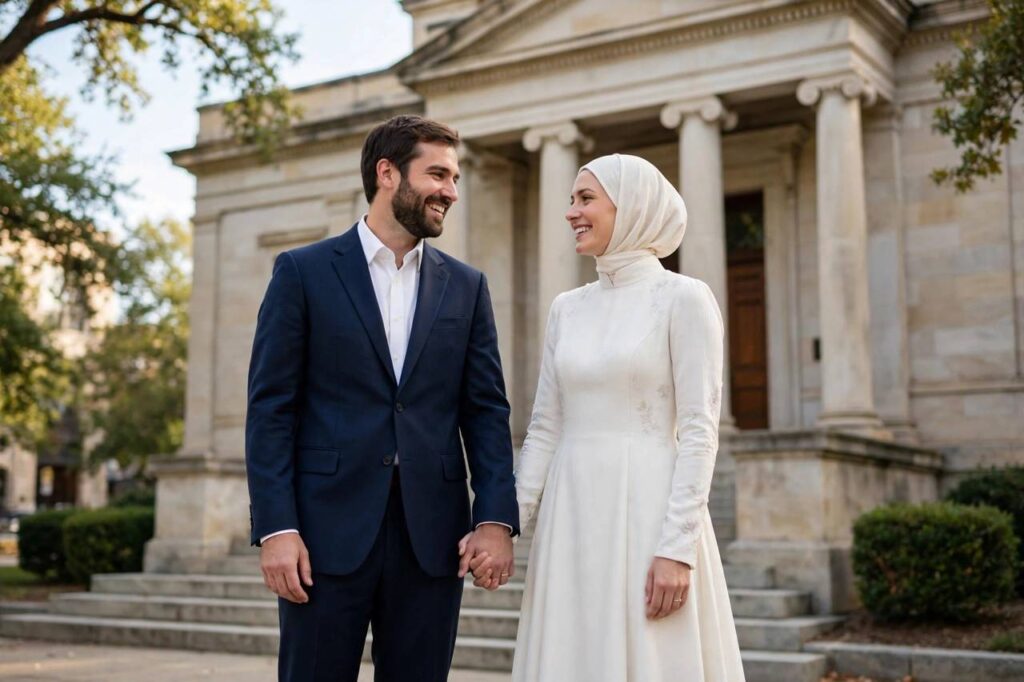
A courthouse wedding is not a lesser wedding. It is a different kind of wedding, and for many couples it is exactly right: intimate, affordable, low-stress, and focused entirely on the two people getting married. If you are figuring out how to plan a courthouse wedding, the good news is that the process is simpler than a traditional wedding in almost every way. The challenge is different: getting the legal details exactly right and making a small ceremony feel special rather than rushed.
After helping couples with everything from ballroom galas to city hall elopements, I can tell you that courthouse weddings done well are some of the most joyful weddings I have seen. This guide covers the legal-first checklist, the real cost breakdown, and how to make the day feel like a celebration rather than an errand. Let us start where every courthouse wedding must start: the law.
The Legal-First Checklist: How to Plan a Courthouse Wedding
Every courthouse wedding lives or dies on paperwork, so handle the legal requirements before you plan anything else. First, the marriage license. Every jurisdiction has its own rules about where and when to get one, what identification you need, and whether there is a waiting period between getting the license and the ceremony. Some places issue the license the same day. Others require a waiting period of one to three days. A few require blood tests or additional documentation. Look up your specific county or city’s requirements on its official government website, not on a wedding blog, because rules change and only the official source is current.
Second, witnesses. Most jurisdictions require one or two witnesses to the ceremony, and some courthouses can provide one if you ask in advance. Do not assume. Call the courthouse or check its website to confirm the witness requirement, the minimum age for witnesses, and whether they need identification.
Third, the ceremony appointment itself. Many courthouses require you to schedule the ceremony in advance, and popular dates fill up. Find out how far ahead you can book, what the ceremony fee is, what identification to bring on the day, and whether there are restrictions on guests, photography, or what you can bring into the building. Some courthouses limit ceremonies to a handful of guests. Others are more flexible. Knowing the rules in advance prevents a stressful surprise at the security desk.
Fourth, after the ceremony: the marriage certificate. Understand the difference between the decorative certificate you might receive on the day and the certified copies you will need for name changes, taxes, and legal purposes. Order several certified copies. You will need them more often than you expect in the first year of marriage.
The Real Cost Breakdown
One of the great appeals of a courthouse wedding is the cost, so let us be honest about the numbers. The ceremony fee at the courthouse itself is typically modest, often well under one hundred dollars, plus the marriage license fee, which varies by location. Certified copies of the certificate add a small amount each.
Beyond the legal fees, your costs are whatever you choose to add: attire, rings, flowers, photography, and a celebratory meal. A courthouse wedding can genuinely cost a few hundred dollars total if you keep it minimal, or a few thousand if you add professional photography, nice attire, and a restaurant celebration with family. Both are completely valid. The point is that you are choosing where the money goes instead of the venue choosing for you.
Where couples overspend on courthouse weddings is usually photography and the meal afterward, because those are the parts that create the memories. My advice: if you are going to invest anywhere, invest in photography. The ceremony is fifteen minutes. The photos are forever. A good photographer who has shot courthouse weddings before knows how to work with the lighting and the timeline. If budget is the main driver of your decision, affordable wedding ideas and planning a wedding on a small budget cover the broader money-saving playbook.
Making It Feel Special, Not Rushed
The difference between a courthouse wedding that feels magical and one that feels like an errand is intention. The ceremony itself may be brief, but everything around it is yours to design. Get ready together or separately with nice details and a relaxed morning, the way you would for any wedding morning. Dress like it matters, because it does. A courthouse wedding is not a lesser occasion, and dressing for it signals that to everyone, including yourselves.
Bring flowers. A bouquet and a boutonniere transform courthouse photos completely, and they cost a fraction of full wedding florals. Write personal vows to exchange privately before or after the ceremony, even if the official ceremony uses standard wording. Bring your people: even if the courthouse limits guests inside, your favorite people can wait outside with champagne for the moment you emerge as a married couple.
Then celebrate. The post-ceremony celebration is where courthouse weddings shine. A lunch at your favorite restaurant, a dinner party at home, a weekend away: the celebration can be anything you want because you saved the venue budget. Some couples do the courthouse ceremony with immediate family and throw a bigger party later. Some do dinner for twenty at a restaurant they love. The format does not matter. The intention does.
If you are weighing a courthouse wedding against other intimate options, what a destination wedding involves is worth a look as an alternative small-wedding path. And whatever you choose, a solid wedding planning checklist keeps the details organized even when the wedding itself is simple.
Timeline: When to Do What
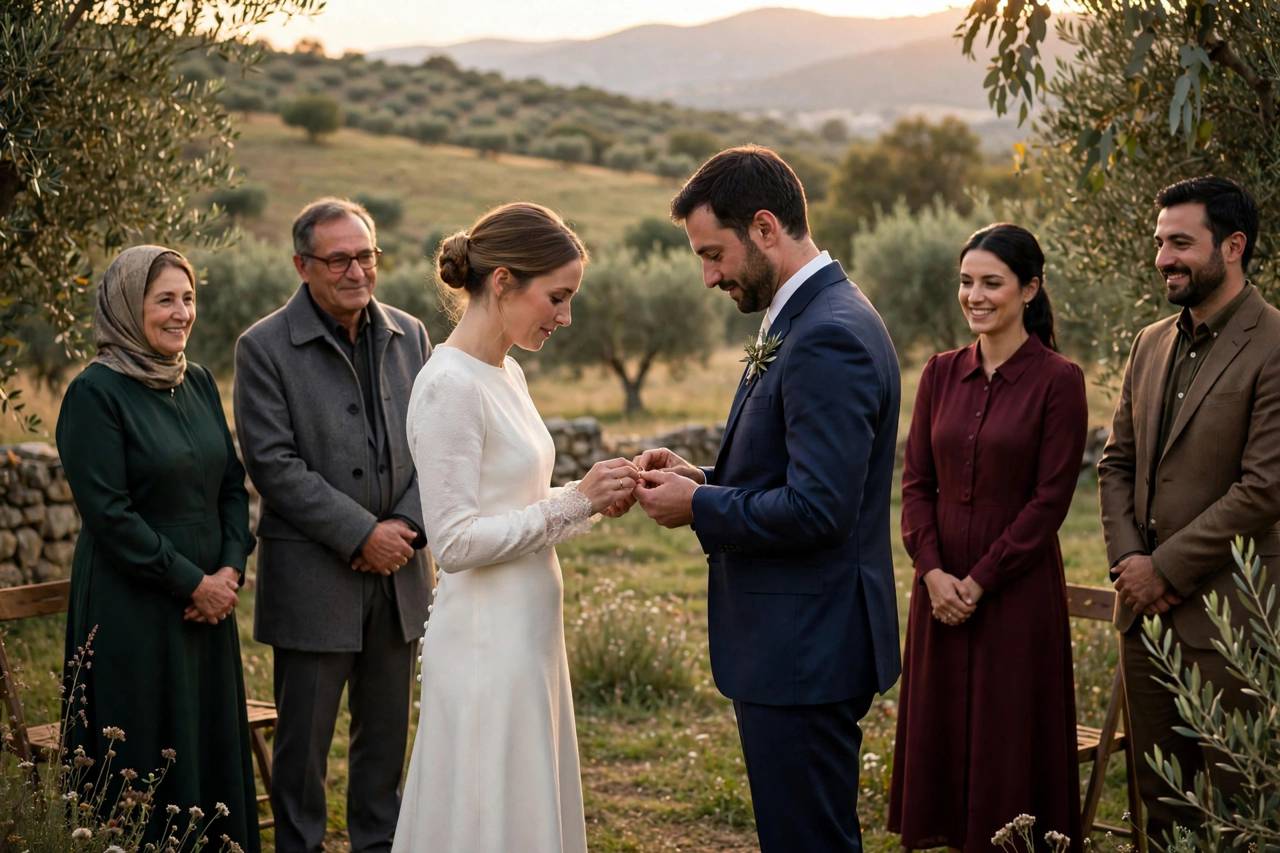
Courthouse weddings need less lead time than traditional weddings, but they still need a timeline. Two to three months out, research your jurisdiction’s requirements and book the ceremony appointment. Six to eight weeks out, handle attire, rings, and photography bookings. One month out, confirm the appointment, arrange witnesses, and plan the celebration. One week out, gather your documents: identification, the marriage license, the ceremony fee payment, and anything the courthouse requires.
On the day, arrive early. Courthouses run on schedules, and late arrivals can lose their slot. Bring everything in a folder: IDs, license, payment, and a copy of your appointment confirmation. After the ceremony, confirm how and when you will receive the certified marriage certificate, and order extra copies before you forget.
What to Wear: Courthouse Wedding Attire
Courthouse wedding attire is one of the most fun parts of the format, because the rules are whatever you want them to be. The only real guideline: dress like the occasion matters, because it does.
Many brides choose a shorter white dress, a chic suit, or a simple elegant gown rather than a full traditional wedding dress. All are perfect. The courthouse setting suits refined simplicity: clean lines, beautiful fabric, and details that photograph well in natural light. If you have your heart set on a traditional gown, wear it. Plenty of couples do, and the contrast of formal attire against the courthouse steps makes for stunning photos.
For partners, a well-fitted suit is never wrong. The fit matters more than the formality level. A tailored suit in any color photographs better than an expensive one that does not fit. Coordinate with each other without matching exactly: complementary colors and a shared level of formality.
Practical considerations matter at the courthouse. You will go through security screening, so avoid excessive metal accessories that slow the process. You may wait outside, so check the weather and bring layers. Comfortable shoes matter more than you think; celebratory photos after the ceremony often involve walking, and no one enjoys those in painful shoes. Bring the fancy shoes for photos and comfortable ones for everything else if needed.
Do not forget the small details that elevate the look: a bouquet, a boutonniere, good grooming, and attire pressed and ready the night before. These details cost little and transform photos completely. A courthouse wedding with intentional attire looks every bit as special as a ballroom wedding, because special was never about the venue. It was always about the intention.
Frequently Asked Questions (FAQ)
Do I need witnesses for a courthouse wedding?
Most jurisdictions require one or two witnesses. Check your specific courthouse’s rules in advance, including witness age and ID requirements. Some courthouses can provide a witness if you ask ahead.
How long does a courthouse wedding ceremony take?
The ceremony itself is usually ten to twenty minutes. Plan for extra time for security screening, check-in, and photos afterward. The whole courthouse visit typically takes one to two hours.
Can I bring guests to a courthouse wedding?
Usually yes, but many courthouses limit the number of guests in the ceremony room. Confirm the limit when you book, and plan for extra guests to celebrate with you outside or at the meal afterward.
How much does a courthouse wedding cost?
The legal fees are typically modest: a ceremony fee plus the marriage license, often totaling well under a few hundred dollars. Your total depends on what you add: attire, photography, flowers, and the celebration meal.
Can we exchange personal vows at a courthouse wedding?
The official ceremony usually follows standard legal wording, but nothing stops you from exchanging personal vows privately before or after. Many couples do this and find it becomes the most meaningful part of the day.
The Bottom Line
Knowing how to plan a courthouse wedding means leading with the legal checklist, being honest about the costs, and bringing intention to the celebration around the ceremony. It is simpler than a traditional wedding, it costs a fraction as much, and when done with care, it is every bit as meaningful. Small does not mean lesser. It means focused. Handle the legal details early, spend where the memories are, bring intention to every choice, and your courthouse wedding will be exactly what a wedding should be: a joyful, personal celebration of the two of you. A final practical note: keep every document in one folder from the start, including your license application, appointment confirmation, identification copies, and receipts. Courthouse weddings involve more paperwork touchpoints than people expect, and a single organized folder prevents the frantic morning search that has stressed many couples. Check the courthouse website one final time the week before your appointment, since hours and procedures occasionally change. Then relax. The paperwork is handled, the plan is set, and all that is left is to show up and get married.