How to Care for Leather Boots: The Seasonal Routine

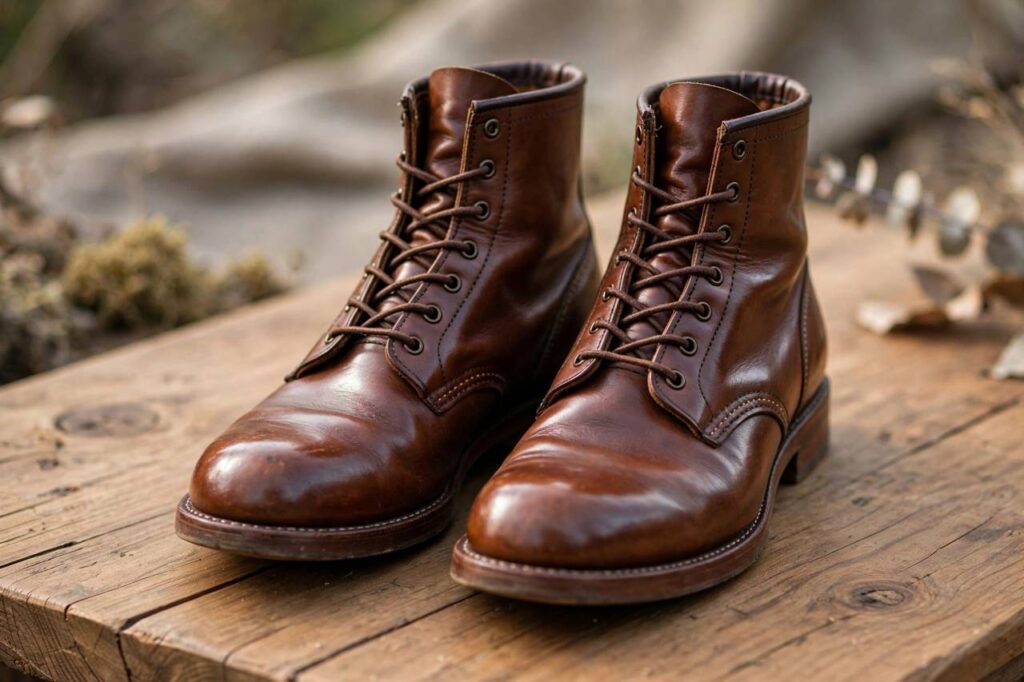
A good pair of leather boots is one of the few wardrobe investments that genuinely improves with age — if you look after the leather. Neglect them and the same boots crack, dry out, and die years early. I learned this the expensive way with a pair of boots I loved to death, literally, by doing nothing to them for three winters. This guide on how to care for leather boots is the routine I wish someone had given me then: a simple daily, weekly, and monthly rhythm, a seasonal calendar, and the four mistakes that kill boots faster than anything else.
Leather is skin, and it behaves like skin. It dries out, it cracks when neglected, it stains when unprotected, and it thrives on consistent, gentle care. None of this is complicated or expensive — the whole routine takes minutes — but it does need to be consistent.
The Daily Routine: 60 Seconds After You Take Them Off
Every time you take your boots off, do two things. First, knock the soles together outside to dislodge dirt and grit — grit is abrasive and works into the leather’s creases with every step. Second, give them a quick brush-down with a soft horsehair brush. This takes under a minute and removes the day’s dust and surface dirt before it migrates into the leather’s pores.
Then let them rest properly. Stuff the boots loosely with newspaper or use cedar shoe trees — trees are better because they absorb moisture and hold the shape, preventing the toe box from collapsing and the leather from creasing in the wrong places. Never put damp boots near a radiator or use a hair dryer on them; rapid heat cooks the leather’s natural oils out and causes cracking. Room temperature, good airflow, and patience.
The Weekly Routine: Clean and Inspect
Once a week, give the boots a proper wipe-down with a slightly damp cloth to remove accumulated grime, especially around the welt where the sole meets the upper — dirt loves to hide there. Let them dry, then brush again to raise the nap and restore the leather’s natural luster. While you are at it, inspect: check the soles for worn heels, look at stitching for loose threads, and flex the boots to spot any new cracks forming at the bend points.
This weekly inspection is how you catch problems while they are cheap. A loose heel cap is a cobbler’s five-minute job; a heel worn down to the midsole is a resole. Cracked stitching re-sewn early holds; ignored, it lets water in and the damage spreads. Think of it as a health check — boring, quick, and the reason your boots last a decade instead of three years.
The Monthly Routine: Condition the Leather
Once a month — more often in harsh conditions — condition the leather. Conditioning replaces the oils that wear, weather, and cleaning strip out, keeping the hide supple and crack-resistant. Apply a thin, even layer of a quality leather conditioner with a soft cloth or your fingers, working it into the leather in small circles. Less is more: over-conditioning saturates the leather and can darken it or make it gummy.
Let the conditioner absorb for at least twenty minutes, then buff off the excess with a clean cloth and finish with the horsehair brush. The boots should look nourished, not greasy. Match the product to the leather: cream conditioners for smooth dress leather, heavier balms for work boots, and never use silicone-heavy “miracle” products on quality leather — they seal the surface and prevent the leather from breathing, which causes long-term damage.
A word on testing products: always try a new conditioner, polish, or waterproofing treatment on a hidden spot first — the inside of the tongue or a small area near the sole. Some products darken leather noticeably, which is fine if it is even but distressing if you discover it mid-application on the toe. What looks like a dramatic color change when wet usually settles as it absorbs and buffs out, but the hidden-spot test removes all doubt. And keep it simple: for most boots, one good conditioner and one waterproofing balm cover every need. A shelf of specialty products is for collectors; two reliable ones are for everyone else.
How to Care for Leather Boots Through the Seasons
Boots face different enemies in different seasons, so adjust the routine through the year. In autumn, the priority is waterproofing before the rains come: apply a beeswax-based waterproofing treatment to create a barrier against water, paying special attention to seams and stitching where water wicks in. This is also the time to inspect soles and heels before slippery season.
Winter is salt season, and salt is leather’s winter nemesis. Salt stains appear as white crusty marks and, left untreated, they dry the leather permanently. Wipe salt off the same day with a damp cloth — a diluted vinegar solution tackles stubborn salt lines — then condition afterward, because salt strips oils. Never let salt sit overnight if you can help it.
Spring is deep-clean season: strip the winter’s buildup with a proper leather cleaner, condition thoroughly, and assess whether the boots need professional attention — resoling, restitching, refinishing. Summer, when boots often rest, is storage season: clean, condition, insert shoe trees, and store in breathable cotton bags (never plastic, which traps moisture) in a cool, dry place. A summer rest with proper storage means boots emerge in autumn ready for another season.
The 4 Boot-Killers to Avoid
First: heat-drying. Radiators, hair dryers, and direct sun all destroy leather by driving out moisture and oils too fast. Wet boots dry at room temperature, stuffed with newspaper that you change as it dampens. Slow is safe.
Second: wearing the same pair every day. Leather needs 24 hours to dry out from foot moisture and for its fibers to recover their shape. Rotating between two pairs doubles the life of both — it is the single highest-impact habit in boot care, and it costs nothing if you already own two pairs.
Third: the wrong products. Household oils like olive oil go rancid in leather. Silicone sprays seal the surface. Cheap “leather” creams with more wax than nourishment build up into a gummy layer. Use products made for the specific leather you own, and when in doubt, use less.
Fourth: ignoring the soles. People baby the uppers and forget the foundation. Worn heels change your gait and stress the boot’s structure; a sole worn through lets water straight into the boot. Check soles monthly, replace heel caps promptly, and resole quality boots when the time comes — a good pair is worth resoling two or three times.

Dealing With Damage: Scuffs, Scratches, and Stains
Minor scuffs on smooth leather often disappear with vigorous brushing — the friction redistributes the leather’s own oils and waxes. Deeper scratches can be minimized with a matching cream polish worked into the scratch, then buffed. For suede and nubuck boots, a suede brush and eraser handle most marks; never use cream polish on suede, which needs its own specialized care.
Water stains respond to an even application of water over the whole boot (to blend the stain line) followed by conditioning once dry. Oil stains are tougher: cover with cornstarch or talcum powder overnight to draw the oil out, brush off, repeat. Salt stains, as mentioned, need prompt wiping and conditioning. The golden rule of boot first aid: act fast, be gentle, and test any product on a hidden spot first.
When to See a Cobbler
Some jobs belong to professionals. Resoling, restitching welts, replacing zippers, rebuilding heels, stretching tight spots, and refinishing badly scuffed leather are all cobbler territory — and cobbler work is remarkably affordable compared to replacing quality boots. Find a good local cobbler before you need one; ask at quality shoe stores or check reviews.
The economics are simple: a resole costs a fraction of a new pair of good boots, and a resoled boot on a broken-in upper is more comfortable than anything new. Boots worth caring for are boots worth repairing. Fast-fashion boots with glued soles and synthetic “leather” are not worth resoling — which is itself an argument for buying repairable boots in the first place.
Frequently Asked Questions (FAQ)
How often should I condition leather boots?
Monthly for boots worn regularly, less often for occasional wear. In harsh conditions — heavy rain, salt, daily wear — condition every two to three weeks. The leather tells you: if it looks dull and dry, it is thirsty. If it feels tacky after conditioning, you used too much.
Can I wear leather boots in the rain?
Yes, if they are waterproofed and you dry them properly afterward. Apply a waterproofing treatment before rainy season, wipe them down after wet wear, stuff with newspaper, and dry at room temperature. What damages boots is not rain itself but rain followed by heat-drying or neglect.
How do I get salt stains out of leather boots?
Wipe with a damp cloth as soon as possible — same-day is ideal. For set-in salt lines, use a cloth dampened with diluted white vinegar, then wipe with clean water, let dry at room temperature, and condition. Prevention (wiping salt off daily in winter) beats cure every time.
Should I polish my boots or condition them?
Both, but understand the difference: conditioner nourishes the leather; polish (wax or cream) adds color and a protective shine on top. Condition first, then polish if you want the finish. Conditioning is the essential step; polishing is cosmetic.
How long should a good pair of leather boots last?
With proper care and occasional resoling, quality Goodyear-welted boots can last a decade or more of regular wear. Without care, the same boots may be done in two to three years. The care routine in this guide is the difference.
Can I store boots in their original box?
The box is fine if it is not airtight plastic — cardboard breathes. Better is a breathable cotton dust bag with cedar shoe trees inside the boots, stored in a cool, dry place away from direct sunlight. Whatever you do, clean and condition before long storage, never after.
The Bottom Line
How to care for leather boots is not a complicated craft — it is a rhythm. Brush daily, wipe weekly, condition monthly, waterproof for the wet seasons, and never let salt or heat near them. Avoid the four killers, see a cobbler when it counts, and your boots will outlast trends, outlast cheaper pairs, and look better every year you own them.