What Does GG Mean in Gaming? Full Slang Guide

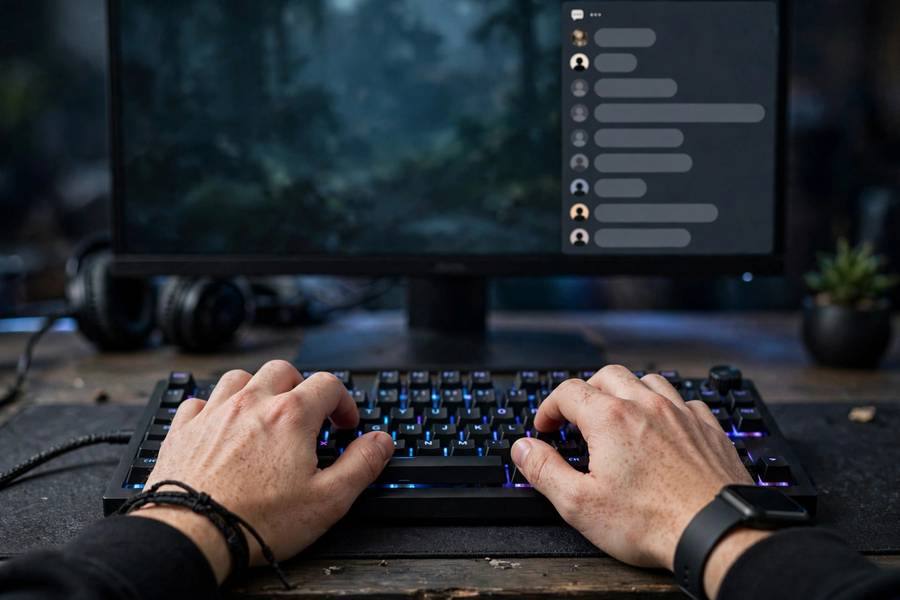
Type “gg” in any online game’s chat and every player instantly knows what you mean — or do they? What does GG mean in gaming? At face value it stands for “good game,” the digital equivalent of a post-match handshake. But after two decades in gaming lobbies, I can tell you those two letters carry layers: sportsmanship, sarcasm, salt, and a whole family of variations from GGWP to GGEZ. Get them wrong and you will out yourself as new — or worse, as toxic.
This guide breaks down what GG really means, where it came from, every common variation, the unwritten etiquette rules around using it, and when typing those two letters will get you reported instead of respected.
What Does GG Mean in Gaming? The Definition
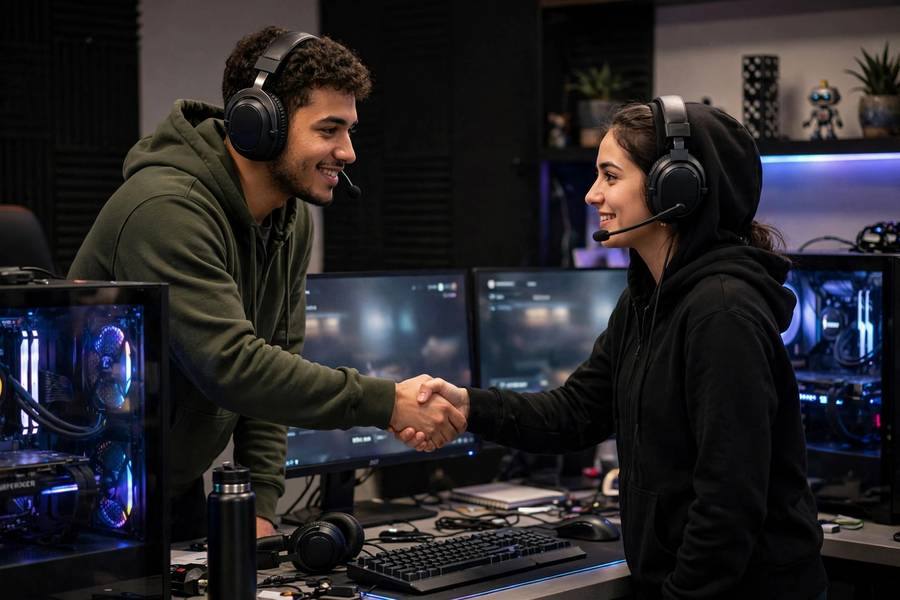
GG stands for “good game.” It originated in competitive real-time strategy games in the late 1990s — most famously StarCraft — where players typed it in chat as a match ended to acknowledge their opponent. It was sportsmanship encoded in two keystrokes: win or lose, you recognized the contest.
From RTS games it spread everywhere: first-person shooters, MOBAs like League of Legends and Dota 2, battle royales, fighting games, even chess sites. Today it is universal gaming vocabulary — the single most recognized piece of gaming slang in the world, understood across languages and genres.
A Brief History of GG
The term emerged from Korean and Western StarCraft scenes in the late 90s, where matches often ended with the losing player typing “gg” before surrendering — a ritual of respect borrowed, consciously or not, from the handshake tradition in physical sports. As competitive gaming grew through the 2000s (Counter-Strike, Warcraft III, early esports), GG rode along as the default sign-off.
The 2010s complicated it. As gaming went mainstream and massive, GG picked up ironic and hostile uses — typed sarcastically after stomps, or weaponized as “gg ez” to taunt. Game developers noticed: some games now auto-filter or contextualize it, and a few communities debate whether it has lost its original meaning. It has not — but you have to read the room.
The GG Family: Every Variation Explained
- GG — “Good game.” The classic. Neutral to positive depending on context.
- GGWP — “Good game, well played.” Warmer and more specific than GG; compliments the opponent’s skill, not just the match.
- GGs — Plural, casual. “GGs everyone” after a fun lobby — friendly, low-key.
- GGEZ / GG EZ — “Good game, easy.” Almost always taunting. Implies the opponent was no challenge. Widely considered toxic; in some games it is reportable.
- BG — “Bad game.” The complaint version — typed when the match was ruined by lag, cheaters, or throwers. Understandable, occasionally justified, often just salt.
- GLHF — “Good luck, have fun.” The opening ritual, typed at match start. GG’s optimistic sibling.
- GG no re — “Good game, no rematch.” The ultimate dismissal: you won, and you are not playing them again. Devastating in fighting game lobbies.
- wp — “Well played.” The minimalist compliment, often for a single great play rather than the whole game.
GG Etiquette: The Unwritten Rules
Like any ritual, GG has rules that nobody wrote down but everybody enforces:
- The loser says it first. Traditionally, GG comes from the defeated player as a concession — typing it as the winner before the loser can read as gloating. Let them say it, then return it.
- Mean it — or do not type it. GG after a 40-minute nail-biter is beautiful. GG after you spawn-camped someone for ten minutes is salt in the wound. Match the message to the match.
- Never type GGEZ. Just do not. It is the fastest way to mark yourself as the lobby’s villain, and many communities treat it as a reportable offense.
- In team games, GG includes your team. Typing GG while flaming your teammates in the same breath cancels the sportsmanship entirely.
- Read surrender contexts. In games with forfeit votes, a premature GG from a teammate can tilt the whole lobby. Time it for the actual end.
- Cross-language? GG still works. One of its beauties: it needs no translation. In international lobbies, it is the universal sign-off.
When GG Goes Wrong: Toxicity and Sarcasm
Let us be honest about the dark side. GG gets weaponized constantly: typed by the winning team thirty seconds into a stomp, spammed sarcastically after every round, or paired with slurs in the worst lobbies. Developers have responded in various ways — some games restrict end-of-match chat, others use automated toxicity detection, and community norms in games like Valorant and Overwatch actively discourage premature GGs.
My take: the toxicity is not the term’s fault. “Good game” is a lovely sentiment; the problem is people using lovely sentiments as weapons, which humans have done with every polite phrase since language began. The fix is cultural, not lexical — model the behavior you want. Type GGWP after great matches, stay silent after miserable ones, and never punch down.
GG Beyond Gaming
The term has escaped gaming entirely. “GG” now appears in sports commentary (“gg to the champions”), in office Slack channels after a tough project (“gg team”), and as general internet slang for “it’s over” — as in “I forgot to save my thesis, gg.” Like all great slang, it outgrew its origins because the underlying idea — acknowledging the end of a contest with grace — is universal.
It has also become a design consideration: game UX designers think about the end-of-match moment as a social ritual, building GG-adjacent features like honor systems, post-game lobbies, and sportsmanship rewards directly into games. The two letters shaped how games handle their most emotional moment.
Curious about the tech that made modern online gaming possible? This explainer on how cloud gaming works covers the streaming technology behind today’s biggest titles.
GG in Esports: The Professional Ritual
In professional esports, GG is formalized into ritual. Tournament rules in games like StarCraft II and Counter-Strike treat the GG as part of the match protocol — players type it, shake hands (or bump fists), and leave the stage. Casters say it. Crowds chant it. A missing GG at the pro level gets noticed and discussed; it is the esports equivalent of refusing the post-game handshake.
The stakes make the ritual meaningful. These players have trained thousands of hours, and the GG acknowledges the shared ordeal — the opponent who pushed you to your limit deserves those two letters more than anyone. Some of esports’ most iconic moments are GG moments: the underdog’s gracious concession, the champion’s respectful acknowledgment. When the cameras catch a player typing it through visible disappointment, that is sportsmanship you cannot fake.
Esports has also professionalized the enforcement of GG etiquette. Tournament codes of conduct penalize taunting and unsportsmanlike chat, and “GGEZ”-style behavior that might earn an eye-roll in a pub lobby can earn a fine on stage. The lesson filters down: the higher the level, the more the ritual matters.
Gaming Slang Glossary: Beyond GG
GG is the gateway drug of gaming slang. Here are the terms you will meet next:
- GLHF — “Good luck, have fun.” The pre-game ritual; GG’s opening counterpart.
- noob / newb — A new or unskilled player. “Newb” is gentler (just new); “noob” is usually an insult.
- OP — “Overpowered.” Describes a weapon, character, or strategy considered too strong.
- nerf / buff — To weaken (nerf) or strengthen (buff) something via a game update.
- tilted — Frustrated to the point of playing worse. “He’s tilted” explains a lot of post-GG silence.
- clutch — Winning a round against the odds, usually outnumbered. The plays that earn a “wp” in chat.
- GG go next — Said after a bad loss: the match is over, queue up again. Resilience in four syllables.
- diff — Short for “difference,” as in “jungle diff” — crediting (or blaming) one role for the outcome. Often salt, occasionally fair.
Learn these and you will follow any lobby’s conversation. Master when to use them — especially the etiquette around GG itself — and you will belong in it.
How Different Games Handle the GG Moment
Game designers have opinions about GG, and it shows in their interfaces. League of Legends keeps all-chat off by default now, pushing GG into post-game lobbies where it is safer. Overwatch funnels players into endorsement screens, formalizing the sportsmanship GG represents. Valorant restricts match chat in ways that make premature GG harder. Fighting games often auto-display “good game” sentiments or build rematch rituals into the UI.
The trend is clear: designers want the ritual without the risk. Automated systems cannot fully replace a typed GG — there is meaning in the human effort of typing it — but structured alternatives (honor votes, sportsmanship badges, post-game commendations) capture the spirit for players who never touch chat. I think the ideal is both: systems that encourage grace, and a community culture where two keystrokes still mean something.
Frequently Asked Questions
What does GG mean in gaming?
GG stands for “good game.” It is typed in chat at the end of a match as a sign of sportsmanship — the digital equivalent of shaking hands after a contest, win or lose.
What does GGWP mean?
GGWP stands for “good game, well played.” It is a warmer version of GG that specifically compliments the opponent’s skill, not just the match itself.
Is saying GG toxic?
It depends entirely on context and timing. A sincere GG after a close match is good sportsmanship. A premature GG during a one-sided stomp, or “GGEZ,” is taunting and widely considered toxic.
What does GGEZ mean and why is it bad?
GGEZ means “good game, easy” — implying the opponent was no challenge. It is considered unsportsmanlike trash talk, and many gaming communities treat it as a reportable offense.
Who says GG first, the winner or loser?
Traditionally the loser says it first, as a concession and sign of respect. The winner then returns it. A winner typing GG before the loser can come across as gloating.
Where did GG come from?
GG originated in competitive StarCraft in the late 1990s, where players typed it as matches ended. It spread through Counter-Strike, MOBAs, and eventually all of online gaming, becoming the most universal piece of gaming slang.