How to Remove Ink Stains From Clothes: Ink x Fabric Guide

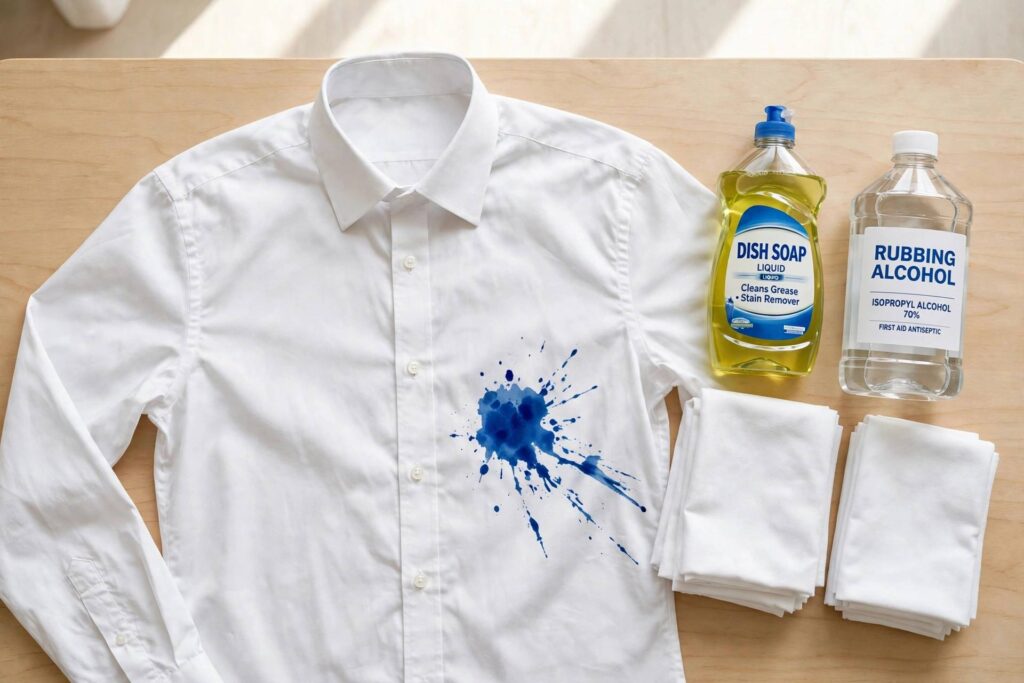
A pen exploding in a pocket is one of life’s small betrayals — and if you’re searching for how to remove ink stains from clothes, the good news is that most ink stains come out if you treat them correctly and quickly. The bad news is that the wrong first move (hot water, the dryer, or rubbing) can set the stain permanently. I’ve saved shirts, school uniforms, and one very expensive white blazer from ink, and the system below is the one I wish someone had handed me the first time. The secret isn’t a miracle product. It’s matching the treatment to the ink type and the fabric, and acting before heat ever touches the stain.
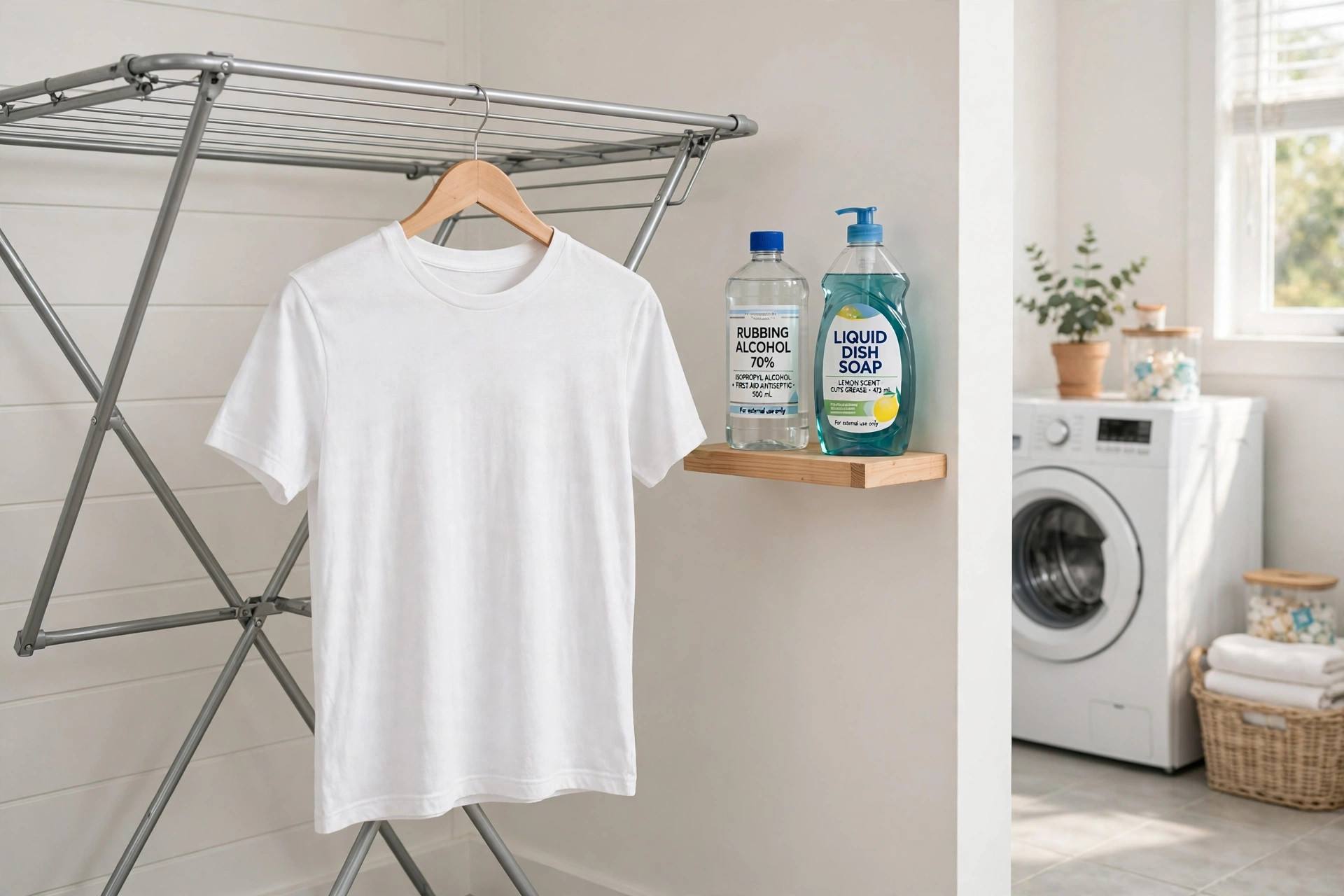
Golden rule first, because it decides everything: never put an ink-stained garment in the dryer until the stain is completely gone. Heat sets ink the way it sets a photograph. Air-dry and check in good light; if a shadow remains, treat again.
Step Zero: Identify the Ink Type and the Fabric
Not all ink behaves the same, and this is where most advice goes wrong by being too generic. Ballpoint ink is oil-based — it responds to solvents like rubbing alcohol. Gel and rollerball inks are water-based — they respond to water-based treatment and often lift more easily when fresh. Permanent marker is alcohol- and resin-based — it’s the hardest of the three and needs the most aggressive solvent treatment.
Fabric matters just as much. Sturdy cotton and polyester blends can take rubbing alcohol, dish soap, and repeated treatment. Delicates — silk, wool, rayon — need gentler handling: dabbing, not rubbing, and milder solvents. And always check the care label; “dry clean only” means take it to the dry cleaner and point out the stain before they start. Tell them it’s ink and whether it’s fresh — that information changes how they treat it.
The Ink-Type x Fabric Matrix: What to Use When
Here’s the decision grid. Find your ink on the left, your fabric on the top, and use the matching treatment.
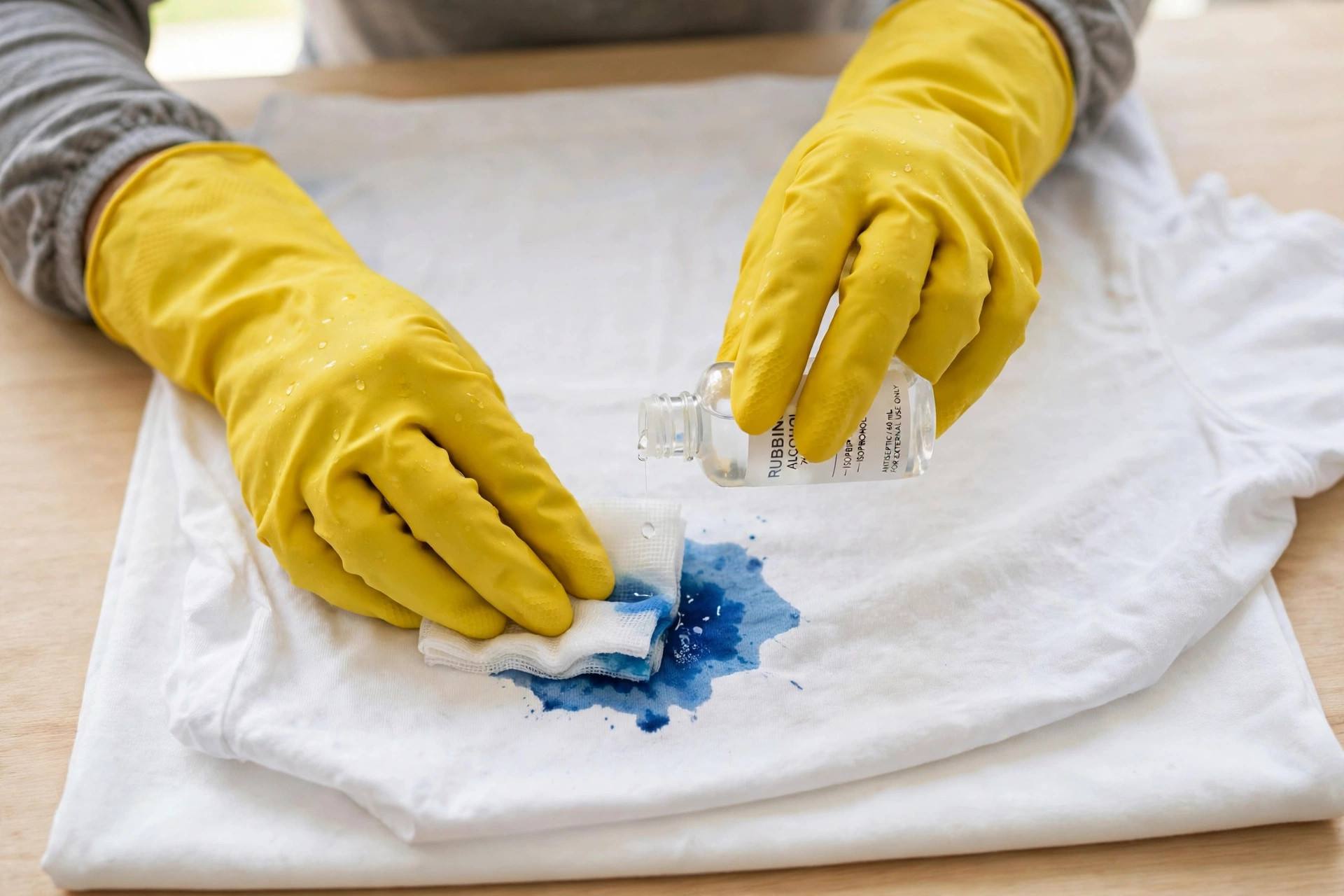
- Ballpoint on cotton/polyester: Rubbing alcohol (isopropyl) is the champion. Place the stain face-down on a clean white cloth or paper towels, dab alcohol through from the back so the ink transfers out of the fabric into the cloth, and rotate the cloth to a clean spot as it picks up ink. Follow with liquid dish soap and a cool rinse.
- Ballpoint on delicates (silk, wool): Same alcohol method, but dab — never rub — and test on a hidden seam first. If the fabric’s dye shifts, stop and take it to a professional.
- Gel/rollerball on cotton: These are water-based, so start with cool water and liquid dish soap worked gently into the stain. If a shadow remains, follow with the rubbing alcohol treatment.
- Gel/rollerball on delicates: Cool water and a tiny amount of gentle detergent, dabbed. These inks often lift surprisingly well when fresh.
- Permanent marker on cotton: Rubbing alcohol, applied generously and repeatedly, or a small amount of acetone-based nail polish remover (test first — acetone can damage acetate and some synthetics). Dab from the outside of the stain inward to avoid spreading.
- Permanent marker on delicates: Honestly? Take it to the dry cleaner. Home solvents strong enough for marker are usually too strong for silk and wool.
One more solvent worth knowing: hand sanitizer is mostly alcohol, and in a pinch it works on ballpoint the same way rubbing alcohol does. Hairspray used to be the classic remedy, but modern formulas have less alcohol than they used to — it still helps on fresh ballpoint, just less reliably than plain isopropyl.
Fresh vs. Dried Stains: The Timeline Changes Everything
A fresh stain — caught within minutes — is a different problem than one that has sat for a week. Fresh ink hasn’t bonded with the fibers yet, so your first move should be blotting (not rubbing) with a dry cloth to lift as much as possible, then starting the appropriate treatment above. Speed matters more than product choice here.
A dried stain needs patience instead. Soak the stained area in cool water for 15–30 minutes first to loosen the ink, then apply your solvent treatment. Dried ballpoint may need several rounds of alcohol-and-blot before the shadow fades — that’s normal, not a sign it’s hopeless. Dried permanent marker on washable fabric can sometimes be coaxed out with repeated alcohol treatments, but set your expectations honestly: the longer marker sits, the more likely a faint shadow stays.
What NOT to Do (The Mistakes That Ruin Clothes)
I keep this list short because every item on it has ruined something of mine or a friend’s:
- Hot water first. Heat sets ink. Always start with cool water.
- The dryer before the stain is gone. Same reason. Air-dry and inspect first.
- Rubbing the stain. Rubbing grinds ink deeper into fibers and spreads it wider. Dab and blot; let the solvent do the work.
- Bleach on ink. Chlorine bleach doesn’t remove most inks — it can set them and damage the fabric’s color. Oxygen-based stain removers are safer, but they’re a finishing step, not the main treatment.
- Treating the front of the stain. Work from the back of the fabric so you’re pushing ink out, not in. Place the stain face-down on clean cloths and change them as they absorb ink.
- Skipping the patch test. Test any solvent on a hidden seam or inside hem first, especially on colored or delicate fabrics.
The Full Step-by-Step for the Most Common Case
Ballpoint on a cotton shirt — the classic. Here’s the whole sequence for how to remove ink stains from clothes in the scenario you’ll actually face:
- Blot fresh ink with a dry cloth. Don’t rub.
- Lay the stain face-down on a stack of clean white paper towels.
- Pour or dab rubbing alcohol onto the back of the stain. Watch the ink bleed into the towels.
- Move to clean towel sections and repeat until no more ink transfers.
- Work a drop of liquid dish soap into the area, then rinse with cool water.
- Launder normally in the coolest water the garment allows, with your regular detergent.
- Air-dry and inspect. If a shadow remains, repeat the alcohol step before any heat.
How to Remove Ink Stains From Clothes: Tricky Special Cases
Some situations need extra care beyond the standard matrix. White garments: you have more options — after the alcohol treatment, an oxygen-based stain remover soak (not chlorine bleach, which can yellow whites and set some inks) can lift the last shadow. Colored garments: be conservative with dwell time; any solvent left sitting too long risks dye loss. Work in short rounds, rinsing between them.
Vintage or fragile fabrics: old fibers are weaker and dyes less stable. Dilute your approach — literally. Use a diluted alcohol solution first, test extensively, and consider that a professional textile conservator (not just a dry cleaner) is the right call for anything irreplaceable. Ink that’s been through the dryer: I’ll be honest — heat-set ink is often permanent. You can try a long glycerin soak (glycerin loosens some set stains) followed by the alcohol treatment, but set expectations low. This is the case the golden rule exists to prevent.
Ink bleed from a pocket: when a pen leaks inside a pocket, the stain often transfers to surrounding fabric in the wash. Treat the source stain first, and wash the garment alone the first time after treatment so any residual ink doesn’t migrate to the rest of the load — or to other clothes.
A Small Stain Kit Worth Keeping
Since speed matters so much with ink, keep a tiny kit where you do laundry. Mine fits in a shoebox: a bottle of rubbing alcohol (the single most-used item), liquid dish soap, a stack of clean white cloths (white so no dye transfers to the garment), a bottle of glycerin (from the pharmacy — great for pre-treating dried stains), and an oxygen-based stain remover for finishing. Total cost: under fifteen dollars. Total value: the first time it saves a favorite shirt, it’s paid for itself ten times over.
Store the kit somewhere you’ll actually reach for it in the moment — under the sink nearest the laundry area, not in the garage. Stain treatment is a race against the clock and against the dryer, and the kit only works if it’s within arm’s reach when the pen explodes.
Frequently Asked Questions
What removes ink stains from clothes best?
Rubbing alcohol (isopropyl) is the most effective home treatment for ballpoint ink on washable fabrics. For water-based gel inks, dish soap and cool water often work first. Always work from the back of the stain onto clean cloths.
Can dried ink stains be removed?
Often, yes — soak the area in cool water for 15–30 minutes, then apply rubbing alcohol with blotting, repeating several times. Dried ballpoint responds well; dried permanent marker is harder and may leave a faint shadow.
Does hairspray remove ink stains?
It used to work better when formulas contained more alcohol. It can still help on fresh ballpoint ink, but plain rubbing alcohol is more reliable and cheaper. Skip hairsprays with oils or conditioners.
How do you remove ink from delicate fabrics like silk?
Dab (never rub) with rubbing alcohol on a cotton swab, testing a hidden area first. If the dye shifts at all, stop and take the garment to a dry cleaner — tell them it’s ink and whether it’s fresh.
Will the washing machine remove ink stains?
Not reliably on its own, and washing in hot water can set the stain. Always pre-treat with the appropriate method first, wash in cool water, and air-dry until you’re certain the stain is gone.
What removes permanent marker from clothes?
Repeated applications of rubbing alcohol (or acetone-based nail polish remover on sturdy fabrics only, after a patch test), dabbing from the outside of the stain inward. Fresh marker stains have the best odds; dried ones may leave a trace.
Ink stains feel like emergencies, but they’re really just chemistry problems with a clock on them. Keep it cool, keep it blotted, match the solvent to the ink — and check before the dryer. Your clothes will thank you.