What Is a Dateline in News Writing? Format, AP Style Rules and Examples

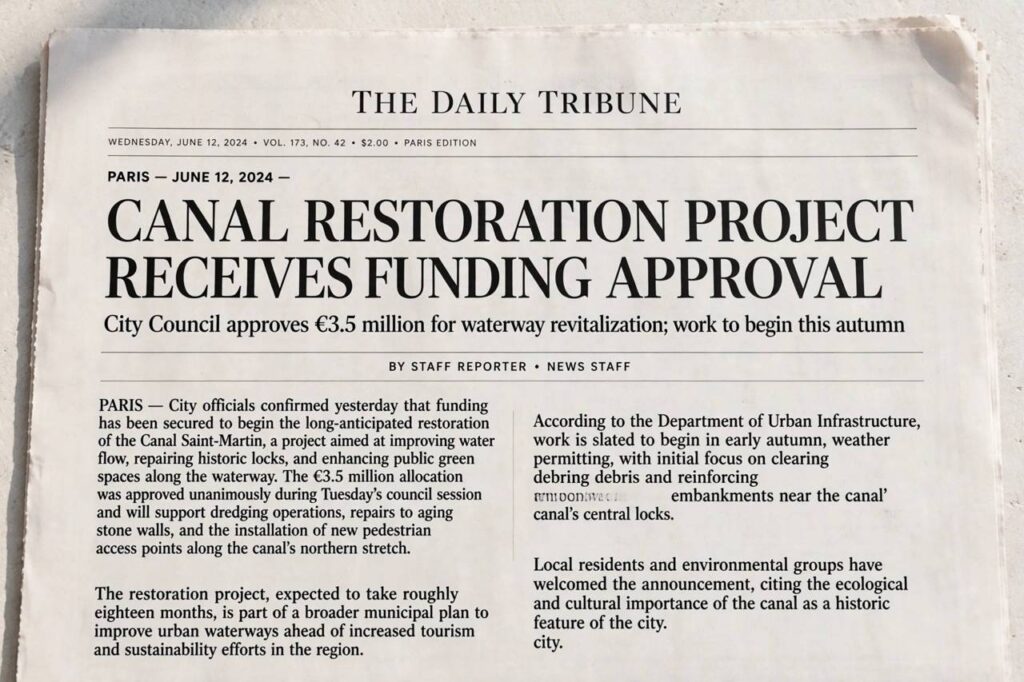
If you have ever wondered what is a dateline in news writing, you are not alone — I have had copy editors, journalism students and sharp-eyed readers ask me this for years. It is that short line of capital letters at the very top of a news story, the one that reads something like “KYIV, Ukraine (AP) —” before the first sentence even starts. Most readers glide right past it. But that little line is doing serious work: it tells you where the reporter was standing when the story was filed, which is one of the fastest ways to judge how much firsthand reporting you are actually getting.
Here is the short version before we get into the detail. A dateline is the place name (and sometimes the date) printed at the beginning of a news story to identify where the report originated. It is not decoration and it is not the same as the story’s timestamp. It is a claim about the reporting itself: this journalist was there. And because news organizations guard that claim carefully, datelines follow strict style rules — especially in AP style, which sets the standard for most American newsrooms.
What Is a Dateline in News Writing? The Format, Broken Down
A standard American dateline has three parts, always in the same order. First comes the city, in all capital letters: WASHINGTON, LONDON, CAIRO. Second comes the state or country the city needs for clarity — American cities get a state abbreviation, foreign cities get a country name. Third, in wire copy, comes the service credit in parentheses, and then an em dash leading into the story. So: “WASHINGTON (AP) — The Senate voted Tuesday…”
Notice what is missing: the date. In print-era journalism the dateline sometimes included one, but modern practice treats the publication date as the story’s date. The dateline answers where, and the timestamp or the article metadata answers when. Mixing the two up is one of the most common beginner mistakes I see, and it is worth killing early: the dateline is about place and presence, full stop.
Datelines also appear on broadcast scripts, wire feeds and press releases, and they follow the same logic everywhere: location of the reporting, stated up front, in a fixed format. Once you start looking for them, you will notice they are on nearly every hard-news story you read — and conspicuously absent from opinion pieces, which is itself a useful signal.
AP Style Rules for Datelines
Most of what working journalists know about datelines comes from the AP Stylebook, and the rules are more specific than beginners expect. Here are the ones that actually matter in practice.
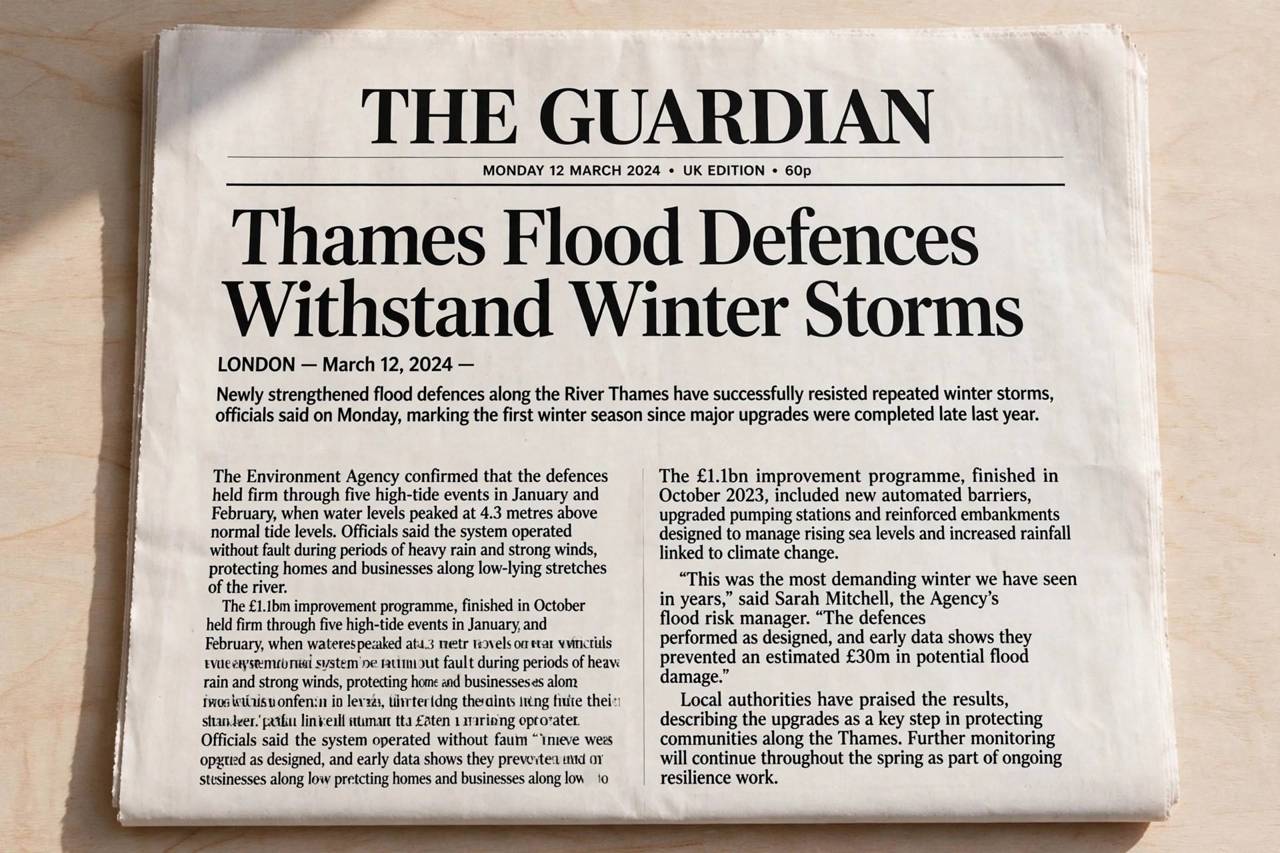
Some cities stand alone. AP maintains a list of major world cities that need no state or country: London, Paris, Tokyo, Moscow, Beijing, Mexico City, and American cities like New York, Los Angeles, Chicago and Washington, among others. You write “PARIS —” and stop. Everywhere else gets a qualifier. This is the rule that trips up students most often, because the list has to be memorized — there is no logic to derive it from, only the stylebook.
States are abbreviated, countries are spelled out. A domestic dateline reads “AUSTIN, Texas —” — city in caps, state spelled out on first reference in the dateline itself. (Note: this differs from some older conventions that used postal abbreviations; AP style spells the state name out in datelines.) A foreign dateline reads “NAIROBI, Kenya —” with the country name in full. Getting this backward is a classic copy-desk catch.
The dateline must reflect where the reporter actually reported. This is the ethical core of the whole thing. You do not put “BAGHDAD —” on a story you wrote from your desk in New York using phone interviews and agency copy. If the reporting was done remotely, the dateline goes where the reporter was — or the story runs with no dateline at all, which is itself a meaningful signal to a careful reader. Newsrooms have been embarrassed by dateline fraud more than once, and editors treat it as a credibility issue, not a formatting quibble.
One dateline per story. A story datelined “KYIV, Ukraine” should not suddenly contain paragraphs of on-the-scene color from Kharkiv unless the reporter went there. When reporting genuinely spans locations, the dateline goes where the bulk of the reporting happened, or the piece is structured so each section carries its own location. Readers rarely notice this rule, but they benefit from it constantly.
Real Examples: Reading Datelines Like an Editor
Theory is fine, but datelines are a reading skill. Here is how I teach people to decode them in the wild.
Take “WASHINGTON (AP) —”. This tells you the reporter was in Washington, almost certainly covering Congress, the White House or a federal agency from the press corps. The reporting is firsthand, but note the limits: a Washington dateline on a story about events in Ohio means you are getting the Washington reaction — official statements, briefings — not the scene on the ground. Good readers mentally discount accordingly.
Take “GAZA CITY, Gaza Strip (AP) —”. This is a dateline doing heavy lifting. It tells you a reporter was physically present in one of the most dangerous reporting environments in the world, which immediately elevates the credibility of the scene-setting in the story. When a dateline names a conflict zone, you are reading work that cost someone real risk, and it deserves to be weighed differently from a rewrite.
Now take a story with no dateline at all — just a headline and the text. That usually means one of three things: it is an analysis or opinion piece, it was assembled from multiple locations, or it was written from the home newsroom off wire copy and other sources. None of those are disqualifying, but each changes what you should expect from the story. A dateline-free breaking news story is, more often than not, a rewrite — useful, but secondhand.
And watch for the subtle one: a dateline on a press-release rewrite. Some less scrupulous outlets slap a city dateline on lightly rewritten PR material. The dateline is only as honest as the newsroom behind it, which is why knowing which outlets you trust matters more than any formatting rule.

Common Dateline Mistakes (and How to Avoid Them)
After years of copy-editing student and beginner work, I can predict the dateline errors before I see them. Here are the greatest hits.
Dating the dateline. Writing “LONDON, March 3 —” is a print-era fossil. Modern style drops the date; the publication metadata carries it. If you are writing for a blog or school paper, follow the modern convention — the date in the dateline marks you as out of touch with current practice.
Datelining the news instead of the reporter. A story about an earthquake in Turkey, written from London off agency copy, does not get an Istanbul dateline. The dateline is where you were. This mistake is usually innocent — beginners assume the dateline describes the story’s subject — but getting it right is what separates reporting from rewriting, and editors notice.
Forgetting the stand-alone cities. Writing “PARIS, France —” or “LONDON, England —” is the telltale sign of someone who has not opened the stylebook. The fix is boring but effective: keep the stand-alone list taped to your monitor until it is muscle memory.
Using a dateline on opinion writing. Columns, editorials and analysis pieces do not carry datelines, because they are not claiming firsthand reporting from a location. Putting one on an opinion piece confuses the reader about what kind of article they are reading — and in an era when readers already struggle to separate news from opinion, that confusion has real costs.
Inconsistent capitalization. The city is all caps, the state or country is not: “DES MOINES, Iowa —”. It is a small thing, and copy desks fix it a hundred times a day, but getting it right the first time marks you as someone who has done this before.
Why Datelines Still Matter in the Digital Age
You might think a convention from the telegraph era would have died with print. It has survived for a good reason: in an information environment flooded with unattributed, locationless content, the dateline is a small, verifiable claim of presence. It says a human being went somewhere and saw something, and the organization stands behind that claim.
It also matters for the business of news. Datelines are how wire services track which bureau produced what, how newsrooms measure their field presence, and how readers in one place know they are getting reporting from another. When a major story breaks and you see datelines from the scene within hours, you are watching a news organization’s global footprint in action. When every story on a topic carries the same distant dateline, you are watching its limits.
So the next time you read the news, pause at that little line of caps before the first sentence. Ask yourself: where was this reporter, and what does that mean for what I am about to read? It takes three seconds, and it will make you a sharper news consumer than most people who read twice as much. That is what a dateline in news writing is for — not tradition, but a quiet contract between the reporter and you.
Frequently Asked Questions
What is a dateline in news writing in simple terms?
It is the location line at the start of a news story — like “KYIV, Ukraine (AP) —” — that tells you where the reporter was when the story was filed. It is a claim of firsthand presence, not a timestamp and not a description of where the news happened.
Do online news articles still use datelines?
Yes. Wire copy, major newspapers and reputable digital outlets all still use datelines online. The format is unchanged from print; only the distribution changed. If a digital outlet consistently omits datelines on hard news, that tells you something about how the content was produced.
What is the difference between a dateline and a byline?
The byline names the reporter (“By Jane Smith”); the dateline names where the reporter was (“KYIV, Ukraine”). A story can have either, both or neither, and each combination means something different about how the story was reported.
Can a story have more than one dateline?
Standard practice is one dateline per story, reflecting where the main reporting was done. Multi-location reporting is usually handled with a single dateline plus clear location references in the text, or by structuring the piece so each section is geographically clear.
Why do some big cities not need a state or country in the dateline?
AP style designates certain major cities as “stand-alone” — recognizable enough worldwide that no qualifier is needed. It is a stylebook convention, not a judgment about importance, and the list is worth memorizing if you write news regularly.
The Bottom Line
A dateline in news writing is a short line — city, state or country, credit — that tells you where a reporter stood when the story was filed. Learn the AP style rules, learn to read datelines critically, and avoid the classic mistakes, and you will both write cleaner news copy and read the news with sharper eyes. Small line, big job.