What Is Quiet Luxury Fashion? Style Guide

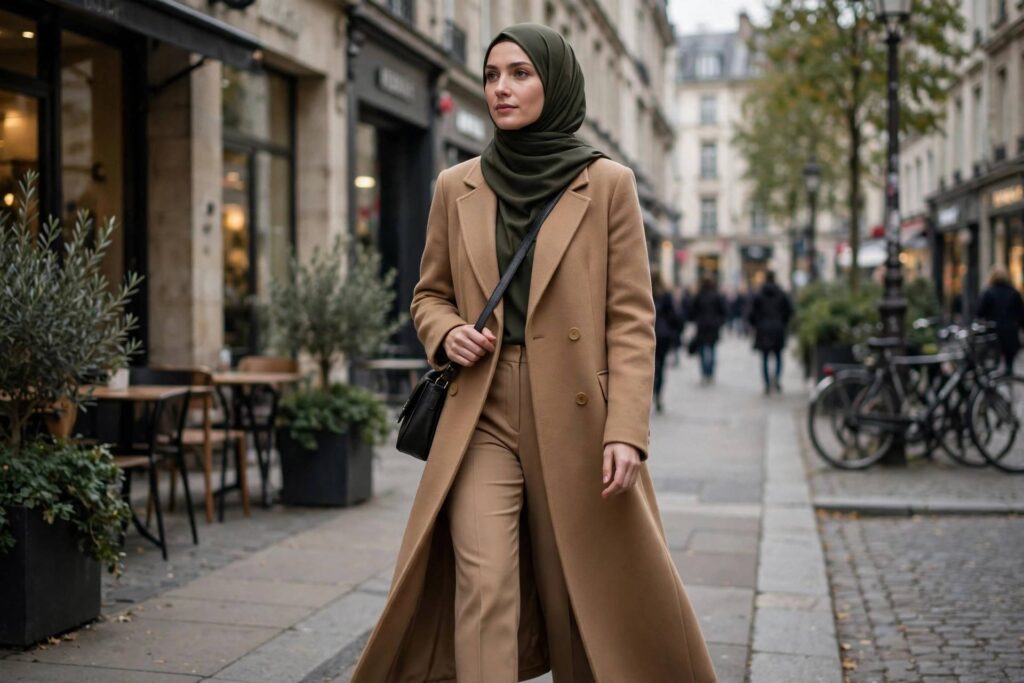
What is quiet luxury fashion? It is the aesthetic that whispers while everything else shouts — impeccably cut trousers, a perfectly fitted blazer, a cashmere sweater in exactly the right shade of camel, and not a visible logo anywhere. I have covered fashion for years, and I have watched trends cycle through noise and more noise; quiet luxury endures because it is not really a trend at all. It is a philosophy of dressing built on quality, fit, and restraint — clothes that signal taste to those who know without announcing anything to those who do not.
This guide breaks down the definition, the key characteristics that separate true quiet luxury from mere minimalism, and how to build the wardrobe at three budgets — because the aesthetic’s best-kept secret is that it has far more to do with discernment than with spending.
What Is Quiet Luxury Fashion? The Definition
Quiet luxury — sometimes called “stealth wealth” dressing — is a style defined by exceptional quality, precise tailoring, and deliberate understatement. The clothes are expensive-looking because they are well-made, not because they display branding. Think of it as the opposite of logomania: where streetwear-era fashion put the brand front and center, quiet luxury removes the label entirely and lets the fabric, the cut, and the fit do the talking.
The aesthetic drew mainstream attention through cultural moments — understated characters on prestige television, the off-duty wardrobes of certain celebrities — but its roots run much deeper. It descends from old-money dressing traditions, from the tailoring houses of Milan and London, from the idea that true elegance does not need to prove itself. What is new is the democratization: the codes of quiet luxury are now widely understood, which means anyone can learn to dress this way regardless of budget.
An important distinction: quiet luxury is not the same as minimalism, though they overlap. Minimalism is about reduction — fewer pieces, neutral palettes, clean lines. Quiet luxury is about quality within that restraint. A minimalist might wear a plain white t-shirt; quiet luxury wears the plain white t-shirt cut from heavyweight cotton with a perfect drape and seams that lie flat. The difference is invisible in a photograph and obvious in person.
The Key Characteristics
Learn to recognize these signatures and you will spot quiet luxury anywhere:
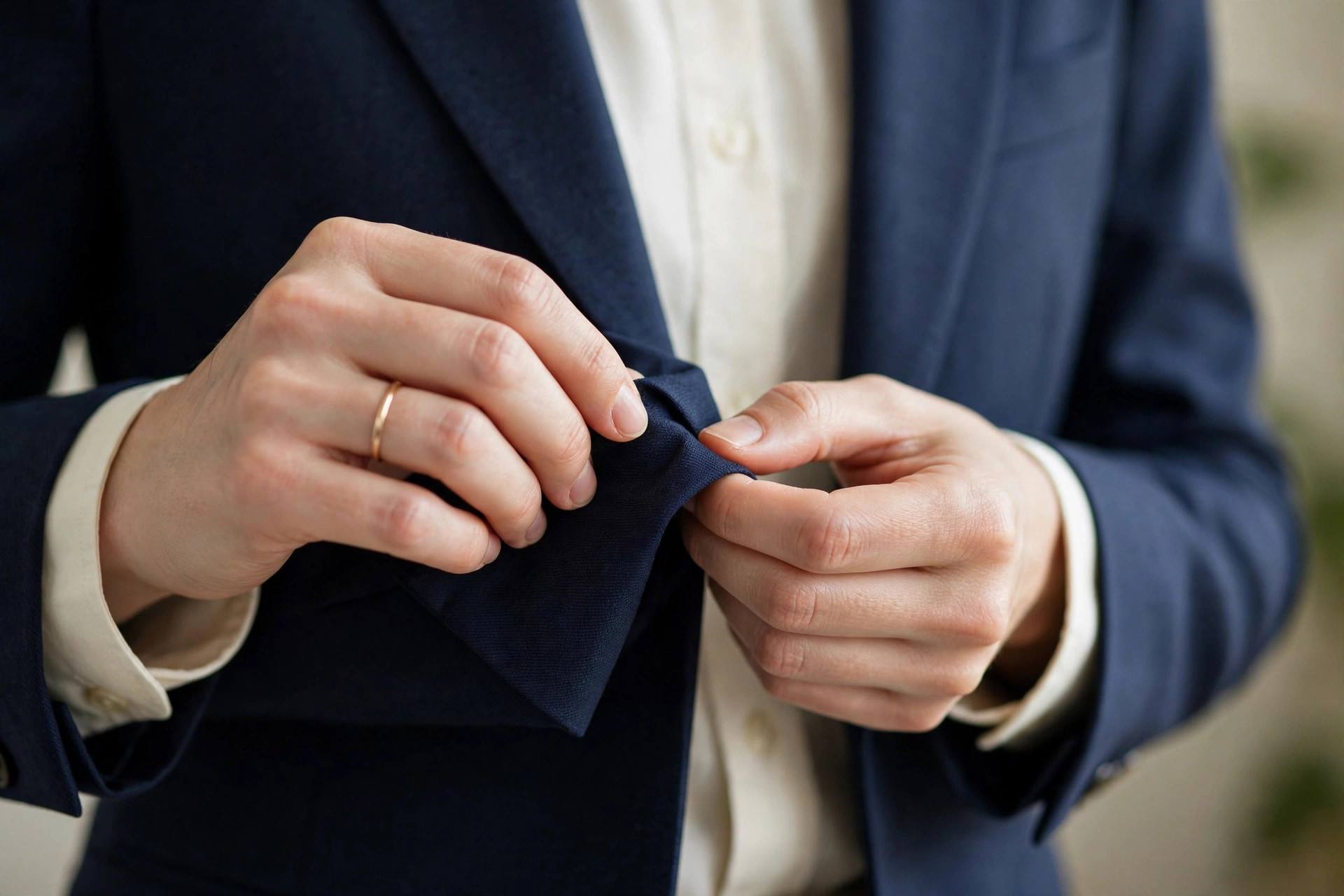
- Impeccable fit. This is the non-negotiable foundation. Trousers break exactly once over the shoe. Blazer shoulders end at the shoulder. Nothing pulls, nothing sags, nothing overwhelms the frame. Fit matters more than price — a tailored affordable blazer reads more “quiet luxury” than an expensive one worn straight off the rack.
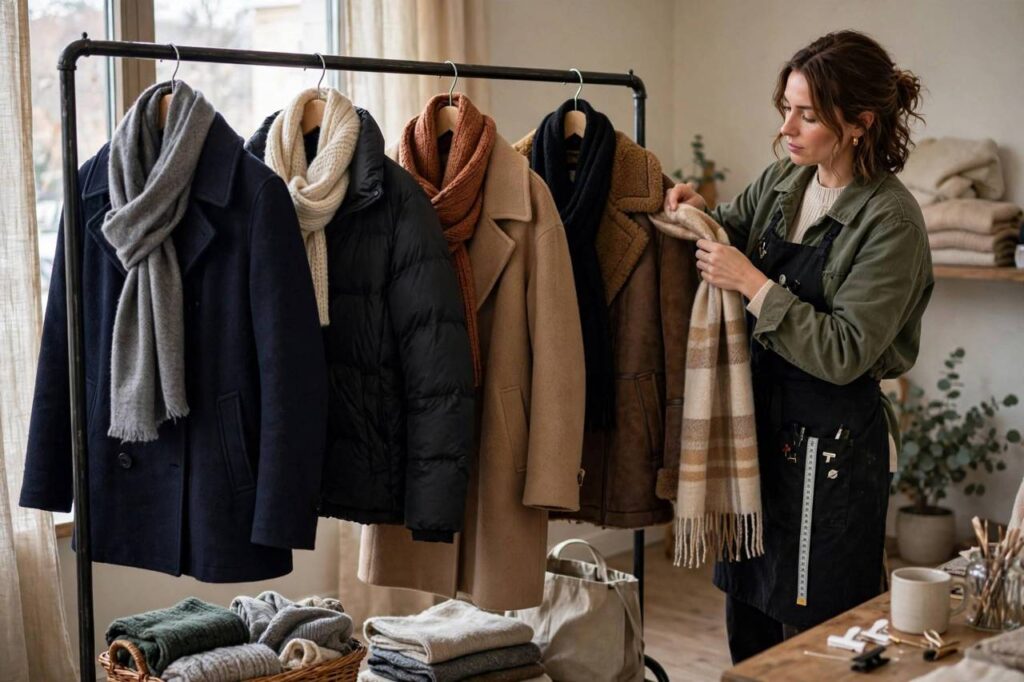
- Luxurious, natural fabrics. Cashmere, merino wool, silk, linen, high-grade cotton, supple leather. The fabrics have weight and texture; they move well and age gracefully. This is where the money goes, visibly.
- A restrained palette. Camel, navy, charcoal, cream, black, soft gray, chocolate brown. Color appears as accent, not statement. The palette is what makes disparate pieces work together effortlessly.
- No visible logos. The defining negative trait. Hardware is minimal and unbranded, monograms are absent, and brand identification — if it exists at all — is on the inside.
- Timeless silhouettes. Straight-leg trousers, classic blazers, simple knitwear, trench coats, loafers. Nothing trend-driven, nothing that will look dated in eighteen months. The silhouette vocabulary has barely changed in decades.
- Understated accessories. A simple leather bag in a classic shape, a delicate watch, minimal jewelry. Each piece is chosen, not accumulated.
- Immaculate condition. Quiet luxury clothes are maintained: de-pilled knitwear, polished shoes, pressed shirts. The aesthetic collapses without upkeep — a stained “investment piece” is just a stained shirt.
Quiet Luxury vs. Old Money Style vs. Minimalism
These terms get used interchangeably, and they should not be. Old money style is about heritage — specific codes (certain shoes, certain patterns, certain sports references) that signal a particular social background. It is a dialect. Quiet luxury is the broader aesthetic language: quality and restraint without the class signaling. You can dress in quiet luxury without any interest in old-money codes.
Minimalism, as noted, is about reduction as a principle — it can be achieved at any price point and does not necessarily prioritize fabric quality. Quiet luxury borrows minimalism’s visual calm but adds the quality imperative. And “stealth wealth” is essentially quiet luxury’s nickname in popular discourse — same concept, slightly more emphasis on the wealth being deliberately concealed.
Understanding these distinctions matters because they point to different shopping strategies. Chasing old-money codes leads to costume; chasing minimalism leads to a sparse closet of mediocre basics. Chasing quiet luxury leads to the only question that matters: is this piece genuinely well-made, does it fit perfectly, and will I wear it for years?
Building the Wardrobe: Three Budgets
The Accessible Budget: Discernment Over Spending
Quiet luxury at a modest budget is entirely possible because the aesthetic rewards judgment more than expenditure. The strategy: buy less, choose carefully, and tailor everything. A well-fitting blazer from a mid-range retailer, taken to a tailor for $30 of adjustments, will out-dress an expensive blazer worn unaltered. Focus on the highest-impact pieces first — trousers and knitwear, where fit and fabric are most visible — and build slowly. Shop end-of-season sales for natural fabrics, learn to recognize quality construction (check seams, linings, fabric weight), and maintain what you own meticulously. Thrift stores in affluent areas are genuinely excellent hunting grounds for the natural-fiber, classic-cut pieces this aesthetic requires.
The Mid-Range Budget: Investing in Foundations
With more to spend, invest in the pieces you wear constantly: a superb wool blazer, a cashmere crewneck, well-made leather loafers, a classic trench. These are cost-per-wear champions — a blazer worn 200 times over five years costs less per wear than a trendy piece worn six times. At this level, you can afford to prioritize natural fabrics across the board and to develop a relationship with a good tailor, which is the real luxury. Buy the best version of the boring essentials before adding anything interesting.
The Investment Budget: Buy Once, Keep Forever
At the top end, the strategy barely changes — only the execution. Commission tailoring where it counts, choose the finest fabrics, and buy with a decades-long horizon. The difference at this level is not visible flash but invisible quality: hand-finished seams, full-canvas blazer construction, shoes that can be resoled indefinitely. Ironically, the more you spend on true quiet luxury, the less it looks like you spent anything — which is exactly the point.
The Quiet Luxury Capsule: Essential Pieces
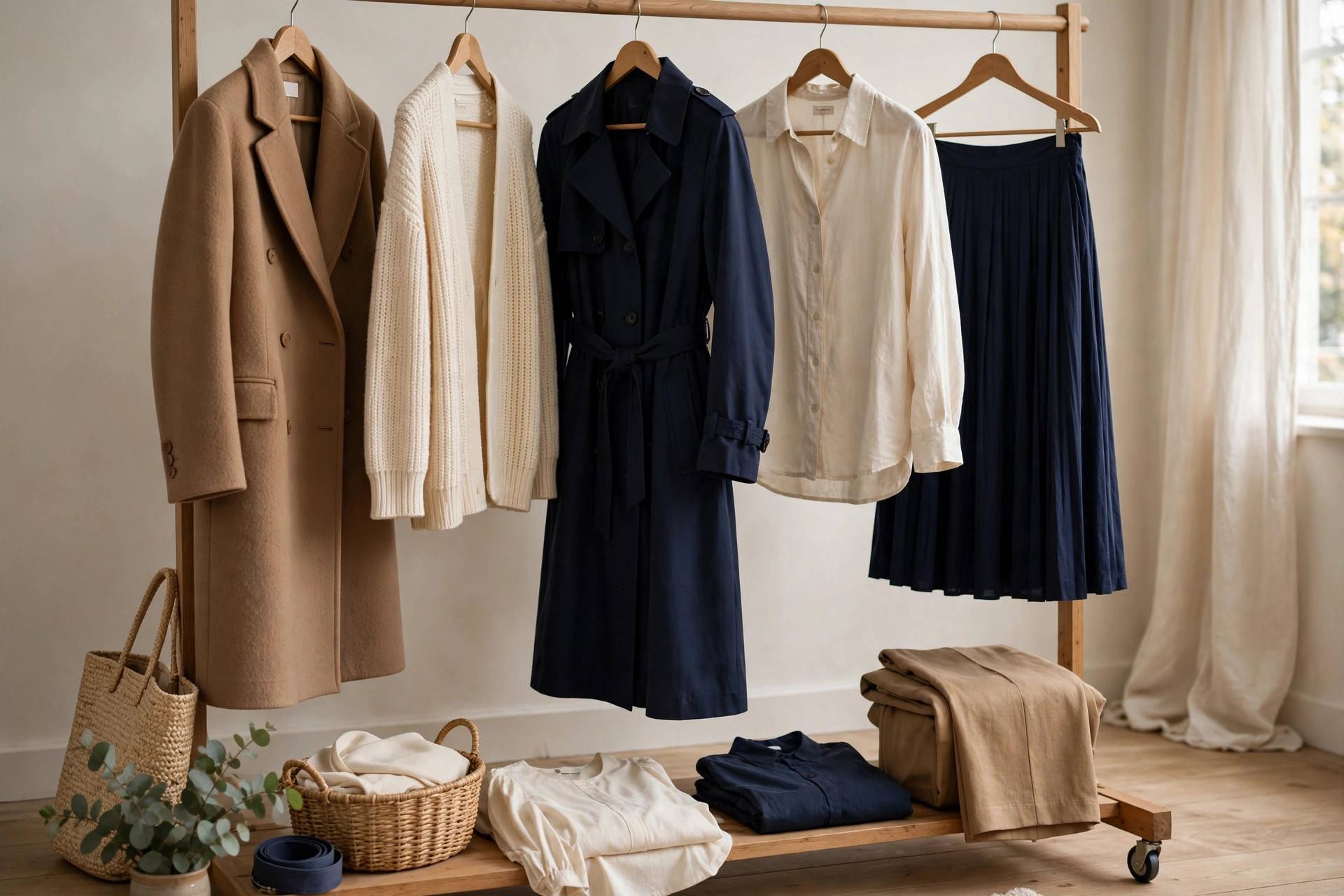
If you are building from scratch, these are the foundational pieces in rough priority order:
- Tailored trousers in navy or charcoal
- A well-fitted blazer in navy or camel
- Cashmere or fine merino crewneck sweaters in neutral tones
- Crisp white and light-blue shirts with a proper collar
- A classic trench coat in beige
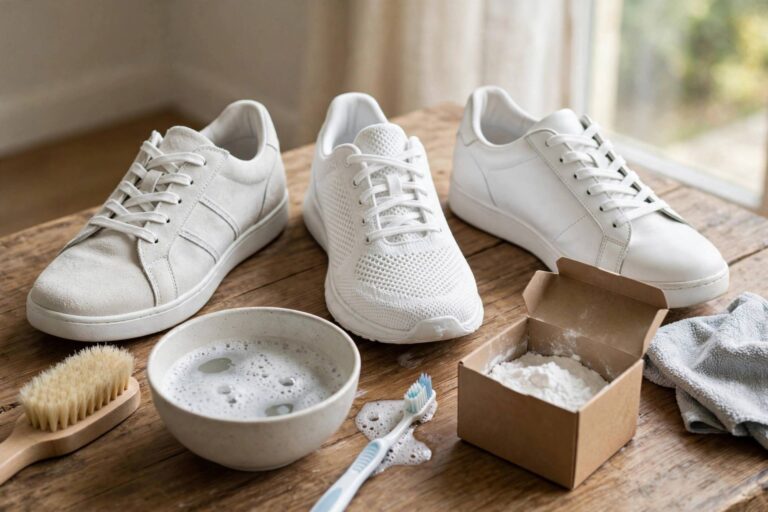
- Simple leather loafers and clean minimal sneakers in white
- A structured leather bag in black or tan — classic shape, no visible branding
- Dark straight-leg jeans with no distressing
- A camel or wool overcoat for colder months
- Minimal jewelry: a simple watch, small earrings or a plain band
Notice what is missing: statement pieces, trend items, anything that needs explaining. Every item on this list works with every other item, which is the quiet luxury superpower — getting dressed becomes effortless because the wardrobe is a system, not a collection.
Common Mistakes
- Confusing expensive with well-made. Price is not the aesthetic. An overpriced logo piece violates every principle; a well-chosen affordable piece honors them.
- Neglecting tailoring. Off-the-rack fit is approximate by design. The $25–$50 tailoring adjustment is the highest-ROI spending in this entire aesthetic.
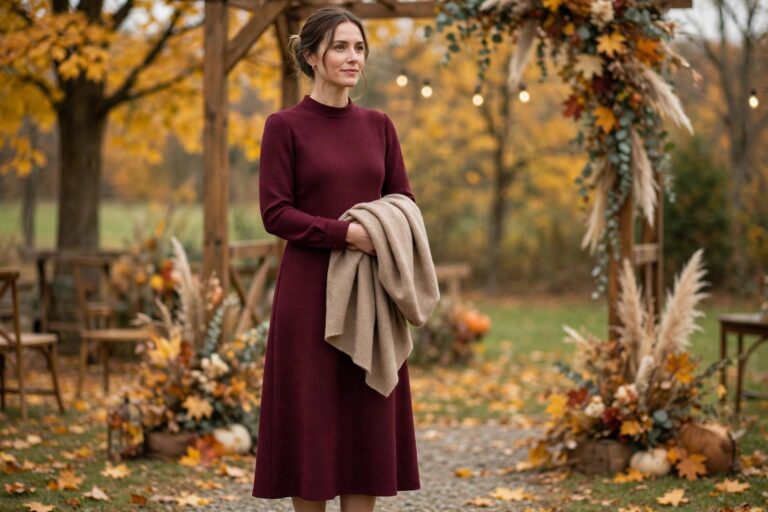
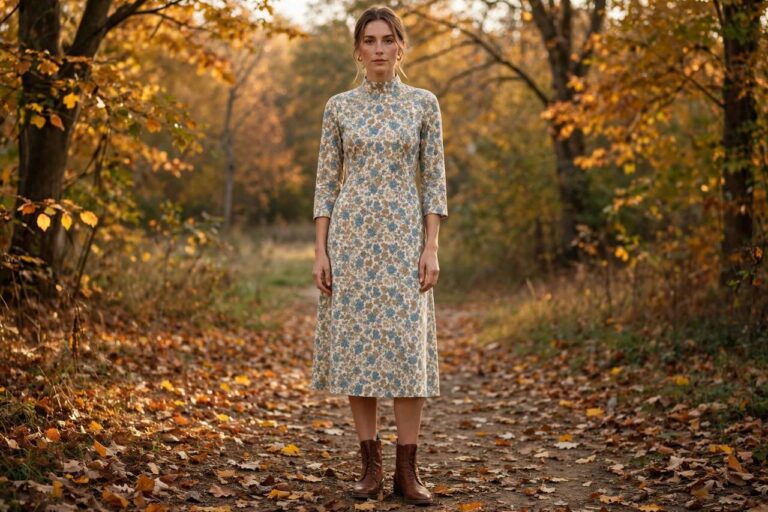
- Going too beige. Restraint does not mean boring. Texture (a chunky knit, a nubby tweed), subtle pattern (a faint check, a fine stripe), and the occasional deep color (burgundy, forest green) keep the palette alive.
- Ignoring maintenance. Pilling, scuffed shoes, and wrinkled shirts destroy the effect instantly. A fabric shaver, shoe polish, and a steamer are essential tools.
- Copying instead of adapting. The aesthetic is a framework, not a uniform. Adapt the principles — quality, fit, restraint — to your climate, your body, your life, and your culture of modesty. The woman in a beautifully tailored abaya or a perfectly cut modest ensemble is practicing quiet luxury as authentically as anyone.
Frequently Asked Questions
Is quiet luxury just for rich people?
No — that is the popular misconception. The aesthetic is about quality, fit, and restraint, all of which are achievable at modest budgets through careful shopping, tailoring, and maintenance. Wealth makes it easier, but discernment is the actual requirement. Some of the best quiet-luxury dressing I have seen came from thrift-store finds plus a good tailor.
What brands are considered quiet luxury?
The aesthetic is associated with heritage houses known for tailoring and fine fabrics rather than logo-driven design — think classic Italian and British tailoring traditions and minimal Northern European labels. But the movement’s whole point is that the brand does not matter; naming specific labels somewhat misses the point. Judge the garment, not the tag.
Can quiet luxury work with modest dressing?
Beautifully — the two philosophies are natural allies. Both value coverage, quality fabrics, timeless silhouettes, and restraint over display. Tailored modest pieces in luxurious natural fibers, in the classic quiet-luxury palette, embody the aesthetic completely. Many of the aesthetic’s principles (impeccable fit, fabric quality, no logos) apply seamlessly to modest wardrobes.
How is quiet luxury different from normcore?
Normcore was an ironic embrace of deliberately unremarkable clothing — the aesthetic of not caring. Quiet luxury is the opposite of not caring: it is caring enormously about quality while declining to advertise it. Normcore says “I don’t think about clothes”; quiet luxury says “I think about them constantly, and I’ve decided you don’t need to know.”
Is quiet luxury still trendy?
The term peaked as a trend, but the underlying principles — buy well, fit perfectly, avoid logos, dress timelessly — are permanent. That is the paradox that makes it worth adopting: it is the one “trend” whose whole premise is outlasting trends. The vocabulary may fade; the wardrobe will not.
Dress Well, Say Little
Quiet luxury is ultimately a stance toward consumption itself: fewer, better things, chosen with care and kept with pride. In a fashion culture built on novelty and noise, there is something quietly radical about a wardrobe that refuses to shout. Start with fit, invest in fabric, maintain everything — and let the clothes speak softly. The right people will hear them.