If you own a Nissan from roughly the last fifteen years, there’s a good chance it has a CVT — and if you’ve spent any time on owner forums, you’ve heard the stories. Shuddering at low speed. A whine that gets louder every month. A transmission that gives up at 80,000 miles with a repair bill that makes your eyes water.
I’ve worked on plenty of these cars, and I’ll be straight with you: Nissan’s CVTs earned their reputation. But the story is more nuanced than “they’re all junk.” Some model years are genuinely problematic, others are far better than the internet gives them credit for, and knowing which bucket your car falls into changes everything about how you maintain it.
This guide covers which Nissan models have the worst CVT track records, the symptoms that matter, and what you can realistically do. If you’re fuzzy on the technology itself, start with my explainer on what a CVT transmission is — it’ll make everything below click faster.
Table of Contents
- Why Nissan Went All-In on CVTs
- The Worst Offenders: Models and Years to Watch
- Symptoms That Mean Trouble
- What Actually Fails Inside These Transmissions
- The Warranty Extensions You Should Know About
- What Owners Can Do: Maintenance That Matters
- Should You Buy a Used Nissan With a CVT?
- Frequently Asked Questions
Why Nissan Went All-In on CVTs
Nissan bet bigger on continuously variable transmissions than any other mainstream automaker. Starting in the mid-2000s, they rolled CVTs across the lineup — Sentra, Altima, Rogue, Murano, Pathfinder, Maxima, Versa, Juke, you name it. The pitch was compelling: better fuel economy, smoother acceleration, fewer moving parts than a conventional automatic.
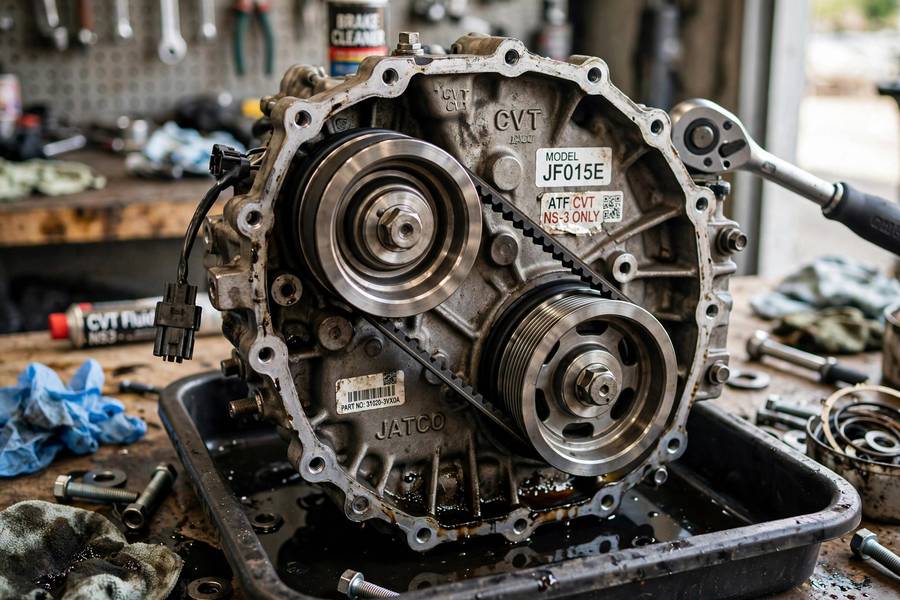
The transmissions came from JATCO, a Nissan-affiliated supplier, and early units (especially 2007–2010) had serious teething problems. Overheating was the big one — the belt-and-pulley system generates a lot of heat, and the early cooling strategy wasn’t up to the job in hot climates or stop-and-go traffic. Nissan added auxiliary coolers and revised the designs over the years, and later units are meaningfully better. But the reputation stuck, and class-action lawsuits over the 2013–2017 generation cemented it.
The Worst Offenders: Models and Years to Watch
Not all Nissan CVTs are equal. Here’s how the problem years shake out by model, based on complaint volumes, technical service bulletins, and what I’ve seen in shops:
Altima (2007–2012, and 2013–2016): The poster child. The 2007–2012 cars had the early JATCO units with high failure rates — shudder, hesitation, and outright failure often between 60,000 and 100,000 miles. The 2013 redesign brought a new-generation CVT that was better but still generated a flood of complaints about shuddering and “judder,” which led to a class-action settlement.
Rogue (2008–2013, and 2014–2016): Similar story to the Altima. The first-generation Rogue’s CVT is a known weak point, and the 2014–2016 models had their own judder issues covered under the same extended warranty programs.
Sentra (2007–2012, and 2013–2017): The 2013–2017 Sentra is one of the most complained-about CVT applications — lots of reports of shudder and premature failure. Nissan extended the warranty on these too.
Pathfinder (2013–2014): The redesigned 2013 Pathfinder switched to a CVT, and the first two years were rough — shudder complaints were common enough to trigger warranty extensions.
Murano (2009–2014): Generally better than the smaller cars (the V6 models stressed the CVT less per pound, oddly enough), but still above-average complaint rates for the era.
Versa (2007–2019): The little Versa’s CVT had a steady drumbeat of issues across many years, though failures tended to show up later in mileage.
Maxima (2007–2014): The V6 Maxima’s CVT held up better than the four-cylinder cars’ units — more evidence that heat and load management were the core issues.
The better years: 2018 and newer Nissans have substantially revised CVTs. They’re not perfect — no CVT is — but failure rates dropped dramatically. A 2020 Rogue’s CVT is a different animal from a 2014’s.
Symptoms That Mean Trouble
These transmissions rarely die without warning. Here’s what to watch for, roughly in order of appearance:
Shudder or judder at low speed. The classic Nissan CVT complaint. It feels like driving over rumble strips when accelerating gently from a stop or at steady low speeds. This is the belt slipping or the pulleys struggling — and it’s the symptom behind most of the warranty extensions. I’ve written a full rundown of the early warning signs of transmission trouble if you want the complete checklist.
Whining that tracks with speed. All CVTs make some noise, but a whine that gets progressively louder over weeks or months — especially one that changes pitch with vehicle speed rather than engine RPM — points to belt or bearing wear.
Delayed engagement. You shift into Drive and… nothing, for a second or two. Then a clunk as it engages. That’s hydraulic pressure loss, usually from a worn pump or valve body.
Overheating warnings. Some Nissans will throw a transmission temperature warning and drop into limp mode (limited speed, no real acceleration). If this happens more than once, the transmission is telling you its cooling capacity is gone.
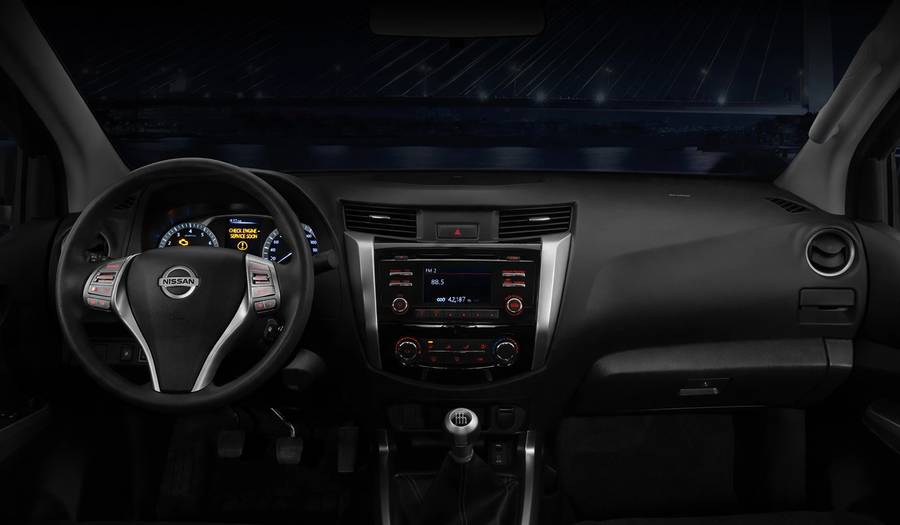
Check engine light with transmission codes. Codes in the P0700–P0799 range, or Nissan-specific codes like P17F0/P17F1 (judder codes on the 2013+ units), mean the computer has detected belt slip. Don’t ignore these — a lit check engine light with a transmission code is the car asking for help before the failure gets expensive.
RPM flare. The engine revs climb but the car doesn’t accelerate proportionally — like a slipping clutch. On a CVT, that’s the belt slipping on the pulleys, and it’s as bad as it sounds.
What Actually Fails Inside These Transmissions
Understanding the failure helps you understand the fix (or why there sometimes isn’t a cheap one):
The belt/chain. Nissan/JATCO CVTs use a steel belt (later units use a chain in some applications) riding between two variable pulleys. When the belt wears or the pulley surfaces score, you get slip — the shudder and flare. This is the most common terminal failure, and it usually means replacement, not repair.
The valve body. This hydraulic control center directs fluid pressure to the pulleys. Worn valves cause delayed engagement and erratic behavior. Sometimes a valve body replacement buys real time — it’s one of the few internal repairs worth doing.
The torque converter. Some shudder complaints trace to the lock-up clutch in the torque converter rather than the belt itself. A converter replacement is much cheaper than a full transmission, so proper diagnosis matters.
Overheating damage. Heat breaks down the fluid, and degraded fluid accelerates wear on everything it touches. Many early failures were really cooling failures wearing a transmission costume.
The stepper motor. This little motor adjusts pulley ratios. When it fails, the transmission can’t change ratios properly — hesitation, wrong “gear” feel, codes.
The Warranty Extensions You Should Know About
This is the part a lot of owners miss: Nissan extended CVT warranties significantly, and some of that coverage may still apply to your car.
The big one: Nissan extended the CVT warranty to 10 years / 120,000 miles (whichever comes first) on many 2003–2010 models way back, then did it again for the 2013–2017 generation amid the class-action settlement — typically 7 years / 84,000 miles for the judder/shudder issue on affected models (Altima, Rogue, Sentra, Pathfinder, and others from those years).
If you own an affected model, check your VIN with a Nissan dealer before paying for anything. I’ve seen owners quoted $4,000+ for replacements that turned out to be covered. The extensions are VIN-specific and time/mileage-limited, so don’t assume — verify.
What Owners Can Do: Maintenance That Matters
Here’s the honest truth: you can’t make a bad-design CVT bulletproof. But you can meaningfully extend its life:
Change the fluid — early and often. Nissan’s official line has waffled between “lifetime fluid” and 60,000-mile intervals depending on year and market. Ignore “lifetime.” For a Nissan CVT, I recommend a drain-and-fill every 30,000–40,000 miles with genuine Nissan NS-2 or NS-3 fluid (use exactly what your model specifies — they’re not interchangeable). This is the single highest-leverage thing you can do. It’s also worth knowing how to check your transmission fluid between services — dark, burnt-smelling fluid is an early warning.
Don’t tow beyond ratings. CVTs hate sustained high load. If your owner’s manual gives a tow rating, treat it as a hard ceiling, not a suggestion.
Let it warm up. Thirty to sixty seconds of idle on cold mornings before driving off lets fluid circulate. It costs you nothing.
Fix cooling issues immediately. If you get a transmission temp warning, that’s a drop-everything event. An auxiliary cooler is cheap insurance on the older models known for overheating.
Address shudder early. The judder/shudder often starts mild. Getting it diagnosed while it’s mild gives you the most options — including warranty coverage you might age out of if you wait.
Should You Buy a Used Nissan With a CVT?
The question I get most. My answer: it depends on the year and the price.
Avoid: 2007–2012 Altima/Sentra/Rogue, 2013–2017 Sentra, 2013–2016 Altima/Rogue, 2013–2014 Pathfinder — unless the price reflects the risk, the fluid history is documented, and you’ve had a pre-purchase inspection by someone who knows these transmissions.
Consider with eyes open: 2018+ models. The revised CVTs are genuinely better. Still change the fluid on my schedule, not Nissan’s, and budget as if a transmission job is possible — just much less likely.
The math that matters: a used Nissan is often thousands cheaper than the Toyota/Honda equivalent. If the discount exceeds a worst-case transmission replacement ($3,500–$5,000 at an independent shop), the gamble can make sense. If it doesn’t, buy the boring reliable car.

Frequently Asked Questions
The 2007–2012 Altima, Sentra, and Rogue; the 2013–2017 Sentra; the 2013–2016 Altima and Rogue; and the 2013–2014 Pathfinder have the highest complaint volumes. These model years account for the bulk of class-action lawsuits and warranty extensions.
Substantially more so. Nissan revised the CVT design around 2018 with better cooling and stronger internals, and failure rates dropped sharply. They’re still CVTs — fluid maintenance matters — but the chronic premature-failure pattern of the earlier years is largely gone.
Typically $3,500–$5,000 at an independent shop, and $5,000–$7,500+ at a dealer, depending on model. Remanufactured units are usually cheaper than new. Always check warranty extensions by VIN first — many owners have gotten replacements covered.
Shuddering or juddering at low speeds is the classic early sign, followed by whining that increases with speed, delayed engagement when shifting into Drive, and transmission temperature warnings. Diagnostic codes like P17F0/P17F1 confirm belt judder on 2013+ models.
Yes, multiple times. Many 2003–2010 models got 10 years/120,000 miles, and 2013–2017 models affected by the judder issue got around 7 years/84,000 miles under the class-action settlement. Coverage is VIN-specific — check with a dealer before paying for repairs.