Anti-Aging Secrets of Celebrities: What’s Real and What’s Marketing

I have interviewed enough stars about aging to recognize the choreography. The question comes, the laugh comes, and then comes the answer: water, sleep, good genes, and a cream they happen to sell. Every entertainment journalist knows the routine. But off the record, in the moments when the publicist steps out to take a call, I have heard the real answers. The anti-aging secrets of celebrities are not one secret at all. They are a short list of things with actual evidence, a longer list of expensive maintenance, and a marketing machine built on top of both.
This is the honest version. What works, what sort of works, and what is theater. No cream links, no sponsored nonsense, just what I have learned from a decade of asking the question and watching what the answers leave out.
The Big Three: What Actually Works
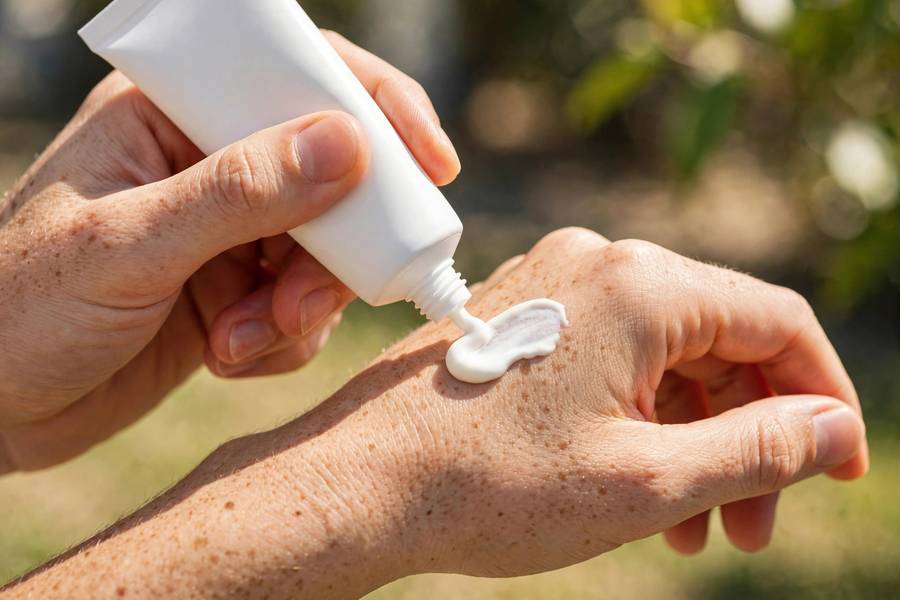
Strip away everything else and celebrity anti-aging rests on three pillars with genuine evidence behind them. First, sunscreen, worn daily for decades. Every star with remarkable skin at fifty-plus has been religious about sun protection, and the dermatologists I interview say it accounts for more of the difference than everything else combined. UV damage is cumulative and irreversible, which means the stars who look young now made the decision in their twenties.
Second, retinoids. Prescription tretinoin is the single most-studied topical in dermatology, and it is the open secret of Hollywood. It increases cell turnover, builds collagen, and fades discoloration. It is also cheap, which is why you rarely hear about it in interviews. Nobody gets a sponsorship deal for a generic tube. Third, not smoking and moderating alcohol. Unsexy, free, and enormously effective. The skin of a lifelong smoker tells the story at forty no matter what creams were involved.
Notice what is not on this list: any specific luxury cream. Moisturizer matters for barrier health and the appearance of fine lines, but no cream has the evidence that sunscreen and retinoids do. When a star credits a cream, they are usually crediting consistency, or a contract.
The Maintenance: Lasers, Peels, and Facials
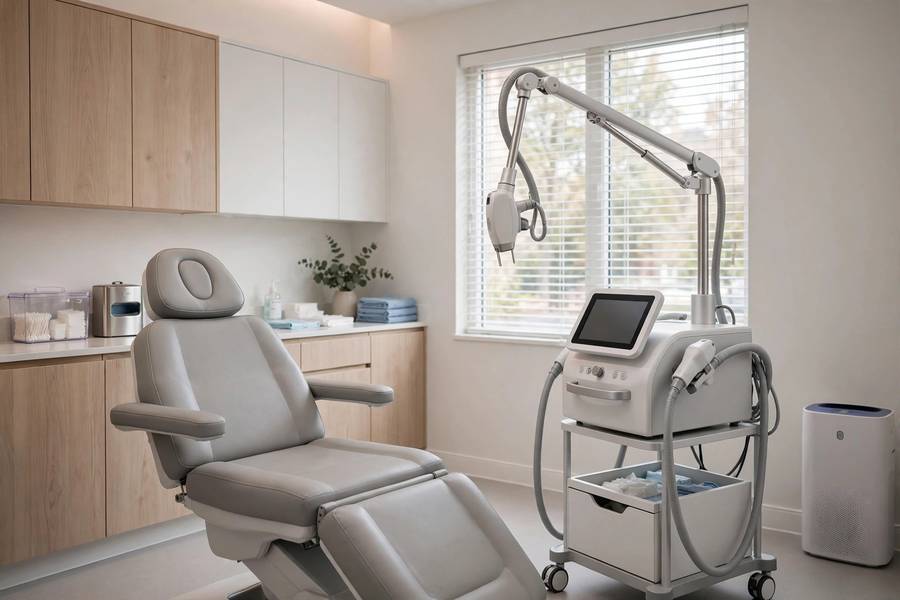
Beyond the big three, celebrities maintain with in-office treatments the way the rest of us maintain with haircuts. The most common are light laser treatments for discoloration and texture, gentle chemical peels, and regular facials focused on lymphatic drainage and hydration. None of these are one-time miracles. They are subscriptions. The glow you see on a red carpet is typically the result of a treatment done three to seven days earlier, timed like a haircut before a wedding.
What surprised me when I started asking facialists directly is how conservative the A-list approach usually is. The stars with the best long-term results favor gentle, repeated treatments over aggressive ones. The horror stories come from overdoing it: too-frequent lasers, too-deep peels, too much filler too fast. The veterans have learned that restraint photographs better than intervention. The goal is to look like yourself on excellent sleep, not like a different person.
The honest cost of this tier is significant, which is why it rarely appears in interviews. But the principle translates: professional treatments work best as maintenance, not rescue. One facial before a big event beats ten facials trying to fix a decade of neglect.
The Theater: What Is Mostly Marketing
Now the part nobody gets paid to say. A large share of celebrity beauty content is theater. The jade roller routine filmed in perfect lighting. The twelve-step ritual with products from the star’s own line. The “I just drink water” answer from someone with a glam team of six. I do not blame the stars for this; the economics of fame require it. But you should know what you are watching.
The clearest tell is the timeline. When a star launches a skincare line and suddenly credits it for their decade-long glow, the math does not work. When every product in a routine is from the same brand, that is a campaign, not a routine. Real routines are mongrels: a drugstore cleanser, a prescription retinoid, a sunscreen from a third brand, a moisturizer from a fourth. Authenticity looks messy. Marketing looks coordinated.
This does not mean celebrity-founded products are bad. Some are perfectly good. It means the endorsement is not evidence. The evidence is the ingredient list and the consistency, and neither of those needs a famous face.
The Lifestyle Part Nobody Wants to Hear
The least marketable anti-aging secret is also one of the most powerful: sleep. I have watched stars transform between a press tour’s first week and its third, and the difference is not products. It is rest. Growth hormone peaks during deep sleep, cortisol drops, and the skin does its repair work. No serum replicates eight hours. The stars who age best guard their sleep like a trade secret, because it is one.
Exercise matters too, for circulation and stress rather than vanity. And stress itself is visible. Cortisol breaks down collagen and triggers inflammation, which is why the same person can look five years older during a difficult press cycle. The unglamorous truth is that a calm life with good sleep and daily sunscreen will outperform a stressed life with a medicine cabinet of luxury products. There is no affiliate link for that, which is exactly why you hear about it less.
Your Version: The Sensible Playbook
Here is the entire celebrity anti-aging playbook, translated for a normal budget. Daily sunscreen you actually enjoy wearing. A prescription retinoid from a dermatologist, introduced slowly. A simple moisturizer to support the barrier. Sleep, water, and not smoking. If you have budget left, a professional facial before big events and a conservative in-office treatment plan discussed honestly with a dermatologist.
That is it. That is the list. Everything else is optimization or marketing. For the day-to-day structure, my celebrity skincare routine guide lays out the morning and night order, and the guide to dressing like a celebrity covers the styling side of the glow. Start with sunscreen tomorrow morning. It is the only step with a forty-year track record.

Aging is not a problem the stars have solved. They have just had more help managing it, and better lighting. The fundamentals are available to everyone, and they always were.
The Endorsement Economy
To fully understand celebrity anti-aging advice, you have to understand the endorsement economy that produces most of it. A star with a skincare line, a partnership, or a paid post has a financial reason to credit products, and the reason is not subtle. I have watched the same actress credit three different “miracle” creams over five years, each coinciding with a contract. The skin did not change. The sponsor did.
This does not mean every endorsement is a lie. Some celebrity-founded products are genuinely good, formulated with real dermatologists and honest ingredient lists. But the endorsement is marketing, not evidence, and it should be read as marketing. When someone is paid to say a cream works, the statement tells you about the payment, not the cream. The tell is always the timeline: if the glow predates the product by a decade, the product is not the cause.
The defense against all of this is beautifully simple: read the ingredient list, not the famous face. Sunscreen, retinoids, and moisturizers with ceramides do not need celebrity validation. They have decades of research. And when you want to understand the machinery behind the claims, my breakdown of how celebrity endorsements really work pulls back the curtain, while the best red carpet looks show what all that maintenance is ultimately building toward: not a product, but a presence.
Daily sunscreen use over decades. Dermatologists say consistent sun protection accounts for more visible difference than any other single factor, because UV damage is cumulative. Prescription retinoids rank second for evidence.
Many do, though few discuss it openly. The industry trend among veterans favors conservative, subtle work aimed at looking rested rather than different. Overdone work is widely considered a career risk for actors whose faces are their instruments.
Off the record, the most-cited products are prescription tretinoin, daily sunscreen, and simple barrier-supporting moisturizers. Luxury creams appear most often in sponsored content rather than in real routines.
No cream has the evidence base of sunscreen and retinoids. Good moisturizers improve barrier health and soften the look of fine lines, but dramatic claims about turning back time are marketing. Check the ingredient list, not the famous face.
Through a combination of daily sunscreen, retinoids, regular gentle in-office treatments like light lasers and peels, excellent sleep, and professional makeup and lighting. It is maintenance plus presentation, not a single miracle product.
Check the timeline: if the star’s glow predates the product by years, the product is not the cause. Read the ingredient list instead of trusting the face, and remember that paid endorsements are marketing, not evidence.