How Hot Is Lava? Temperatures by Type, From 800°C to 1,250°C

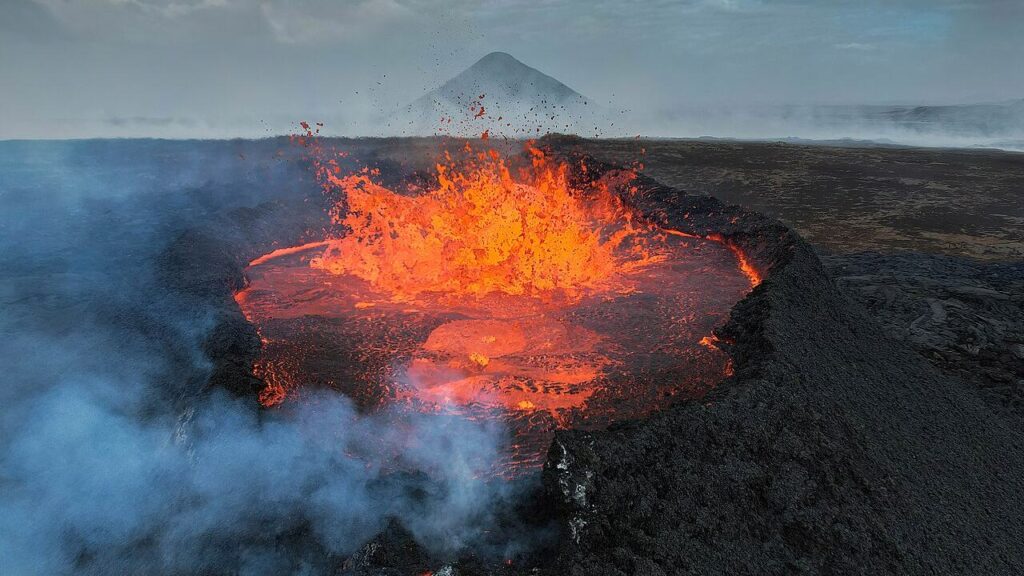
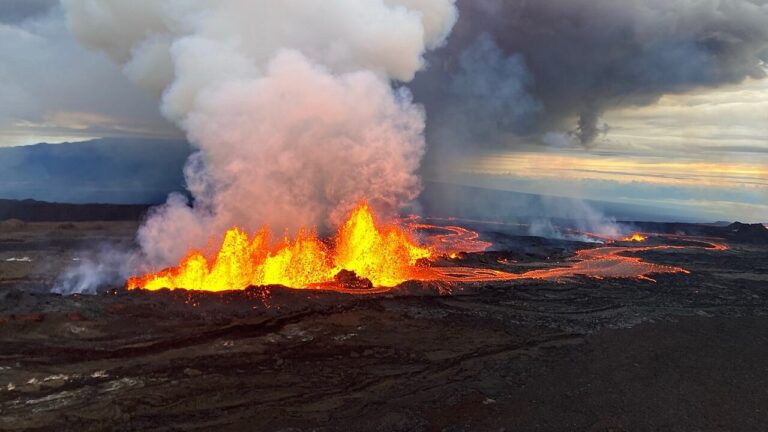
The short version deserves to come first, because this is a question people ask while watching lava on a screen, not a question they want a lecture before answering: lava erupts at somewhere between about 800°C and 1,250°C (1,470–2,280°F), depending on what kind of lava it is. That is the answer. Everything below it is the interesting part — why the range is that wide, how it compares to things in your kitchen, and how scientists know any of this when nobody can exactly dip a household thermometer into a lava flow.
One line of housekeeping before the numbers, because the two words get swapped constantly: magma is molten rock underground, in the chamber where magma waits before it erupts; the moment it erupts at the surface, it is called lava. This article is about the surface material — lava — and the temperatures are eruption temperatures, measured as it comes out.
The Short Answer
Lava is at its hottest the moment it erupts, and its eruption temperature depends on its type. Silica-rich, rhyolitic lava erupts at the cool end, around 800–1,000°C. Basaltic lava erupts at the hot end, as high as 1,100–1,250°C. So the honest one-line answer to “how hot is lava?” is: 800–1,250°C (1,470–2,280°F) — cool enough, at the bottom of the range, to need a comparison to feel real, and, at the top, within a hundred degrees of the temperature that melts the raw materials of glass. The type of lava is not a detail here; it is most of the answer, which is why the next section is a table and not a paragraph.
Lava Temperature by Type
| Lava type | Eruption temperature | Character |
|---|---|---|
| Basaltic to basaltic-andesite | 1,100–1,250°C (2,010–2,280°F) | The hottest common lava — runny, fast-moving |
| Rhyolitic (silica-rich) | 800–1,000°C (1,470–1,830°F) | The coolest common lava — thick, sticky, slow |
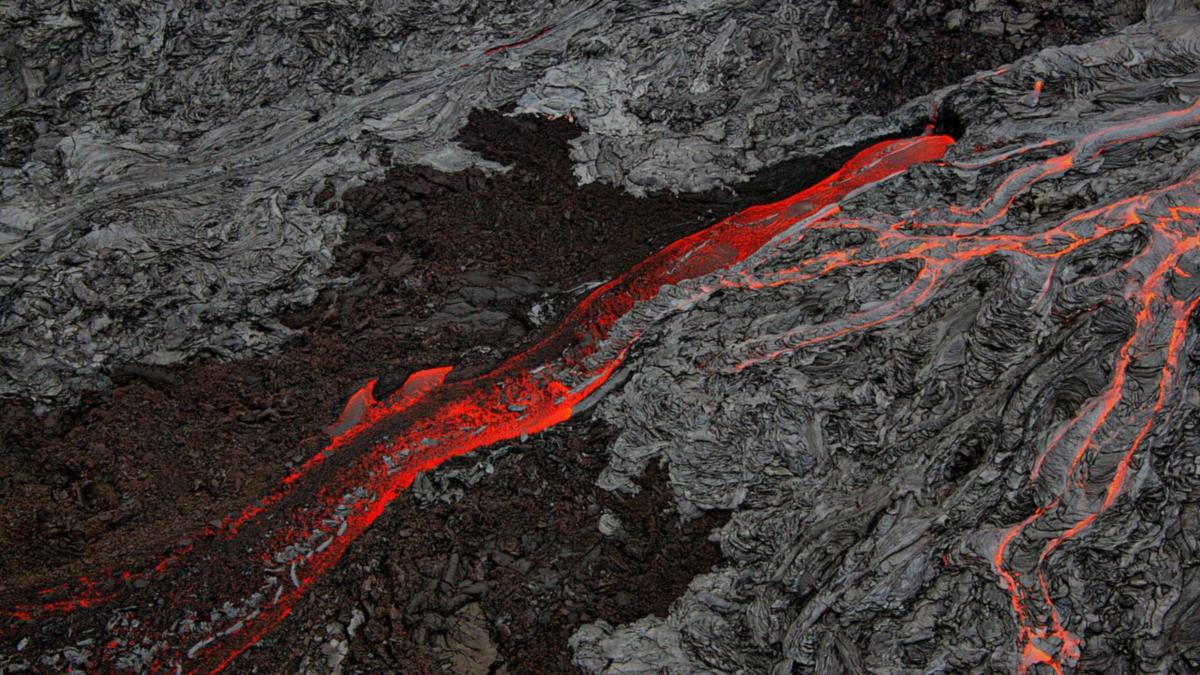
The pattern in that table runs opposite to most students’ instincts, so let me state it plainly: the runnier the lava, the hotter it is. Basaltic lava is low in silica, flows easily, and erupts at the top of the temperature range. Rhyolitic lava is silica-rich — and the United States Geological Survey introduces it in exactly those words, “silica-rich magmas, like the rhyolites” — and that silica makes it thick and reluctant, so it erupts hundreds of degrees cooler and barely flows at all. Temperature and stickiness are two faces of the same chemistry, and it is the same relationship that explains why runny basaltic lava builds shield volcanoes while sticky lava piles up steep and explosive.
The USGS groups basaltic and basaltic-andesite lavas in one band, as the table does — there is no separate official andesite figure in our source, and this article does not invent one.
These are not theoretical numbers, either. In the 1959 eruption of Kilauea in Hawaii, the temperature of the erupting basalt was actually measured, and it ranged between 1,060° and 1,190°C — sitting, as it should, inside the basaltic band above. That eruption filled the crater of Kilauea Iki with a lake of lava 365 feet deep, which is why it remains the classic case: a whole lake of lava, with its temperature taken.
How Hot Is That, Really?
Numbers above a thousand stop meaning anything on their own, so use the comparisons the USGS itself reaches for. A really fancy hairdryer can get up to 93°C (200°F) — in volcanic terms, that gives you an idea of the temperature of a fumarole or hot spring, not of lava. A regular home oven manages about 260°C (500°F); the USGS points out that this gets you only about a quarter of the way to magma temperature, and standing in front of an open oven already feels like a lot. A restaurant pizza oven operates at 370–540°C (700–1,000°F) and can cook a pizza in a minute or two — and that, the USGS notes, is about the average temperature of a pyroclastic flow. Still only halfway to erupting basalt.
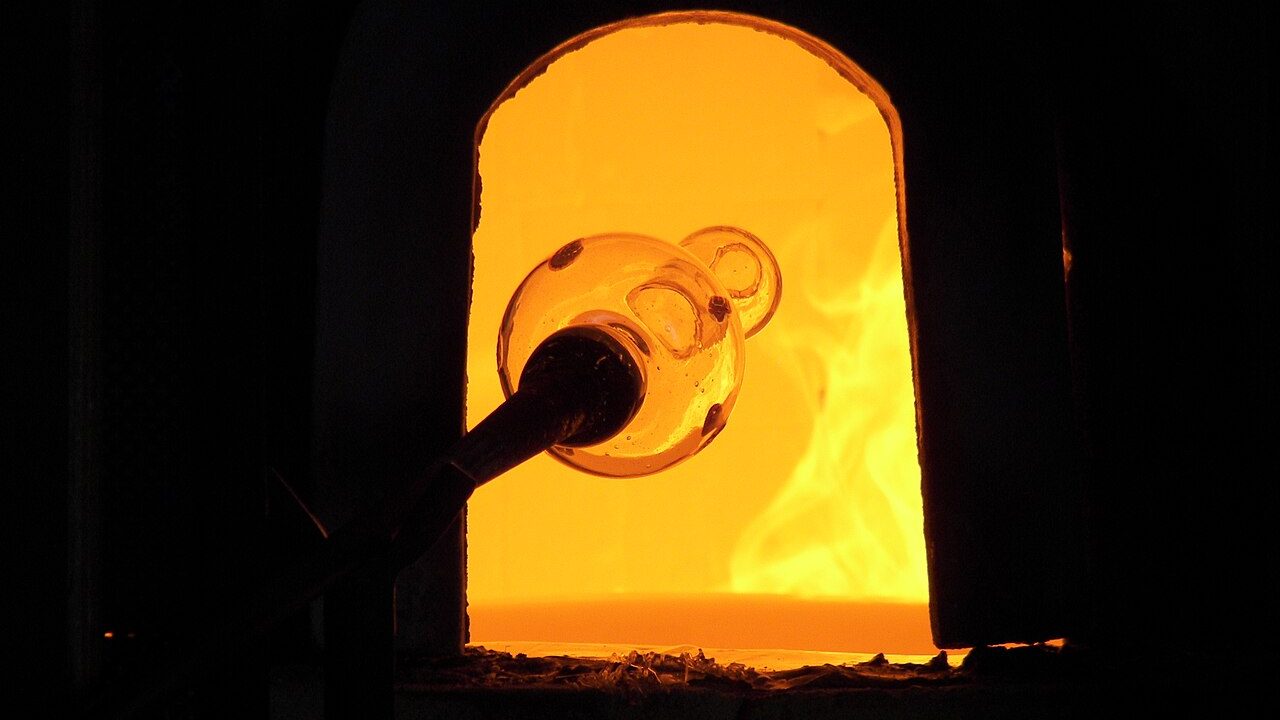
The comparison that finally lands is glass. Melting raw materials into workable glass happens at around 1,320°C (2,400°F), and glassblowing working temperatures run 870–1,040°C — nearly the right temperature ranges, the USGS says, to simulate the feel of molten lava. So the honest kitchen translation is this: the coolest common lava is about as hot as a glassblower’s working furnace, and the hottest lava is within a hundred degrees of melting glass itself. Your oven, at maximum, is not in this conversation.
Can You Tell Temperature From Colour?
Only roughly — and I am not going to give you a colour chart, because there isn’t a sourced one to give. Glowing lava does change appearance as it cools: a flow that erupts bright and fluid visibly darkens as a crust forms over it, so colour works as a rough, in-the-moment hint that a surface is cooling. What it is not is a thermometer. Any chart that promises you an exact temperature for an exact shade is presenting a precision the sources behind this article do not claim, and repeating it would be inventing data. Treat colour the way volcanologists treat it in the field: a first impression, to be replaced by a measurement as soon as a measurement is possible.
How Lava Cools
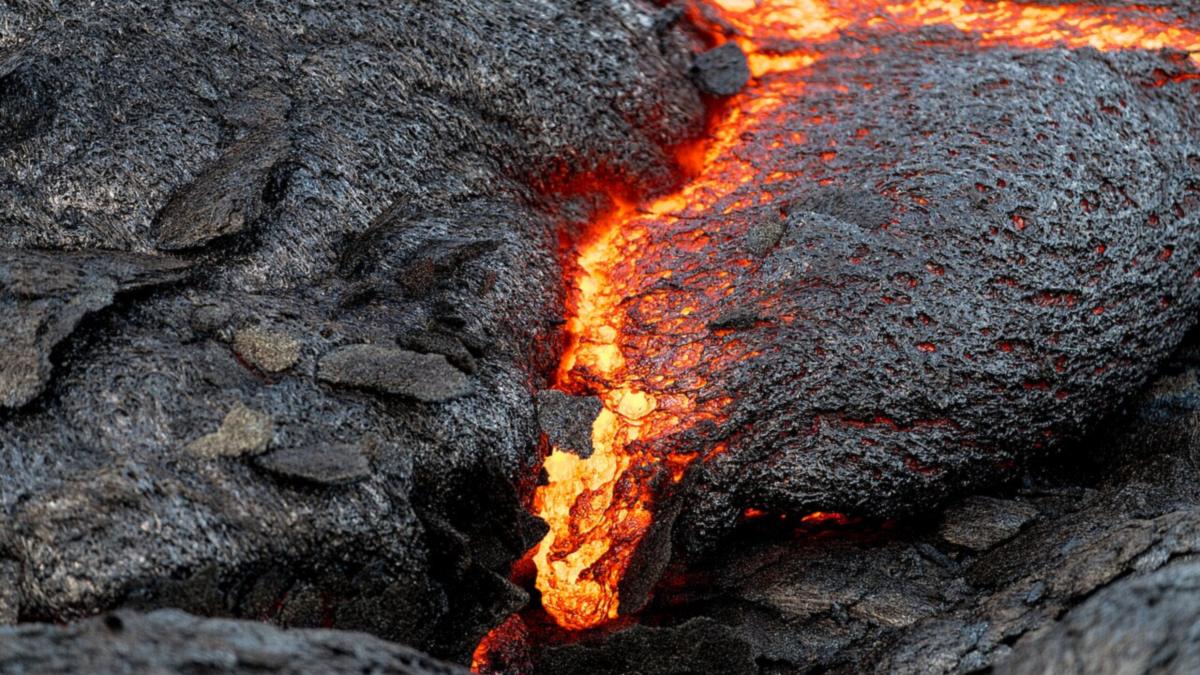
Lava starts cooling the moment it erupts, but it does not cool evenly — and that unevenness is the key fact. The surface of a flow, exposed to air, cools fastest and forms a crust, while the lava beneath the crust stays hot and can keep moving: a flow can travel onward under its own hardened roof, insulated by it.
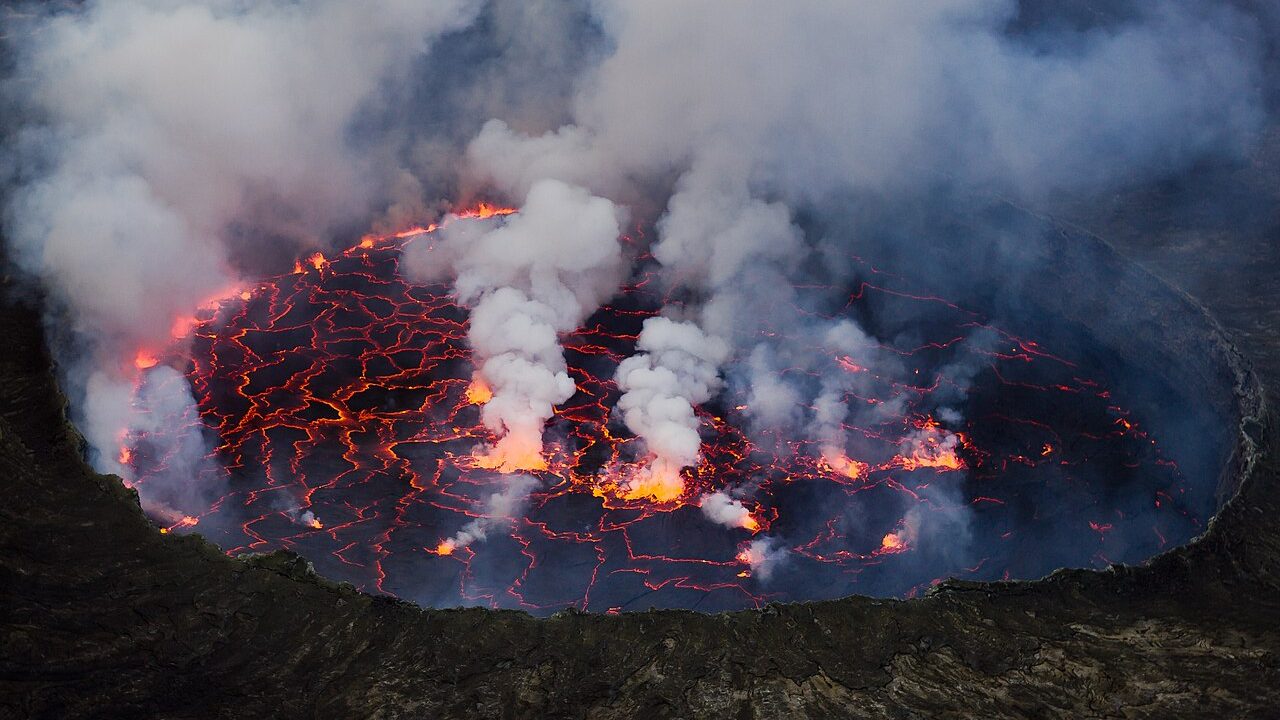
The 1959 Kilauea lake gave scientists a way to test this directly — five months after the eruption stopped, they drilled a hole 12.7 feet into the crust of the solidified lake and measured the temperatures inside, finding the cooling effect of rainfall pronounced only in the upper three and a half feet of the crust. Below that thin skin, the lake was holding its heat. It is the same surface story as what happens when lava reaches the surface in any eruption: a cool exterior is not evidence of a cool interior, which is one reason old-looking flows still deserve respect.
How Scientists Measure Lava Temperature
Two families of instruments do this work, and the reason there are two is the obvious one: lava destroys most things that touch it, and it does not wait around. Thermocouples — heat sensors on the end of a probe — measure temperature by direct contact, put into the flow or, as at Kilauea Iki, down a drilled hole into the cooling crust, where they can record temperatures point by point as the interior cools.
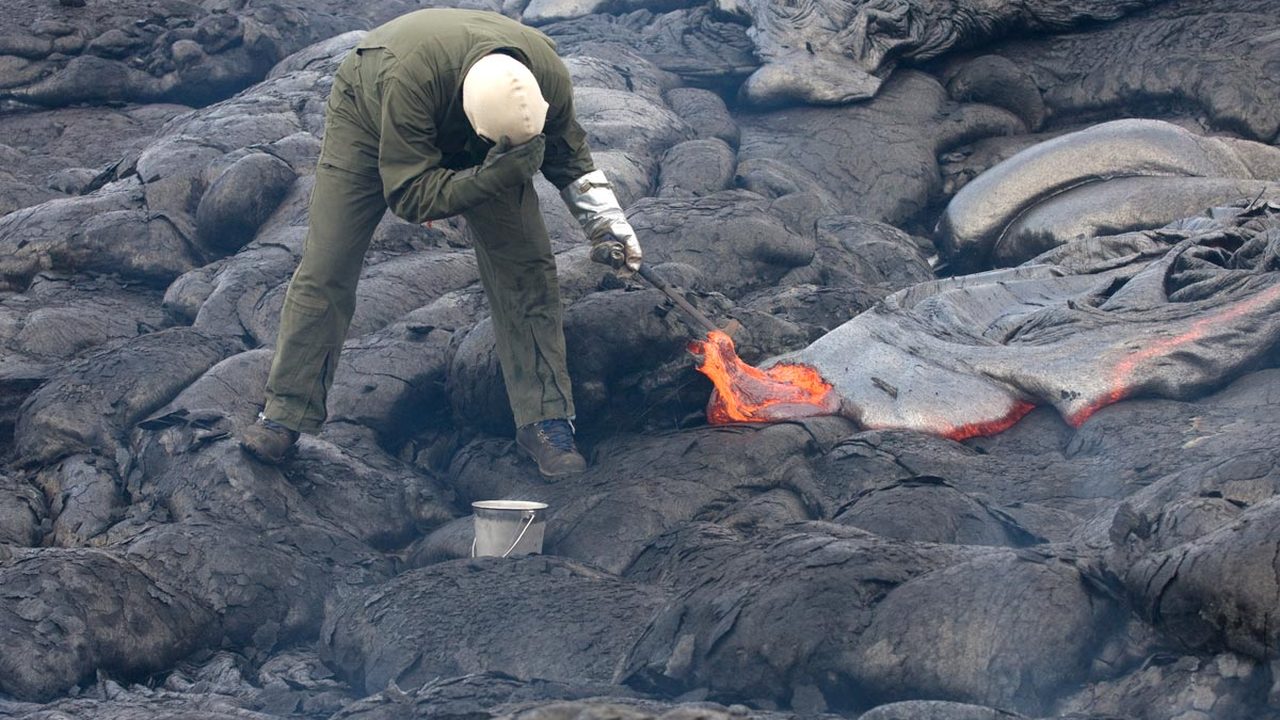
Infrared instruments take the other route and measure from a distance, reading the heat radiating from the surface without touching it — the only option for an active flow too hot and too mobile to approach. Between the two, scientists get both kinds of truth: the crust’s temperature from afar, and the interior’s temperature from within. Every number in this article ultimately comes from measurements like those — including the 1959 readings, taken inside a lake of lava that had been liquid five months earlier.
Frequently Asked Questions
Basaltic lava. It erupts at 1,100–1,250°C (2,010–2,280°F), the top of the common range — the USGS gives that band for volcanoes producing basaltic to basaltic-andesite magmas. The hottest lava is also the runniest: low silica, high temperature, easy flow.
Not on the numbers in our sources — and notice the comparison the USGS itself sets up. The hottest erupting lava reaches about 1,250°C, while merely melting the raw materials for glass takes around 1,320°C. Lava sits below even that threshold. It will burn, bury, and destroy a very long list of things, and it melts what it touches among materials with lower melting points — but “lava melts everything” is a movie claim, not a measured one.
Use the anchors from the USGS comparisons rather than a bonfire guess this article cannot source. A home oven at full stretch is about 260°C — roughly a quarter of the way to magma temperature. A pizza oven, at 370–540°C, is about as hot as an average pyroclastic flow. Erupting lava, at 800–1,250°C, is hotter than everything in a kitchen by a factor of two to five.
Yes — from the outside in. Its surface cools first and forms a crust, while lava beneath the crust stays hot and keeps moving, insulated by its own roof. Five months after the 1959 Kilauea eruption, the cooling effect of rainfall reached only the upper three and a half feet of the crust of its lava lake; the interior below was still holding its heat.