Book Press Tours: How They Work (From an Insider)

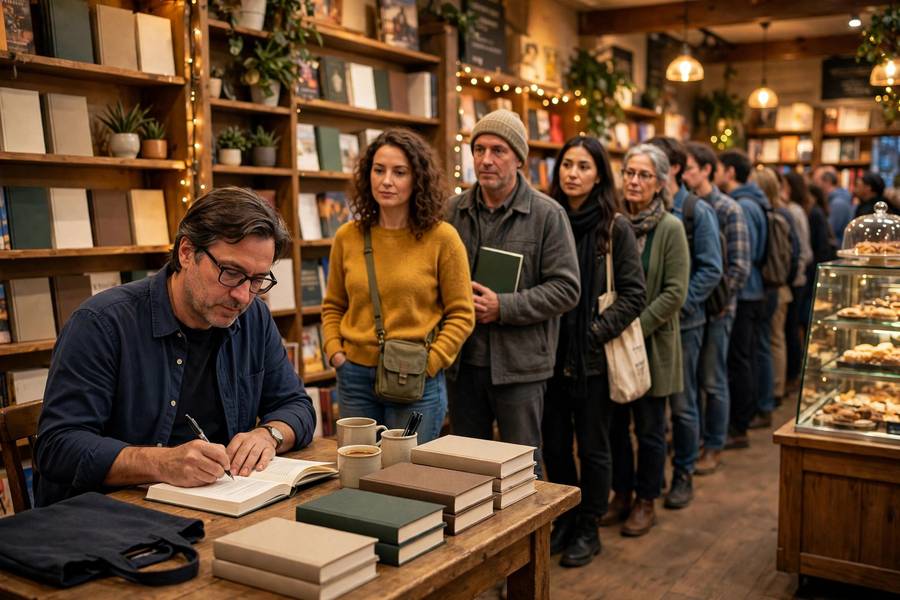
People picture a book press tour as a glamorous reading series. Having trailed several, I can tell you it is closer to a political campaign with better lighting. The author wakes in a new city, does a morning show at dawn, signs books at noon, records a podcast at three, and reads to a packed bookstore at seven. Then the alarm goes off and it happens again somewhere else. How book press tours work is a masterclass in modern publishing economics, and it is nothing like the fantasy.
Here is the machinery, from someone who has watched it up close.
Why Publishers Still Pay for Tours
In an age of algorithms, flying an author to twelve cities seems quaint. Publishers do it because books are still sold by human enthusiasm, and nothing manufactures enthusiasm like a room full of people who met the author. A great event creates evangelists. Each attendee tells friends, posts photos, and pre-orders the next one. The tour is not really selling this book. It is building the audience for the career.
The economics are selective. Big tours go to big bets: lead titles, celebrity authors, books with breakout potential. Midlist authors get regional tours or virtual ones. Debut authors get a launch event and hope. I have seen publishers spend tour money like venture capital: most bets return modestly, one in ten explodes, and the explosion pays for everything. The tour is the bet.
There is also a media logic. Local press still covers visiting authors, morning shows still book them, and bookstores still hand-sell to regulars who trust the staff. The tour aggregates dozens of small media moments into something that looks like a movement. Algorithms notice movements.
The Anatomy of a Tour Day
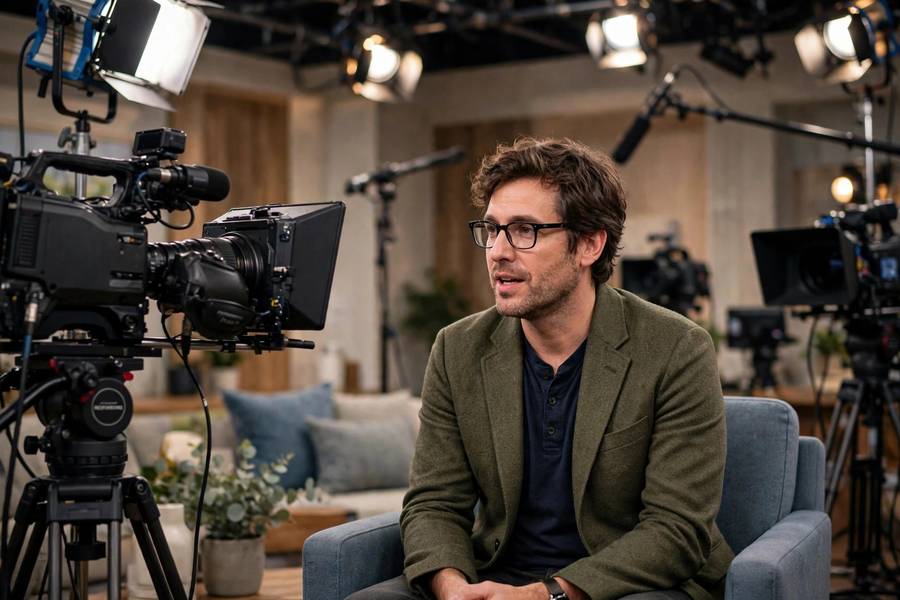
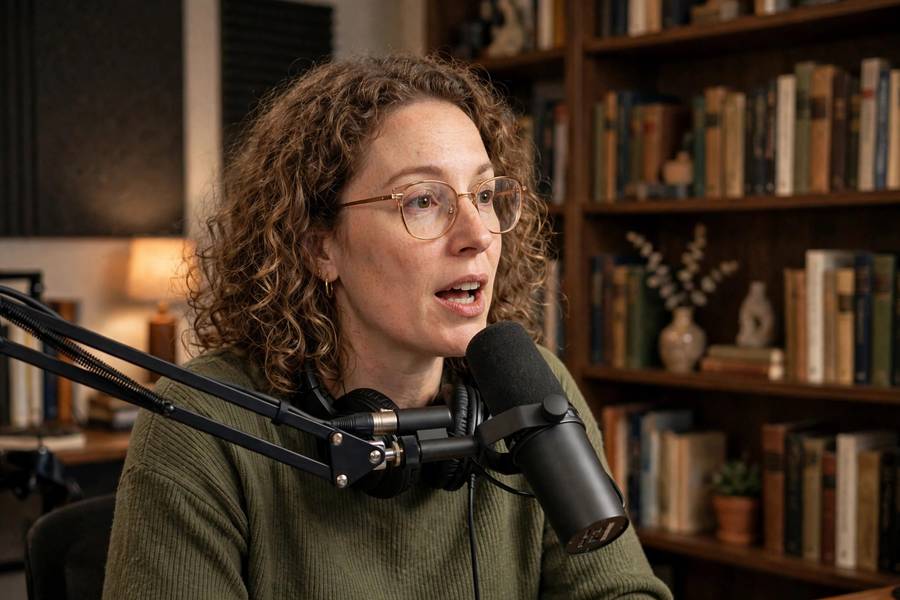
A tour day is engineered to the quarter-hour. Wake in the hotel, car to the morning show or local radio, where the author does the same five-minute interview they will do in every city, customized with one local detail. Then print or podcast: a longer conversation, thirty to sixty minutes, where the real selling happens. Lunch is working: an interview over food, or a bookseller lunch where the author charms the people who will hand-sell the book for months.
Afternoon is the signing or the reading prep. The evening event is the centerpiece: a reading, a conversation with a local moderator, an audience Q&A, and then the signing line. The signing line is where tours are won. I have watched authors sign for two hours, personalizing every book, remembering names, making each reader feel seen. Those readers become the street team. The ones who got a rushed signature become nothing.
Then sleep, ideally, and a 5 a.m. flight. The schedule I have seen most often is five to six cities in seven to ten days, which is punishing by design. Momentum matters. A tour that loses steam loses coverage.
How Cities Get Picked
Tour cities are not picked by charm. They are picked by sales data, media markets, and bookstore muscle. New York and Los Angeles are near-mandatory for national media. Then come the big book cities: Chicago, San Francisco, Seattle, Boston, Austin, Washington. Each has powerhouse independent bookstores that can move serious numbers and generate the photos and lines that make a tour look successful.
The publisher’s sales team drives the routing. Cities where the author’s previous books sold well get priority. Cities with strong NPR affiliates and morning shows get priority. And the author’s own connections matter: a hometown stop, a city where they have a following, a festival that guarantees a crowd. I have seen tours routed around a single great bookstore, because one legendary event is worth three mediocre ones.
International legs follow the same logic at larger scale: London, then the continent if the book has translation deals. The biggest authors tour like rock bands. The logistics are not dissimilar.

The Media Mix: Old and New
The modern book tour runs on a media mix that would have been unrecognizable twenty years ago. The old pillars remain: morning television, public radio, print features, bookstore events. But the new pillars do the heavy lifting for anyone under forty: podcasts, BookTok creators, Instagram Live, newsletter swaps. I have watched a single enthusiastic BookTok video outsell a morning show segment, and publishers have noticed.
The smartest tours sequence the mix. Podcasts record early so episodes drop during the tour. Local TV hits the day of the event. Bookstore events generate the social content. National press is saved for launch week. It is a campaign calendar, and the publicist is the campaign manager. The authors who understand this, who show up prepared for every format, get exponentially more from the same itinerary.
Virtual events are now permanent infrastructure. They do not replace the tour, but they extend it: a virtual stop for every city that did not make the routing, recorded once and replayed everywhere. The hybrid tour is the new normal.
Does It Actually Sell Books?
The honest answer is: it depends on the author. For celebrity authors and big lead titles, tours measurably move numbers in tour cities, and the halo lasts for weeks. For midlist authors, the return is softer: relationships with booksellers, a mailing list, practice, and the intangible asset of having toured. I have seen debut authors come home from modest tours with careers that lasted, because the booksellers remembered them.
The failure mode is the joyless tour: an author who clearly does not want to be there, rushing signings, phoning in interviews. Readers can tell, and it poisons the well. The tours that work share one trait: the author treats every stop like it matters, because to the people in the room, it does. For the celebrity version of this grind, see what a press tour is and the best celebrity interviews that came out of them.
A book tour is twelve cities, a hundred interviews, and one repeated act of faith: that showing up still matters. In publishing, it does. The authors who act like it tend to be the ones still touring ten books later.
Meeting the Author: The Fan’s Playbook
If you want to meet an author on tour, the playbook is simple and the rewards are real. Watch the publisher’s announcements and the author’s socials for routing news, which usually drops four to six weeks out. Bookstore events are the gold standard: intimate, ticketed or free with purchase, with a signing line where you actually talk. Arrive early. The front of the signing line gets conversation. The back gets a signature.
Bring the right book, or buy one there. Authors notice, and bookstores remember who supports the event. Have one thing to say, not a speech: the line is long and the author is tired, but a genuine sentence about what the book meant to you will be remembered longer than any gift. I have watched authors light up at the fiftieth sincere comment of the night. Sincerity scales.
And manage your expectations with kindness. The author at the end of a tour day is running on fumes, and the grace they show you costs them something. Be the easy interaction, the one that recharges instead of drains. For the celebrity version of tour access, my guide to meeting celebrities covers the reality of fan encounters, because the dynamics of fame are the same whether the star writes books or headlines films.
The publisher routes the author through selected cities for morning shows, radio, podcasts, bookstore events, and signings — typically five to six cities in seven to ten days. Each day mixes broadcast media, print, and an evening public event with a signing line.
By sales data, media market size, and bookstore strength. New York and LA cover national media; cities like Chicago, Seattle, Boston, and Austin have powerhouse indie bookstores. Previous sales and the author’s connections also shape routing.
Many find them grueling but rewarding. The schedule is punishing — dawn media, evening events, early flights — but direct reader contact builds the loyal audience that sustains a career. Attitude is the variable that matters most.
For big titles, tours measurably lift sales in tour cities with a halo effect. For midlist and debut authors, the return is softer: bookseller relationships, mailing lists, and long-term audience building rather than immediate numbers.
A physical tour puts the author in rooms with readers and local media; a virtual tour extends reach to cities off the routing through online events. Most modern tours are hybrid, using virtual stops to supplement the physical itinerary.
Watch for routing announcements 4-6 weeks out, target bookstore events, arrive early for the signing line, bring or buy the book, and have one genuine sentence ready. Be the easy interaction — tour-day authors run on fumes.