How Many Cities Are on a Typical Press Tour?


Watch a press tour unfold on social media and it looks like the star is teleporting: Los Angeles on Monday, London on Wednesday, Seoul by the weekend. The actual routing is less magical and more calculated. How many cities are on a typical press tour is a question with a real answer, and the answer reveals how the global film business decides where attention is worth buying.
The Number: Five to Twelve
A typical major-film press tour hits five to twelve cities. The domestic leg is usually two to three: Los Angeles and New York are near-certain, with occasional additions like Chicago or Miami for specific audiences. The international leg is three to nine cities depending on the film’s global ambitions. Blockbusters push the top of the range. Mid-size films sit at the bottom. Indies might do two cities and call it a tour.
The number has grown over the decades as international box office grew. When overseas markets were an afterthought, tours were domestic affairs. Now international can be the majority of a film’s revenue, and the routing reflects it. I have seen tours where the international leg dwarfed the domestic one, with the stars spending more nights in Asia and Europe than in America.
There is also a practical ceiling. Beyond about twelve cities, the human cost exceeds the marketing return. The talent breaks down, the coverage starts repeating itself, and each additional city costs more than it earns. Twelve is roughly where the math turns.
The Core Three: LA, New York, London
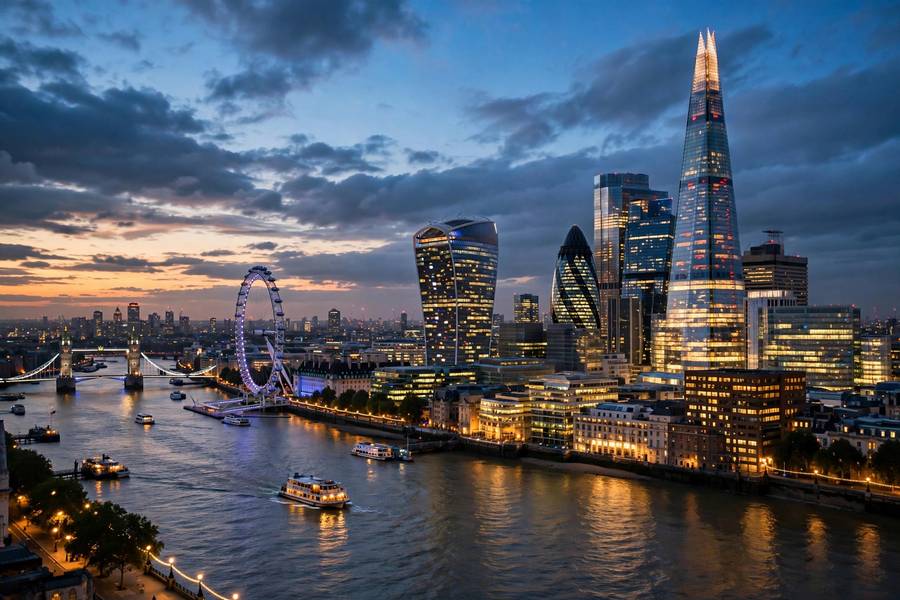
Three cities are the immovable core. Los Angeles is home base: the junket often happens here, the premiere usually happens here, and the entertainment press lives here. New York is the media capital: morning shows, late-night, print features, the cultural conversation. London is the gateway to Europe and a media market unto itself, with premieres that rival LA for glamour.
These three are non-negotiable for a major release because each serves a different function. LA is the industry. New York is the media. London is the world stage. Skip one and you leave a pillar of the campaign unbuilt. I have seen films try to economize by skipping London, and the European coverage always suffers. The core three earned their status through decades of results.
The order varies. Some tours start in London for the European premiere, then cross to LA and New York. Others do the domestic leg first. The routing is logistics as much as strategy: where the talent is, where the premiere plays best, where the time zones cooperate.
The Second Tier: Where Films Are Won
Beyond the core three, the second tier is where tours are won or lost. Paris, Berlin, Madrid, Rome: the European markets with distinct press cultures and loyal audiences. Seoul and Tokyo: the Asian markets where fan events draw crowds that humble American premieres. Sydney, Mexico City, São Paulo, Toronto: each with its own media ecosystem and box office weight.
The second tier is chosen by numbers: box office history for the genre, the strength of local press, the size of the fanbase. Action films prioritize different cities than romantic comedies. I have seen routing decks that look like military planning, with each city’s projected value scored and ranked. Sentiment plays no role. The spreadsheet decides.
What is fascinating is how the second tier has shifted east. Twenty years ago, the international leg was Europe plus a stop or two. Now Seoul and Tokyo are often the emotional center of a tour, with fan events that generate the defining images. The center of gravity moved, and the routing followed.

How Each City Earns Its Stop
Every city on a tour has to justify its existence, because every stop costs real money: flights, hotels, venues, security, the team’s time. The justification is a mix of media value and box office value. Media value means the outlets based there and the coverage they generate. Box office value means the tickets the local audience buys. A city with great press but small audiences might lose to a city with weak press but massive ticket sales.
Festivals complicate the math in a good way. A stop timed to a festival gets the festival’s media glare for free, which is why you see tours routed through Cannes, Venice, and Toronto in season. The festival is a force multiplier: one appearance reaches the press of twenty countries. Smart publicists build tours around these multipliers.
Relationships matter too. A beloved local premiere venue, a morning show that always delivers, a fanbase that shows up in costume: these intangibles tip close calls. The spreadsheet decides, but the stories help.
What It Looks Like From the Ground
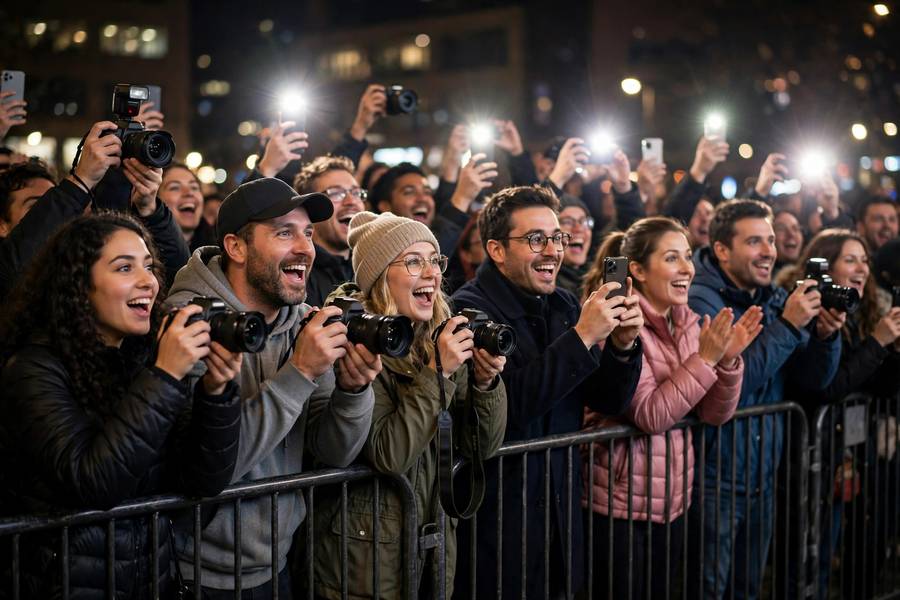
From the fan’s perspective, the tour is a lightning strike: announced, descended upon, gone. If your city made the list, you get the photocall crowds, the premiere barriers, the morning show taping. If it did not, you get the livestream. I have stood in both crowds, and the energy of a tour stop is real. For a day, the global machinery touches down and the city feels like the center of the story.
The best fan advice I can give is to watch the routing announcements early and plan around the free events: photocalls, fan premieres, public appearances. The ticketed premiere is the spectacle, but the free events are where the access is. And if you want to understand the odds of a sighting, my guide to meeting celebrities covers the reality, while what a press tour is explains the machine overhead.
Five to twelve cities, chosen by spreadsheet, experienced as magic. The tour routing is the film business in miniature: global, calculated, and occasionally, in the right city on the right night, genuinely thrilling.
The LA Stop: More Than a Premiere
The Los Angeles leg of a tour is the one I know best, and it is the strangest. This is the industry’s hometown, which means the premiere is a workplace event as much as a celebration. The audience is full of people who will work with the talent next year. The afterparty is networking. I have watched careers advance in the forty-five minutes after an LA premiere, in conversations that had nothing to do with the film.
LA is also where the tour touches the mythology. The Chinese Theatre forecourt, the Walk of Fame underfoot, the hills in the background of every photo: the city is a set, and the tour plays it. Fans who come to the LA stop are not just seeing a premiere. They are seeing the premiere in the place where premieres were invented, and the symbolism does half the work.
If you are planning around the LA leg, build in the sightseeing. The Hollywood Walk of Fame explained guide covers the stars under your feet while you wait at the barriers, because the wait is long and the terrazzo is famous. The LA stop is a premiere, a workplace, and a pilgrimage, all at once.
Five to twelve for a major film: two to three domestic (usually LA and New York) plus three to nine international. Blockbusters push higher; mid-size films sit lower; indies might do two.
Los Angeles, New York, and London form the immovable core — the industry, the media capital, and the gateway to Europe. Each serves a distinct campaign function.
By box office history for the genre, local media strength, and fanbase size — scored like an investment. Festivals are force multipliers, and relationships with venues and outlets tip close calls.
International box office is now often the majority of a film’s revenue. Seoul, Tokyo, Paris, and other major markets have distinct press cultures and massive audiences that justify the travel.
Many tour events are public: photocalls, fan premieres, and outdoor appearances. Watch routing announcements early and target the free events, where access is best.
It is the industry’s hometown: the premiere doubles as a workplace event and networking, and the city’s mythology — Chinese Theatre, Walk of Fame — turns the stop into a pilgrimage. Fans get symbolism with their spectacle.
Rarely for film. The routing follows media markets and box office weight, which concentrates on major cities. Authors on book tours hit smaller markets far more often, because a great indie bookstore in a small city can move serious numbers.
The UK, anchored by London, is the near-universal second market. After that it depends on the film: South Korea and Japan for blockbusters with massive fan cultures, then France, Germany, and Spain for European reach.