How Do Celebrity Press Tours Work? The Full Breakdown

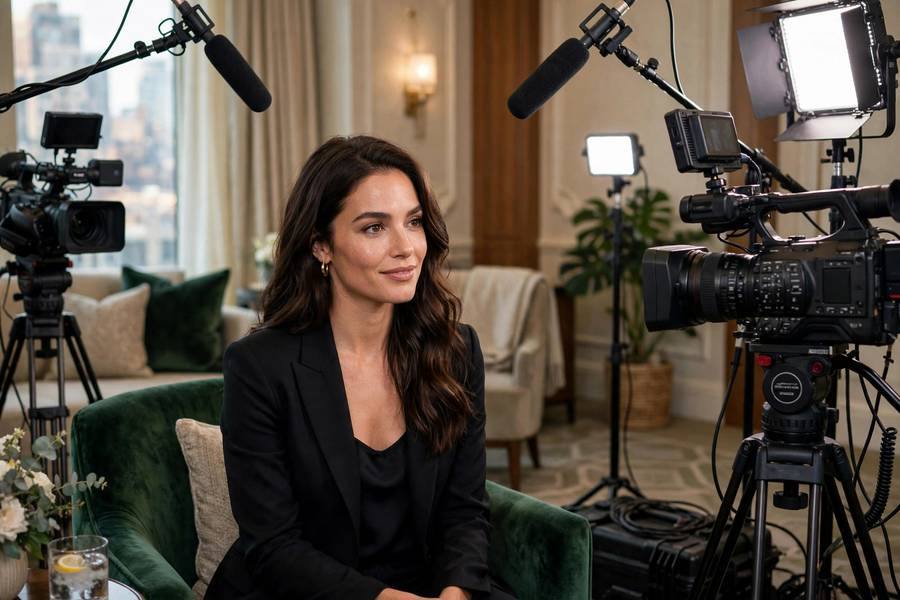
I have been on the edges of enough press tours to know they look nothing like the movies suggest. There is no montage. There is a spreadsheet, a publicist with three phones, a stylist with garment bags, and a star running on adrenaline and dry shampoo. How celebrity press tours work is a question with a mechanical answer, and once you see the machinery, you never watch a junket interview the same way again.
Here is the full breakdown, from the planning to the last flight home.
The Planning: Months Before
A press tour is planned months before it happens, in parallel with the film’s release strategy. The studio’s publicity department builds the calendar around the release date, working backward: premiere week, then the tour, then the junket, then the long-lead press. Talent availability is the hardest variable. A-list schedules are Tetris, and the tour has to fit between projects, which is why dates sometimes look insane.
The media list is built like a campaign target list. Top-tier outlets get the exclusives and the long interviews. The junket handles the volume: dozens of outlets in a day. International is layered by market importance, with London usually anchoring the European leg. Every stop is negotiated: which outlets, which talent, how long, what is on the record. Nothing about a tour is accidental, including the parts designed to look spontaneous.
Budgets are real money. Travel, hotels, glam, styling, and the publicity team’s time add up fast, which is why tours scale with the film’s ambitions. A blockbuster gets the world. A mid-size film gets regions. An indie gets a premiere and hope.
The Junket: The Heart of the Machine
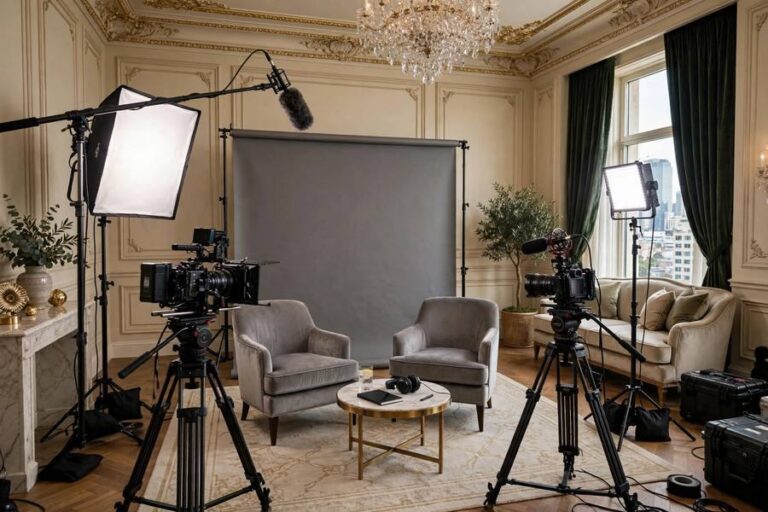
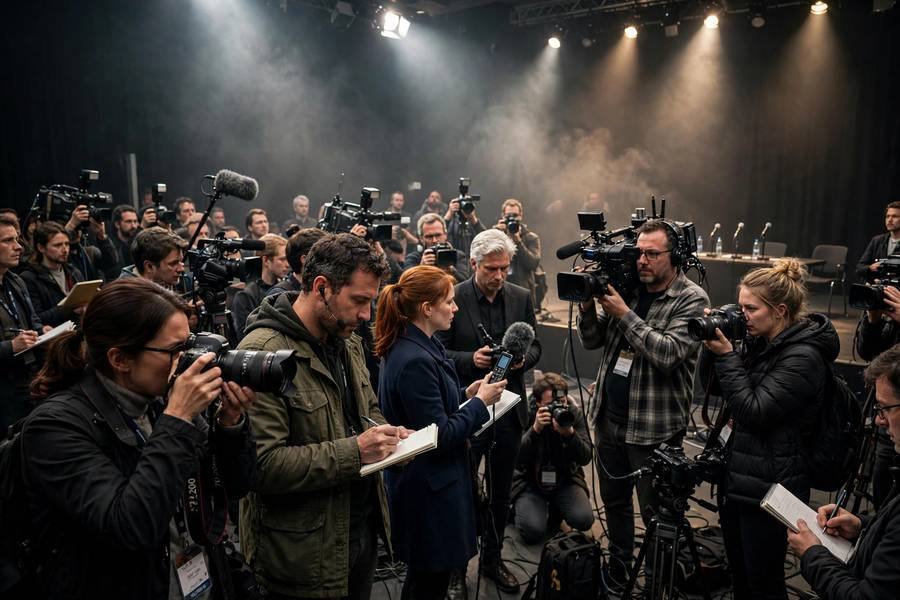
The junket is the engine room. Picture a luxury hotel given over to the film for a weekend: suites converted into interview rooms, a ballroom for the roundtables, corridors full of journalists waiting their turn. The talent sits in one room while the press rotates through in four-to-eight-minute increments. Fifty interviews in a day is normal. I have seen days that ran past sixty.
The choreography is precise. Each journalist gets a slot, a handler escorts them in and out, and the publicist watches the clock. The talent gets breaks that are not really breaks: touch-ups, water, a reset before the next wave. Food appears and disappears. By hour six, the answers are muscle memory. By hour eight, the smile is structural. And yet the fortieth interview has to feel like the first, because for that journalist’s audience, it is.
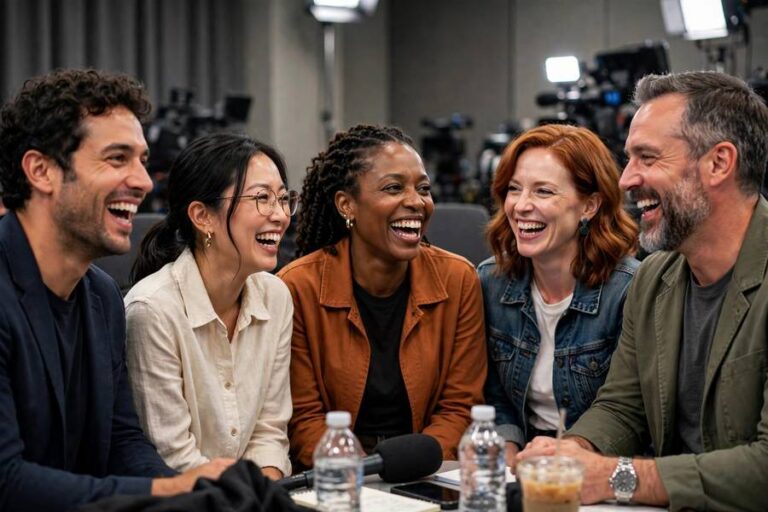
Roundtables are the variation: four or five journalists around a table with the talent for twenty minutes, more conversational, slightly more human. The talent usually prefers them. The publicists prefer the control of one-on-ones. The eternal compromise is a mix of both.
The Tour Dates: City by City
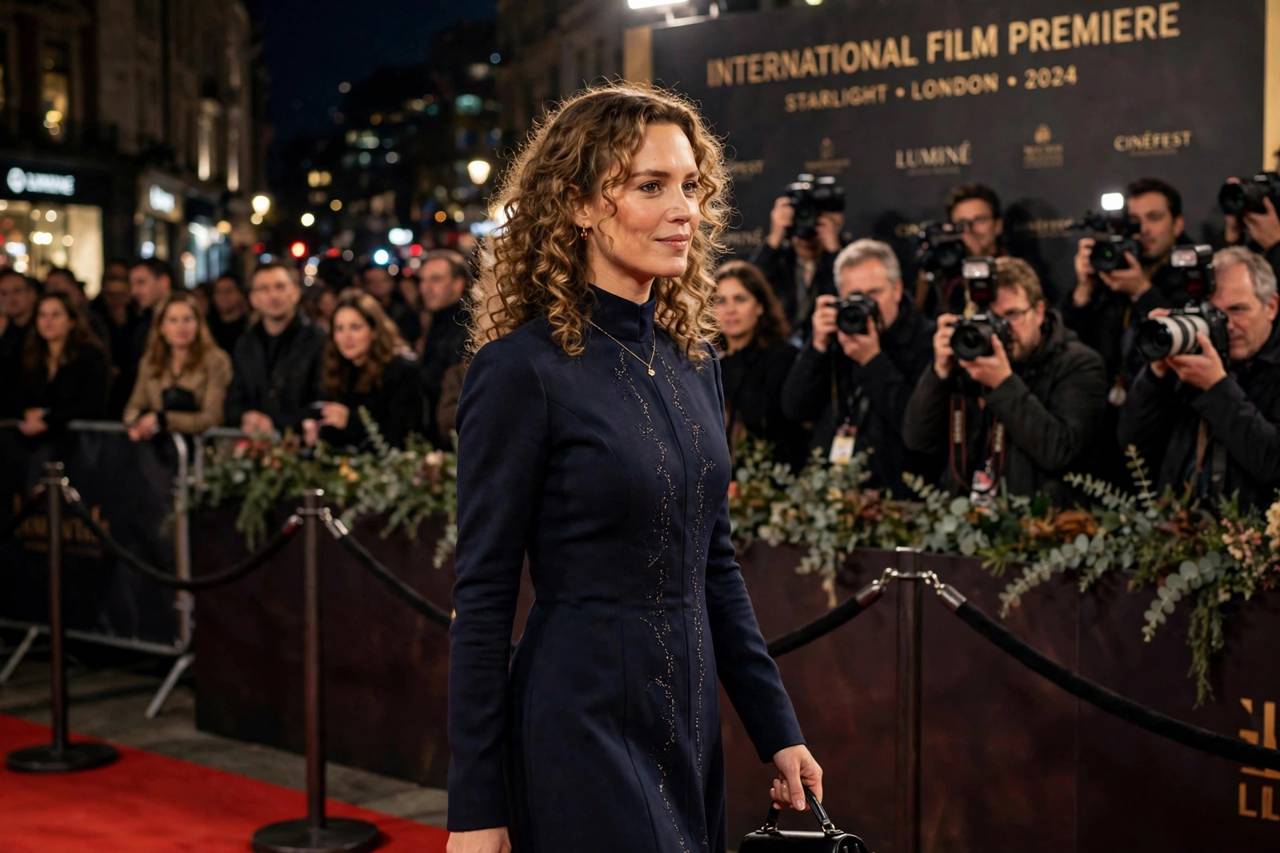
After the junket, the tour goes mobile. The typical major-film routing hits Los Angeles, New York, and London at minimum, then adds markets by importance: Paris, Berlin, Madrid, Rome, Seoul, Tokyo, Sydney, Mexico City, São Paulo, Toronto. Each city gets a version of the same program: photocall, press conference or select interviews, a premiere or fan event, morning show hits.
The days are brutal by design. Land, photocall, interviews, premiere, afterparty, sleep four hours, fly. I have seen tour schedules that allowed ninety minutes of sleep between cities, and the talent did it smiling because the photos last forever and the exhaustion does not. The glam team deserves combat pay. They are up before the talent and done after, every single day.
Fan events are the newer addition and the smartest one. A screaming crowd in a plaza generates the social content that traditional press cannot. The studios have learned that a thousand phones filming is worth more than a dozen reviews. The tour now plays to the crowd as much as to the press.
The Team Around the Star
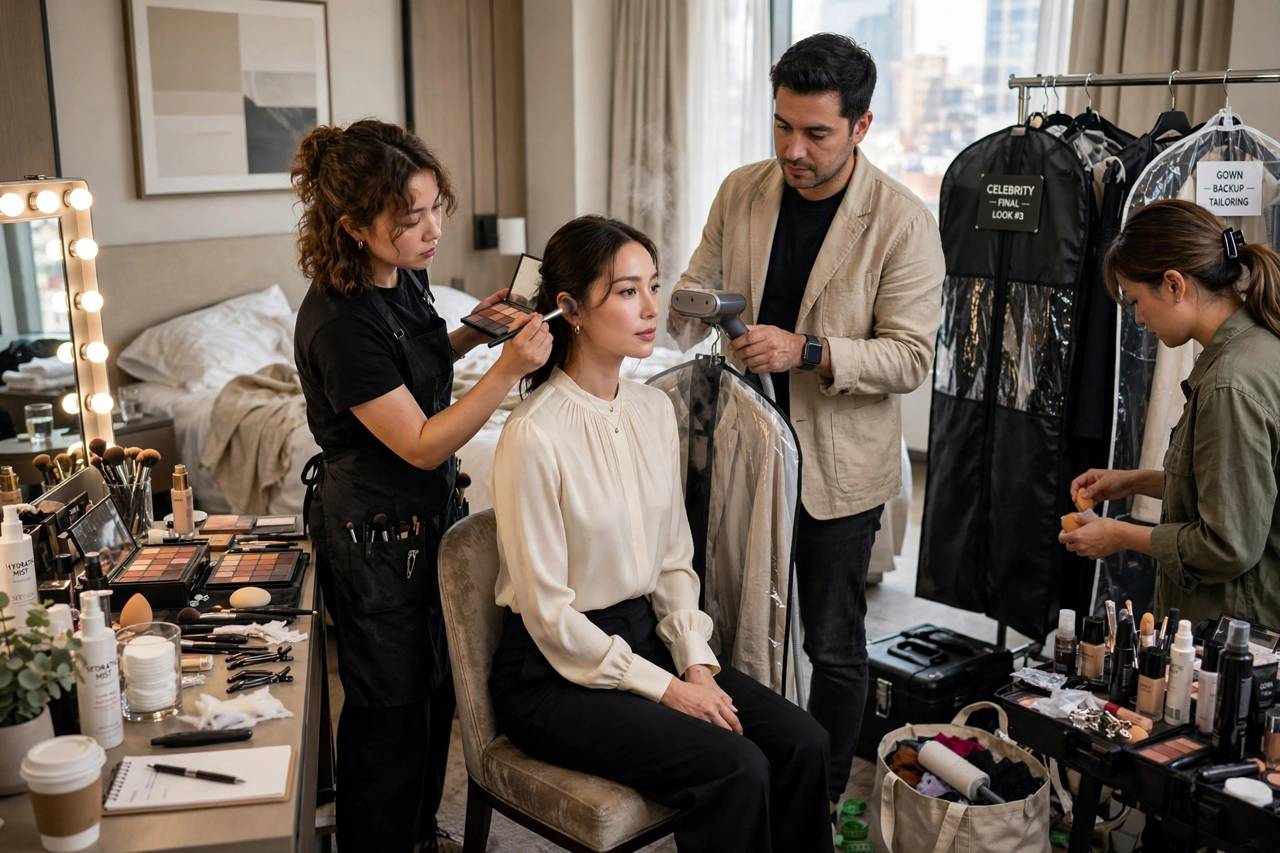
No star tours alone. The minimum viable team is a publicist, a stylist, a hair and makeup artist, and an assistant. Bigger tours add a second publicist, a groomer, security, and a studio publicity executive riding along. Each has a job that is invisible when done well. The publicist manages the press and the clock. The stylist manages the looks and the emergencies. The glam team manages the impossible: making someone look rested on no sleep.
The handlers are the unsung heroes. They move the talent between rooms, manage the transitions, keep the energy up, and absorb the stress so the star does not have to. I have watched handlers solve problems in seconds that would have derailed a day: a missing garment, a late car, a journalist asking something off-limits. The tour runs on their competence.
Everyone on the team is running the same brutal schedule as the star, with less glory and less pay. The good tours are the ones where the team likes each other. You can feel it in the room.
The Endgame: What It All Buys
What does it all buy? Coverage, at a volume no other marketing can match. Hundreds of interviews, thousands of photos, weeks of social content, all timed to the release. The tour is the loudest instrument in the marketing orchestra, and for big films it is irreplaceable. The correlation with opening weekends is why the machine persists through every complaint about it.
It also buys something less measurable: the cultural moment. A great tour makes a film feel like an event, and events get seen. The interviews become content, the looks become trends, the moments become memes. The film stops being a product and becomes a conversation. That is the real endgame, and it is worth every 5 a.m. flight. For the pieces of the machine, see what a press tour is, what a press junket is, and the best celebrity interviews the system produced.
A spreadsheet, three phones, garment bags, and dry shampoo. That is how celebrity press tours work: industrial-scale charm, executed by exhausted professionals, in service of opening weekend. It is absurd and it is effective, which is the most Hollywood sentence I have ever written.
The Fan’s Window Into the Machine
For fans, the machine has windows, and knowing where they are changes everything. The photocall is the most accessible: free, public, and designed for cameras, which means designed for you. The premiere barriers are the classic: arrive hours early, bring patience, and you may get thirty seconds that you will remember for years. The morning show taping is the insider’s choice: smaller crowds, longer access, real proximity.
What the machine wants from fans is energy. The screaming crowd is not an accident; it is part of the production. Fan events are staged for the cameras that film the fans, and your enthusiasm becomes the content. This is not cynical. It is symbiotic. The tour needs the crowd, the crowd wants the star, and everybody gets what they came for.
The realistic expectations matter. You will probably not have a conversation. You might get eye contact, a wave, a photo from a distance. And that is enough, because the memory is the product. For the full reality check on access, my guide to meeting celebrities covers what actually works, from the premiere barriers to the strategies nobody talks about.
Months of planning produce a routed itinerary: a press junket (dozens of short interviews in a hotel over a weekend), then city-by-city tour dates with photocalls, premieres, and morning shows — all timed to the film’s release and executed by a team of publicists, stylists, and handlers.
Talent sits in a hotel suite while journalists rotate through in four-to-eight-minute interview slots — often fifty or more in a day — plus roundtable sessions. It is the highest-volume, most grueling part of the tour.
Typically two to four weeks for a major film, covering Los Angeles, New York, London, and additional international markets. The schedule means fifteen-hour days, constant travel, and minimal sleep.
At minimum a publicist, stylist, hair and makeup artist, and assistant. Larger tours add security, additional publicists, and a studio publicity executive. Handlers manage the minute-to-minute logistics.
Because the coverage volume correlates with opening weekend performance. Hundreds of interviews, photos, and social moments timed to release create a cultural event around the film that no other marketing matches.
Target the free windows: photocalls (public, camera-friendly), premiere barriers (arrive hours early), and morning show tapings (smaller crowds, real proximity). Bring energy — the crowd is part of the production — and expect moments, not conversations.