Is a Eurail Pass Worth It in 2026? (Honest Cost Breakdown)

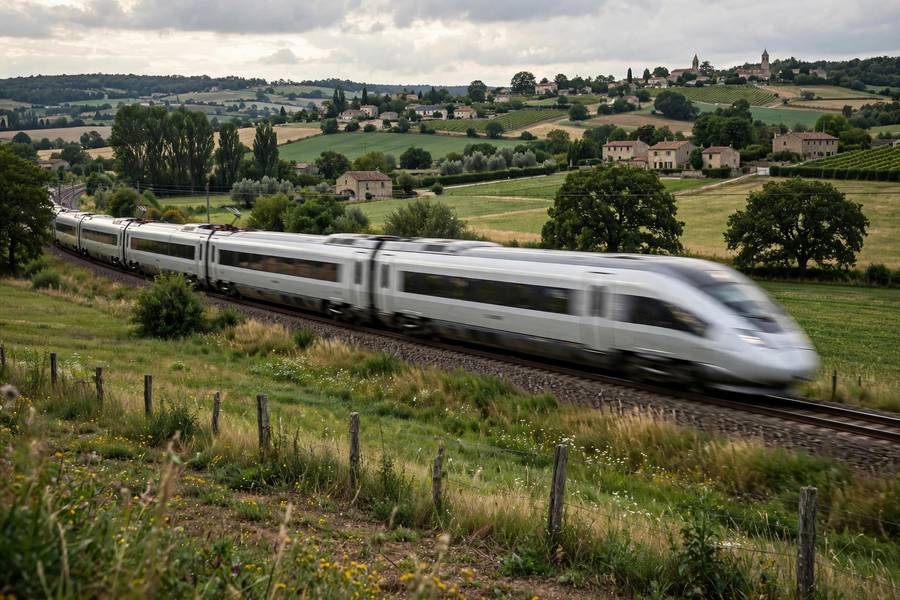
The Eurail Pass is Europe’s most romanticized travel purchase — and its most misunderstood. I’ve bought three (and skipped it twice), and the honest answer is: sometimes it’s a steal, sometimes it’s a donation to the railway. The difference is entirely in your itinerary, and the marketing won’t tell you which one you have.
This is the no-nonsense breakdown: the actual 2026 prices, the real math (pass vs. point-to-point tickets, with reservation fees included), the five itineraries where it wins, the five where it loses, and the hidden costs that surprise everyone.
For the how-to, see our how to use a Eurail Pass and the Eurail vs. InterRail comparison.
The 2026 Prices: What Passes Actually Cost
The Eurail Global Pass (33 countries) 2026: 4 days in 1 month — $281 (youth $211, senior $253); 7 days in 1 month — $372; 10 days in 2 months — $449; 15 days in 2 months — $553; 22 days continuous — $677; 1 month continuous — $836. First class adds ~25%. One-country passes run $150–300 depending on country and days. (Prices fluctuate with exchange rates; check the current EUR/USD.)
The key distinction: flexi passes (X days in Y months — travel days you choose) vs. continuous (every day counts). The flexi is the right choice for 90% of travelers — you won’t take trains every day, and the rest days (exploring cities on foot) shouldn’t burn pass days. The continuous only wins for the hardcore (a train every single day).
Who it’s for: non-European residents (that’s the Eurail rule — Europeans buy InterRail, same product, different name). Under-27s get the youth discount (~25% off — the best deal in the pass system). Over-60s get ~10% off. Kids under 12 travel free with an adult (two kids per adult pass).
The Math: 5 Itineraries Where It Wins
The Grand Tour (wins big): Paris → Amsterdam → Berlin → Prague → Vienna → Rome in 14 days (6 travel days, 10-day flexi $449). Point-to-point advance tickets: ~$600–700. Pass + reservations (~$80): ~$530. Savings: $100–150, plus the flexibility (miss a train, catch the next — no rebooking fees). The classic Eurail itinerary is classic because the math works.
The Scandinavia loop (wins): Oslo → Bergen → Stockholm → Copenhagen — expensive countries, expensive trains. 4-day flexi ($281) vs. point-to-point (~$400+). The Norwegian railways alone justify it. Plus the scenic trains (Flåm, Bergen line) are included — the pass covers the most beautiful rail journeys in Europe.
The multi-country sprint (wins): 7 cities in 10 days across 4+ countries — the pass’s flexibility (no advance booking, hop on/off) is worth the premium even when the raw math is close. The value isn’t just money; it’s the freedom to change plans. (Though: the sprint itinerary is usually a mistake — see below.)
The Benelux + Germany + Switzerland (wins on Switzerland): Swiss trains are brutally expensive point-to-point ($100+ for short hops); the pass tames them. Any itinerary heavy on Switzerland, Scandinavia, or the UK justifies the pass on those legs alone.
The youth grand tour (wins biggest): under-27, 15 days, 5+ countries — the youth 10-day flexi ($337) vs. $500+ point-to-point. The Eurail was designed for this traveler, and 50 years later it’s still the best deal in the system.

5 Itineraries Where It Loses (Don’t Buy)
The single-country slow trip (loses): 2 weeks in Italy, only Italy — the one-country pass ($200+) vs. advance Trenitalia tickets (Rome–Florence $20, Florence–Venice $25 — Italy’s advance fares are absurdly cheap). The pass costs double. Rule: if you’re staying in one country with cheap advance fares (Italy, Spain), skip the pass.
The Eastern Europe trip (loses): Prague → Budapest → Kraków — trains are $15–30 point-to-point, total under $100. The cheapest Eurail pass is $281. The math isn’t close. Eastern Europe’s trains are so cheap the pass is pointless — buy as you go. how to plan a Europe trip
The advance-planner’s fixed itinerary (loses): if your dates are locked and you book 2–3 months ahead, the budget airlines + advance train tickets (Eurostar $50, TGV $30–50, ICE $30–40) beat the pass. The pass’s value is flexibility; if you don’t need flexibility, you don’t need the pass. when is the best time to book flights
The mostly-flying trip (loses): 3 cities in 10 days with flights between them — the pass covers trains you’re not taking. Obvious, but people buy it anyway (‘for the vibe’). The vibe costs $281+.
The UK + Ireland only (loses on reservations): the pass works, but Britain’s reservation system and the ferry logistics eat the savings. A BritRail pass or advance tickets usually win for UK-only trips.
The Hidden Costs: Reservations, Supplements, Gotchas
Seat reservations: the pass covers the fare, not the seat — and on high-speed trains (TGV, Eurostar, AVE, Frecciarossa) reservations are mandatory ($10–35 each). A 10-day pass with 10 high-speed legs adds $150–300 in reservations. France and Spain are the worst (mandatory, expensive, limited pass-holder seats); Germany and Central Europe are the best (reservations optional, $5).
The pass-holder seat quota: on popular trains (Eurostar, summer TGVs), the number of pass-holder seats is limited — they sell out while regular seats remain. Book reservations the moment your plans firm up (weeks ahead for summer). The Eurail reservation service ($2/booking fee) or the railway’s own site (often cheaper) — compare both.
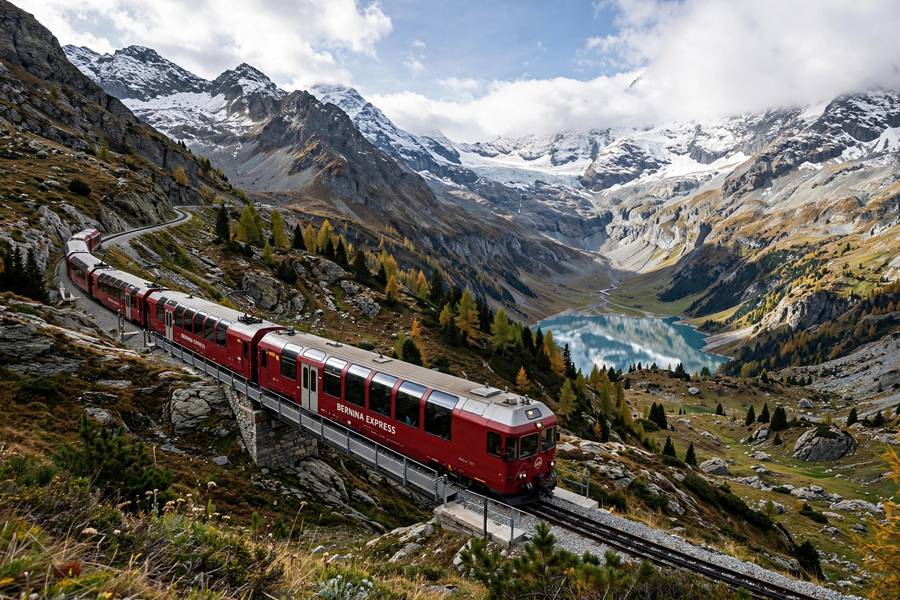
Night trains: the pass covers them, but the sleeping supplement (couchette $30–60, sleeper $80–150) is extra — still cheaper than a hotel + train ticket, and the math usually works. The Nightjet network (Vienna–Paris, Zurich–Amsterdam) is the pass-holder’s best friend. Supplements on scenic trains (Bernina Express $30–70, Glacier Express $50+) — worth it, budget for them.
Eurail vs. Alternatives: The Full Comparison
Vs. budget airlines: Ryanair/EasyJet ($30–80/flight) beat the pass on price for long hops (London–Rome, Paris–Barcelona). But trains win on total time (city center to city center, no 3-hour airport overhead) and experience. The rule: fly the long legs (>6 hours by train), rail the medium ones (2–5 hours — the train’s sweet spot).
Vs. buses: FlixBus ($15–30/leg) is cheaper than everything — the budget king. But 8-hour bus rides are the suffering the pass spares you. Buses for the budget-critical legs, pass for the experience legs. (Or: the bus money saved funds the pass.)
Vs. car rental: for 2 people, the pass usually wins; for 4+, a rental car often wins (split 4 ways, plus the freedom). But European city driving (parking €30–50/day, low-emission zones, manual transmissions) punishes the unprepared. The car wins for rural itineraries (Tuscany, the Scottish Highlands); the pass wins for city-to-city.

How to Decide: The 10-Minute Test
Step 1: list your train legs (city pairs + dates). Step 2: price each leg point-to-point (use Omio or the railway sites, advance fares, 2 months out). Step 3: total them. Step 4: compare to the pass price + estimated reservations ($15/leg average, $25 for France/Spain). Step 5: add the flexibility premium — is changing plans worth $50–100 to you? (For most travelers, yes.)
The quick rules: 4+ travel days across 3+ countries → probably yes. Switzerland or Scandinavia heavy → yes. Single country with cheap trains (Italy, Spain) → no. Eastern Europe → no. Fixed dates + advance booking → probably no. Under 27 + multi-country → almost certainly yes.
Buy timing: the pass itself doesn’t need advance purchase (buy 1–2 weeks before — it’s delivered digitally now), but the RESERVATIONS do (weeks ahead for summer high-speeds). The mistake is buying the pass early and booking reservations late — invert it: firm up plans, book reservations, then buy the pass.
Maximizing the Pass: Tips from Three Trips
The travel-day strategy: a travel day runs midnight to midnight — the 7 p.m. train and the 8 a.m. train are different days, but the overnight train (departing after 7 p.m.) counts as the arrival day (the rule that makes night trains magical). Plan travel days around the long legs; use non-travel days for cities (walking, not riding).
The app is essential: the Eurail/InterRail Rail Planner app (offline timetables, the pass wallet, the ‘add to trip’ day tracker). Activate travel days in the app before boarding (the conductor checks the activated day, not the pass). Screenshot everything — tunnels kill signal, and the ticket check doesn’t wait.
And the philosophy: the pass’s greatest value isn’t the savings — it’s the psychology. The marginal train ride costs $0, so you’ll take the day trip to the small town, the scenic detour, the spontaneous change of plans. The pass turns the itinerary from a contract into a sketch. That’s worth more than the $100 you saved.
For multi-country trips (4+ travel days, 3+ countries) — usually yes, saving $100–200 plus flexibility. For single-country trips in Italy/Spain (cheap advance fares) or Eastern Europe (cheap trains) — no. Do the 10-minute math: total your point-to-point advance fares vs. pass + reservations.
2026 Global Pass: 4 days/$281, 7 days/$372, 10 days/$449, 15 days/$553 (flexi). Youth (under 27) ~25% off; first class ~25% more. One-country passes $150–300. Reservation fees ($10–35/train on high-speeds) are extra.
On high-speed trains (TGV, Eurostar, AVE, Frecciarossa) — yes, mandatory, $10–35 each. On German, Austrian, Swiss, and Central European trains — usually optional ($5). France and Spain are the most reservation-heavy; book weeks ahead in summer.
Individual advance tickets win for fixed itineraries booked 2–3 months ahead (especially in Italy/Spain). Eurail wins for flexible multi-country trips, Switzerland/Scandinavia-heavy routes, and youth travelers. The pass’s flexibility (no rebooking fees) has real monetary value.
No — Eurail is for non-European residents; Europeans buy the InterRail Pass (same product, same prices, EU residents only). The distinction is residency, not citizenship.