12 Best National Parks in the USA for Camping (From Tent to RV)

I’ve camped in 31 national parks, and I can tell you the difference between a good park and a great camping park has nothing to do with scenery — it’s 2 a.m. logic. Can you hear the river from your tent? Is the bathroom a reasonable walk, not a hike? Will you wake up to elk outside your rainfly instead of a generator orchestra? The parks on this list pass the 2 a.m. test.
Camping in a national park is the best value in American travel. Where else does $30 buy you a front-row site beneath a waterfall, with a ranger talk at dusk and a sky full of stars? But the system has quirks — booking windows, bear boxes, first-come sites — that punish the unprepared. This guide is everything I wish I’d known before my first trip. best American road trips
For the broader picture, see our best national parks in the USA hub, and our national parks road trip guide if you’re stringing several together.
Table of Contents
- How National Park Camping Actually Works
- The Big Three: Yosemite, Yellowstone, Glacier
- Desert Camping: Zion, Arches, Big Bend
- Forest and Mountain Camping: Great Smoky Mountains, Olympic, Rocky Mountain
- Coastal and Unique: Acadia, Dry Tortugas
- Essential Gear and Bear Country Rules
How National Park Camping Actually Works
First, the system. Most park campgrounds are run by the NPS (not private companies), cost $15–35/night, and fall into three types: reservable (book on Recreation.gov), first-come-first-served (arrive early, pay at the kiosk), and backcountry (permit required, hike in). The mix varies wildly by park — Yosemite is 100% reservable and sells out in seconds; Big Bend is mostly first-come.
The booking window is the critical intel: Recreation.gov releases sites 6 months ahead, on the 15th of each month at 10 a.m. ET. For Yosemite Valley, Glacier, and Yellowstone’s popular campgrounds, sites vanish within minutes. Set a calendar alert. Have your Recreation.gov account loaded with payment info. This is the single most important skill in park camping.
Facilities are spartan by design: picnic table, fire ring, tent pad, shared bathrooms (flush toilets in frontcountry, vault toilets in primitive areas). No showers in most campgrounds — that’s what the $5 truck-stop shower or the lake is for. Potable water is usually available; check the park site. And the quiet hours (10 p.m.–6 a.m.) are actually enforced — rangers will visit your site.
The Big Three: Yosemite, Yellowstone, Glacier
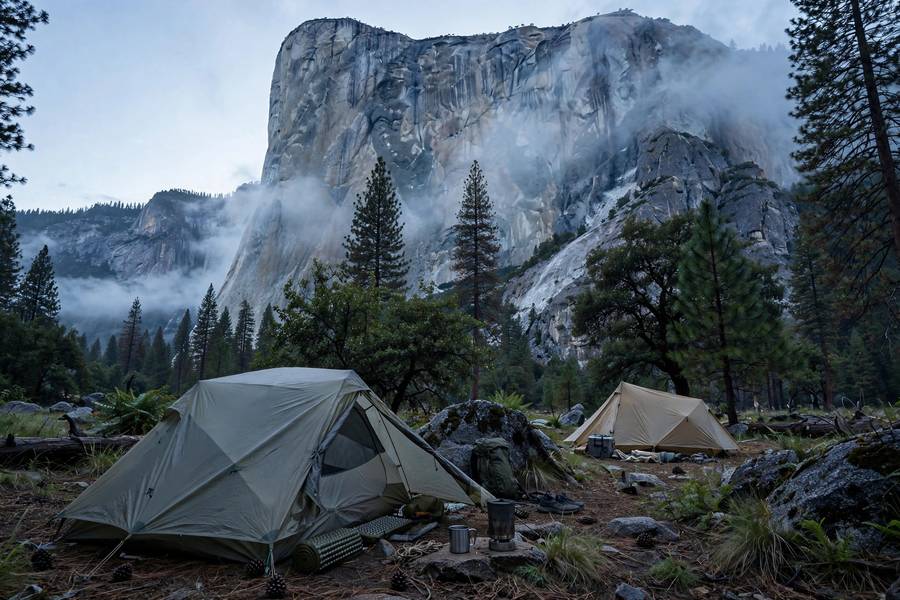
Yosemite (Upper Pines, Lower Pines, North Pines): camping beneath 3,000-foot granite walls with Yosemite Falls thundering nearby is the definitive American camping experience. The Valley campgrounds are the prize — and the hardest reservation in the system. Book exactly 6 months out at 10 a.m. ET; have backup dates. If you strike out, Camp 4 (shared walk-in sites, lottery) or the first-come Hodgdon Meadow are your plays. Bear boxes are mandatory and strictly enforced — I watched a ranger ticket someone for a granola bar in a tent.
Yellowstone (Madison, Canyon, Grant Village): the wildlife camping capital. Bison wander through Hayden Valley at dawn, elk bugle in the fall, and the geysers steam at sunrise before the crowds arrive. Madison is the best all-rounder — central, riverside, flush toilets. Book 6+ months ahead for summer. The key Yellowstone skill: camp in one area 2–3 nights rather than moving daily; the park is huge and driving eats hours. one bag travel packing list
Glacier (Many Glacier, Fish Creek): the most spectacular and the most logistically challenging. Many Glacier is the crown jewel — grizzly country, jaw-dropping valleys — but the road construction and ticketed entry system require planning. Fish Creek on the west side is calmer and better for families. Book the moment windows open. And take the bear safety talk seriously; this is real grizzly habitat, not a zoo.
Desert Camping: Zion, Arches, Big Bend
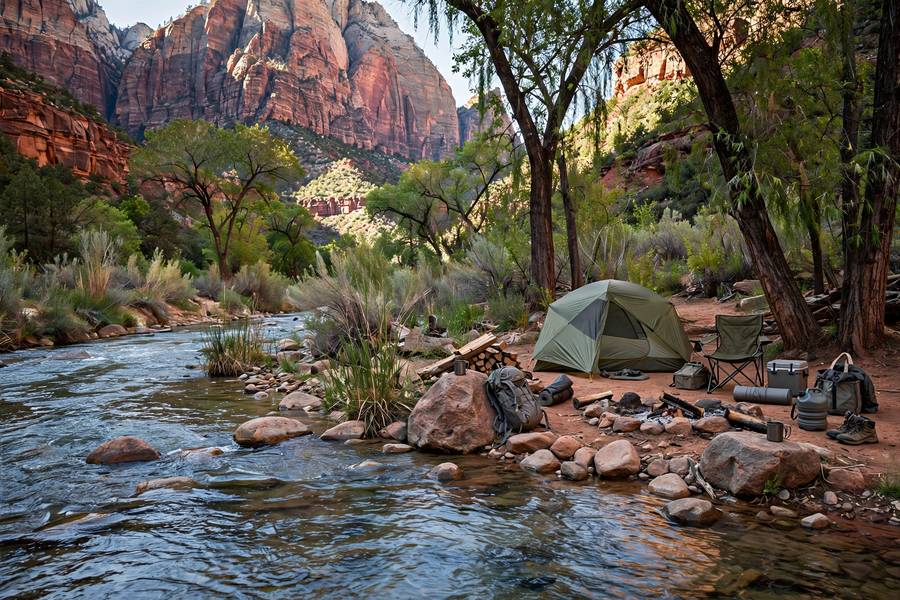
Zion (Watchman, South): camping in a red rock canyon with the Virgin River running past your tent. Watchman is the reservable one — book 6 months out. South is first-come (arrive before 10 a.m. in season). The trick to Zion camping: the park is a canyon, so sites are shady by 4 p.m. — glorious in summer heat. The shuttle system means no driving once you’re set up.
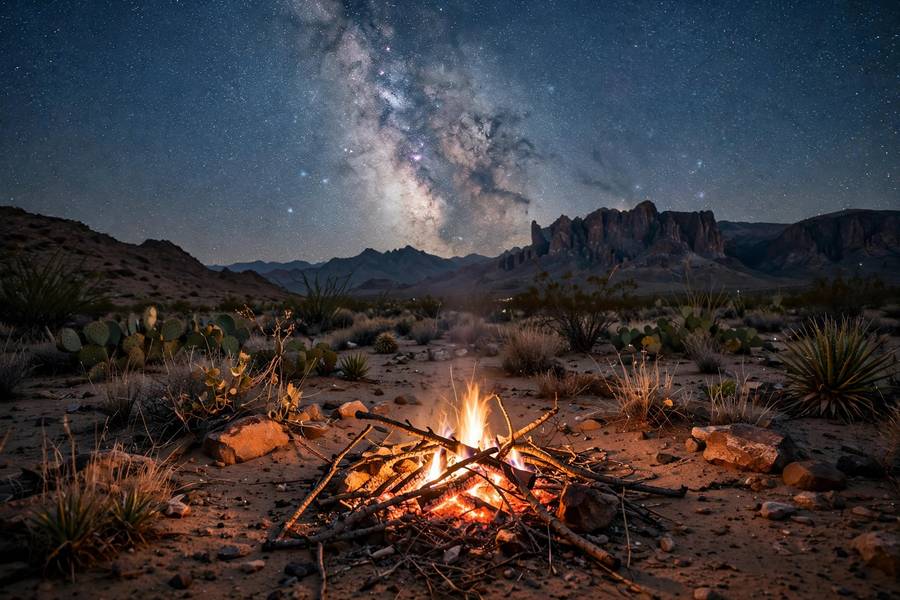
Arches (Devils Garden): 51 sites among the fins and arches, and the night sky is the real show — it’s a certified Dark Sky Park. Devils Garden books out 6 months ahead without fail. The backup: BLM land outside Moab (free dispersed camping, no facilities, total freedom). Summer is brutal (100°F+); spring and fall are perfect. The Windows Section at sunset from your campsite is unreal.
Big Bend (Chisos Basin, Rio Grande Village): the connoisseur’s pick — Texas’s best-kept secret, with desert, mountains, and river in one park. Chisos Basin sits at 5,400 feet in the mountains (cool nights, stunning views); Rio Grande Village is desert riverside. Much of it is first-come, which means flexibility. The stars here rival anywhere in America. Go October–April; summer is dangerously hot.
Forest and Mountain Camping: Great Smoky Mountains, Olympic, Rocky Mountain
Great Smoky Mountains (Elkmont, Cades Cove): the most-visited park in America, and the camping is wonderfully old-school — many sites first-come, $30/night, fireflies in June (a lottery event worth entering). Elkmont has the synchronous fireflies; Cades Cove has the wildlife loop. The Smokies are the best ‘first national park camping trip’ — forgiving, beautiful, and close to everything east of the Mississippi.
Olympic (Kalaloch, Hoh): camp on a wild Pacific beach (Kalaloch — fall asleep to surf) or in a temperate rainforest (Hoh — moss-draped everything). It’s two parks in one, and the diversity is the point. Kalaloch is first-come and fills by noon in summer; the Hoh is reservable. Bring rain gear even in August — it’s a rainforest, it rains.
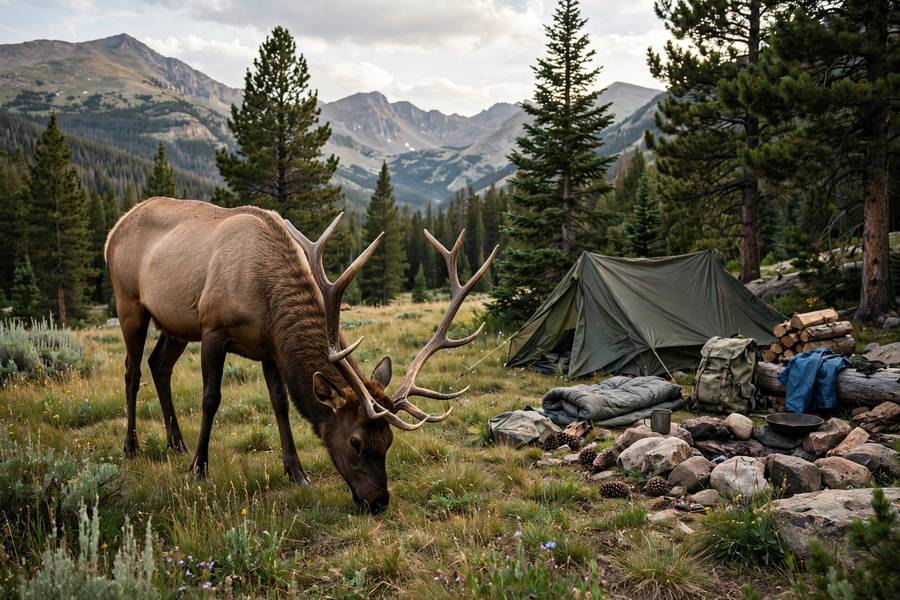
Rocky Mountain (Moraine Park, Glacier Basin): elk bugling outside your tent in September is a top-five American wildlife experience. Moraine Park is the classic — big meadow, mountain views, elk everywhere in fall. Timed entry reservations now apply to much of the park; book those separately from camping. Afternoon thunderstorms are clockwork in summer — summit in the morning, tent by noon.
Coastal and Unique: Acadia, Dry Tortugas
Acadia (Blackwoods, Seawall): the only national park camping on the Atlantic coast. Blackwoods is near Bar Harbor and the action; Seawall is quieter, on the island’s wild side, where you fall asleep to foghorns. Fall is peak — book 6 months out. The sunrise from Cadillac Mountain (first in the US) is worth one early alarm.
Dry Tortugas (Garden Key): the wildest camping on this list — a 19th-century fort on an island 70 miles off Key West, accessible only by boat or seaplane. Ten primitive sites, no water, no facilities beyond composting toilets, and the best snorkeling in America off the beach. You must bring everything, including water. It’s expensive to reach ($200+ ferry) and utterly unforgettable. Book the ferry before the campsite.
Essential Gear and Bear Country Rules
You don’t need much, but what you need matters. The non-negotiables: a tent with a real rainfly (afternoon storms are universal), a sleeping pad with R-value 4+ (the ground steals heat), a headlamp (not a flashlight — you need hands), and a cooler that actually keeps ice (the cheap ones don’t, and warm food in bear country is a problem).
Bear rules, because they’re non-negotiable where they apply (Yosemite, Yellowstone, Glacier, most of Alaska): everything scented goes in the bear box or your car — food, toiletries, sunscreen, the clothes you cooked in. Never eat in your tent. The rangers aren’t being dramatic; a food-habituated bear gets euthanized, so your granola bar can literally kill a bear. Take it seriously.
And the Leave No Trace basics that too many campers skip: pack out everything (including food scraps — they don’t ‘biodegrade’ on a useful timescale in the desert), use established fire rings, and keep 200 feet from water for washing. The parks belong to everyone; camp like it.
Six months — Recreation.gov releases reservable sites on the 15th of each month at 10 a.m. ET, six months out. Yosemite Valley, Glacier’s Many Glacier, and Yellowstone’s Madison sell out within minutes. Set a calendar alert and have your payment info saved. First-come sites are the backup: arrive before 10 a.m.
NPS campgrounds run $15–35/night — the best lodging value in America. Add the $80 America the Beautiful pass if you’re visiting 3+ parks in a year (it covers entrance fees, not camping). Backcountry permits are usually $5–20.
Yes, at parks with first-come-first-served campgrounds: much of Big Bend, Great Smoky Mountains, Olympic’s Kalaloch, and parts of Zion. Arrive before 10–11 a.m. (earlier on summer weekends), have a backup park in mind, and avoid holiday weekends without a reservation.
In bear country: store ALL scented items (food, toiletries, sunscreen, cookware) in bear boxes or a locked car — never in your tent. Cook and eat away from your sleeping area. Carry bear spray in grizzly country (Glacier, Yellowstone backcountry) and know how to use it. Never run from a bear.
Many are, with caveats. Most NPS campgrounds accommodate RVs up to 25–30 feet; a few (like Yellowstone’s Fishing Bridge) handle big rigs with hookups. Always check the specific campground’s length limit before booking — some iconic loops (Yosemite Valley) cap at 24–27 feet.