How to Freeze Avocados Without Them Turning Brown

Avocados have the worst timing in the produce aisle. They are all rock-hard on Monday, all perfectly ripe on Wednesday, and all brown and stringy by Friday — usually right after you bought six because they were on sale. I used to lose at least one avocado a week to this cycle until a friend who meal-preps for a family of five showed me her freezer drawer full of green, perfect avocado. Learning how to freeze avocados felt like discovering a cheat code: buy them ripe, freeze them right, and guacamole is never more than a thaw away. The texture changes a little — I will be honest about that — but the flavor holds beautifully, and for most uses you will never know the difference.
Can You Actually Freeze Avocados? (Yes, With Rules)
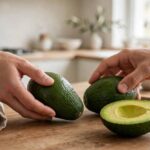
Yes, avocados freeze well — but only if they are ripe first. Freezing an unripe avocado locks in its unripeness; thawed, it will be watery and unpleasant, because the ripening process does not resume properly after freezing. So the rule is simple: freeze at peak ripeness, the day the avocado yields gently to pressure and the flesh under the stem is yellow-green.
The second thing to know: freezing changes texture. Ice crystals rupture cell walls, so thawed avocado is softer and a bit more watery than fresh. It will never again be the firm, sliceable fruit you put on toast. But mashed, blended, or stirred into things? Indistinguishable. This makes frozen avocado perfect for guacamole, smoothies, dressings, and spreads — and a poor choice for avocado toast garnish. Set expectations correctly and you will love it.
Method 1: Freezing Halves (Easiest)
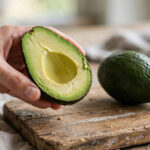
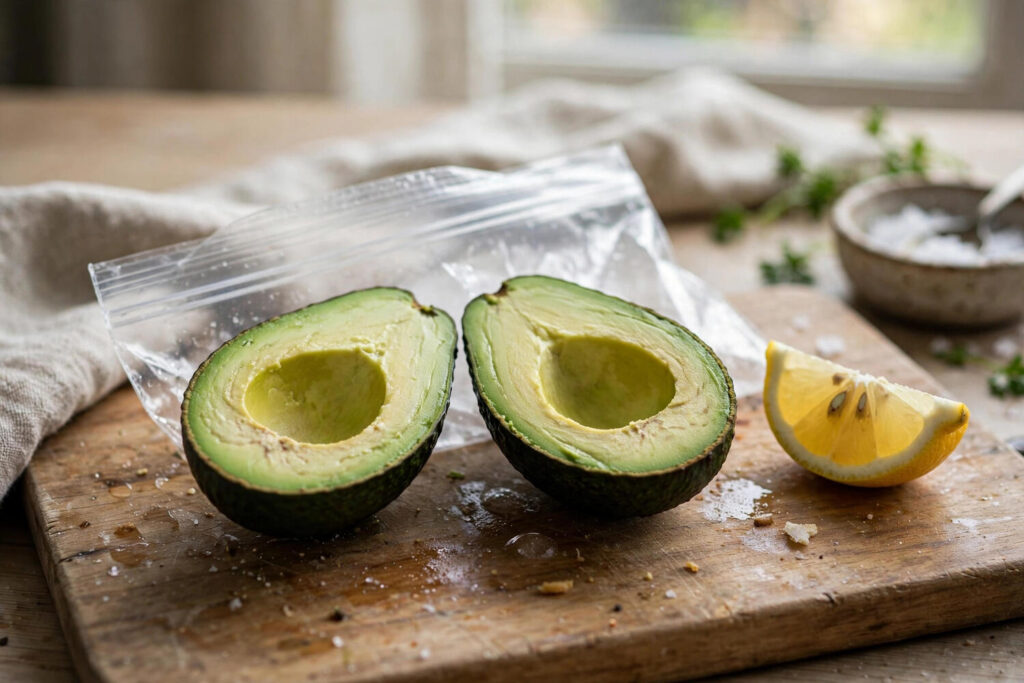
Cut ripe avocados in half, remove the pits, and leave the skin on — the skin protects the flesh during freezing. Brush or squeeze lemon or lime juice over every exposed surface; the acid dramatically slows the browning enzyme, and this step is what separates green thawed avocado from sad brown mush. Wrap each half tightly in plastic wrap, pressing it directly against the flesh to eliminate air pockets, then place the wrapped halves in a freezer bag, squeeze out the air, seal, and freeze.
To use, thaw a half in the refrigerator for a few hours or on the counter for about 30 minutes, then scoop and mash. The halves method is the fastest prep and works best when you plan to mash or blend anyway.
Method 2: Freezing Slices or Diced (Most Versatile)
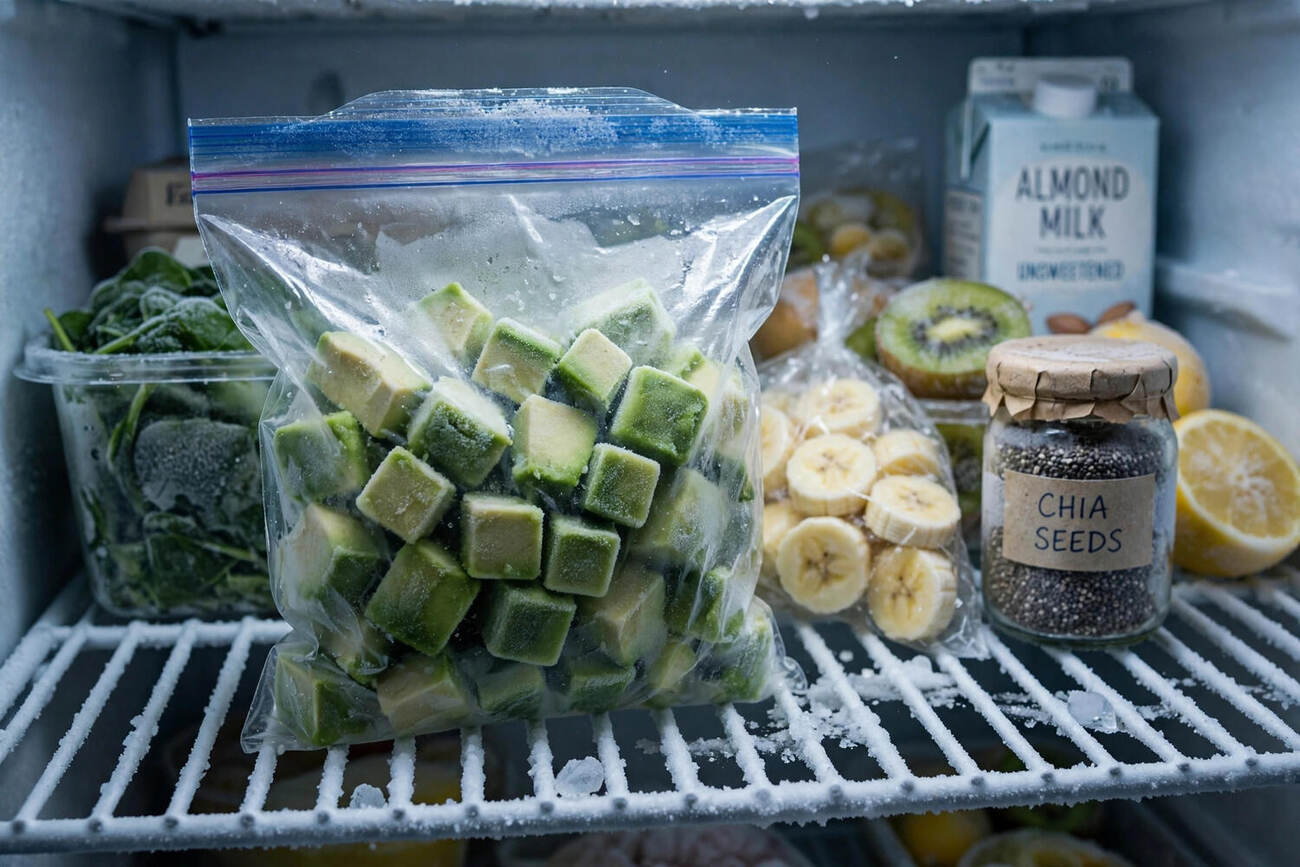
For pieces you can grab by the handful — smoothie portions, salad toppings, grain bowls — slice or dice the ripe avocado, toss the pieces gently with a tablespoon of lemon juice per avocado, and spread them in a single layer on a parchment-lined baking sheet. Freeze until solid, about two to three hours, then transfer the frozen pieces to a freezer bag.
This flash-freeze step is the difference between usable pieces and one solid avocado brick. Frozen individually first, the pieces stay separate in the bag, and you can pour out exactly what you need. For smoothies, you do not even need to thaw — frozen avocado chunks blend straight from the bag and make the smoothie thick and creamy without ice.
Method 3: Freezing Mashed Avocado (Best for Guacamole)
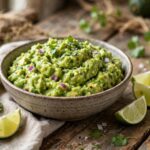
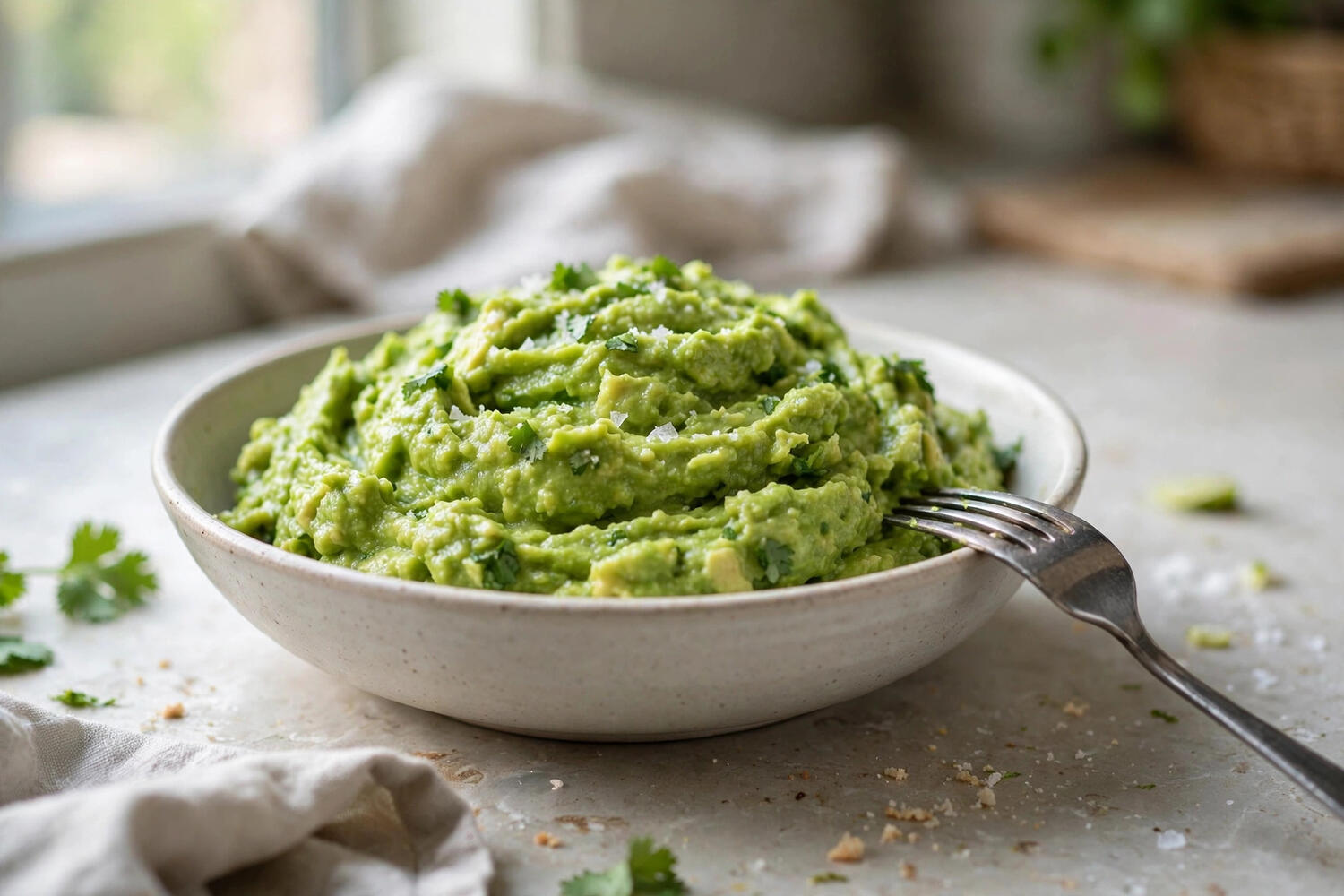
If guacamole is the destination, mash first and freeze the finished base. Mash ripe avocados with a fork — leave it a little chunky — and stir in one tablespoon of lemon or lime juice per avocado plus a pinch of salt. The acid and salt both fight browning and the mash freezes into convenient portions. Pack it into a freezer bag, press flat to squeeze out air (flat bags stack beautifully and thaw fast), seal, and freeze.
Do not add the full guacamole lineup before freezing — onion, tomato, and cilantro all suffer in the freezer. Freeze the plain mash, thaw it, then stir in your fresh add-ins. Thawed mash plus fresh lime, onion, cilantro, and salt tastes like you made it that morning, because in every way that matters, you did.
How Long Frozen Avocado Lasts
Properly wrapped avocado keeps three to four months in the freezer before quality starts declining — freezer burn and off flavors creep in after that. Label every bag with the date, because frozen green lumps all look identical after a month and you will not remember what is what. Use a straw to suck excess air from the bag before sealing if you want to get serious about it; less air means less freezer burn, which means greener avocado in month three.
Thawing: The Right Way
Thaw in the refrigerator for best texture — a few hours for halves, less for flat-packed mash. In a hurry, the counter works in about 30 minutes for small portions; the flat bag method thaws remarkably fast. Do not microwave to thaw: uneven heating cooks the edges and turns the texture gluey. Once thawed, use within a day or two, and do not refreeze — the texture degrades with every freeze-thaw cycle. This is the same discipline as any good batch cooking routine: freeze once, thaw once, eat promptly.
What to Make With Frozen Avocado
Thawed avocado shines anywhere texture is not the star. Guacamole is the obvious champion. Smoothies get thick, creamy body and healthy fats without any ice needed — chocolate-avocado and mango-avocado smoothies are genuinely delicious, not just virtuous. Blend thawed avocado into salad dressings for a creamy base without dairy, stir it into pasta sauce, or mash it with lemon and salt for a sandwich spread that beats mayonnaise on every nutritional count. Chocolate avocado mousse — blended avocado, cocoa, maple syrup, vanilla — sounds like a dare and tastes like a dessert you would pay for.
How to Freeze Avocados for Smoothies: The Lazy Method
If smoothies are the main destination, skip all the careful wrapping. Dice ripe avocados, toss with lemon juice, flash-freeze on a parchment-lined tray, and bag the frozen chunks. That is the entire method, and it takes ten minutes of active time. The chunks go straight from freezer to blender — no thawing, no planning — and they make smoothies thick and spoonable without a single ice cube watering things down.
Portion them if you are the measuring type: a quarter-cup per bag section, or roughly half an avocado per smoothie, in small bags or silicone muffin cups. I freeze them in the trays, then transfer to one big bag, because I am not measuring on a Tuesday morning. Either way, frozen avocado plus frozen mango plus coconut milk is a breakfast that tastes like vacation, and it exists because past-you spent ten minutes with a knife and a tray.
Avocado Freezer Mistakes to Avoid
The classic mistake is freezing under-ripe avocados “to ripen later” — they will not ripen later; they will thaw into watery disappointment. Freeze only at peak ripeness, always. The second mistake is skipping the acid: unprotected avocado flesh browns even in the freezer, slowly but surely, and thawed brown avocado is a psychological hurdle nobody needs. Lemon or lime juice on every exposed surface, every time.
Third: too much air in the bag. Air is freezer burn, and freezer burn is off-flavors and leathery patches. Squeeze bags flat, press wrap directly onto flesh, consider a vacuum sealer if you freeze often. Fourth: the mystery bag. Label everything with contents and date, because in six weeks every frozen green portion looks identical and you will play freezer roulette. And fifth: thawing on the counter all day. Thaw in the fridge, or briefly on the counter for small portions — food safety applies to avocado like everything else.
Fresh vs. Frozen Avocado: An Honest Scorecard
Let us be fair about what freezing costs. Fresh avocado wins on texture for slicing, dicing, and any application where firm green cubes matter — salads, toast, grain bowls. Frozen-and-thawed wins on convenience and waste reduction: no more racing the ripening clock, no more brown casualties. For guacamole, dressings, smoothies, spreads, and baking, thawed avocado performs at roughly 95% of fresh — a difference detectable only in direct side-by-side comparison.
The real comparison is not fresh versus frozen; it is frozen versus thrown away. Every avocado you freeze is one that did not become brown sludge in the crisper drawer. At the price avocados command, the freezer is not a compromise — it is financial planning. Buy the bag on sale, freeze at peak ripeness, and eat guacamole in February like someone with their life together.
The Freezer Avocado Manifesto
Freeze ripe, never unripe. Acid on every cut surface. Air out of every bag. Label every bag with the date. Thaw in the fridge, use within a day or two, never refreeze. Halves for mashing, flash-frozen pieces for smoothies, flat-packed mash for guacamole. Three to four months of peak quality. Follow these seven rules and your freezer becomes an avocado savings account — one that pays out in guacamole whenever you want it, regardless of what the produce aisle is doing.
Frequently Asked Questions
Can you freeze whole avocados?
You can, but halves or pieces freeze and thaw more evenly. If you freeze whole, the pit and skin protect the flesh; thaw in the fridge and expect a softer texture throughout.
How do you keep frozen avocado from turning brown?
Coat all exposed flesh with lemon or lime juice before freezing, press wrap directly against the surface to block air, and squeeze excess air from freezer bags. Acid plus no air equals green avocado.
How long does frozen avocado last?
Three to four months at peak quality in a well-sealed freezer bag. Label with the date — everything looks the same after a month in the freezer.
Do you need to thaw frozen avocado before using in smoothies?
No — frozen avocado chunks blend straight from the freezer and make smoothies thick and creamy without added ice. It’s one of the best uses for them.
Can you freeze unripe avocados?
Don’t. Freezing halts ripening, and thawed unripe avocado is watery and unpleasant. Always freeze at peak ripeness.
Can you refreeze thawed avocado?
It’s not recommended — each freeze-thaw cycle degrades the texture further. Freeze in portion-sized amounts so you only thaw what you’ll use.