How to Keep Guacamole from Turning Brown: 5 Ways

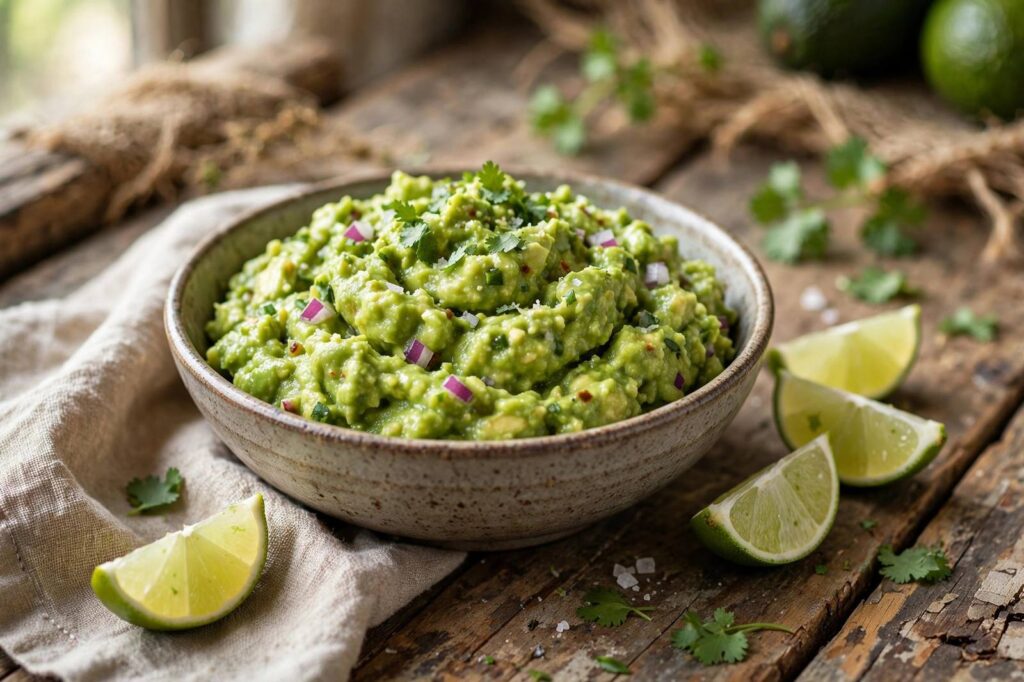
There is a special sadness in making a beautiful bowl of guacamole, stepping away for an hour, and coming back to something brown and unappetizing. I have made guacamole for every family gathering for twenty years, and learning how to keep guacamole from turning brown took me through every internet trick — including the famous avocado pit myth, which I am going to bust right now so you never waste time on it again.
Browning is simple chemistry: when avocado flesh meets air, enzymes cause oxidation — the same process that browns a cut apple. So every method that works does the same thing: it blocks air from touching the surface. Here are the methods ranked by how well they actually work, plus the myths to ignore.
Why Guacamole Turns Brown (The 30-Second Science)
Avocados contain an enzyme called polyphenol oxidase. When the flesh is exposed to oxygen, this enzyme triggers a reaction that produces brown pigments called melanins. It is completely harmless — brown guacamole is safe to eat — but it looks unappetizing and can taste slightly bitter.
This tells you everything about prevention: the enemy is air contact. Acid helps a little, cold helps a little, but the only thing that truly works is a physical barrier between the guacamole and the air. Keep that principle in mind as we rank the methods.
Myth Busted: The Avocado Pit Does Nothing
Let us get this out of the way: leaving the pit in the guacamole does not prevent browning. I know your abuela swears by it — mine did too. But the pit only protects the tiny circle of guacamole it physically touches. Everything around it browns exactly as fast as it would without the pit. It is a charming tradition with no chemistry behind it.
Same verdict for the onion-layer trick and the “leave it in a paper bag” advice you will find online. If a method does not block air across the entire surface, it does not work. Now for the ones that do.
Method 1: Plastic Wrap Pressed Directly on the Surface (Best)
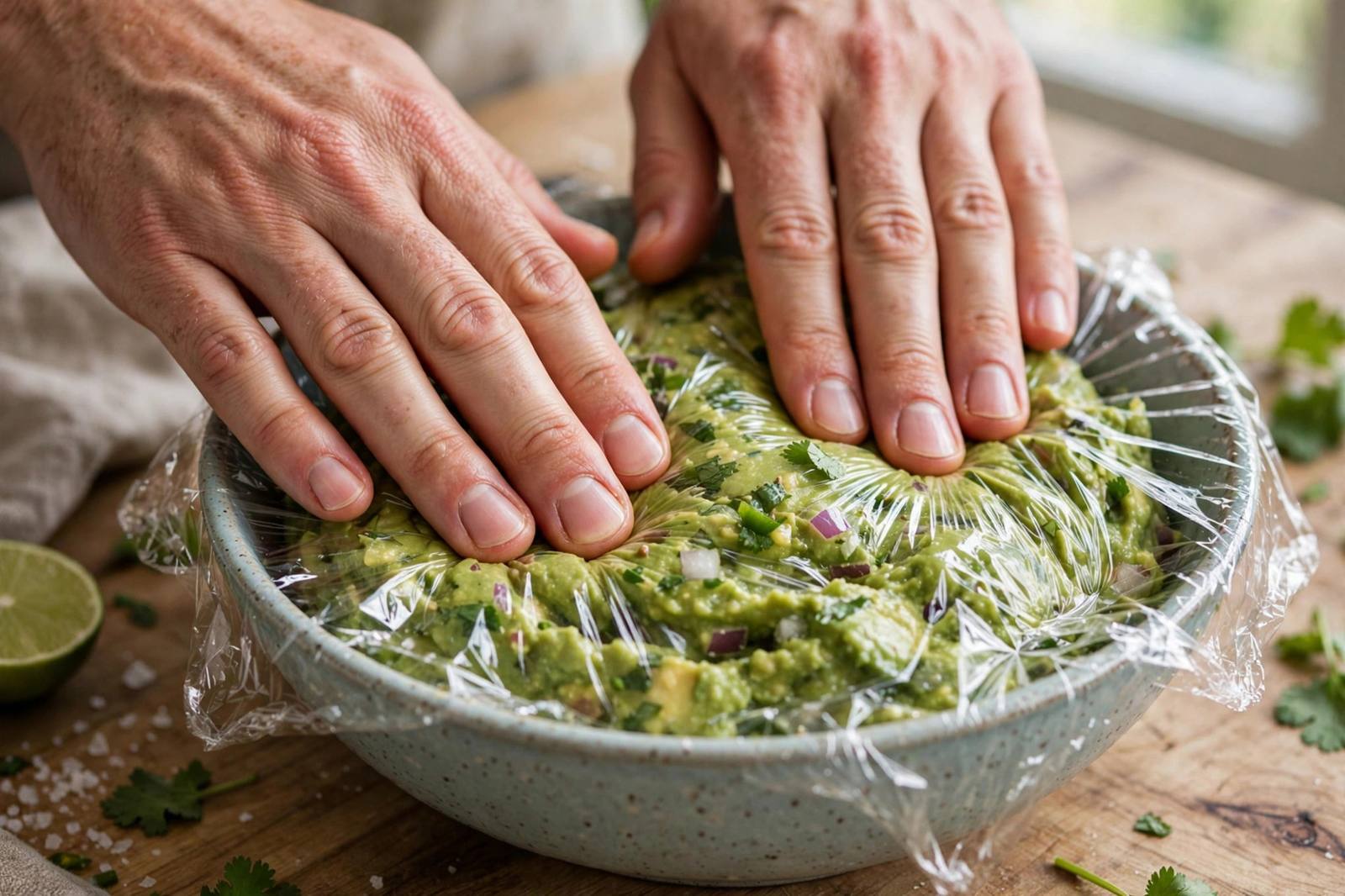
The gold standard. Smooth the top of the guacamole flat with the back of a spoon, then press plastic wrap directly onto the entire surface — no air bubbles, no gaps, edges sealed against the bowl. This is what restaurants do, and it keeps guacamole green for a full day or more in the fridge.
The key detail is “directly on the surface.” Plastic wrap stretched over the top of the bowl with an air gap underneath does almost nothing — that trapped air is plenty to brown the top layer. Press it down like you mean it.
Method 2: The Water Layer Trick (Surprisingly Great)
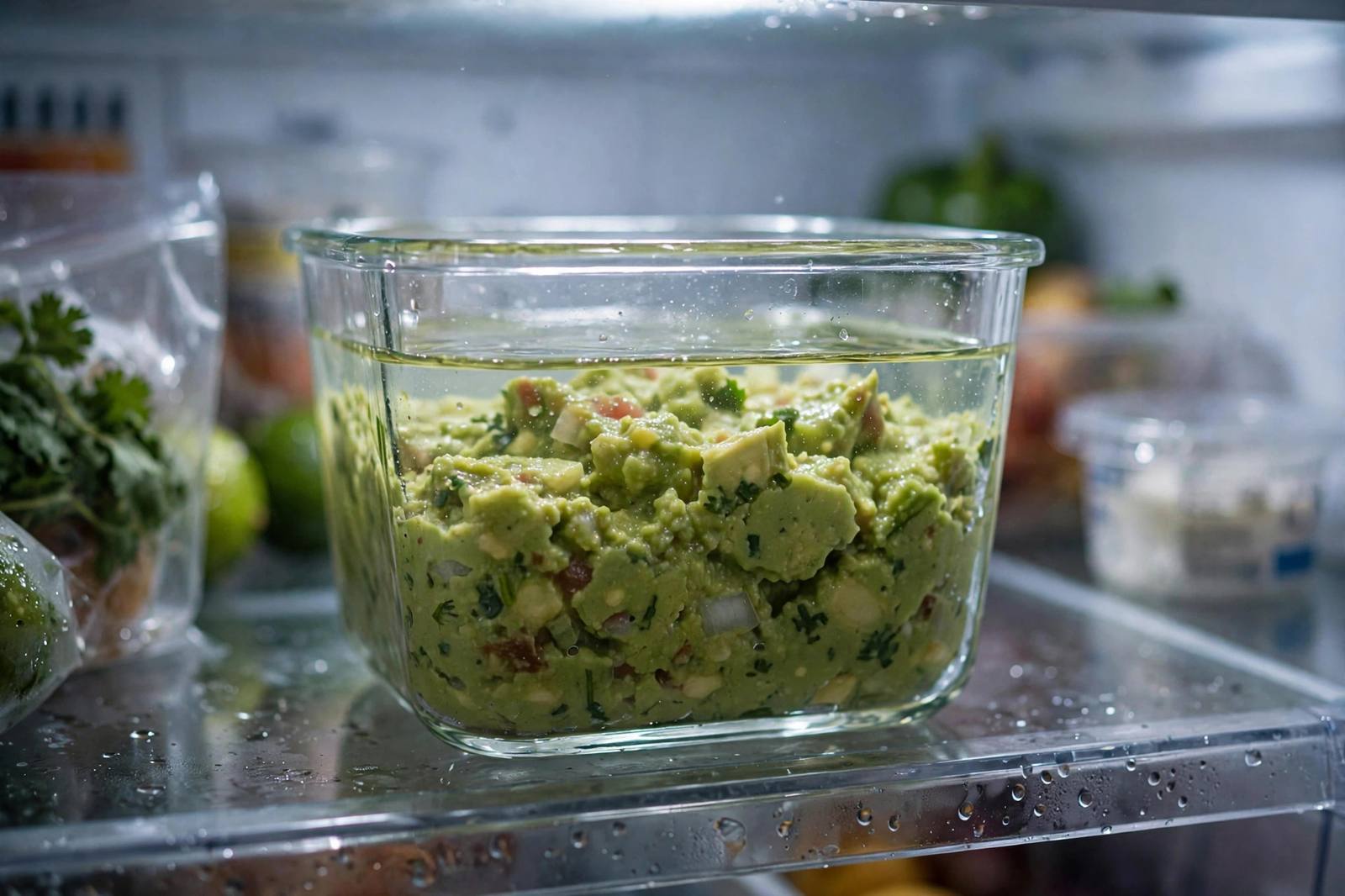
This one sounds wrong but works brilliantly: smooth the guacamole flat, then pour about half an inch of lukewarm water over the top so it completely covers the surface. Refrigerate. The water is an airtight barrier — oxygen cannot reach the guacamole through it.
When you are ready to serve, pour the water off and give it a stir. The guacamole underneath is bright green, even after a day or two. I was skeptical the first time too; now it is my go-to for making guacamole a day ahead of a party. Use this method in a container with a lid for best results.
Method 3: Lime or Lemon Juice (Helpful, Not Sufficient)
Acid slows the browning enzyme — this is real chemistry, not folklore. Squeeze fresh lime juice over the guacamole and mix some through it. You will buy yourself an extra hour or two of green.
But acid alone is not a barrier, so it cannot stop browning by itself over longer storage. Think of lime juice as the supporting actor: always include it for flavor and a little protection, but pair it with plastic wrap or the water method for real storage. And use fresh lime — it tastes better than bottled, and in guacamole the flavor difference is obvious.
Method 4: Olive Oil Layer (Decent Backup)
A thin layer of olive oil drizzled over the smoothed surface creates an edible air barrier. It works moderately well for a few hours — not as airtight as plastic wrap, but better than nothing, and it adds a pleasant richness when stirred in before serving.
I use this when I am serving guacamole within the hour and want it to look fresh on the table. For overnight storage, the wrap or water methods are more reliable.
What About Storing Cut Avocados?
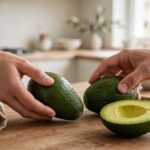
The same principles apply to avocado halves: brush the cut surface with lime juice, then press plastic wrap directly onto the flesh (not just over the bowl), and refrigerate. Stored this way, halves stay green for a day or two. The pit-in-the-half trick has the same flaw as in guacamole — it only protects what it touches.
For longer storage, mashed avocado freezes surprisingly well: portion it into a freezer bag, squeeze out all the air, add a squeeze of lime, and freeze flat. Thawed guacamole base is perfect for future batches, though the texture is best in dips rather than on toast.
My Party-Day Guacamole Timeline
Here is exactly what I do when I am making guacamole for guests. Morning of: make the guacamole with plenty of lime, smooth it into the serving bowl, press plastic wrap directly on the surface, refrigerate. One hour before serving: take it out (cold mutes flavor), remove the wrap, stir, taste and adjust salt and lime. It hits the table bright green and full-flavored.
Day ahead: same process but use the water layer method instead of wrap — it holds green longer. Pour off, stir, season, serve. Nobody will believe you made it yesterday.
How to Keep Guacamole From Turning Brown for a Party
Party guacamole has two enemies: time and transport. For transport, choose a container with a lid that seals well — glass containers with locking lids are ideal — and use the water layer method rather than plastic wrap, since wrap can shift in transit and break the seal. Fill the container to the very top before adding the water layer; less headspace means less air even if the seal shifts. Transport it flat, keep it cool with an ice pack underneath, and do the pour-off and stir at the venue, not before leaving.
On the serving table, transfer to a wide, shallow bowl rather than a deep one — more surface area means guests get into fresh green guacamole instead of digging through a browned top layer. If the party runs long, keep a backup batch in the fridge with wrap pressed on the surface and swap bowls halfway through. Nobody has ever complained about fresh guacamole appearing mid-party; it is practically a magic trick.
Guacamole Add-Ins: What Helps and What Hurts Freshness
Your recipe choices affect browning more than most people realize. Extra lime juice genuinely helps — the acid slows the browning enzyme, so be generous. Finely diced onion and tomato mixed through add small amounts of acid and antioxidants, which does not hurt. Salt at the right level also slightly slows enzymatic activity, though you should salt for flavor first and consider any preservative effect a bonus.
What hurts: over-mashing. Breaking down the cell walls exposes more surface area to air, so a chunky guacamole browns noticeably slower than a smooth puree — another reason I have always preferred it rustic. Dairy add-ins like sour cream do not meaningfully prevent browning, though they do not hurt either. And whatever you add, the air barrier remains the real solution — no ingredient replaces keeping oxygen off the surface.
Guacamole for Meal Prep: A 3-Day Plan
Guacamole is not a classic meal-prep food, but with the right method it holds up for days. Make a big batch on Sunday: extra lime juice, smooth it into a glass container, use the water layer method, seal, and refrigerate. Monday and Tuesday, pour off the water, scoop what you need, smooth the remainder flat, and re-seal with fresh water or pressed wrap. It stays green and fresh-tasting through day three.
Portion it into small containers for lunches rather than opening one big container repeatedly — every opening is fresh air exposure. And keep add-ins like diced tomato and onion separate until serving; they release water over time and make stored guacamole soggy. The base keeps beautifully; the fresh toppings are a two-minute addition when you eat.
The Only Rule You Need to Remember
If this whole guide blurs together, keep one principle: air is the enemy, and a physical barrier is the answer. Plastic wrap pressed directly on the surface for everyday storage, the water layer trick for making it ahead — either one keeps guacamole green for a day or more. Lime juice helps and tastes great, but it is the supporting act, not the star. And the pit? Lovely tradition, zero chemistry. Now go make guacamole with confidence, knowing it will look as good as it tastes whenever you are ready to serve it.
Frequently Asked Questions
Is brown guacamole safe to eat?
Yes — browning is oxidation, the same harmless process that browns apples. It may taste slightly bitter on the surface, but stirring usually fixes it. Discard only if it smells off or has been left unrefrigerated for over two hours.
Does leaving the pit in guacamole keep it green?
No. The pit only protects the small area it touches; the rest browns normally. It is a myth — use plastic wrap pressed on the surface or the water layer method instead.
How long does guacamole last in the fridge?
Properly stored with an air barrier, 1-2 days while staying green and fresh-tasting. Without protection, it browns within hours, though it remains safe to eat for about the same period refrigerated.
Can you freeze guacamole?
Yes — mashed avocado with lime juice freezes well for up to 3 months in an airtight bag with the air squeezed out. Thaw in the fridge; the texture is best for dips rather than slicing.
Does lemon juice work as well as lime juice?
Chemically, yes — both are acids that slow browning. But lime is the traditional flavor pairing for guacamole and tastes noticeably better in it. Use lime when you can.