How Do Journalists Find Sources? The Full Playbook

Every story you have ever read stood on someone’s shoulders. Behind the quotes and the “according to” attributions is a source — a person who knew something and decided to share it. So how do journalists find sources? It is part detective work, part relationship-building, and part public-records literacy. I have spent years cultivating sources across beats, and the honest answer is that finding sources is a skill with a method, not a gift. This is the full playbook: where sources hide, how to approach them, and how to verify what they tell you.
Whether you are an aspiring reporter or just curious about how journalism actually works, understanding sourcing explains why some stories have depth and others are just rewritten press releases. The difference is almost always the sources.
The Two Kinds of Sources: Human and Documentary
Every source falls into one of two categories. Human sources are people: officials, employees, experts, witnesses, victims, whistleblowers. Documentary sources are records: emails, budgets, court filings, databases, reports, recordings. Great reporting uses both, because each covers the other’s weakness. People tell you what happened and why it matters; documents prove it and pin down the details.
Beginners over-rely on human sources because people are easier to approach than archives. Veterans know documents are often more reliable — a person can misremember or spin, but a contract says what it says. The strongest stories pair them: the insider who tells you where to look, and the document that confirms what they said. When you have both, you have a story that stands up.
Public Records: Sources That Cannot Hang Up on You
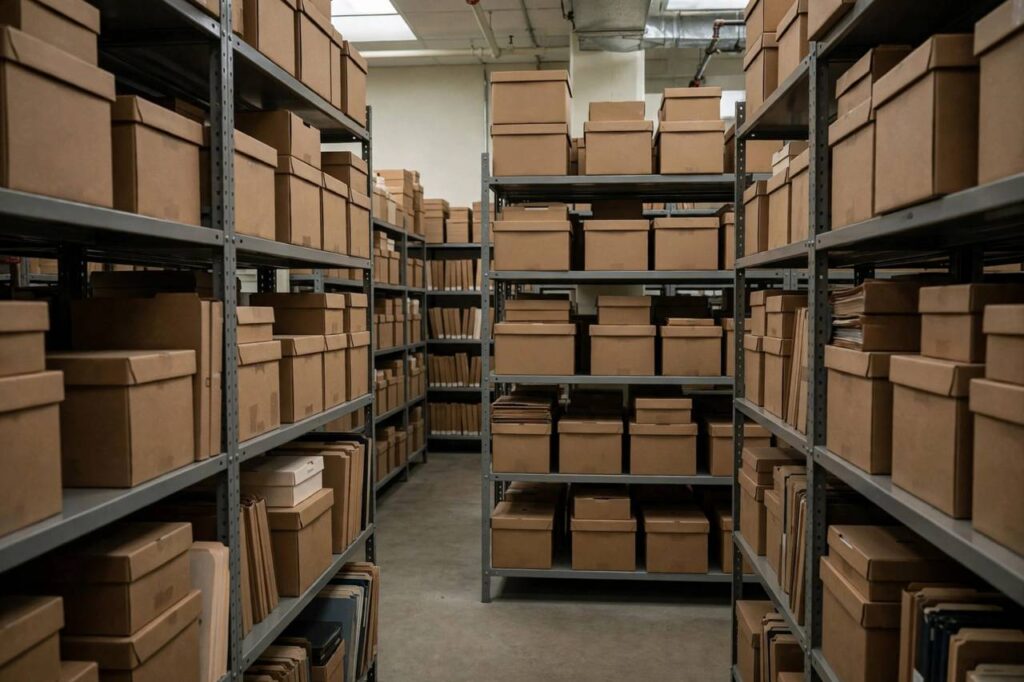
The most democratic source-finding tool in journalism is the public record. Budgets, contracts, inspection reports, court filings, campaign finance data, property records, meeting minutes, 911 logs — these documents name names. A contract names the vendor and the official who signed it. A lawsuit names the parties and lays out allegations. An inspection report names the inspector and the violations found. Every name in a public document is a potential human source, and every document is a source in itself.
The method is to read widely and follow the names. Pull the city council’s contracts for a year and list every vendor — then call the ones with the biggest awards and ask how the bidding went. Read a lawsuit filing and contact the attorneys on both sides. Check property records for who owns the building at the center of a dispute. Public records do not just give you facts; they give you a map of who to talk to next.
Learn your jurisdiction’s records law early. In the US, that means FOIA federally and state public-records acts locally; most democracies have equivalents. File requests before you need them, because responses take time. A reporter with a standing set of records requests is a reporter with a standing set of future sources.
How Do Journalists Find Sources? Start With the Org Chart
When you need human sources inside an institution, start with its structure. The org chart — or the meeting minutes, the staff directory, the conference program — tells you who does what. The people closest to the action are rarely the spokespeople. They are the program managers, the inspectors, the analysts, the assistants. These are the people who know how things actually work, and they are far more approachable than executives surrounded by communications staff.
Approach with respect and specificity. “I am reporting on the water testing backlog and I saw your name on the inspection reports — can you help me understand the process?” works infinitely better than “Do you have any dirt on your employer?” Explain what you are working on, be honest about what you do not know, and make it easy to say yes: offer to meet on their schedule, keep it short, and mean it when you promise to protect confidences.
Former employees are gold. People who have left an organization speak more freely, know where the bodies are buried, and can often point you to current insiders. LinkedIn, conference programs, and old press releases are full of former officials and staffers. A polite, professional approach to a former employee succeeds far more often than beginners expect.
Expert Databases: Borrowing Credibility the Right Way
Every story needs experts — people who can explain, contextualize, and independently evaluate claims. Do not just call the usual suspects quoted in every article. University faculty directories, professional association member lists, think-tank rosters, and expert databases maintained by journalism organizations are full of qualified people who rarely get called. A fresh expert voice makes your story distinctive and often more accurate.
Vet your experts like you vet everything else. Check their credentials, their funding, their past statements. An expert funded by the industry you are reporting on is not disqualified, but readers deserve to know. Aim for experts with no stake in the outcome when possible, and always get the expert’s view on the record with their full name and title — anonymous expert quotes carry little weight.
One underused trick: ask every expert who else you should talk to. Experts know their fields’ internal debates and can point you to the sharpest critics of any claim — including claims made by other experts you have already interviewed. This is how you build a genuinely balanced story instead of a false one.
Witnesses and Affected People: The Human Heart of the Story
Officials and experts explain; witnesses and affected people make the story real. Finding them takes legwork: knocking on doors near the scene, attending community meetings, monitoring neighborhood social media groups, asking local organizations for introductions. Be patient and be human. People who have been through something difficult do not owe you their story, and approaching them with entitlement is the fastest way to be refused.
Explain clearly who you are, what you are reporting, and how their account would be used. Give them control over the terms: on the record, on background, or not at all. Never pressure. Some of the most powerful sourcing in journalism comes from people who initially said no and changed their minds weeks later because the reporter was respectful, persistent, and honest. Your reputation in a community compounds — treat people well and the next story gets easier.

The Verification Ladder: Trust, but Document
Finding a source is half the job; verifying what they tell you is the other half. Every claim climbs a ladder. First: does the source have direct knowledge, or are they repeating something they heard? Second: can you corroborate with a document — an email, a record, a photo? Third: can you get a second source, ideally independent of the first? Fourth: have you given the subject of the allegations a chance to respond?
Be especially careful with single-source stories. One person with an axe to grind can sound extremely convincing. Ask yourself what the source gains from talking to you, and look for the confirmation that does not depend on their word alone. Documents, data, and on-the-record corroboration are what turn a claim into a publishable fact.
And verify identity, always. In an era of impersonation and fabrication, confirm that your source is who they claim to be — through employment records, mutual contacts, documents only the real person would have. It sounds paranoid until the first time it saves you from a fabricated source, which has ended careers.
Protecting Sources: The Sacred Obligation
When a source speaks on condition of anonymity, protecting their identity is absolute. This is not just ethics — in many places it is the foundation the entire source system runs on. People risk jobs, relationships, and sometimes safety to talk to reporters. Break that trust once and your source network collapses, because sources talk to each other.
Protection is also operational: minimize what you write down, be careful with communications metadata, understand your jurisdiction’s shield laws and their limits. Discuss the terms explicitly before the conversation — what “off the record,” “on background,” and “on deep background” mean varies, so agree on definitions with each source. Never assume.
Grant anonymity sparingly and explain to readers why. “A senior official who requested anonymity because they were not authorized to speak publicly” tells the audience the source is real, positioned to know, and has a legitimate reason for hiding. Vague anonymous sourcing erodes trust; precise, justified anonymity preserves it.
Maintaining the Network: Sourcing Is Farming, Not Hunting
The biggest mistake beginners make is treating sourcing as something you do when you need a story. The reporters with the best sources maintain them continuously: the occasional check-in call, the holiday greeting, the “saw this and thought of you” message. When you only call people when you need something, they notice — and they stop answering.
Keep notes. A simple system — who, where they work, what they know, when you last spoke, what you promised — turns scattered contacts into a real network. Review it monthly. Call people with no immediate need, just to stay current. The source who gives you next year’s biggest story is often someone you have been talking to for two years about nothing in particular. Sourcing is farming: you plant, you tend, and eventually you harvest.
Frequently Asked Questions (FAQ)
What is the difference between on the record and off the record?
On the record means you can publish it with the source’s name. Off the record means you cannot publish it at all — though definitions vary, so always agree explicitly with the source. “On background” typically means you can publish the information but not name the source. Never assume definitions; confirm them every time.
How do you convince someone to talk who is afraid?
You do not convince — you earn. Explain the protections you can offer, be honest about the limits, show them your past work treating sources fairly, and give them time. Pressure backfires. Many reluctant sources come around when they see you are serious, prepared, and respectful.
Can journalists use anonymous sources?
Yes, with strict justification. Most newsrooms require editors to know the source’s identity, require a compelling reason for anonymity (like fear of retaliation), and require corroboration. Anonymous sourcing should be the exception that makes important stories possible, not a routine shortcut.
How do you find whistleblowers?
Mostly you do not — they find you, after you have made yourself findable and trustworthy on a beat. Publish your contact methods, including secure channels. Report visibly and fairly on the institutions you cover. Whistleblowers choose reporters with track records, so build the track record first.
What should I do if a source lies to me?
Verify before publishing — that is the whole point of the verification ladder. If you discover deception after publication, correct the record promptly and transparently. And cut the source off; a source who burns you once will do it again, and your credibility is worth more than any single contact.
Do I need to be a professional journalist to cultivate sources?
No. Researchers, students, authors, and engaged citizens use the same methods: public records, structured outreach, expert interviews, community presence. The ethics of honesty about who you are and what you are doing apply to everyone, professional or not.
The Bottom Line
How do journalists find sources? They read the documents that name names, they work the org chart from the inside out, they borrow expertise from databases most people never check, they earn the trust of witnesses one respectful conversation at a time, and they verify everything on the ladder before a word is published. Sources are not found by luck. They are found by method — and maintained by character.