How to Choose a Wedding Florist: Consultation Framework

Flowers set the emotional tone of a wedding more than almost any other decor element, and choosing the person who creates them is one of the highest-impact vendor decisions you will make. If you are wondering how to choose a wedding florist, the short answer is: judge them on full installations, not single bouquets, interview them like a creative partner, and understand the seasonal logic that drives both beauty and price. After working alongside florists at hundreds of weddings, I can spot the difference between a vendor who will elevate your day and one who will stress you out. This guide teaches you to spot it too.
Here is the consultation framework: how to evaluate portfolios the right way, the ten questions that reveal everything, how seasonal availability affects your costs, and the red flags that should send you walking. Let us start with the portfolio, because most couples evaluate it wrong.
Style Matching: Judge Full Installations, Not Bouquets
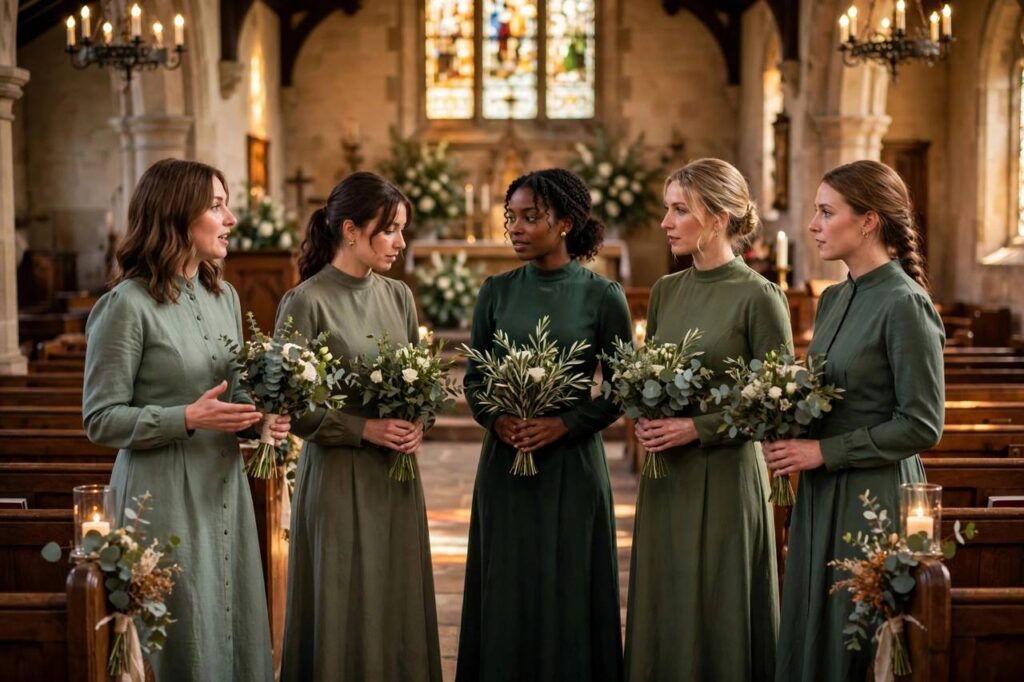
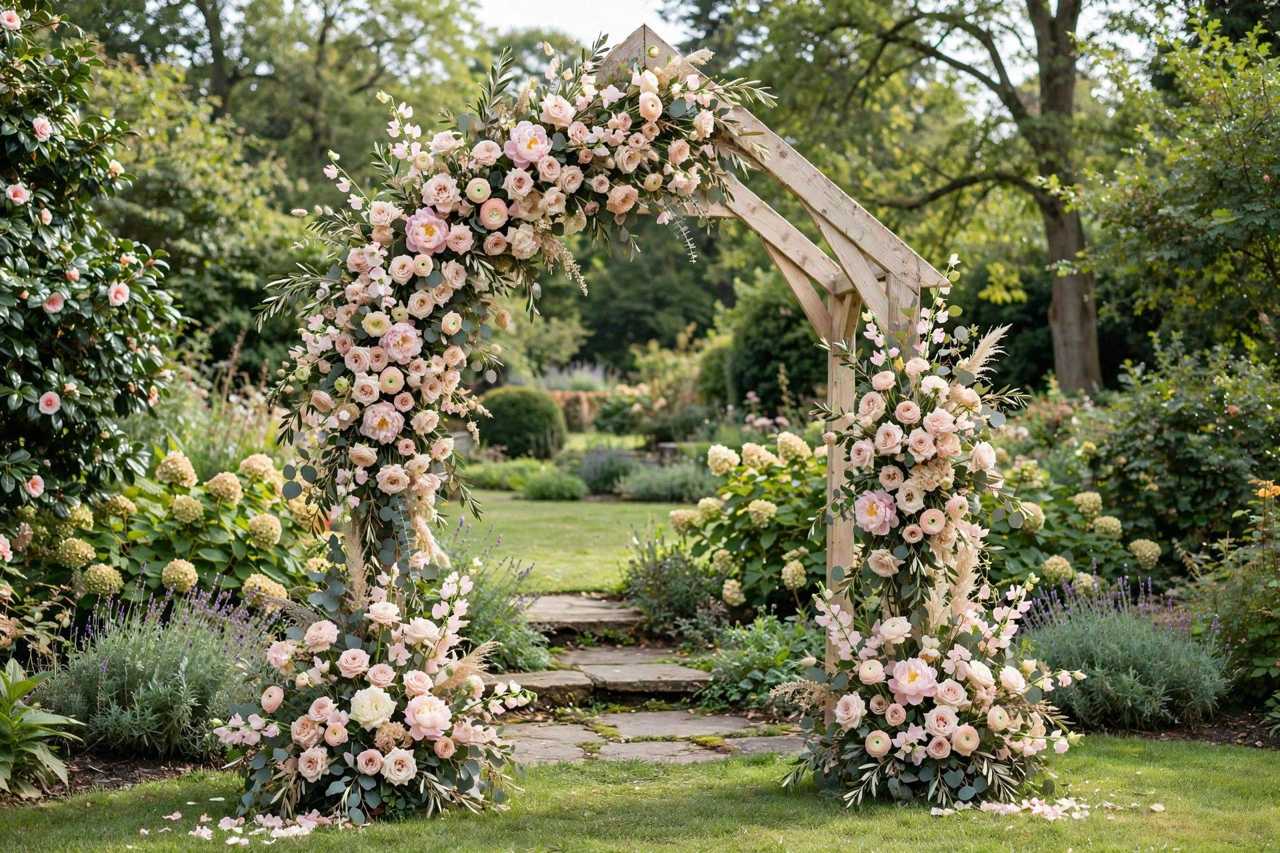
Almost every florist can make a beautiful bouquet. Bouquets are the easy part. What separates great wedding florists is full installations: ceremony arches, reception centerpieces, hanging arrangements, and the way flowers work across an entire venue. When you review a portfolio, skip past the bouquet close-ups and look for photos of complete weddings. Do the arrangements look cohesive? Does the style hold up at scale? Does it suit venues like yours?
Match the florist’s natural style to your vision, not the other way around. A florist whose portfolio is all wild, garden-style arrangements will struggle with your sleek modern vision, and vice versa. You want someone whose existing work already looks like what you want, because asking a vendor to work far outside their style is how disappointments happen. Look for at least three full weddings in their portfolio that feel like yours in mood, color, and scale.
Also check recency. A portfolio of weddings from five years ago tells you nothing about current work. Ask to see their most recent season. Styles evolve, teams change, and you are hiring the florist they are now, not the florist they were.
How to Choose a Wedding Florist: The 10 Questions to Ask
Bring these ten questions to every consultation. The answers reveal skill, honesty, and professionalism.
One: can you work within my budget, and what does that budget realistically buy? A good florist will be honest about what your number gets you instead of promising the moon. Two: are my preferred flowers in season on my wedding date, and if not, what are the alternatives? Three: will you visit my venue before the wedding, and is there a fee? Four: who sets up and breaks down on the day, and are those services included? Five: how do you handle flowers in heat, wind, or rain for outdoor weddings?
Six: can I see a mock-up or sample arrangement before the wedding? Seven: what is your backup plan if a key flower is unavailable on short notice? Eight: do you have liability insurance, and does my venue require it? Nine: what is the payment schedule and cancellation policy? Ten: can you provide references from recent couples?
Listen for specifics. “We handle heat with proper hydration and shade placement” is a real answer. “Oh, it’ll be fine” is not. The best florists educate you during the consultation. If you leave knowing more than when you arrived, that is a very good sign.
Seasonal Cost Logic: Why Timing Changes Everything
Flower pricing follows seasons, and understanding this saves real money. Peonies in June are abundant and affordable. Peonies in December are imported, fragile, and expensive. Dahlias shine in late summer and fall. Ranunculus loves spring. When your wedding date falls in a flower’s natural season, you get better quality at lower prices with less environmental cost.
The smart move is to choose your color palette first and let the florist choose the specific flowers within it based on what is best in season. “Blush and cream garden-style” gives your florist room to substitute brilliantly. “Exactly these twelve stems” locks them into whatever the market is doing on your date, and you pay for the inflexibility.
Also understand the cost drivers beyond the stems themselves. Labor is a huge part of floral pricing: intricate installations, tall centerpieces, and hanging arrangements cost more because they take hours to build on site. Delivery, setup, and breakdown fees add up, especially for venues far from the florist’s studio. When comparing quotes, compare the full picture, not just the per-arrangement price. A cheaper quote that excludes setup and breakdown is not actually cheaper.
Red Flags That Should Send You Walking
A few warning signs I have learned to take seriously. No contract or a vague one-page agreement: professional florists use detailed contracts covering every arrangement, the setup timeline, and payment terms. Reluctance to provide references: happy past clients are a florist’s best asset, and hiding them is suspicious. No venue visit for a complex installation: if they will not see the space, they cannot plan for it.
Other flags: prices dramatically lower than every other quote, which usually means inexperience or corner-cutting that shows up on the day. Promising exact flowers far out of season without discussing alternatives. Poor communication during the consultation phase, because it only gets worse under wedding-week pressure. And no backup plan for flower shortages or bad weather. Professionals plan for problems. Amateurs hope they do not happen.
Trust your instincts on personality fit too. You will work with this person for months, and on the wedding day they are in your venue for hours. You want someone calm, organized, and communicative. If the consultation feels stressful, the wedding day will too.
Working Well Together: From Booking to Wedding Day
Once you have chosen your florist, set the relationship up for success. Share your venue details, your timeline, your color palette, and your inspiration photos early. Be honest about your budget and your priorities: if the ceremony arch matters most, say so, and let the florist allocate accordingly. Decide who provides vases and vessels, who handles candles if they are part of the design, and confirm the delivery and setup timeline in writing.
Do a final check two weeks before the wedding: confirm the flower order, the delivery time, the setup crew, and the breakdown plan. Share your day-of contact’s number so the florist can reach someone who is not you on the wedding morning. And build a small buffer into the setup timeline, because installations take longer than anyone estimates.
For the broader wedding picture, your florist’s work connects to everything else visual. Seasonal decoration ideas can spark concepts to discuss, and a wedding day emergency kit should include supplies for quick floral fixes, because even perfect arrangements sometimes need a touch-up.
DIY Flowers vs Hiring a Professional
Every couple planning a wedding wonders whether they can handle the flowers themselves. The honest answer depends on scope, and knowing where the line sits saves both money and heartbreak.
DIY works for limited, low-complexity florals: simple bud vases for tables, a few hand-tied bouquets, loose greenery runners. If your vision is minimal and your guest count is modest, DIY can save significantly. The keys to successful DIY are ordering wholesale flowers for delivery two days before the wedding, recruiting reliable helpers, and keeping the designs genuinely simple. Complex arrangements attempted by beginners look like complex arrangements attempted by beginners.
DIY fails at scale and complexity. Ceremony arches, hanging installations, tall centerpieces, and anything structural need professional skill, proper mechanics, and experience with how flowers behave in heat and over hours. I have seen well-meaning DIY installations wilt, collapse, or simply look sparse by ceremony time. The savings evaporate when the result disappoints you in every photo.
The hybrid approach is often the smartest: hire a professional for the statement pieces, the bouquets, and anything structural, and DIY the simple stuff like bud vases or ceremony aisle markers. Many florists are happy with this arrangement if you discuss it upfront. Be transparent about what you are handling so the professional pieces coordinate with your DIY elements.
Whatever you decide, do a trial run. For DIY, that means a full practice arrangement with the actual flower types, timed, to see how long it really takes. For hybrid, it means confirming with your florist exactly where their work ends and yours begins. Flowers are unforgiving of optimism. Plan conservatively, and your wedding day will look like you imagined it.
Frequently Asked Questions (FAQ)
How far in advance should I book a wedding florist?
Six to twelve months before the wedding is typical, and earlier for peak-season dates or popular florists. Complex installations need more lead time for planning and venue visits.
How much do wedding flowers cost?
Costs vary enormously by region, season, and scope, but flowers typically represent a meaningful slice of the decor budget. Labor-intensive installations cost more than simple centerpieces. Get detailed itemized quotes to compare accurately.
Can I use out-of-season flowers?
You can, but you will pay premium prices for imported stems of lower quality. Choosing your palette and letting the florist pick the best seasonal stems within it gives better results for less money.
Should the florist visit my venue?
For anything beyond simple drop-off arrangements, yes. A venue visit lets the florist plan for lighting, scale, installation logistics, and weather contingencies. Ask whether the visit is included or billed separately.
What should be in a florist contract?
Every arrangement itemized, delivery/setup/breakdown details and fees, the payment schedule, the cancellation policy, and what happens if specific flowers are unavailable. Vague contracts are a red flag.
The Bottom Line
Knowing how to choose a wedding florist comes down to the consultation framework: judge full installations in the portfolio, ask the ten revealing questions, let seasonal logic guide your flower choices, and walk away from red flags. The right florist does not just deliver flowers. They deliver the atmosphere your whole wedding breathes. Start your florist search with a clear budget range and three inspiration images that show your style, not thirty. Book consultations with two or three florists whose recent full-wedding portfolios match your vision, bring the ten questions from this guide, and compare itemized quotes rather than headline prices. Once you book, communicate early and honestly about priorities and budget, confirm everything in writing two weeks out, and then let the professional do their job. Great wedding flowers are a collaboration, and the couples who get the best results are the ones who choose well and then trust their choice.