What Is the Best Paint Finish for Kitchens? Every Sheen Compared

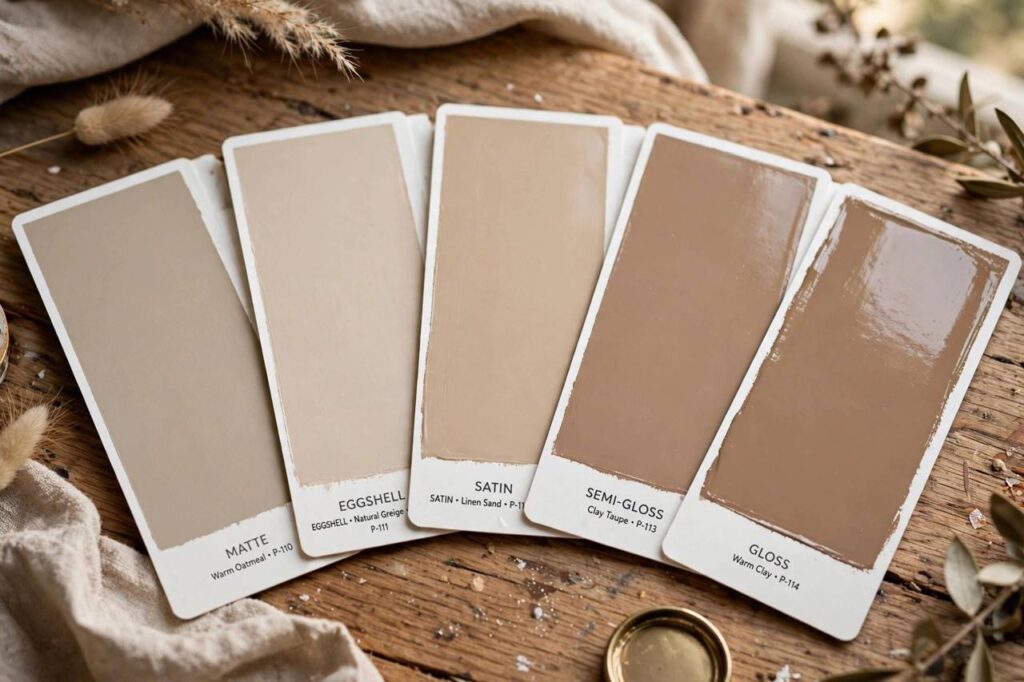
When people ask what is the best paint finish for kitchens, they are really asking a durability question disguised as a decorating question. Kitchens punish paint: steam, grease splatter, tomato sauce at velocity, sticky little handprints, and constant wiping. The wrong finish — usually flat or matte — will show every mark and fight you every time you clean it. The right finish shrugs it all off. Let me compare every sheen honestly so you pick once and pick right.
Quick primer if “sheen” is new to you: it is how shiny the dried paint looks, from flat (no shine) to high-gloss (mirror-like). More shine generally means more durability and washability — but also means every wall imperfection shows. That tradeoff is the whole decision. Here is the full lineup, worst to best for kitchens.
Every Paint Sheen, Ranked for Kitchens
Flat / Matte — avoid in kitchens
Zero shine, velvety look, hides wall imperfections beautifully — and absorbs grease like a sponge. You cannot scrub it without burnishing (shiny spots where you rubbed). Flat belongs in low-traffic bedrooms and ceilings, not within ten feet of a stove. If your kitchen walls are currently flat paint and you are fighting marks, this is why.
Eggshell — acceptable for low-splash walls
A whisper of sheen, still fairly forgiving of imperfect walls, and lightly washable. Eggshell works on kitchen walls far from the cooking zone — a breakfast nook wall, for example. But near the stove or sink, it will not survive enthusiastic scrubbing long-term. Verdict: okay for peripheral walls, not for the work zones.
Satin — the all-around winner for kitchen walls
This is my default recommendation for kitchen walls. Satin has a soft, pearl-like glow — not shiny, not flat — and it is genuinely scrubbable. Grease splatter wipes off with a damp cloth and mild detergent. It is forgiving enough for most walls while being tough enough for real kitchen life. If you paint your whole kitchen one finish, make it satin.
Semi-gloss — best for trim, cabinets, and high-abuse zones
Noticeably shiny, extremely durable, and wipes clean with almost no effort. Semi-gloss is the standard for kitchen cabinets, trim, doors, and the wall behind the stove if you have no backsplash. The downside: it highlights every bump, drip, and drywall flaw — so wall prep matters more. On smooth, well-prepped surfaces it looks crisp and professional.
High-gloss — specialty use only
Maximum durability and a dramatic, almost lacquered look — but it shows every single imperfection and every brush mark. High-gloss has its place (a statement front door, ultra-modern cabinets sprayed by a pro), but on kitchen walls it is unforgiving and visually intense. Most DIYers should skip it.
| Sheen | Washability | Hides flaws | Kitchen walls | Cabinets/trim | Cost |
|---|---|---|---|---|---|
| Flat/Matte | Poor | Excellent | No | No | $ |
| Eggshell | Fair | Very good | Peripheral only | No | $ |
| Satin | Good | Good | Yes — best pick | Okay | $$ |
| Semi-gloss | Excellent | Poor | Work zones | Yes — best pick | $$ |
| High-gloss | Excellent | Very poor | Rarely | Pro jobs | $$$ |
Which Finish Goes Where: The Kitchen Map
Do not use one finish everywhere. Here is the standard pro layout:
- Walls: satin. The sweet spot of washable and forgiving.
- Cabinets: semi-gloss (or satin for a softer look — but semi-gloss survives cabinet abuse better). Use a paint formulated for cabinets/trim, not wall paint.
- Trim, baseboards, window frames: semi-gloss. It takes kicks, mops, and vacuum bumps.
- Ceiling: flat or matte — ceilings do not get splattered (usually) and flat hides everything. Kitchen-specific ceiling paint resists moisture.
- Behind the stove (no backsplash): semi-gloss, or better yet, install a backsplash. Paint near open flame and daily grease is a losing battle long-term.
What Matters More Than Sheen
Two things, honestly, matter as much as the sheen choice:
Paint quality. A premium satin outperforms a cheap semi-gloss. Better paints have more solids, better resins, and genuinely superior washability. In a kitchen, the extra $10–15 per gallon pays for itself the first time you scrub off spaghetti sauce. Buy the good stuff for kitchens — economize on the guest bedroom.
Prep. Kitchens have a film of airborne grease on everything, and paint will not bond to grease. Degloss and degrease first: wash walls with TSP substitute or a degreasing cleaner, rinse, let dry, then prime any bare spots or stains. Skip this and even the best paint peels within a year. I have seen beautiful satin paint jobs fail in months because someone painted over a greasy wall.
What Is the Best Paint Finish for Kitchens With Kids and Pets
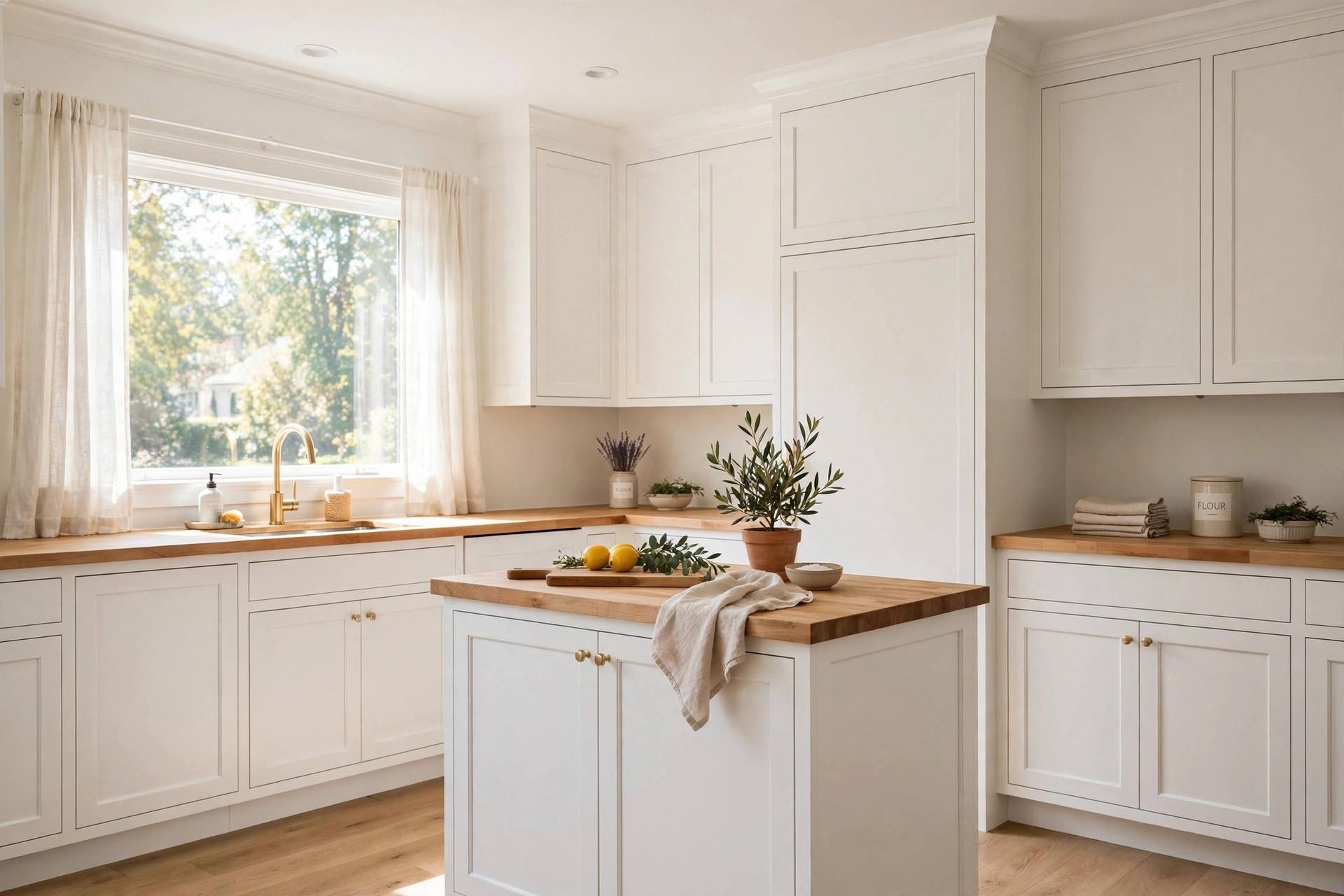
The standard advice assumes adult humans who wipe their hands on towels. If your kitchen serves small children and animals, the durability calculus shifts — you need the toughest finish you can tolerate aesthetically, because the abuse level is an order of magnitude higher.
Go one sheen glossier than you think. Where I recommend satin for typical kitchen walls, households with kids and pets should seriously consider semi-gloss on the lower walls — or at least on the high-impact zones: around the table where chairs scrape, near the pet bowls, the wall the toddler touches while eating. Semi-gloss wipes clean with a damp cloth where satin needs actual scrubbing, and scrubbing is what eventually wears any finish down. The shinier look is a small aesthetic price for walls that survive childhood.
The specific enemies and their counters: sticky handprints (semi-gloss + damp microfiber, no chemicals needed), crayon and marker (magic eraser on semi-gloss works; on satin it may dull the sheen — test first), pet nose prints on lower cabinets and doors (semi-gloss trim paint wipes clean; this is why trim should never be flat in a pet household), food flung with enthusiasm (the backsplash area — if you do not have a backsplash, semi-gloss paint is your backsplash).
Choose scrubbable formulations, not just sheen. Paint technology has moved past the old sheen categories: many manufacturers now sell “scrubbable matte” or “washable flat” lines engineered for exactly this scenario. A premium scrubbable eggshell can outperform a cheap semi-gloss. Read the label for the scrub rating (measured in scrub cycles) rather than trusting sheen alone — in the kids-and-pets kitchen, the formulation matters as much as the shine.
Plan for touch-ups, not perfection. No paint survives childhood unscathed. Buy an extra quart of your wall color and store it properly (cool, dry, sealed tight — it keeps for years). Keep a small artist’s brush for chip touch-ups. Touch up quarterly and the walls look fresh indefinitely; wait three years and you are repainting the room. Maintenance beats perfection, every time.
And one piece of hard-won advice: involve the kids in the repainting when the time comes. A child who helped paint the wall treats it noticeably better afterward. It is not a paint finish, but it is the most effective wall protection I know.
Frequently Asked Questions
Can I use the same paint finish throughout my whole kitchen?
You can, and satin is the one finish that works acceptably everywhere — walls, and in a pinch trim. But the pro move is satin walls plus semi-gloss trim and cabinets. The two-finish approach costs nothing extra (you are buying two gallons either way) and performs noticeably better.
Is satin or semi-gloss better for kitchen cabinets?
Semi-gloss, for durability — cabinet doors take constant touching, and semi-gloss wipes clean easiest. That said, satin-finish cabinet paints have improved enormously and many homeowners prefer the softer look. Either works if you use paint actually formulated for cabinets; do not use wall paint on cabinets regardless of sheen.
How do I clean satin paint without damaging it?
Damp (not soaking) microfiber cloth with a drop of dish soap, gentle pressure, then a clean damp cloth to rinse. Avoid abrasive scrubbers and harsh chemicals — they dull the sheen unevenly. For grease near the stove, a degreasing cleaner cut with water works; test in an inconspicuous spot first.
Do I need primer in the kitchen?
Over previously painted, sound surfaces: a quality paint with primer built in is usually fine. Over bare drywall, patched areas, stains, or dramatic color changes: yes, use a dedicated primer. Kitchens with water stains or smoke damage need a stain-blocking primer — regular primer will let the stain bleed through.
How long should kitchen paint cure before I scrub it?
Paint feels dry in hours but cures in 2–4 weeks. Be gentle with fresh paint for the first month — light wiping only. Scrubbing a week-old paint job can burnish or peel it even if the sheen is right. Plan your painting so the heavy cooking resumes after the cure window if you can.
Should kitchen paint be oil-based or latex (water-based)?
Water-based (latex/acrylic) for nearly everyone now. Modern acrylic paints have closed the durability gap with old oil-based paints while being far easier to work with — faster drying, soap-and-water cleanup, lower fumes, and they do not yellow over time the way oil paints do. Oil-based still has niche uses (some pros prefer it for ultra-smooth cabinet finishes), but it is increasingly restricted by VOC regulations and harder to buy. For kitchen walls, a quality acrylic satin or semi-gloss is the right answer in 2026.
How many coats of paint do kitchen walls need?
Two full coats over primer (or over sound existing paint) — one coat is never enough, regardless of what the can promises. The first coat seals and builds, the second delivers uniform color and the full durability of the finish. Kitchens deserve the second coat more than any other room because washability comes from film thickness; a single thin coat will scrub through to the old color within a year. Budget your paint and your weekend for two coats, and do not skip the drying time between them.
The Short Answer
What is the best paint finish for kitchens? Satin on the walls, semi-gloss on cabinets and trim, flat on the ceiling — in a quality paint, over properly degreased and prepped surfaces. That combination handles everything a working kitchen throws at it and still looks good doing it. The sheen decision takes five minutes; the prep takes a weekend. Respect both and your paint job will outlast your appliances.