Why Is Voter Turnout Low? The Real Reasons Explained

In election after election, in country after country, the same quiet story plays out: a large share of eligible citizens simply does not vote. Not because they are forbidden, not because they forgot democracy exists — they just stay home. Why is voter turnout low? The answers researchers have found are less about apathy than most people assume, and more about a tangle of practical barriers, institutional design, and rational calculation.
This is not a scolding. Non-voters are not a monolith of the lazy and uninformed — studies consistently show they are disproportionately young, lower-income, and less formally educated, which points to structural causes rather than character flaws. Understanding the real reasons is the first step toward fixing them, so let us look at what the evidence actually says.
Why Is Voter Turnout Low? Start With the Practical Barriers
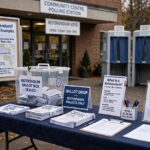
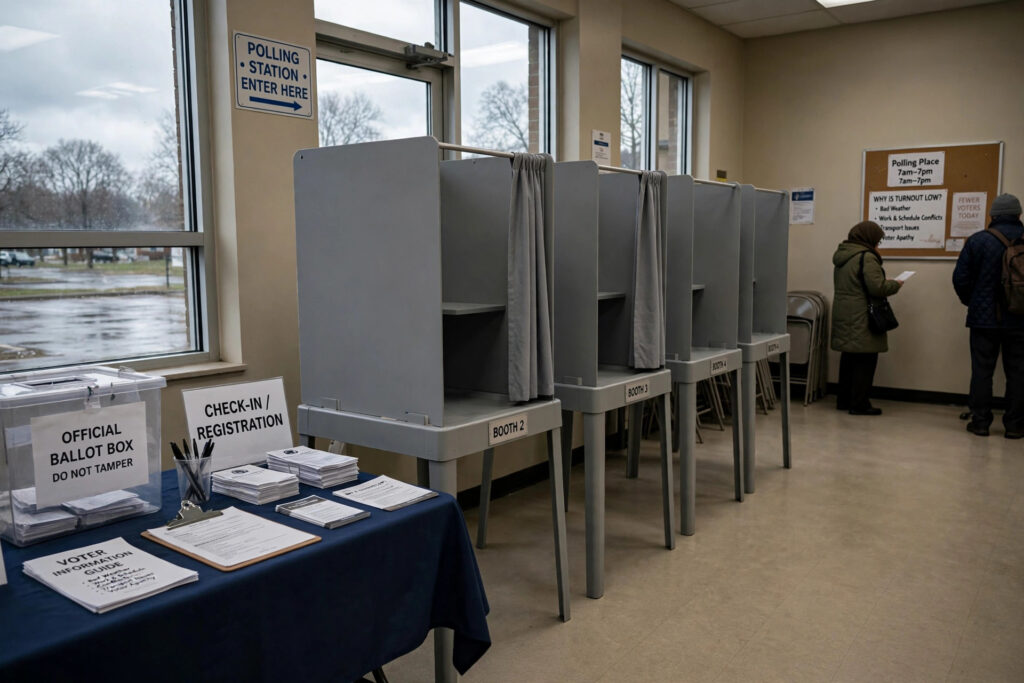
The single most underappreciated reason people do not vote is also the most boring: voting is inconvenient, and inconvenience is a remarkably effective suppressant. Consider what voting asks of a person in many places: register in advance (sometimes weeks ahead), figure out where and when to vote, arrange time off work, travel to the polling place, wait in line, and navigate a ballot that may include dozens of unfamiliar races and measures.
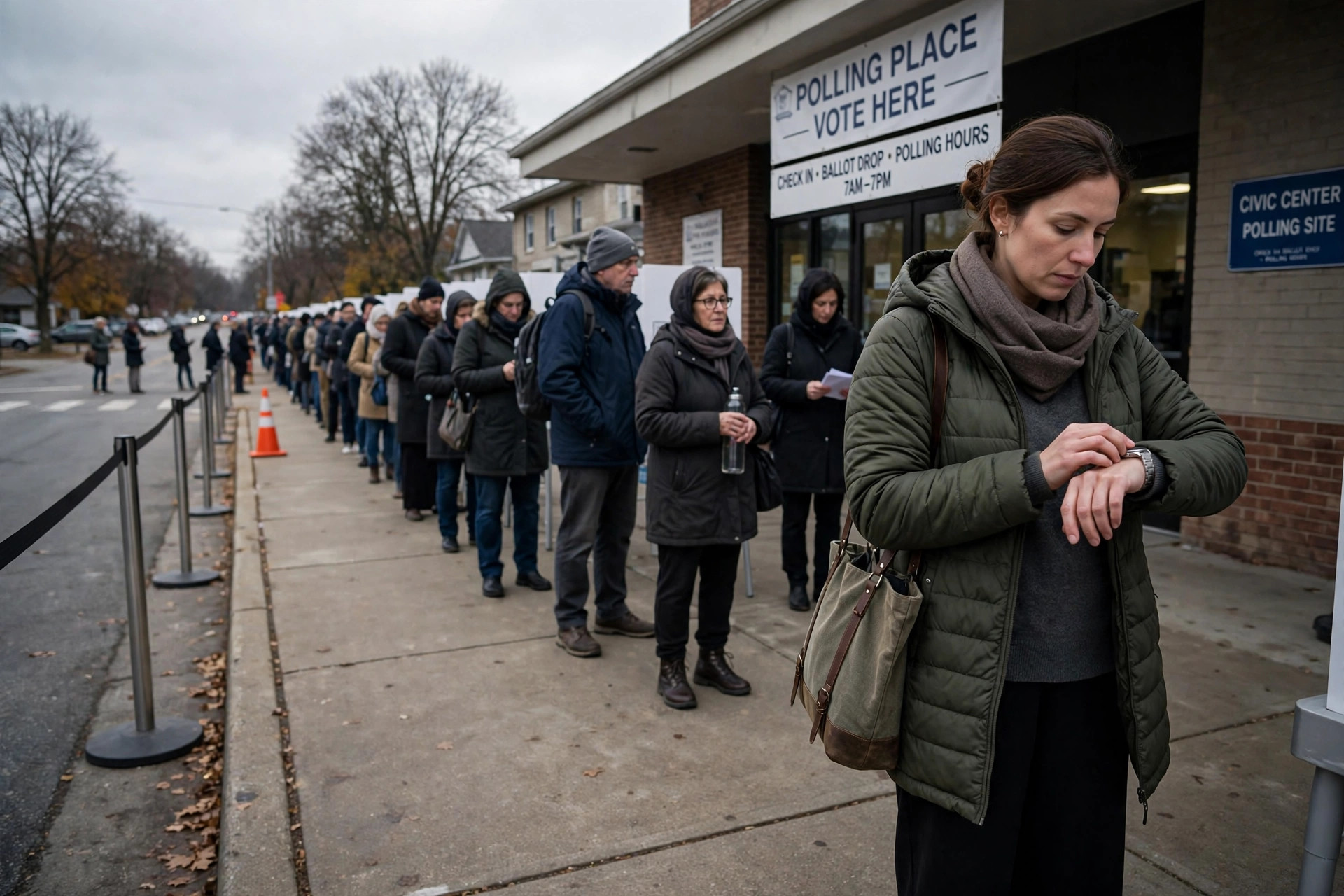
Each step loses people. Registration deadlines alone disenfranchise large numbers of would-be voters who become interested too late — motivation often peaks in the final days of a campaign, exactly when registration has closed in many jurisdictions. Long lines at under-resourced polling places fall hardest on hourly workers who cannot afford to wait. Voter ID requirements, while defended as security measures, create friction that disproportionately affects people without driver’s licenses — often the young, the elderly, and the urban poor.
The research pattern is consistent: wherever voting is made easier — same-day registration, vote-by-mail, extended early voting, automatic registration — participation rises. Convenience is not a footnote to turnout; in many elections, it is the story.
The Timing Problem: When Elections Happen Matters Enormously
One of the strongest predictors of turnout has nothing to do with the candidates: it is when the election is held. Elections held on workdays suppress participation compared to weekends or holidays. Off-cycle elections — those held in odd years or at odd times, separate from major national races — routinely draw a fraction of presidential-year turnout.
This is not mysterious. Voting on a Tuesday requires most people to fit democracy between shifts, commutes, and childcare. Countries that vote on weekends or declare election-day holidays remove that conflict by design. And when local elections are scheduled separately from high-profile races, only the most motivated show up — which is precisely why some jurisdictions deliberately keep them separate, and why reformers push to consolidate them.
The lesson is uncomfortable for anyone who blames voters: large turnout gaps are often a scheduling decision wearing the disguise of civic virtue. Fix the schedule, and the virtue largely takes care of itself.
“My Vote Doesn’t Matter”: The Rational Calculation
Ask non-voters why they stayed home and you will hear a version of this constantly: one vote never decides anything, so why bother? Political scientists call this the paradox of voting — from a strictly self-interested view, the costs of voting (time, effort, information) exceed the expected benefit, since any single ballot is extraordinarily unlikely to tip an outcome.
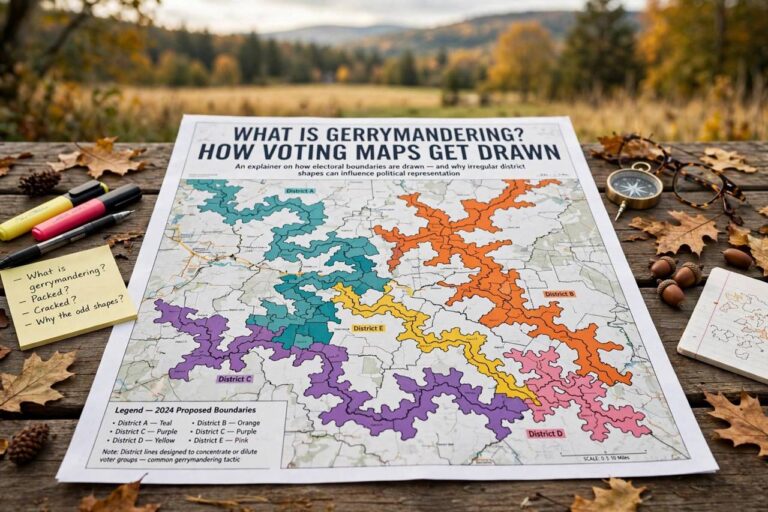
This logic is strongest where elections are uncompetitive. In safe districts and one-party regions, the outcome is effectively known in advance, and voters correctly perceive that their ballot changes nothing. Low competition is one of the most reliable turnout depressants researchers have found — and it connects directly to how districts are drawn and how parties allocate resources.
There is also a subtler variant: voters who feel no meaningful choice is on offer. When both candidates seem indistinguishable, untrustworthy, or unresponsive to a voter’s concerns, abstention can feel like the honest response. “They’re all the same” is often dismissed as cynicism, but for voters whose lives genuinely do not change with the winner, it is an empirical observation.
Trust, Alienation, and the Representation Gap
Beyond logistics and logic sits something harder to measure: whether people believe the system works for them. Turnout is consistently lower among groups who feel unrepresented — who look at the candidates, the parties, and the outcomes and see nothing addressed to their lives. This is not apathy; it is alienation, and it is rational.
Young voters illustrate the dynamic sharply. They vote at lower rates than older citizens almost everywhere, and the gap is not just about habit — it reflects a sense that politics speaks a language of mortgages, pensions, and established interests while their concerns (housing costs, climate, precarious work) get marginal attention. When campaigns do speak to young voters directly and credibly, youth turnout jumps — which tells you the potential voters were there all along, waiting to be asked.
Scandals, broken promises, and the perception that money dominates politics deepen the wound. Each cycle of disappointment teaches a cohort that participation does not pay, and that lesson compounds across generations within families and communities.
The Information Burden Nobody Talks About
Voting well is work. A typical ballot asks voters to decide not just the headline race but judges, sheriffs, school boards, ballot initiatives, and constitutional amendments — often with minimal accessible information about the down-ballot choices. Faced with a long ballot and short knowledge, many people do the responsible thing as they see it: skip the races they do not understand, or skip the election entirely rather than vote ignorantly.
This burden falls unevenly. Well-resourced voters get voter guides, endorsements from trusted organizations, and the leisure to research. Less-connected voters get a confusing ballot and little help. The result is a participation gap that mirrors every other resource gap in society — which means low turnout is partly a symptom of inequality, not just a cause of it.
Reformers have proposed shorter ballots, better official voter guides, and clearer ballot language. The deeper fix is civic: a public that encounters politics only at election time will always find the ballot bewildering.
What Actually Raises Turnout
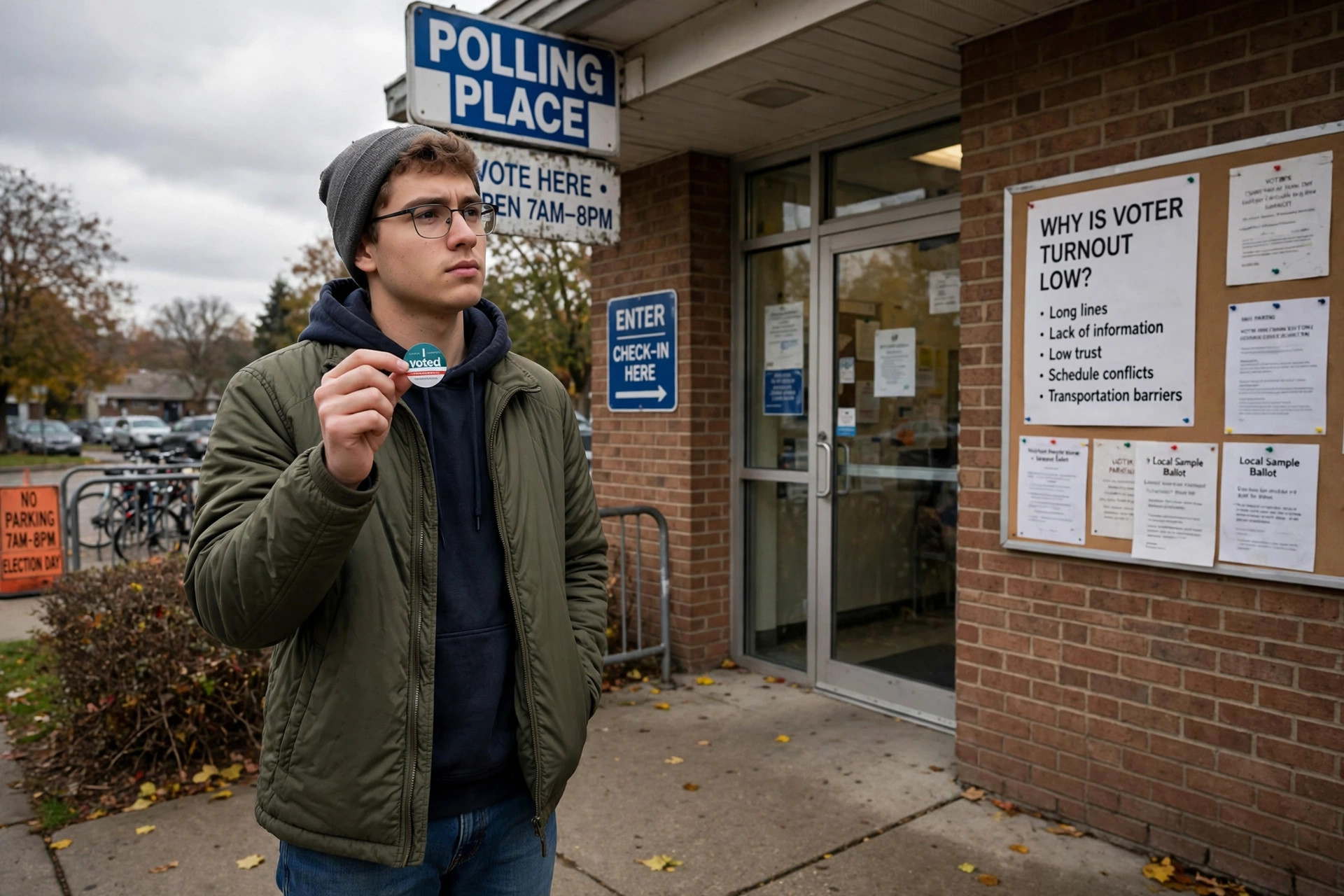
The encouraging news is that turnout responds to design. The interventions with the strongest evidence behind them:
Make registration automatic or same-day. Removing the advance-registration hurdle consistently brings in voters who would otherwise miss deadlines — disproportionately the young and the mobile.
Expand when and how people can vote. Early voting periods, no-excuse mail ballots, and weekend or holiday election days all reduce the scheduling conflict that keeps workers home.
Make elections competitive and consequential. Competitive races draw voters; foregone conclusions repel them. Anything that increases real competition — fairer districts, viable challengers, ranked-choice systems that reduce “wasted vote” logic — helps.
Ask people, personally. The humble ground game — canvassing, neighbor-to-neighbor contact, community organizing — remains one of the most effective turnout tools ever measured. A personal ask from someone you know outperforms any advertisement. Social pressure works too: simply telling people their neighbors vote raises participation.
Lower the information barrier. Clear, neutral voter guides and accessible candidate information turn “I don’t know enough” from a reason to stay home into a solvable problem.
Notice what is not on the list: shaming non-voters. Moralizing about civic duty has a poor track record. Systems that make voting easy outperform lectures about making voters diligent — every time. The ballot box fills when the path to it is clear, not when the scolding gets louder.
The Habit Factor: Voting Is Learned, Not Innate
One of the most hopeful findings in turnout research is also the simplest: voting is a habit. People who vote in one election are far more likely to vote in the next, and people who are mobilized to vote for the first time often keep voting for years. The corollary is sobering — missing those first elections can mean missing the habit entirely.
This is why first-time voter outreach matters out of proportion to its immediate numbers. Registering an eighteen-year-old and getting them to the polls is not just one vote; it is potentially decades of votes. Schools, families, and communities that treat a first election as a milestone — the way they treat getting a driver’s license — plant a behavior that compounds.
It also explains the age gap differently. Older citizens do not vote more merely because they care more; they vote more because they have voted before, dozens of times, until it became what they do in November. Turnout, in this light, is less a measure of civic virtue than of accumulated practice — and practices can be taught.
Frequently Asked Questions
Is low voter turnout a new problem?
No — turnout has fluctuated for as long as mass democracy has existed, and many democracies have never achieved universal participation. What is relatively new is the detailed research showing how much of non-voting is structural rather than attitudinal.
Do young people really vote less than older people?
Yes, in virtually every democracy studied. The gap narrows as people age — voting is partly a habit formed through repetition — but it also reflects genuine differences in how addressed young citizens feel by political campaigns and institutions.
Does compulsory voting work?
Countries with enforced compulsory voting, like Australia, achieve very high turnout. It works mechanically, but it is a contested remedy: critics argue it forces the uninformed to vote and treats a symptom, while supporters counter that universal participation changes what politicians must care about — when everyone votes, ignoring any group becomes electorally dangerous.
Would voting by mail or online fix turnout?
Mail voting reliably raises turnout by reducing friction, and several places that adopted it broadly saw lasting gains. Online voting remains controversial over security concerns and has not been widely adopted for major elections. Convenience helps; no single method is a complete fix.
Does low turnout favor one party?
It depends on the country and the election — the partisan effects of turnout shifts are debated and vary by context. What is clearer is that low turnout skews the electorate toward older, wealthier, and more established voters, which shapes what issues get attention regardless of party.