What Is a Monochromatic Outfit? The Stylist’s Guide

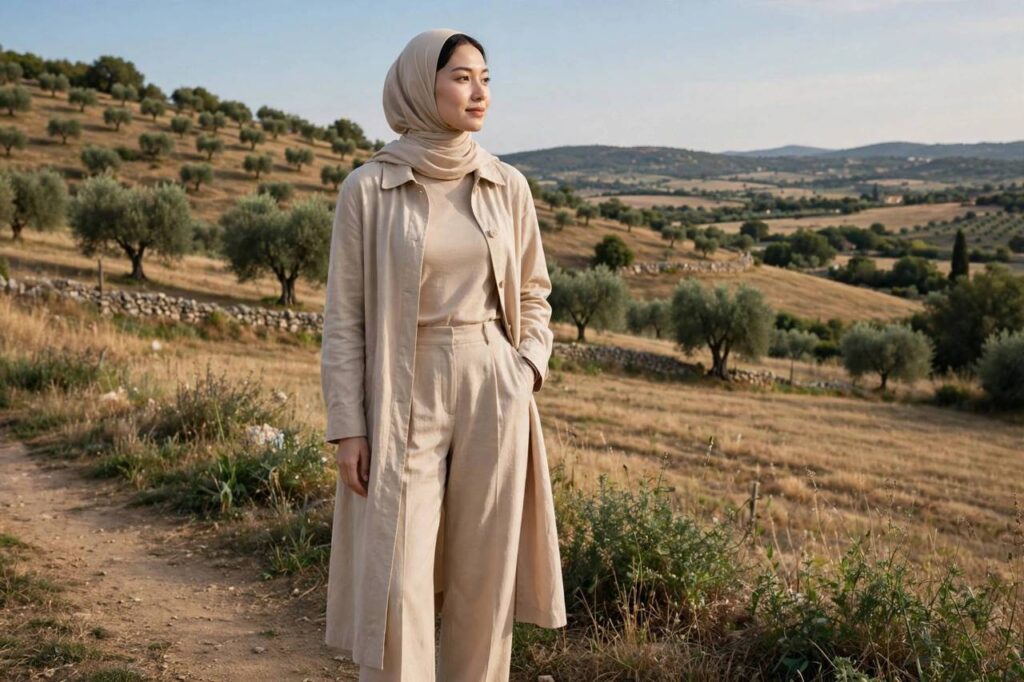
If you have ever wondered what is a monochromatic outfit, the answer is beautifully simple: it is a look built from a single color, worn head to toe in varying shades and textures. A cream sweater with ivory trousers and tan boots. A charcoal blazer over a black turtleneck with dark gray jeans. One color family, zero guesswork, maximum polish. Stylists have relied on this trick for decades because it does something no other styling formula does quite as well — it creates one long, unbroken visual line that makes you look taller, leaner, and effortlessly put together. Here is how the technique works, why it flatters nearly everyone, and how to build monochromatic looks from the wardrobe you already own.
What Is a Monochromatic Outfit, Exactly?
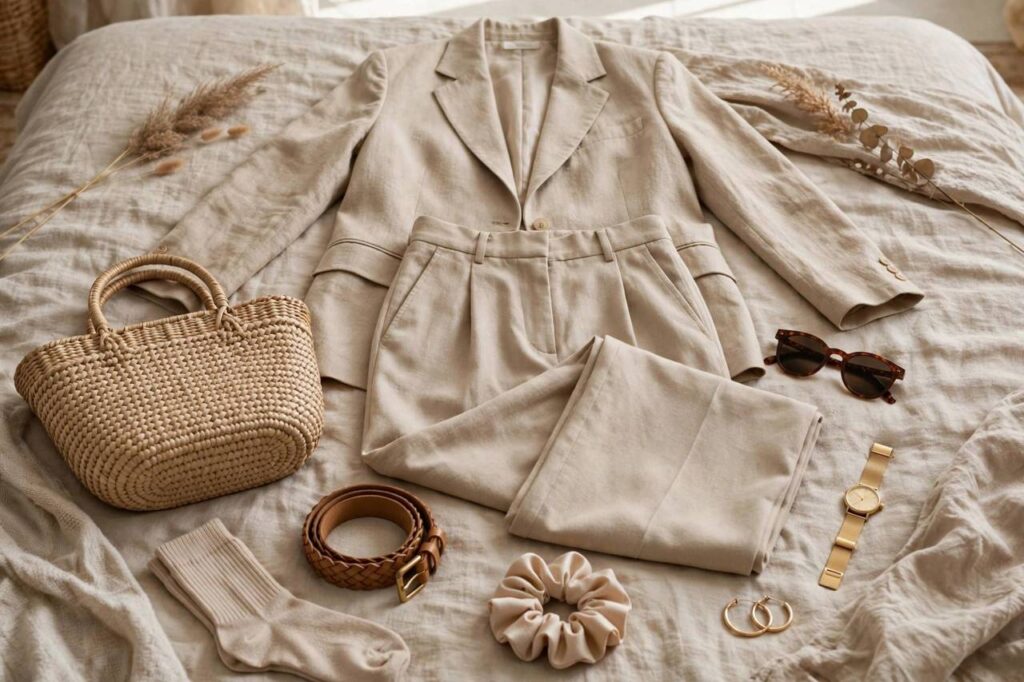
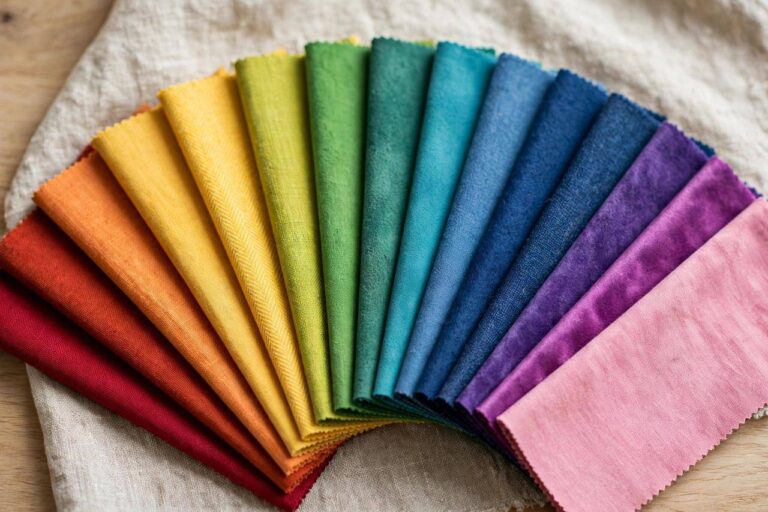
A monochromatic outfit uses tints, tones, and shades of one hue across every piece you are wearing. The key word is variation. Wearing the exact same flat black from head to toe can look like a uniform; wearing black, charcoal, and soft gray together looks intentional and rich. The magic is in the mix of textures. A silk blouse, wool trousers, and leather boots in the same color family catch light differently, and that interplay keeps the eye moving. That is what separates a chic tonal look from simply “wearing all black because it was clean.” The technique works with any color, but some are more forgiving for beginners. Neutrals — black, white, cream, camel, navy, gray — are the easiest entry point because most wardrobes already contain them. Jewel tones like emerald, burgundy, and sapphire make a bolder statement and photograph beautifully. Pastels, worn tonally, read soft and romantic. The only real rule: stay within the family. A navy blazer with royal blue trousers works. A navy blazer with teal trousers starts drifting into color-blocking, which is a different technique entirely.
Why Stylists Swear by the Single-Color Formula
There are practical reasons this trick never leaves the runway. First, the elongating effect is real. When no horizontal color break interrupts your silhouette — no white shirt tucked into dark jeans cutting you visually in half — the eye travels smoothly from shoulder to shoe, and you read as taller. Petite women have used this for years, but it flatters every height and body type. Second, it makes getting dressed dramatically easier. Decision fatigue is real, and a monochromatic rule narrows infinite combinations down to a simple question: which shade of this color goes with which? Third, tonal dressing reads as expensive even when it is not. A head-to-toe cream look in high-street fabrics looks more luxurious than a mixed outfit of designer pieces that do not coordinate, because cohesion itself signals intention. Fourth, it is the most forgiving way to wear bold color. A full red outfit sounds intimidating until you try it in deep burgundy with texture variation — suddenly it is sophisticated, not loud. If you are building a wardrobe that works harder with fewer pieces, tonal dressing pairs naturally with a capsule wardrobe approach, where a tight color palette means everything mixes with everything.
Building Your First Monochromatic Look
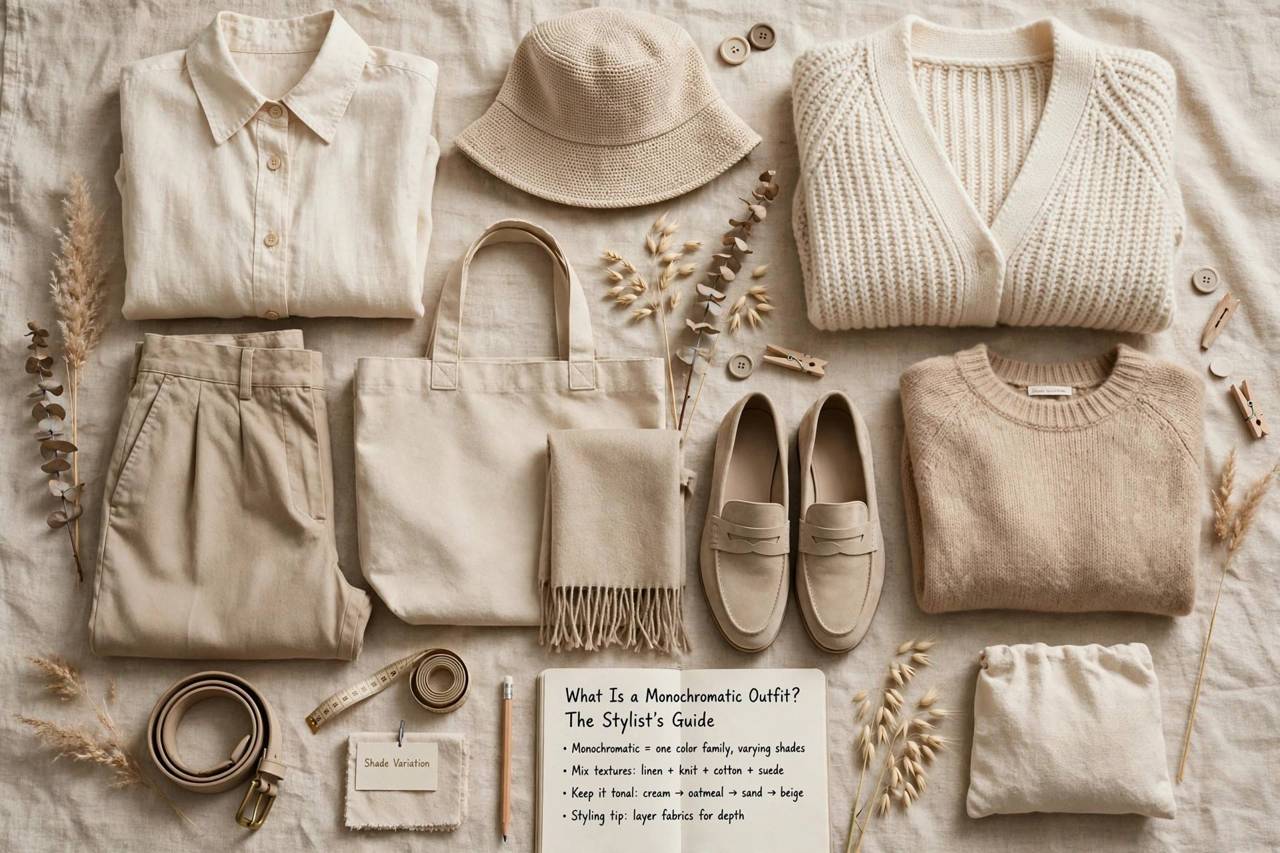
Start with the neutrals you already own. Pull every cream, beige, camel, and white piece from your closet and lay them on the bed. You will be surprised how many tonal combinations appear. The formula I give every client: pick a base color, then choose three pieces in three different shades or textures of it. A camel coat, a cream knit, tan trousers, nude flats — done, and it looks considered. Fit matters more than usual in tonal dressing because there are no contrasting colors to distract the eye; make sure trousers break cleanly and sleeves hit right. Then add one deliberate contrast point, kept small: a gold necklace, a tortoiseshell belt, a structured bag in a complementary neutral. This single accent keeps the look from feeling flat. For evening, black-on-black with mixed textures — satin, velvet, leather — is unbeatable, and it gives you a perfect canvas if you are dressing for an event and need after-party outfit inspiration that photographs well in low light. The most common beginner mistake is wearing pieces that are almost but not quite the same color in the same flat fabric — two slightly-off blacks in identical cotton read as a laundry accident. Vary the texture and the near-miss becomes a feature.
Monochromatic Dressing for Every Season
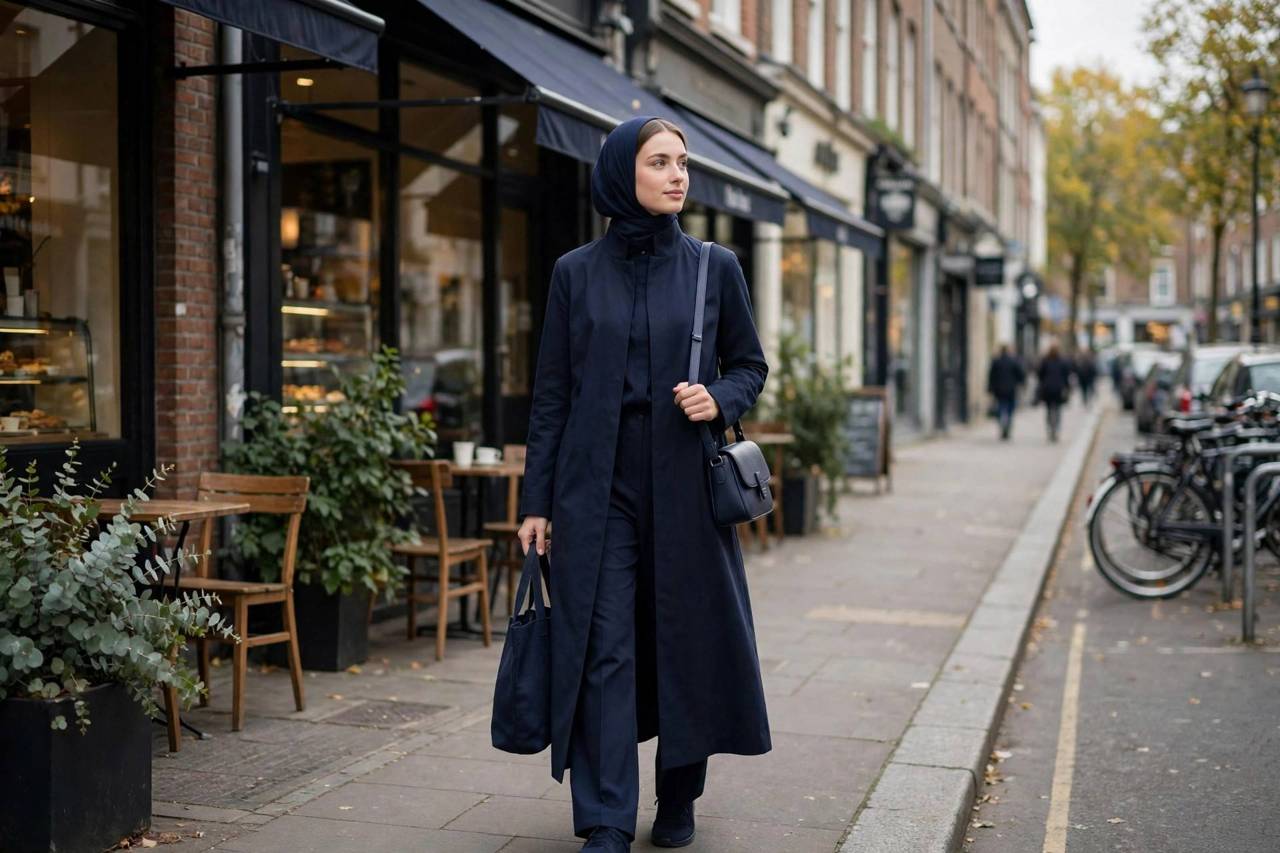
The technique adapts to weather beautifully. In winter, tonal layering is at its best: a charcoal coat over a gray sweater, dark denim, and black boots creates depth through fabric weight alone. Add a scarf in a lighter shade of the same family for dimension. Spring belongs to creams, whites, and soft pastels — an all-ivory look with a trench coat is timeless, though keep a stain stick in your bag. Summer tonal dressing works in breathable fabrics: a sand-colored linen shirt with slightly darker linen trousers, or head-to-toe white in cotton and eyelet. In autumn, lean into camel, rust, chocolate, and olive — the season’s natural palette practically begs for tonal outfits. For the office, navy and gray tonal looks project authority without the severity of full black; a navy suit with a lighter blue shirt and deeper blue tie or scarf is a classic for a reason. One seasonal caution: all-white in winter and all-black in high summer both fight the light. Match the value of your color to the season — lighter tones when the sun is strong, deeper tones when it is not — and the look always feels appropriate.
Advanced Moves: Prints, Accessories, and Breaking the Rules
Once the basics feel natural, you can play. A tonal print — pinstripes, houndstooth, or a subtle floral in two shades of the same color — counts as monochromatic and adds visual interest without breaking the formula. Try it in one piece while keeping the rest solid. Accessories deserve attention because in a single-color outfit, they carry more weight. Shoes in a slightly deeper shade ground the look; a bag in a contrasting texture becomes the focal point. Jewelry in warm metals against cool-toned outfits (or vice versa) adds a quiet spark. Makeup can join the scheme too — a burgundy lip with a burgundy-toned outfit is a power move when the rest of the face stays neutral. When should you break the single-color rule? A tonal outfit with one intentional pop — a red bag with an all-beige look, emerald shoes with black — works when the pop is clearly deliberate and limited to one item. Two pops start looking accidental. And remember that “monochromatic” describes the outfit, not the person: your skin tone, hair, and the undertones that flatter you should guide which color family you choose. Warm complexions glow in camel, rust, and olive; cool complexions shine in navy, gray, and jewel tones.
Shopping Smart for a Tonal Wardrobe
You do not need to buy a whole new wardrobe to dress monochromatically — you need to shop with intention going forward. Audit your closet first and identify which color family you already own most of; that is your starting palette. When you shop, bring a swatch or a photo of the exact shade on your phone so new purchases actually match. Natural light is the only reliable judge of color — store lighting lies, so check garments near a window or step outside. Invest in the pieces that anchor tonal looks: well-fitting trousers, a quality knit, and a coat in your core neutrals, because these get worn constantly. Save money on the trendy tonal pieces you will wear for one season. And learn your undertones once and for all: hold gold and silver fabric near your face in daylight and notice which makes your skin look healthier. That single test prevents years of buying “your color” in the wrong temperature. Build slowly, one considered piece at a time, and within a season you will have a wardrobe where getting dressed takes five minutes and always looks deliberate.
Monochromatic Outfit Mistakes That Ruin the Effect
Tonal dressing is simple, which means the mistakes stand out. The most common is the near-miss: two pieces that are almost the same color in the same flat fabric, like a black top that is slightly faded next to true-black trousers. Under indoor light they clash just enough to look like a laundry accident. Fix it by varying texture — the faded black works fine as a soft knit against structured black trousers — or commit to clearly different shades. The second mistake is ignoring undertone. A warm camel coat over cool gray trousers fights itself because the undertones disagree; keep warms with warms and cools with cools and the outfit harmonizes. Third is forgetting the third dimension: a head-to-toe look in one flat matte fabric with no accessories looks unfinished. Texture variation and one deliberate accent — a belt, a bag, jewelry — give the eye somewhere to rest. Fourth is fit. In a multicolor outfit, a slightly off fit hides behind visual noise; in a monochromatic look, every proportion is visible, so hems and tailoring matter more. Fifth is wearing the wrong shade for your coloring. An all-beige outfit can wash out very fair skin, and head-to-toe black can overwhelm very petite frames unless broken with texture. The fix is not abandoning the technique — it is choosing your color family honestly. Try the outfit in daylight, photograph it, and trust the photo over the mirror. Cameras do not flatter; they report.
Frequently Asked Questions
Does a monochromatic outfit have to be exactly one color?
No — in fact, it should not be. True monochromatic dressing uses different shades, tints, and tones of one color family. The variation in shade and texture is what makes the look interesting. Wearing the identical flat shade everywhere tends to look like a uniform rather than a styled outfit.
What colors work best for monochromatic outfits?
Neutrals are the easiest starting point: black, white, cream, camel, navy, and gray. They are the most forgiving and the easiest to find in varied textures. Once comfortable, try jewel tones like emerald or burgundy for more drama, or pastels for a softer effect.
Do monochromatic outfits make you look slimmer?
They create an unbroken vertical line that the eye follows from top to bottom, which reads as taller and leaner. It is an optical effect rather than actual slimming, but it is one of the most reliable styling illusions, and it works at any size.
Can I wear prints in a monochromatic outfit?
Yes, as long as the print stays within the single color family — think navy pinstripes, gray houndstooth, or a tonal floral. One printed piece mixed with solids in the same family adds interest while keeping the monochromatic effect intact.
How do I keep an all-one-color outfit from looking boring?
Vary textures, add one small contrasting accessory, and pay attention to fit. Silk against wool against leather in the same color family creates visual richness. A single accent — a gold necklace, a structured bag, a bold lip — gives the eye somewhere to land.