What Does Al Dente Mean? (And How to Nail It Every Time)

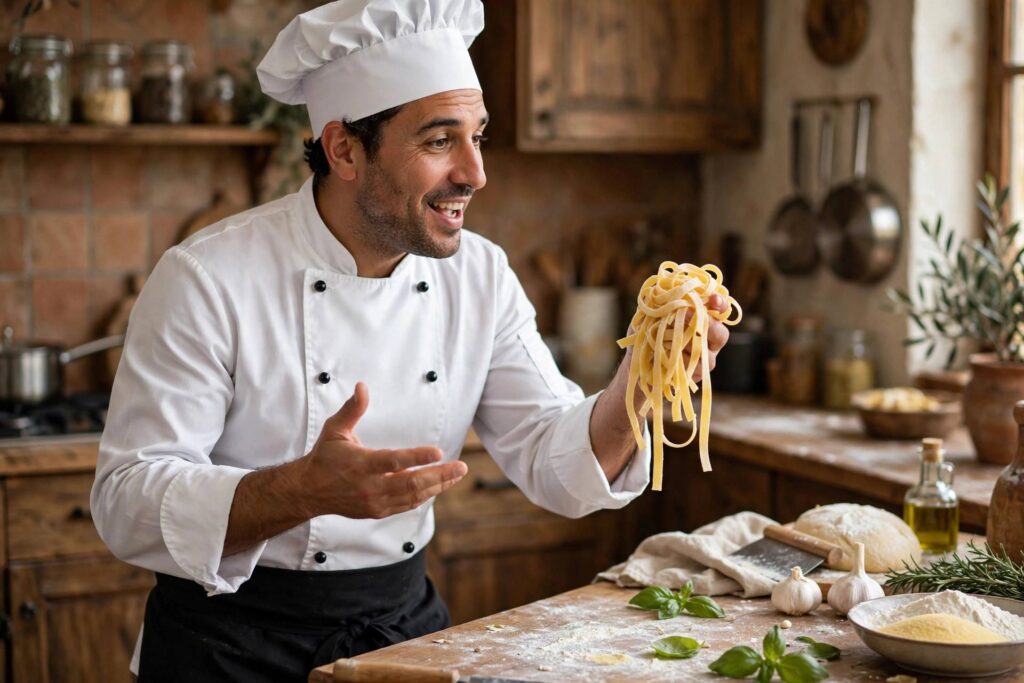
You’ve seen it in every pasta recipe: “cook until al dente.” And maybe you’ve nodded along while secretly wondering — what does al dente mean, exactly? How is it different from just… cooked? And how do you know when you’ve hit it? As someone who has cooked more pots of pasta than I can count, let me demystify this little Italian phrase once and for all — because understanding it is the difference between good pasta and great pasta.
We’ll cover the literal meaning, what it feels like, how to achieve it reliably, the science of why it matters, and how it applies beyond pasta.
What Does Al Dente Mean? The Literal Answer
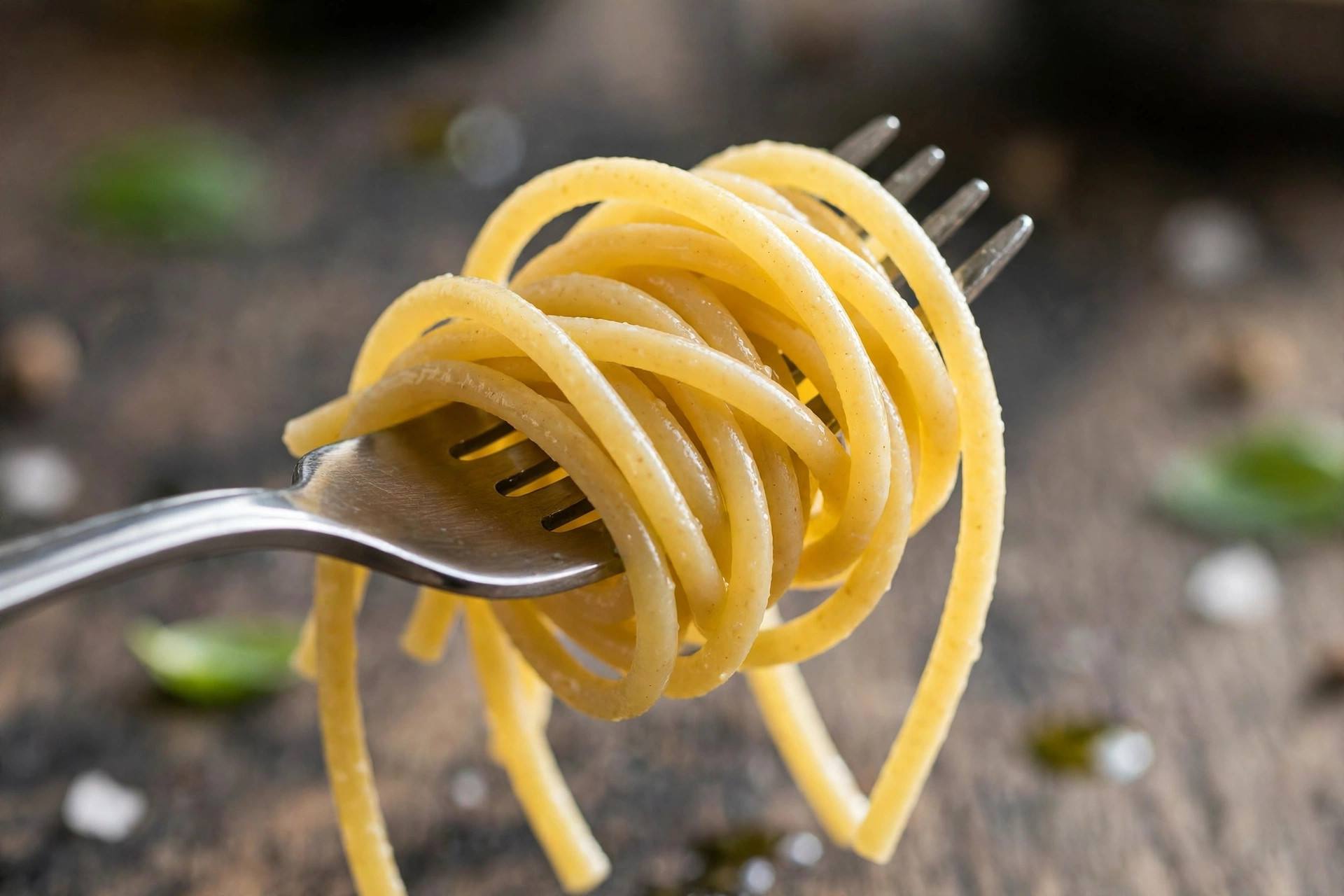
Al dente is Italian for “to the tooth.” It describes pasta cooked until it’s tender but still firm when bitten — offering slight resistance in the center rather than going soft all the way through. Not crunchy, not raw — just a pleasant, subtle bite at the core.
Think of it as a spectrum: on one end, undercooked pasta that’s chalky and hard in the middle; on the other, overcooked pasta that’s mushy and limp. Al dente is the sweet spot — fully cooked and pleasant to eat, with a firm backbone. If you cut a piece of spaghetti in half and look at the cross-section, al dente pasta shows a tiny pale dot in the very center. That dot is the goal.
This isn’t food snobbery — it’s texture, and texture is half of flavor. Mushy pasta can’t hold sauce properly, falls apart when tossed, and has a flat, baby-food mouthfeel. Al dente pasta has character: it stands up to sauce, keeps its shape, and gives your teeth something to do. Once you taste the difference side by side, there’s no going back.
Why Al Dente Matters (The Science Bit)
There’s real food science behind the preference. Pasta is mostly starch, and as it cooks, starch granules absorb water and swell — this is gelatinization. Cook it just right and the starch is tender but intact; overcook it and the granules burst, releasing starch into the water and turning the pasta gummy.
This matters for sauce, too. Properly cooked al dente pasta has a slightly rough surface that sauce clings to; overcooked pasta goes slick and the sauce slides right off into a puddle at the bottom of the bowl. Ever wonder why restaurant pasta tastes better with the “same” sauce? This is a big part of it — along with finishing the pasta in the sauce, which we’ll get to.
There’s even a nutritional angle: al dente pasta has a lower glycemic index than overcooked pasta, meaning it digests a bit more slowly and keeps you satisfied longer. Firmer pasta, happier blood sugar — a nice bonus for doing it right.
How to Cook Pasta Al Dente: Step by Step
1. Use plenty of water. A large pot, lots of aggressively salted water (it should taste like the sea). Plenty of water keeps the temperature stable when pasta goes in and gives the noodles room to move — crowded pasta cooks unevenly and sticks.
2. Don’t trust the package time blindly. The time on the box is a starting guideline, not gospel. Altitude, pasta shape, brand, and even the pot affect timing. Start tasting 2 minutes before the package time.
3. Taste, don’t guess. This is the whole secret: fish out a piece and bite it. You’re looking for tender with a firm core — resistance without crunch. When you think “one more minute,” it’s often done right now. Pasta keeps cooking from residual heat, so err on the early side.
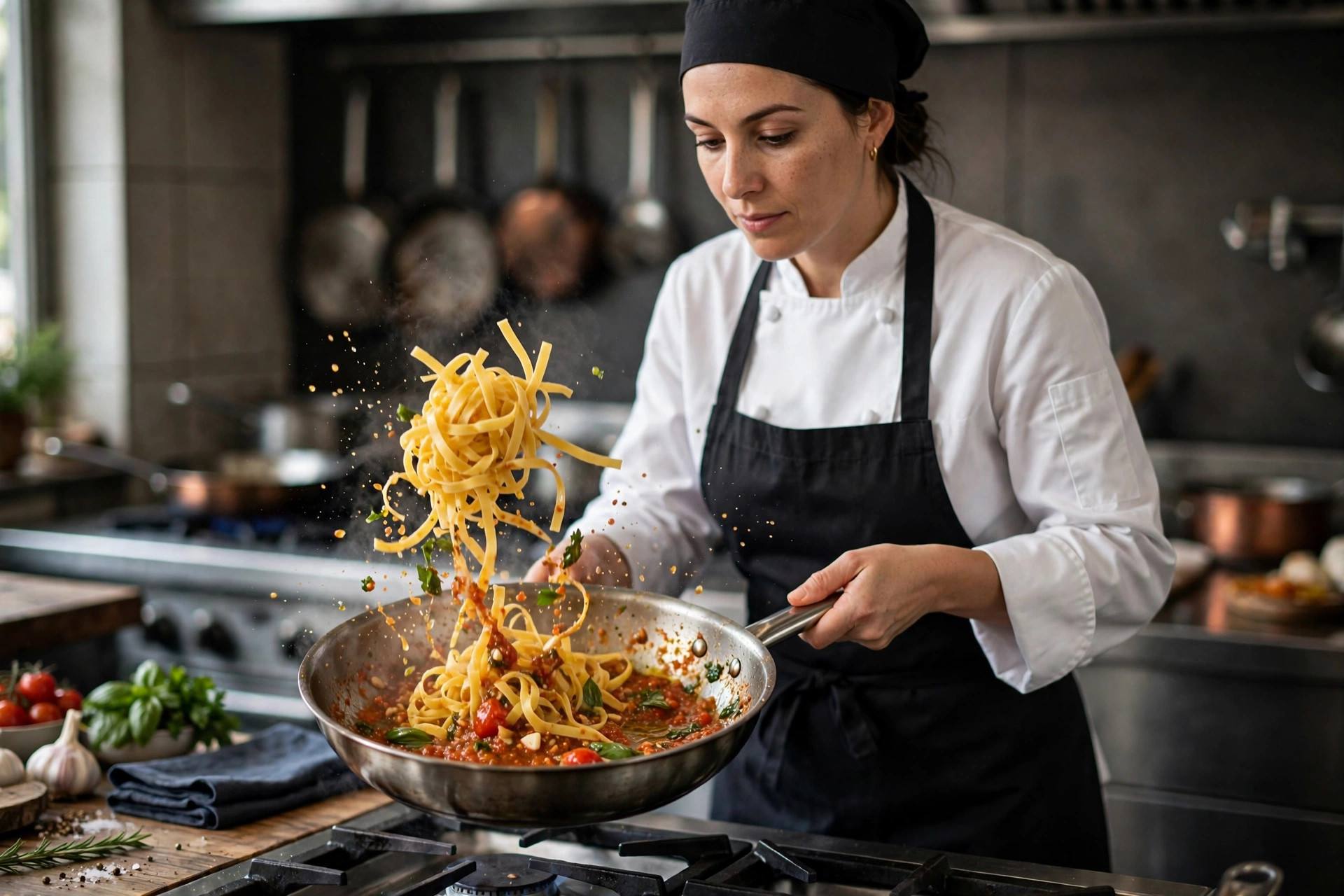
4. Finish in the sauce. Drain the pasta 1-2 minutes before it reaches perfect al dente, then toss it in the pan with your sauce over heat for the final minute or two, adding splashes of starchy pasta water. The pasta absorbs the sauce, the starch thickens everything into a glossy coating, and the texture lands exactly right. This single technique elevates home pasta more than any ingredient upgrade.
5. Serve immediately. Pasta waits for no one. Have your bowls warm, your table ready, and serve the moment it’s done. Two minutes sitting in a colander is the difference between perfect and past-it.
Two details that separate good pasta from great pasta. First, salt the water like the sea — and I mean it. The water should taste pleasantly salty, like seawater. Most home cooks use a timid pinch; you want roughly a tablespoon per gallon. The pasta absorbs this seasoning as it cooks, and it’s the difference between pasta that tastes like something and pasta that tastes like nothing with sauce on top. Second, save a cup of pasta water before draining. That cloudy, starchy liquid is liquid gold — a splash of it helps the sauce cling to the pasta instead of pooling at the bottom of the bowl. Restaurants do this without thinking; home cooks forget it constantly. Put the mug by the colander as a reminder until it’s habit.
And on timing: start tasting two minutes before the package says. Package times assume a rolling boil and often aim for the softer end of the spectrum. Your stove, your pot, your altitude — they all shift the timing. The package is a suggestion; your teeth are the authority.
Common Al Dente Mistakes
Adding oil to the water. It doesn’t prevent sticking (stirring does that) and it coats the pasta so sauce can’t cling. Skip it.
Not salting enough. This is your only chance to season the pasta itself. Unsalted pasta tastes flat no matter how good the sauce is. Be generous — most of the salt stays in the water.
Rinsing the pasta. Rinsing washes off the surface starch that helps sauce adhere. The only time to rinse is for cold pasta salads, where you want to stop the cooking and prevent sticking.
Breaking long pasta. It fits in the pot — lay it across, and within 30 seconds the submerged ends soften enough to bend the rest in. Breaking it is a tragedy of texture and tradition alike.
Walking away. Pasta goes from al dente to overdone in about 90 seconds. Stay close, taste often, and trust your teeth over the timer.
The mistake I see most often isn’t undercooking — it’s cooking the pasta fully and then adding it to the sauce. Pasta keeps cooking from residual heat even after draining, so pasta that’s “perfect” in the colander is overcooked by the time it hits the table. The fix: drain it a full minute early and finish it in the pan with the sauce, tossing for 60-90 seconds. The pasta absorbs the sauce’s flavor, the starch helps everything emulsify, and it arrives at the table at exactly the right texture. This one technique — the mantecatura — will improve your pasta more than any expensive ingredient.
Related mistake: rinsing the pasta. Unless you’re making a cold pasta salad, don’t rinse. Rinsing washes off the surface starch that helps sauce cling, and it cools the pasta down. Drain it, sauce it, serve it — hot and fast.
Al Dente Beyond Pasta
The concept applies to more than spaghetti. Rice for risotto should be al dente — creamy but with a slight bite to each grain (mushy risotto is a sad thing). Vegetables blanched “al dente” stay vibrant and crisp-tender instead of going army-green and limp. Even beans benefit: tender but intact, not disintegrating.
The underlying principle is universal: cook until done, not until dead. Every ingredient has a point of perfect texture, and learning to recognize it — by tasting, not by timing — is one of the core skills that separates good cooks from great ones. Your teeth are the most precise kitchen timer you own.
Once you’ve mastered the bite, the rest of Italian cooking opens up — whether you’re exploring batch cooking sessions to stock your freezer or dinner party nights where your pasta becomes the star. It all starts with that tiny pale dot in the center of the spaghetti. Al dente. To the tooth. Now you know — and your pasta will never be the same.
Al Dente Around Italy: It Isn’t the Same Everywhere
Here’s something the pasta box doesn’t tell you: al dente isn’t one single texture — it shifts by region, by pasta shape, and by dish. Italians don’t all agree on exactly what it means, and that’s part of the beauty of it.
In the north, particularly in Emilia-Romagna (the land of tortellini and tagliatelle), pasta tends toward the firmer, more toothsome end of al dente. Fresh egg pasta — which cooks in 2-4 minutes — is pulled the moment it offers resistance, sometimes a touch earlier than you’d expect. Northern cooks will tell you, with great conviction, that this is the only correct way.
In the south, especially around Naples, dried pasta is king, and al dente has a slightly different character — firm at the core but with a silkier bite, the result of bronze-die pasta and hard southern wheat. Neapolitan pizza makers apply the same philosophy to their crusts: structure with give. And in Sicily, you’ll find pasta served what mainlanders might call a minute past al dente — proof that “correct” is regional.
The shape matters too. Long pasta (spaghetti, linguine) shows al dente most clearly — you feel the core resistance as you bite through. Short shapes (penne, rigatoni) hide it a bit, so you have to bite into the thickest part to judge. Fresh pasta goes from perfect to mush in under a minute, so the window is tiny — taste early and taste often. And risotto has its own version: al dente rice should be creamy and flowing but with each grain distinct and the very center still firm. Same philosophy, different starch.
My take after years of cooking Italian food: learn the textbook definition, then find your al dente. The version that makes you close your eyes and say “mmm” — that’s the right one.
FAQ
What does al dente mean?
Al dente is Italian for ‘to the tooth’ — pasta cooked until tender but still firm when bitten, with slight resistance in the center. If you cut spaghetti in half, you’ll see a tiny pale dot in the middle.
How do you know when pasta is al dente?
Taste it. Start tasting 2 minutes before the package time — you’re looking for tender with a firm core: resistance without crunch. Trust your teeth over the timer.
Is al dente pasta undercooked?
No. Al dente pasta is fully cooked — it’s simply not overcooked. Undercooked pasta is chalky and hard; al dente is tender with a pleasant firm bite at the center.
Should you rinse pasta after cooking?
No — rinsing washes off the surface starch that helps sauce cling to the pasta. The only exception is cold pasta salads, where rinsing stops the cooking and prevents sticking.
Why do restaurants finish pasta in the sauce?
Tossing nearly-done pasta in the sauce for the final minute lets it absorb flavor while the starchy pasta water thickens everything into a glossy coating. It’s the single biggest difference between home and restaurant pasta.
Can you fix pasta that’s already overcooked?
Honestly? Not really — once the starch structure breaks down, there’s no un-cooking it. But you can rescue the dish: toss overcooked pasta in a hot pan with sauce for a minute (the direct heat firms the exterior slightly), use it in a baked pasta dish where soft texture is expected, or pivot to a pasta frittata or soup where the texture matters less. The real fix is prevention — start tasting early next time, and remember that pasta keeps cooking off the heat.